


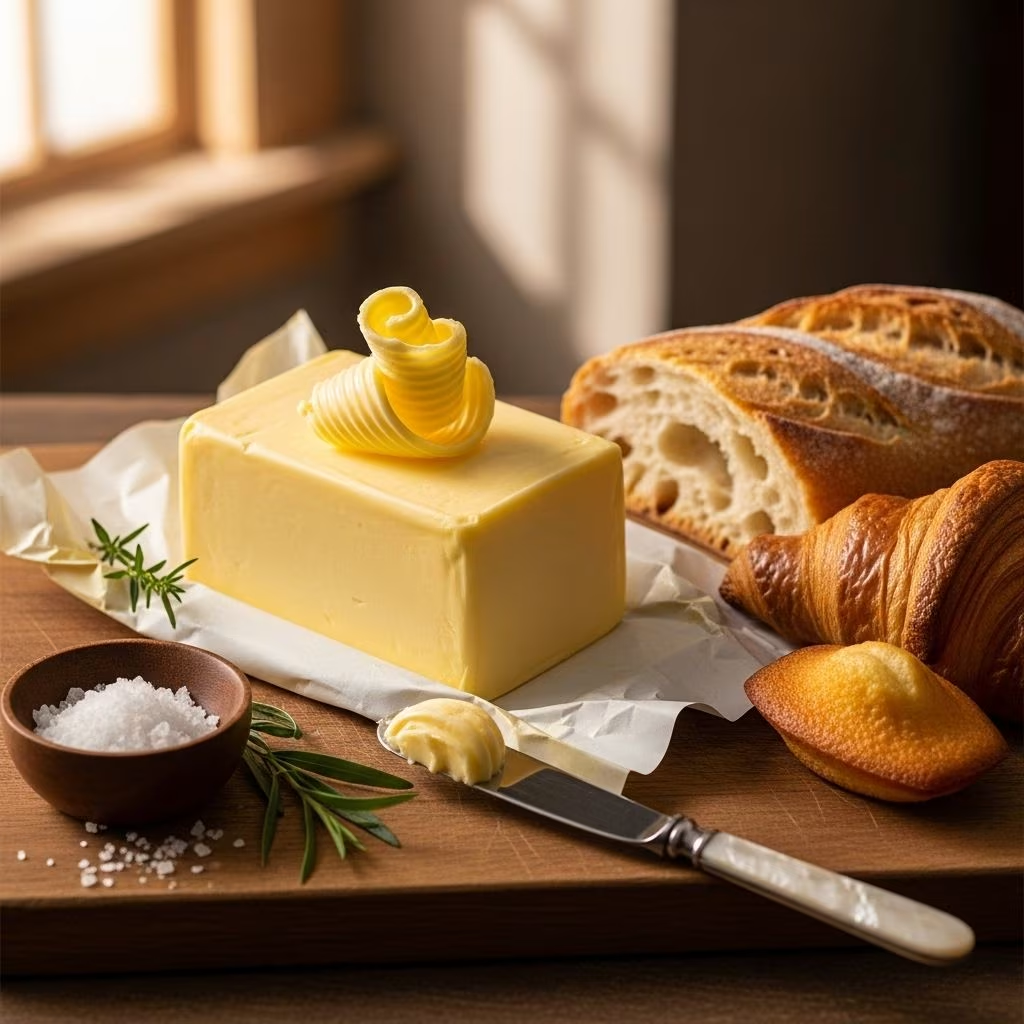
French butter is renowned around the world for its exceptional flavor, superior texture, and special role in both every day and fine cuisine. This article provides a comprehensive guide on what makes French butter unique, its benefits, various uses in the kitchen, and why its taste is celebrated among chefs and home cooks alike. We’ll also explore its production process, regional variations, and the cultural importance that solidifies butter as a staple of French gastronomy.
Introduction to French Butter
French butter stands as a defining element in French cuisine, celebrated for its high butterfat content, rich, nuanced flavors, and signature creamy texture. Unlike many standard butters found around the globe, French butter is often cultured—a process involving the fermentation of cream—which imparts a gently tangy and complex profile. It plays a foundational role not only in French cooking and baking, but also as a symbol of regional pride and culinary artistry (see: Beurre d’Isigny or Beurre Charentes-Poitou AOP) .
How French Butter Is Made: The Art of Cultured Butter
Unlike sweet cream butter, which is prevalent in the United States and produced by churning pasteurized cream without fermentation, most French butter is cultured. This tradition imparts an unmistakable flavor and lends French butter its culinary prestige.
The French Butter-Making Process
- Fresh Cream Collection: French butter typically starts with milk from cattle (often pasture-raised in regions famous for their terroir) .
- Culturing: Lactic bacteria are added to the cream and allowed to ferment, usually for 12 to 24 hours. This fermentation gives the butter a light tang and depth of flavor .
- Churning: The cultured cream is churned slowly—sometimes by traditional methods such as wooden paddles—until butter and buttermilk separate.
- Washing and Kneading: The butter is gently washed to remove excess buttermilk and then kneaded for final texture. Artisanal producers may hand-shape the butter, often leaving characteristic wooden board marks .
- Salting (Optional): Butter may be left unsalted (doux) or salted (demi-sel or salé) according to tradition and regional preference.
On average, it takes 20 liters (around 5 gallons) of milk to yield just 1 kilogram (about 2 pounds) of butter, emphasizing the richness and concentration of flavor found in high-quality French varieties .
Why Butterfat Content Matters
The legal minimum for butterfat in French butter is 82%, but some artisanal varieties reach 84% or even higher . For comparison, American butter is required to contain only 80% butterfat. This small percentage difference dramatically affects both flavor and performance in cooking and baking.
- Higher butterfat means less water, resulting in a creamier, luscious texture and more robust flavor.
- Lower moisture is a boon for pastry chefs, as it helps create crispier, flakier layers in laminated pastries (like croissants) and cookies .
- The higher fat content keeps French butter softer and more spreadable at refrigerator temperature, while also enhancing its mouthfeel .
- French cows, often grazing on diverse grasses and herbs, yield milk that translates terroir directly into the butter’s layered flavor.
French Butter vs. Regular Butter
| Characteristic | French Butter | American/Other Butter |
|---|---|---|
| Butterfat Content | 82–84% (sometimes higher) | 80% |
| Production Method | Usually cultured (fermentation), often slow-churned | Generally sweet cream (no culturing) |
| Flavor Profile | Rich, tangy, creamy, complex; expresses terroir | Mild, sweet, less nuanced |
| Texture | Creamier, softer, spreadable even from fridge | Firmer, more brittle when chilled |
| Role in Baking | Excellent for flakiness, lamination, superior results in French pastry | More prone to sogginess, less crisp |
Taste and Texture of French Butter
Taste: The cultured process imparts a subtle tang, often described as nutty, grassy, or lightly acidic, with deep creamy and bright overtones. Terroir influences—from Normandy’s rich pastures to Poitou-Charentes’ floral meadows—add distinct notes between regions. Some butters, like Isigny Sainte-Mère, are famous for a hint of hazelnut .
Texture: Due to its elevated fat content, French butter is especially smooth and creamy, gliding on bread or melting into sauces with ease. The lower water means a dense, luxurious mouthfeel and extraordinary softness—no need to wait for it to warm before spreading .
Why Cultured Butter Tastes Different
- Culturing with live bacteria produces lactic acid, responsible for the gentle tang and aromatic complexity unique to French butter.
- Butter made from cream sourced from cows grazing varied pastures offers flavors that mirror local grass, flowers, and even the region’s climate.
- Artisanal butters often have irregularities or ‘flecks’ of flavor, prized by aficionados, that result from small-batch slow churning and fermentation.
Health and Nutritional Benefits
While all butter should be enjoyed in moderation, high-quality French butter can offer some nutritional and gastronomic advantages:
- Fewer Additives: French regulations and AOP traditions emphasize minimal, natural ingredients (cream, salt if desired, bacterial culture), avoiding unnecessary additives and colorants.
- Higher Concentration of Vitamins: Grass-fed French butters contain more beta-carotene (giving them a natural golden hue) and fat-soluble vitamins such as vitamins A, D, and K2.
- Beneficial Fatty Acids: Contains butyrate and conjugated linoleic acid (CLA), beneficial for gut health and potentially for reducing inflammation.
- Better Satiety: The rich fat content and flavor can enhance satiety, helping with portion control compared to low-fat spreads.
Important: Butter is still high in saturated fat and calories; thus, moderation is advised. French dietary tradition favors small amounts of high-quality food enjoyed slowly for optimal pleasure and health balance.
Uses of French Butter in Cooking & Baking
French butter’s unique qualities shine in both simple and intricate dishes. Here’s how it’s best enjoyed:
- Pastry-Making: Essential for creating flaky, airy croissants, puff pastry, brioche, tarts, and other classic French pâtisseries. The higher fat gives perfect lamination and tenderness .
- Baking: Imparts moistness, subtle flavor, and structure to cakes, cookies, financiers, madeleines, and shortbreads.
- Cooking: Used in sauces (beurre blanc, hollandaise), sautéing vegetables, and enriching mashed potatoes or risottos—with superior emulsification properties thanks to extra fat.
- Finishing Touch: A pat of French butter on rustic bread or warm vegetables elevates the everyday into a gourmet moment .
- Table Butter: Try with radishes, sea salt, or as an accompaniment on cheeseboards.
Chef’s Tip: Softness at cold temperature makes it easier to blend into doughs and batters without overworking, crucial for perfect textures in baking .
Iconic French Butter Varieties & Protected Designations
Many of France’s greatest butters are legally protected under the AOP (Appellation d’Origine Protégée) label, ensuring traditional production methods and local sourcing. Here are some of the most celebrated:
- Beurre d’Isigny AOP (Normandy): Known for its deep yellow hue, hints of caramel and hazelnut, and smooth texture.
- Beurre Charentes-Poitou AOP: Famous for floral undertones and an especially delicate mouthfeel.
- Beurre de Bresse & Beurre Echiré: Handcrafted, prized for both pastry-making and table use.
- Sel de Guérande Butters: Incorporate crunchy flakes of hand-harvested sea salt for a gourmet balance of sweet and saline notes.
Look for “AOP” on the label to guarantee authenticity, quality, and respect for centuries-old traditions .
Selecting and Storing French Butter
To fully enjoy what French butter offers, consider the following tips:
- Check the Label: Prioritize butters labeled “beurre cru” (raw), “beurre de baratte” (churn butter), or carrying the AOP seal for genuine regional specialties.
- Salt Content: “Doux” is unsalted, while “demi-sel” or “salé” is lightly or fully salted. Salted French butters, especially with sea salt crystals, are a delicacy in their own right.
- Storage: Keep French butter refrigerated and tightly wrapped. It’s more sensitive to environmental flavors due to the higher fat and lack of preservatives. For immediate use, allow it to come to room temperature for optimal spreadability and flavor.
- Freezing: High-fat butters freeze well; portion and wrap carefully to preserve flavor and texture for up to several months.
Frequently Asked Questions (FAQs)
Q: Why is French butter yellow?
A: The deep yellow hue comes from carotene in the milk of cows that graze on fresh grass. The high fat content helps these pigments remain in the finished product, resulting in a naturally golden butter.
Q: Can I substitute French butter for regular butter in recipes?
A: Yes, but expect slight differences in flavor, richness, and texture, especially in baking. The higher butterfat and cultured profile may produce flakier pastries and more complex flavors in cakes and cookies.
Q: What does ‘cultured butter’ on a label mean?
A: It indicates the butter was made from cream that underwent fermentation by lactic bacteria before churning, yielding a tangier, more aromatic result than ‘sweet cream’ butters.
Q: Is French butter healthier than regular butter?
A: While all butters are high in saturated fat, French butter’s natural production and higher beta-carotene and vitamin content (especially from grass-fed cows) may offer marginal nutritional advantages. However, moderation is key.
Q: What are some classic ways to enjoy French butter?
A: Spread thickly on fresh baguette, with radishes and sea salt, or melted into sauces, vegetables, and pastries are classic French favorites.
Conclusion
French butter stands out globally for its rich, nuanced taste, creamy texture, and the cultural pride imbued in every pat. With a legacy of careful production and a crucial role in iconic baking and cuisine, it is not merely an ingredient, but a luxurious experience that elevates both gourmet creations and daily meals. Whether used for a simple tartine or the foundation of celebrated pâtisseries, French butter remains an irreplaceable treasure of the culinary world.
References
- https://frenchly.us/french-butter/
- https://www.patisseriealacarte.com/the-role-of-butter-in-french-pastry/
- https://www.tastefrance.com/us/magazine/french-pantry/why-i-always-reach-french-butter-when-i-bake
- https://www.myfrenchlife.org/p/french-butter-why-is-it-so-delicious
- https://www.oohlala-frenchinspirations.com/everything-you-need-to-know-about-french-butter/
- https://www.laiterie-legall.fr/en/everything-you-need-to-know-about-butter/
- https://twocupsflour.substack.com/p/butter-french-and-fabulous-a-foodies
- https://www.cheeseconnoisseur.com/the-better-the-butter/


