


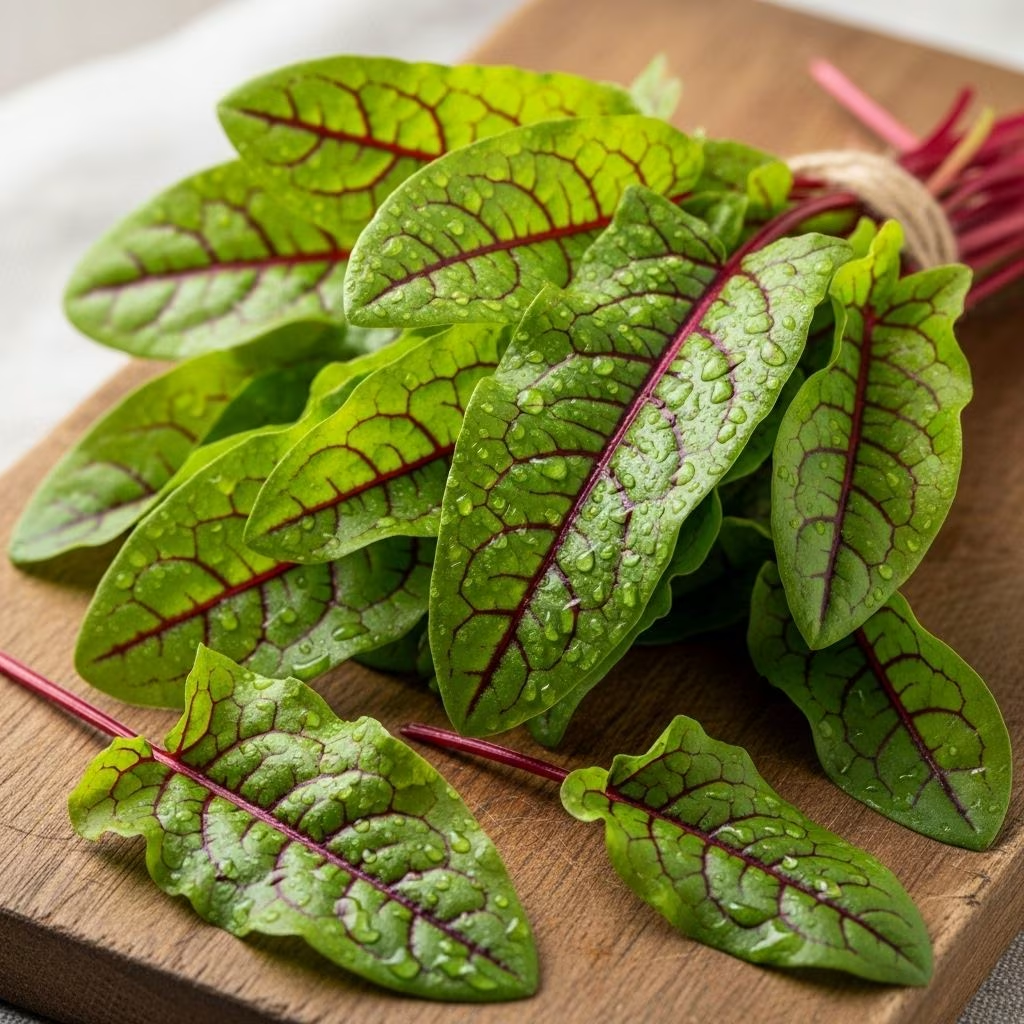
French sorrel (Rumex scutatus) is a vibrant, tangy herb cherished for its distinctive flavor and impressive range of culinary and medicinal applications. Loved by chefs and gardeners alike, this perennial plant has deep roots in French cuisine and is making a comeback as people seek fresh, healthy greens for their diets. This comprehensive guide explores everything you need to know about French sorrel—its history, taste, health benefits, uses in the kitchen, nutritional profile, and essential growing tips.
French Sorrel Overview
French sorrel is a perennial leafy green native to southern and central Europe and southwest Asia. Unlike ordinary leafy greens, its sharp, citrusy tang and smooth, succulent texture make it a favorite for salads, sauces, and soups. The leaves can be consumed raw or cooked, and their unique flavor profile sets them apart from more common salad greens.
Key Characteristics
- Scientific Name: Rumex scutatus
- Family: Polygonaceae (Buckwheat family)
- Growth Habit: Perennial herb forming dense, low-growing clusters
- Leaf Appearance: Bright green, slightly shield-shaped, up to 10-12 inches long
- Flavor: Tart, lemony, acidic; less bitter than wild sorrel
- Main Season: Early spring through mid-summer (can be grown year-round in greenhouses)
Botanical Description and Varieties
French sorrel appears as a mound-shaped plant with leaves emanating from a central rosette. Its lance-shaped, waxy green leaves—ranging from 5 to 12 centimeters—are renowned for their distinct, shield-like form and wavy margins. The stems are slender, upright, and pale green, and the plant rarely grows taller than 45 centimeters (18 inches).
Popular Varieties
- Profusion®: Cultivated for continuous leaf production due to its resistance to bolting (going to seed) throughout the growing season
Note: This makes it particularly popular among home gardeners. - Traditional French Sorrel: Standard variety found in kitchens and markets; distinguished from the more common garden (or common) sorrel by its milder, less bitter, and cleaner lemon taste.
Plant Structure
- Short, spreading perennial herb (rarely above 45 cm in height)
- Leaves: Bright green, semi-smooth, lightly wrinkled with prominent veining
- Flowers: Small, green initially, turning reddish-brown as they mature (typically both sexes in a single flower)
- Roots: Deep, branched rootstock ensuring plant vigor over years
History and Cultural Significance
This plant has a storied past in world cuisines, particularly in French culinary history. Since the 14th century, French sorrel has been prized in French kitchens, forming a staple component of both simple and refined dishes.
Its reputation soared in the latter half of the 20th century thanks to visionary chefs like the Troisgros brothers, whose signature dish “saumon à l’oseille” (salmon with sorrel sauce) is a hallmark of nouvelle cuisine—a movement that foregrounded fresh, healthy ingredients and their true flavors. Before this, sorrel was often relegated to soups and rustic green sauces. Today, sorrel remains beloved by modern chefs for its zest and versatility, appearing in the world’s top kitchens.
Nutritional Value and Health Benefits
French sorrel’s reputation as a health-promoting herb is well deserved. Its green leaves pack a multitude of micronutrients and beneficial compounds, including:
- Vitamin C: High concentration, especially valuable in earlier centuries for scurvy prevention
- Vitamin A: Supports immunity and skin health
- Iron: Important for red blood cell production
- Fiber: Aids digestion and contributes to a feeling of fullness
- Antioxidants: Polyphenols and other phytochemicals help neutralize free radicals
Potential Health Benefits
- Boosts Immunity: The high vitamin C content supports the immune system and may provide protection against seasonal illnesses.
- Improves Digestion: As a leafy green with fiber, French sorrel helps regulate bowel movements and maintains gut health.
- Anti-inflammatory and Antioxidant Effects: The presence of polyphenols and vitamin A provide anti-inflammatory properties and guard against oxidative stress.
- Supports Circulation: Traditional herbalists used French sorrel to promote blood circulation. Its iron content may help prevent anemia.
- Diuretic and Detoxifying: Sorrel was traditionally valued for promoting urination, thought to help flush toxins .
Note: While French sorrel can be a valuable part of a healthy diet, its oxalic acid content means it should be enjoyed in moderation, especially for people with certain health conditions.
Taste and Culinary Profile
French sorrel is celebrated for its bright, lemony, and tangy flavor. When raw, the leaves are crisp, succulent, and deliver an upfront citrus acidity reminiscent of lemons, kiwis, or green apples. As the leaves mature late in the season, they can develop subtler, slightly bitter, and earthy notes, all while retaining their unique tartness.
When cooked, the texture turns soft and silky, similar to spinach, and the tartness mellows slightly but remains pronounced. This unique flavor composition makes French sorrel both a distinctive addition to salads and an excellent contrast in richer dishes.
Culinary Uses
French sorrel is a staple ingredient in both classic and modern cuisines, particularly celebrated in French cookery. Its sharp, refreshing taste enhances both raw and cooked preparations.
Raw (Fresh) Uses
- Salads: Adds a tangy punch to mixed greens, complements milder lettuces, spinach, and arugula
- Sandwiches & Wraps: Replaces lettuce for a zesty flavor
- Salsas & Green Sauces: Chopped sorrel lends brightness to salsas, green sauces, and herby dips
Cooked Uses
- Soups: The signature ingredient in “soupe à l’oseille” or creamy French sorrel soup
- Sauces: Key flavor in the iconic sorrel sauce such as that served with salmon (saumon à l’oseille), veal, lamb, fish, or eggs
- Egg Dishes: Blends beautifully in omelets, frittatas, and soufflés
- Cheese Dishes: Partners with creamy cheeses, offering acidity and brightness
- Vegetable Medleys: Excellent when wilted with other greens in sautés or pasta fillings
Traditional French Dishes Using Sorrel
| Dish | Description |
|---|---|
| Soupe à l’oseille | Classic French sorrel soup, often creamy and served warm in spring |
| Saumon à l’oseille | Seared salmon fillet with a smooth, tangy sorrel cream sauce |
| Herbe Salads | Spring salads with a mixture of sorrel, parsley, chervil, and tarragon |
| Sorrel Omelette | Eggs with wilted sorrel leaves, a staple French farmhouse breakfast |
Cooking Tips: Sorrel’s high acidity can react with aluminum or cast iron cookware, causing discoloration or metallic taste. Use non-reactive pots (such as stainless steel or enamel) when preparing sorrel sauces and soups.
How to Grow French Sorrel
French sorrel is an easy-to-grow perennial herb that thrives in gardens or containers. Its hardiness and vigor ensure a reliable harvest for several years with proper care.
Growing Requirements
- Soil: Prefers rich, moist, well-draining soil
- Sunlight: Full sun to partial shade
- Planting: Sow seeds directly in early spring, about one inch deep; can also be propagated by division
- Watering: Keep consistently moist, especially in hot weather
- Spacing: Space plants 12-18 inches apart
Maintenance Tips
- Remove Seed Stalks: Pinch off seed stalks to encourage more leaf production throughout the season
- Dividing Plants: Every 3–4 years for continued vigor and productivity
- Overwintering: Hardy in most temperate climates; mulch can help protect roots in colder regions
Container Growing: French sorrel’s compact growth makes it suitable for pots or window boxes, ensuring year-round access to fresh leaves even in small spaces.
Harvesting and Storage
Harvest leaves as needed throughout the growing season. Young leaves are tender and milder, while mature leaves offer a stronger taste. For the best flavor, pick leaves just before use. French sorrel is best consumed fresh but can be preserved by freezing for later use.
Tips:
- Early Season: Leaves may be milder; acidity develops as the plant matures.
- Storing: Refrigerate in a damp cloth or plastic bag for up to a week, or blanch and freeze for extended storage.
Potential Risks and Precautions
French sorrel contains oxalic acid, which imparts its characteristic tartness but can pose health concerns to individuals prone to kidney stones or with particular metabolic conditions. For most people, moderate consumption as part of a varied diet poses no risk.
- Health Conditions: Those with kidney disorders, gout, or joint problems should limit their intake of sorrel and other high-oxalate foods.
- Cooking: Cooking can reduce oxalic acid content, making sorrel more accessible for sensitive individuals.
Children, pregnant women, and anyone with chronic kidney or joint issues should consult a healthcare provider before including large quantities of French sorrel in their diet.
French Sorrel vs Garden Sorrel
| Feature | French Sorrel (Rumex scutatus) | Garden/Common Sorrel (Rumex acetosa) |
|---|---|---|
| Flavor | Clean, sharp, lemony, less bitter | Strongly acidic, more bitter and astringent |
| Leaf Shape | Shield-shaped, smaller, juicier | Arrow-shaped, larger, firmer |
| Plant Height | Up to 45 cm (18 inches) | Up to 150 cm (5 feet) |
| Uses | Preferred in upscale cuisine, sauces, soups, salads | Traditional folk medicine, rustic dishes, salads |
Frequently Asked Questions (FAQs)
Q: What does French sorrel taste like?
A: French sorrel has a crisp, succulent texture when raw and a bright, tart, lemon-like flavor both raw and cooked. Subtle bitter or earthy undertones may develop with maturity but its signature tangy taste remains.
Q: Is French sorrel safe to eat raw?
A: Yes, it is commonly used raw in salads and sandwiches. However, those with kidney issues or concerns about oxalic acid intake should consume it in moderation.
Q: How should I store French sorrel?
A: Store fresh leaves in the refrigerator wrapped in a damp paper towel in a plastic bag for up to one week. For longer storage, blanch and freeze the leaves.
Q: Can I grow French sorrel at home?
A: Absolutely! French sorrel is easy to grow in the garden or containers, thriving in moist, rich soil, and requiring very little care beyond regular harvesting and occasional division.
Q: How do I use French sorrel in cooking?
A: Add raw leaves to salads, sandwiches, or salsas for a zesty kick. Use cooked in soups, sauces (especially for fish and eggs), omelettes, and vegetable dishes. Its acidity complements creamy or fatty ingredients beautifully.
Conclusion
French sorrel is a unique herb that brings a refreshing lemony tang to a wide range of dishes and provides an array of nutritional benefits. Valued in French kitchens for centuries and easy to grow at home, it’s a versatile green that deserves renewed attention in modern diets. Incorporate French sorrel into your kitchen to explore new flavors, boost your meals’ nutritional value, and experience a legendary herb that stands out in both taste and tradition.
References
- https://specialtyproduce.com/produce/French_Sorrel_6651.php
- https://extension.illinois.edu/herbs/sorrel-french
- https://www.herbs2000.com/herbs/herbs_sorrel_french.htm
- http://www.missouribotanicalgarden.org/plantfinder/PlantFinderDetails.aspx?taxonid=285455
- https://www.kitchengardenherbs.com/herbs/french-sorrel/
- https://www.phillyorchards.org/2022/08/08/plant-spotlight-the-small-and-sour-sorrel/
- https://en.wikipedia.org/wiki/Rumex_scutatus
- https://draxe.com/nutrition/sorrel/
- https://masaseedfoundation.org/products/french-sorrel


