


- Introduction
- Types of Ginseng
- Active Compounds in Ginseng Root
- Health Benefits of Ginseng Root
- Recommended Dosage
- Potential Side Effects and Safety
- Precautions and Drug Interactions
- Frequently Asked Questions (FAQs)
- Conclusion
Introduction
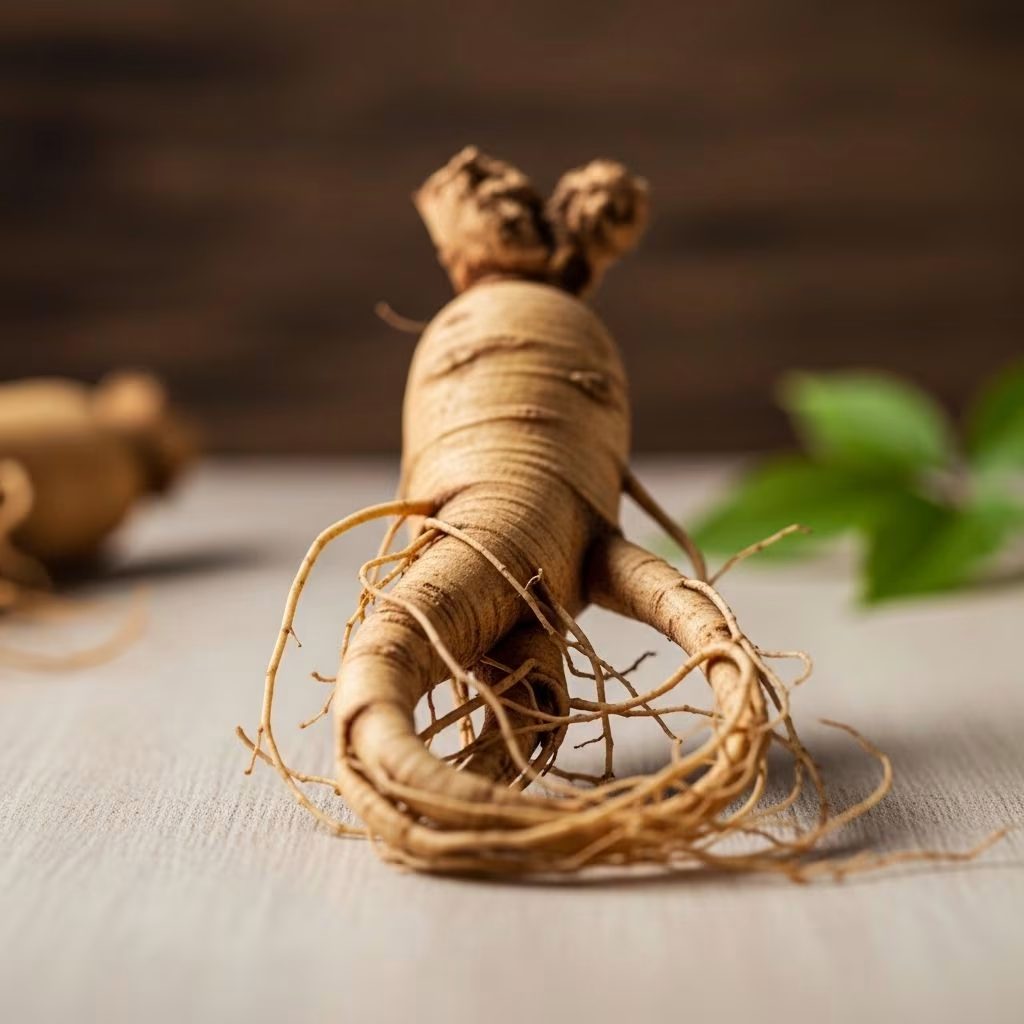
Ginseng root has long been revered in traditional medicine systems across Asia and North America, with Panax ginseng (Asian ginseng) and Panax quinquefolius (American ginseng) being the most widely studied. Promoted as a remedy for fatigue, metabolic disorders, aging-related ailments, cognitive decline, and sexual dysfunction, ginseng has attracted significant scientific attention for its potent pharmacological properties and potential as a natural supplement.
This guide examines the latest research on ginseng root, detailing its documented health benefits, evidence-based dosage recommendations, and safety profile, offering a balanced resource for individuals considering ginseng supplementation.
Types of Ginseng
The term “ginseng” refers to several species known for their medicinal roots. The most important types include:
- Panax ginseng (Asian or Korean ginseng): Traditionally used in Eastern medicine, known for its stimulating properties.
- Panax quinquefolius (American ginseng): Commonly used for its cooling and adaptogenic effects.
- Panax notoginseng (Chinese notoginseng): Used mainly for cardiovascular health and blood circulation.
- Siberian ginseng (Eleutherococcus senticosus): Not a true ginseng botanically, but closely related and often marketed similarly. Its chemical profile and effects differ from Panax species.
The focus of this article is on the well-studied Panax genus, containing the active compounds most associated with clinical benefits.
Active Compounds in Ginseng Root
Ginseng’s therapeutic effects derive from its unique profile of bioactive constituents, principally:
- Ginsenosides: Saponin molecules responsible for most major health effects, including anti-inflammatory, antioxidant and metabolic activities. Over 30 ginsenosides have been identified.
- Polysaccharides: Influence immune response and general metabolism.
- Peptides, polyacetylenic alcohols, and fatty acids: Contribute to subtle pharmacological impacts.
The concentration of these compounds depends on the species, age of the root, and preparation method (fresh, dried, steamed/”red ginseng”).
Health Benefits of Ginseng Root
Contemporary clinical studies and meta-analyses reveal that ginseng root may exert significant benefits in the following domains:
1. Physical Strength and Fatigue Reduction
- Ginseng is associated with improved physical strength, increased exercise endurance, and reduced fatigue, possibly by enhancing energy metabolism and reducing oxidative stress in muscle tissue.
- Improved SIRT1 deacetylase activity may underlie its anti-fatigue effects.
2. Metabolic Health and Diabetes Management
- Ginseng modulates blood glucose regulation and improves insulin sensitivity, which helps manage and potentially prevent type 2 diabetes.
- Clinical and animal studies indicate reduction in fasting blood glucose, stabilization of post-meal (postprandial) glucose levels, and improved lipid profiles (lower cholesterol and triglycerides).
- Ginsenosides activate pathways such as IRS-1/PI3K/AKT and AMPK, key to glucose uptake and metabolism.
3. Cardiovascular Wellness
- Evidence supports blood pressure reduction and improved vascular function through antioxidant activity and inhibition of vascular myogenic activity.
- Ginseng protects cardiac tissue during ischemic events and enhances contractile function after reperfusion.
- May assist with cholesterol management by lowering total cholesterol (TC), triglycerides (TG), LDL-C and increasing HDL-C.
4. Anti-Inflammatory and Immune-Boosting Actions
- Ginseng suppresses pro-inflammatory cytokines and promotes inflammation regression (important for conditions like arthritis and seasonal illnesses).
- May decrease severity and frequency of seasonal upper respiratory infections and colds.
- Enhances the activities of endogenous antioxidant enzymes such as superoxide dismutase, catalase, and glutathione peroxidase, which combats oxidative stress and reduces inflammation overall.
5. Cognitive Function and Healthy Aging
- Red ginseng improves memory formation and acquisition of learning responses in aged animals.
- Clinical trials show that regular ginseng intake lowers serum oxidative markers, increases glutathione (critical for cell protection), and may slow age-associated cognitive decline.
6. Sexual Health and Menopausal Symptoms
- Several studies report benefits for male erectile dysfunction and female menopausal symptoms, including enhanced sexual function and improved quality of life.
- These effects may relate to improved vascular function and hormonal modulation.
7. Weight Management
- Ginseng can influence body weight by modulating thermogenesis, lipogenesis, and lipolysis processes, resulting in greater energy expenditure and potential anti-obesity benefits.
8. Potential Cancer Risk Reduction
- Population studies suggest that regular consumption is associated with lower risk of certain cancers, including stomach, lung, liver, colorectal, ovarian, and oral cavity cancers.
- Mechanisms likely involve antioxidant and immune-modulatory activities.
Summary Table: Key Health Benefits of Ginseng Root
| Health Area | Supporting Evidence | Mechanism |
|---|---|---|
| Physical Strength | Meta-analyses & clinical trials | Energy metabolism, oxidative stress reduction |
| Diabetes & Metabolic Health | Animal & human studies | Insulin resistance improvement, AMPK activation |
| Cardiovascular Health | Meta-analyses | Antioxidant activity, improved perfusion |
| Immune Function | Clinical trials | Inflammatory cytokine regulation |
| Aging & Cognition | Animal & human trials | Antioxidant activity, neuroprotection |
Recommended Dosage
Optimal ginseng dosage varies according to species, extract concentration, intended use, and health status. General evidence-based recommendations include:
- Standard Extracts: 200–400 mg daily (standardized to 4–7% ginsenosides) for most adults
- Raw Root: 1–2 grams dried root daily, split into two doses
- For Diabetes & Metabolic Effects: Most studies reference 3 grams/day of American ginseng root or equivalent extracts
- For Cognitive & Fatigue Symptoms: 200–400 mg/day for up to 12 weeks appears safe and effective
It is advisable to begin at the lower end of the dosing spectrum and gradually increase if no side effects are experienced. Duration of supplementation can vary; cycles of 3 months with 2-week breaks are often recommended to mitigate tolerance risk.
Note: Effective dosages can differ for children, elders, and individuals on medication. Consult with a healthcare provider before starting high-dose regimens.
Potential Side Effects and Safety
Most systematic reviews and meta-analyses describe ginseng root as having a favorable safety profile. However, potential adverse effects documented in research include:
- Mild gastrointestinal symptoms (nausea, diarrhea, abdominal discomfort)
- Insomnia and restlessness, especially at high doses or late in the day
- Headache and nervousness
- Allergic reactions in rare cases (itching, rash)
- Potential bleeding risk due to effects on platelet aggregation — caution advised for those on anticoagulants
Serious adverse events are very rare, with no persistent toxicity observed in reported trials. Side effects are usually dose-dependent and resolve upon discontinuation.
Precautions and Drug Interactions
Drug Interactions: Ginseng can potentially interact with:
- Anticoagulant drugs (increased bleeding risk)
- Hypoglycemic agents (possible additive effects — monitor blood sugar closely)
- Antidepressants and stimulant medications (increased side effect risk)
- Immunosuppressants (possible immune-enhancing effects — consult physician)
Special Populations:
- Pregnant or breastfeeding women should avoid supplementation due to insufficient safety data.
- Children and frail elders require individualized dosing and supervision.
- Patients with hormone-sensitive cancers should not use ginseng without consulting their physician, due to possible estrogenic effects.
Always discuss supplement plans with a trusted healthcare provider, especially if using prescription medications or managing chronic illness.
Frequently Asked Questions (FAQs)
Q1: Is ginseng root suitable for long-term use?
Studies report good safety for up to 12 weeks. Longer-term use should include periodic breaks and regular monitoring. No evidence of toxicity is present in human trials.
Q2: Can ginseng be combined with other supplements?
Yes, ginseng is often included in multi-herbal formulations, but care should be taken to avoid overlapping effects, especially regarding blood sugar and clotting.
Q3: Is ginseng the same as eleuthero (Siberian ginseng)?
No. Despite similarity in naming and some effects, they are botanically and chemically distinct. Panax species have more data supporting their health benefits.
Q4: Does ginseng affect sleep?
When taken late in the day or at high dosage, ginseng may cause insomnia. It is recommended to administer doses in the morning and early afternoon.
Q5: Which form of ginseng is best: capsule, tea, or extract?
Standardized extract and capsules ensure consistent ginsenoside content, but teas are preferred for tradition and taste. The root is more variable in potency.
Conclusion
Ginseng root remains one of the most extensively researched and clinically used traditional herbal remedies, demonstrating a range of benefits from enhancing physical and cognitive health to supporting metabolic balance and cardiovascular protection. Optimal use depends on selecting a verified product, adhering to recommended dosages, and being mindful of contraindications and drug interactions. While generally safe and well-tolerated, users should consult practitioners before incorporating ginseng into health routines, especially for chronic conditions or concurrent drug use.
With decades of scientific validation and centuries of traditional application, ginseng continues to play a vital role in integrative medicine and health maintenance.
References
- https://www.frontiersin.org/journals/pharmacology/articles/10.3389/fphar.2023.1069268/full
- https://www.ncbi.nlm.nih.gov/books/NBK92776/
- https://pmc.ncbi.nlm.nih.gov/articles/PMC5758347/
- https://www.medicalnewstoday.com/articles/262982
- https://www.webmd.com/diet/supplement-guide-ginseng
- https://www.aafp.org/pubs/afp/issues/2003/1015/p1539.html
- https://health.clevelandclinic.org/ginseng-benefits


