


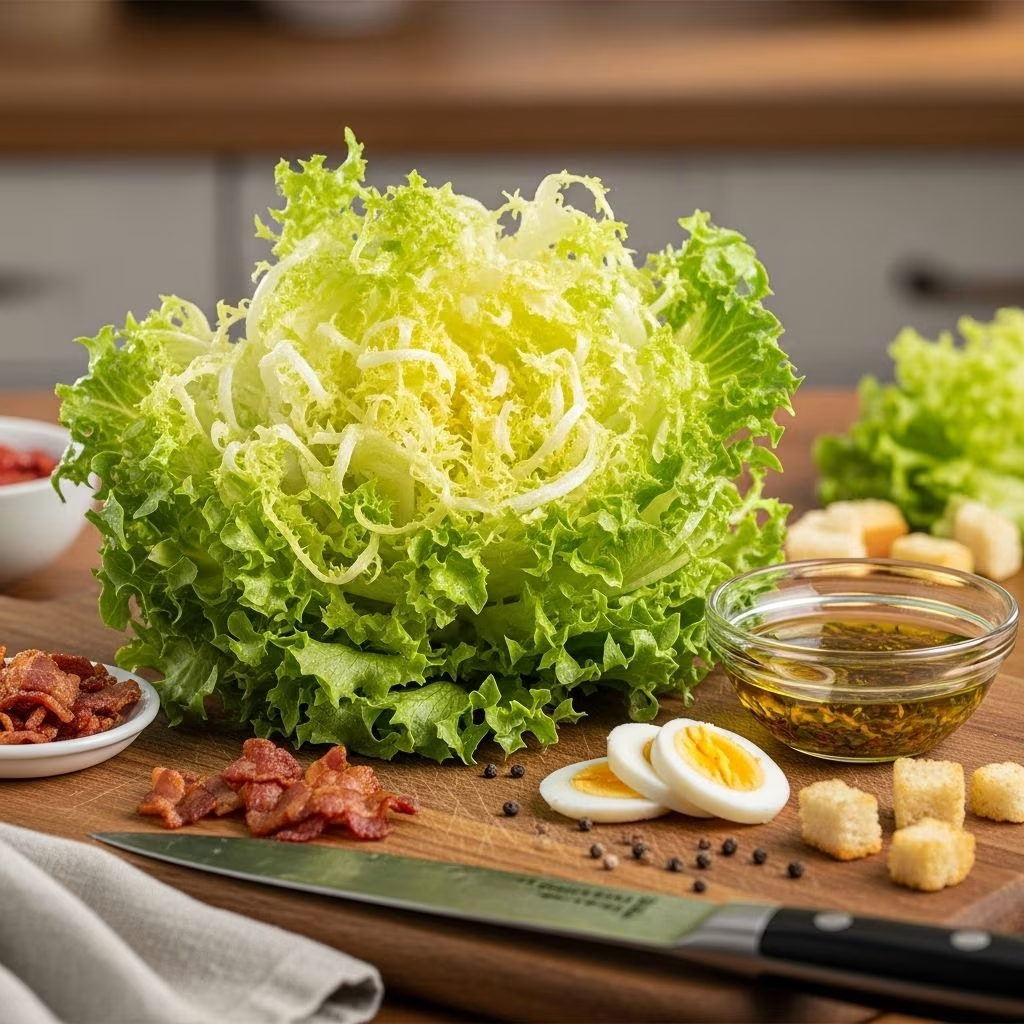
Frisée, also known as curly endive, stands out in the world of leafy greens for its uniquely frizzy appearance, pleasantly bitter flavor, and versatility in culinary applications. Part of the chicory family, this leafy vegetable packs nutritional benefits and culinary intrigue, making it a favorite among chefs and home cooks alike.
What is Frisée Lettuce?
Frisée is a leafy green vegetable belonging to the chicory family (Cichorium endivia var. crispum), closely related to escarole and radicchio. Recognizable by its curly, frizzy leaves and pale yellow or white heart, frisée is valued as much for its visual appeal as its unique taste. The name ‘frisée’ is derived from French, meaning ‘curly’, a nod to its characteristic leaf shape.
Frisée grows as a loosely formed, flattened rosette, with narrow, lobed, and serrated leaves radiating from a central base. The outer leaves are darker green, while the blanched inner leaves remain pale, tender, and less bitter.
- Family: Asteraceae (Daisy) family, chicory group
- Other names: Curly endive, curly chicory, insalata riccia (Italian), chicorée frisée (French), escarola crespa (Spanish)
- Origins: Native to the Mediterranean; domesticated by the ancient Greeks, now grown worldwide
Blanching and Cultivation
Typically, frisée farmers use a method called blanching—covering the plants to block sunlight as they mature. This encourages the inner leaves to remain pale and milder in flavor, while full sun exposure results in darker, more bitter leaves.
Nutritional Value and Health Benefits of Frisée
Like other chicory greens, frisée is a powerhouse of nutrients with numerous health advantages:
| Nutrient | Benefit |
|---|---|
| Vitamin A | Supports healthy vision, immune system, and skin health |
| Vitamin K | Essential for blood clotting and bone metabolism |
| Vitamin C | Antioxidant, aids in immune defense and collagen synthesis |
| Folate | Important for DNA synthesis and fetal development |
| Dietary Fiber | Promotes digestive health, aids in blood sugar regulation |
| Low Calorie | Helps in weight management diets |
| Minerals | Contributes potassium, calcium, magnesium |
- Rich in antioxidants that help fight free-radical damage
- May help reduce inflammation and support cardiovascular health
- Its fiber content supports satiety and gut health
Frisée rarely causes allergic reactions or intolerances, though those especially sensitive to bitter flavors might find it less appealing. Like all leafy greens, it requires thorough washing before consumption.
Flavor and Texture: What Does Frisée Taste Like?
One of frisée’s biggest draws is its bitter, slightly peppery flavor and uniquely crisp, frizzy leaf texture. Here’s what stands out about its sensory qualities:
- Flavor: Subtly bitter, with nutty and peppery undertones
- Texture: Crisp, airy, and pleasantly chewy, with the younger inner leaves offering a tender crunch
- Color: Outer leaves are dark green, transitioning to pale yellow or white at the heart—visual contrast often sought for plating
Bitter greens like frisée are especially valued in European, particularly French, cuisine, where their flavor is deliberately balanced with salty, fatty, or acidic ingredients (such as bacon, cheese, and vinaigrettes). Cooked frisée softens and mellows, though it retains a hint of bitterness.
Culinary Uses: How to Enjoy Frisée
Frisée’s blend of bitterness, crispness, and color gives any dish dimension. While often enjoyed raw in salads, it’s surprisingly versatile and adapts to various preparations:
- Salads: The most common use. Frisée is a staple in classic French salads such as the iconic Salade Lyonnaise—tossed with lardons (crispy bacon), croutons, and a warm vinaigrette, sometimes topped with a poached egg. Its texture makes it excellent for mixed green salads, providing structure and balancing rich dressings or cheeses.
- Bed for Grilled Meats or Roasted Vegetables: Frisée holds up well under warm proteins, wilting slightly and absorbing flavorful juices.
- Wilted Greens: Sauté with olive oil and garlic for a quick side. The cooking softens the bitterness, allowing its nutty flavor to shine.
- Soups and Stews: Add near the end of cooking to retain its frizzy texture and subtle flavor.
- Pizza and Flatbreads: Used as a fresh, crunchy topping after baking.
- Sautéed or Braised: Frisée can be braised with broths, cream, or butter, often complemented by citrus or vinegar.
Recipe Spotlight: Frisée Salad with Warm Bacon Vinaigrette
This dish is a beloved French bistro classic and highlights frisée’s ability to stand up to bold flavors:
- Frisée leaves, rinsed and dried
- Crispy bacon pieces (lardons)
- Minced garlic
- Dijon mustard, red wine vinegar, honey, olive oil (full recipe in serving ideas)
Tossed with a warm vinaigrette, this salad showcases how frisée’s bitterness can be beautifully balanced for a memorable bite.
Growing and Harvesting Frisée
Frisée is considered a relatively hardy, cool-season crop but does require attention to achieve its best flavor and appearance:
- Climate: Thrives in cooler temperatures. Best sown in early spring or late summer for fall harvest.
- Soil: Prefers well-draining, fertile soil; keep moist but avoid waterlogging to prevent root rot.
- Spacing: Thin seedlings so plants have space to develop a full rosette structure.
- Blanching: To achieve the mild, pale heart, outer leaves are tied together or the plant is covered for a week or two before harvest, limiting sun exposure and bitterness.
- Maturity: Harvest when leaves form a full, loose head—usually 50–60 days from seeding.
Frisée is a labor-intensive but rewarding crop—both commercially grown and favored by home gardeners looking to diversify their salad greens.
Selecting and Storing Frisée
For optimal flavor and texture, select frisée heads that are:
- Bright green on the outside, with a pale-yellow or white center
- Crisp, frilly leaves free from brown spots or wilted tips
- No signs of sliminess or excessive moisture in the bunch
Store frisée loosely wrapped in damp paper towels or in a perforated produce bag in the refrigerator. Use within 3–5 days for best quality—older greens become limp and extremely bitter. Avoid washing before storage, as excess moisture can lead to spoilage.
Popular Recipes and Serving Ideas
Frisée’s textural and flavor profile makes it ideal for a variety of kitchen creations. Consider these serving suggestions:
- Simple Frisée Salad: Toss fresh leaves with olive oil, lemon juice, a pinch of salt, and cracked pepper for a quick, light salad.
- Salade Lyonnaise: Combine frisée, lardons (or crispy pancetta), a poached egg, homemade croutons, and warm vinaigrette for a rich, elegant dish.
- Frisée and Citrus Salad: Balance bitterness with orange or grapefruit segments, toasted nuts, and a honey-mustard dressing.
- On Pizza: After baking, top pizza with a handful of frisée tossed in a vinaigrette for a peppery crunch.
- Wilted Frisée Sauté: Rapidly sauté frisée with minced garlic and olive oil as a savory side dish.
Recipe: Frisée Salad with Warm Bacon Vinaigrette
- 1 head frisée, washed and dried
- 4 slices bacon, diced
- 1 garlic clove, minced
- 2 tbsp red wine vinegar
- 1 tbsp Dijon mustard
- 1 tbsp honey
- Salt and pepper to taste
- Place frisée leaves in a salad bowl.
- Cook bacon until crispy, reserve 2 tbsp of bacon fat. Add garlic to pan for 30 seconds.
- Whisk in vinegar, mustard, honey, and seasoning—warming through.
- Pour over frisée, toss gently, and scatter crispy bacon on top. Serve immediately.
Varieties of Frisée
Frisée is available in several globally cultivated varieties, each with subtle differences in leaf shape, size, and flavor intensity:
- Grosse Pancalière
- Frisée de Meaux
- Gloire de l’Exposition
- D’hiver de Provence
- Très Fine Maraîchère (very fine-leaved type)
- Wallonne
All share the core attributes of frizzy leaves and a balance of bitterness and crunch, but minor differences can be noticed in texture and flavor between specific cultivars.
Frequently Asked Questions (FAQs)
Q: Is frisée lettuce safe for everyone to eat?
A: Yes. Frisée is generally considered safe for most people and is not known to cause allergic reactions. As with all leafy greens, thorough washing is recommended.
Q: Can you cook frisée, or is it only for salads?
A: Frisée can be served raw or cooked. Sautéing or braising frisée mellows its bitterness, making it suitable for warm salads, stir-fries, or as a flavorful side.
Q: What makes frisée more or less bitter?
A: The blanching process during growth helps keep the inner leaves pale and less bitter. Full sun exposure darkens leaves and intensifies bitterness.
Q: How does frisée compare to other lettuce types?
A: Unlike soft, sweet lettuces (like butterhead), frisée is crispier and more bitter. It adds structure and complexity to dishes and stands up well to bold dressings and proteins.
Q: How do you reduce the bitterness of frisée?
A: Pair it with rich, salty, or acidic elements—like bacon, cheese, eggs, or citrus. Briefly sautéing also tames the bitterness.
Frisée in Modern Cuisine
Frisée is more than a salad ingredient—it’s a statement green that brings bold taste, nutritious value, and vivid presentation to the table. By understanding its growing, preparation, and flavor-balancing techniques, you can elevate your meals and expand your appreciation for bitter greens. Whether featured in classic French dishes or creative contemporary plates, frisée offers a fresh perspective for adventurous eaters and healthy home cooks.
References
- https://www.wisdomlib.org/ingredients/frisee-lettuce
- https://driftwoodcorner.net/frisee-lettuce-growing-cooking-and-more/
- https://specialtyproduce.com/produce/Frise_512.php
- https://jmarchinifarms.com/fris
- https://allthingssicilianandmore.com/all-about-frisee-insalata-riccia/
- https://www.safeway.com/shop/product-details.960077809.html
- https://www.randalls.com/shop/product-details.960077809.html
- https://www.winterspringcsa.com/produce-guide/frisee


