


Fumaric Acid for Skin: Comprehensive Guide to Benefits, Uses & Side Effects
Fumaric acid, a naturally occurring organic compound, has gained significant attention in dermatology and skincare due to its therapeutic potential, especially for chronic inflammatory conditions like psoriasis. This in-depth article examines the science behind its benefits, practical uses in skin health, and the spectrum of possible side effects, enabling patients and skincare professionals to make informed decisions.
Introduction: What Is Fumaric Acid?
Fumaric acid (trans-butenedioic acid) is an unsaturated dicarboxylic acid found naturally in many fruits and vegetables. It plays a central role in the citric acid cycle (Krebs cycle), vital for cellular energy production. In dermatology, fumaric acid and its esters (notably dimethyl fumarate) have emerged as important agents for their immunomodulatory, anti-inflammatory, and skin-renewing properties.
Skin Benefits of Fumaric Acid
- Therapeutic for Psoriasis: Multiple studies and decades of clinical use have demonstrated the significant efficacy of fumaric acid esters (FAEs) in managing moderate-to-severe psoriasis, reducing lesion severity and promoting skin clearance.
- Gentle Exfoliation & Brightening: Fumaric acid can promote gentle exfoliation by encouraging the shedding of dead skin cells, leading to a brighter and more even skin tone.
- Anti-inflammatory Effects: By modulating the immune system, fumaric acid helps to suppress the skin’s inflammatory response, relieving symptoms like redness, swelling, and discomfort in various skin conditions.
- Soothing Sensitive & Irritated Skin: The soothing properties of fumaric acid may help alleviate discomfort associated with flare-ups, especially in sensitive individuals.
- Antioxidant Support: Emerging research suggests fumaric acid may activate antioxidant pathways, protecting skin cells from oxidative stress and environmental damage.
Psoriasis Management: A Closer Look
Psoriasis is a chronic, immune-mediated skin disease characterized by thick, red plaques with silvery scales. Its pathophysiology involves an accelerated rate of skin cell division, leading to build-up and impaired skin shedding. Fumaric acid supplementation—both orally as fumaric acid esters and topically—has been transformative for many patients who do not respond well to conventional therapies like corticosteroids and phototherapy.
Uses in Dermatology & Skincare
- Prescription Therapy for Psoriasis: FAEs, especially dimethyl fumarate (DMF), are licensed medications in several European countries for the oral treatment of moderate-to-severe plaque psoriasis.
- Adjunct in Combination Treatments: FAEs may be used alongside immunosuppressive agents like methotrexate, ciclosporin, and hydroxyurea, enhancing efficacy or reducing required doses of these drugs.
- Potential for Other Inflammatory Conditions: Although mostly indicated for psoriasis, there is growing interest in the use of fumaric acid for neuroinflammatory diseases such as multiple sclerosis due to its immunomodulatory and antioxidant effects.
- Over-the-Counter (OTC) Skincare Products: Some skincare formulations incorporate fumaric acid for gentle exfoliation, skin brightening, and maintenance routines, though its concentration and use are generally milder than medical formulas.
Despite its potential, use in routine cosmetic products remains less widespread than medical prescriptions, partly due to regulatory differences and the need for medical supervision at higher dosages.
How Fumaric Acid Works: Mechanism of Action
- Immune Modulation: Fumaric acid esters act by normalizing the production of cytokines—small proteins critical in cell signaling and immune system regulation—as well as shifting the immune balance from a pro-inflammatory (Th1) to an anti-inflammatory (Th2) profile.
- NF-κB Pathway Inhibition: FAEs inhibit nuclear factor kappa-light-chain-enhancer of activated B cells (NF-κB), a transcription factor central to the expression of pro-inflammatory genes.
- Activation of Antioxidant Defenses: Particularly in neurological conditions, DMF activates the nuclear factor erythroid 2-related factor 2 (Nrf2) pathway, upregulating antioxidant and cytoprotective genes—potentially beneficial for skin exposed to oxidative stress.
- Cell Division Correction: Supplementation of fumaric acid helps correct metabolic deficiencies related to skin cell proliferation, critical in normalizing the rate of cell division seen in psoriasis.
| Mechanism | Effect on Skin |
|---|---|
| Immune modulation | Reduces inflammation, normalizes cytokine levels |
| NF-κB inhibition | Suppresses inflammatory gene activation |
| Nrf2 antioxidant activation | Protects against oxidative, environmental stress |
| Metabolic correction | Balances skin cell proliferation, reduces plaques |
Common Formulations & Products
- Oral Capsules/Tablets: Products such as Fumaderm® and Skilarence® contain dimethyl fumarate and other fumaric acid salts, approved for oral use in treating moderate-to-severe psoriasis.
- Topical Preparations: Creams/gels with fumaric acid or its derivatives are used for direct application to affected skin, particularly in less severe cases or as a supplement to systemic therapy.
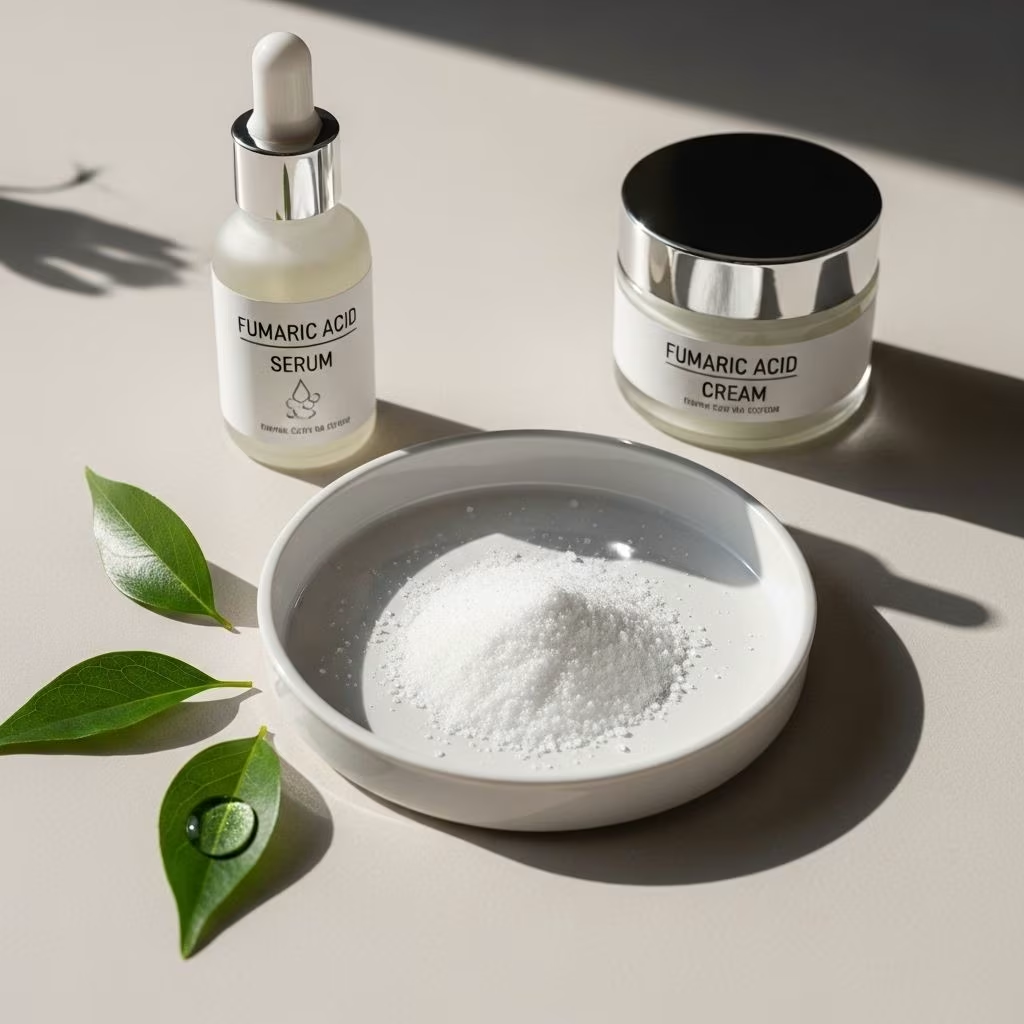
- OTC and Cosmetic Formulations: Serums and creams may include small amounts of fumaric acid for skin brightening and exfoliation purposes, mostly targeting pigmentation, tone, and texture improvement.
Note: Pharmaceutical-grade fumaric acid esters should only be used under medical supervision due to the possibility of side effects.
Potential Side Effects and Safety Profile
While fumaric acid treatments are generally well-tolerated, side effects can occur, depending on dosage, route of administration, and individual patient factors. Understanding the risk profile is essential before starting therapy.
- Gastrointestinal Symptoms: Common adverse effects include abdominal pain, diarrhea, nausea, and flatulence, especially with oral formulations.
- Flushing: Physical sensation of warmth, redness, and occasional headache are reported in a proportion of users, typically when beginning treatment.
- Low White Blood Cell Count: Rarely, fumaric acid esters may lower lymphocyte counts, increasing susceptibility to infection; routine blood monitoring is therefore recommended during therapy.
- Liver and Kidney Changes: Abnormal liver enzyme or kidney function tests may occur, necessitating regular medical assessment.
- Allergic Reactions: Rash, itching, and hypersensitivity responses are uncommon but possible.
- Other: Proteinuria (protein in urine), fatigue, and rarely, serious complications such as progressive multifocal leukoencephalopathy (PML) in severely immunocompromised patients.
Most side effects are mild-to-moderate and may diminish with continued use or dose adjustment. Discontinuation or change in therapy should only occur under medical supervision.
Clinical Evidence and Research
- Decades of Clinical Use: FAEs have been used for severe psoriasis in Europe for over 30 years, often providing clinical improvement for patients not helped by conventional therapies.
- Research Highlights: Controlled studies find that up to 75% of patients experience significant psoriasis relief within four months of beginning FAE therapy.
- Combination Therapy: FAEs have been successfully combined with other agents to optimize dosing and outcomes in difficult cases.
- Metabolic Background: Earlier theories linking fumaric acid to metabolic defects in the citric acid cycle have evolved; currently, the main therapeutic effects are considered immunological, not metabolic.
- Recent Approvals: Products like Skilarence® continue to expand options for patients, providing improved dosing regimens and tolerability.
Frequently Asked Questions (FAQs)
Q: Can fumaric acid cure psoriasis?
A: No. While fumaric acid esters can dramatically improve psoriasis and control skin inflammation, psoriasis is a chronic condition without a known cure. Long-term management may be necessary.
Q: Is fumaric acid suitable for sensitive skin?
A: Topical fumaric acid at low concentrations can be suitable for some sensitive skin types, particularly for gentle exfoliation or skin brightening. However, high doses or oral therapies should be medically supervised.
Q: Are there alternatives to fumaric acid for psoriasis?
A: Yes, alternatives include corticosteroids, phototherapy, immunosuppressants, and biological agents. Fumaric acid esters are typically used when other treatments fail or aren’t tolerated.
Q: How long does it take for fumaric acid treatment to show results?
A: Most patients notice improvements within four months of starting therapy, although timeframes vary based on treatment formulation, individual response, and severity of condition.
Q: Is fumaric acid available over the counter?
A: Some mild topical formulations may be available in cosmetic products, but medical-grade fumaric acid esters for skin disease require a prescription and specialist oversight.
Conclusion
Fumaric acid and its esters represent a robust, scientifically validated option for the management of chronic inflammatory skin conditions, particularly psoriasis. Their mechanism—rooted in immune modulation and anti-inflammatory effects—enables remarkable improvements where many conventional treatments fall short. However, careful attention to dosage, formulation, and possible side effects is paramount to safe and effective use. For individuals with psoriasis, consultation with a dermatologist is essential to determine the best course of therapy and monitoring. As research progresses, the future may see expanded use of fumaric acid and its derivatives in broader dermatological and systemic applications.
References
- https://norbidar.com/fumaric-acid-in-skin-care-benefits-uses-and-manufacturer-recommendation/
- https://natural-medicine.ca/articles/fumaric-acid-an-effective-treatment-for-psoriasis/
- https://ingredi.com/blog/what-is-fumaric-acid-and-how-can-it-be-used/
- https://www.metwarebio.com/fumaric-acid-therapeutic-potential/
- https://dermnetnz.org/topics/fumaric-acid-esters
- https://www.skinhealthinfo.org.uk/condition/dimethyl-fumarate-fumaric-acid-esters/
- https://pmc.ncbi.nlm.nih.gov/articles/PMC3481830/
- https://pmc.ncbi.nlm.nih.gov/articles/PMC5683116/


