


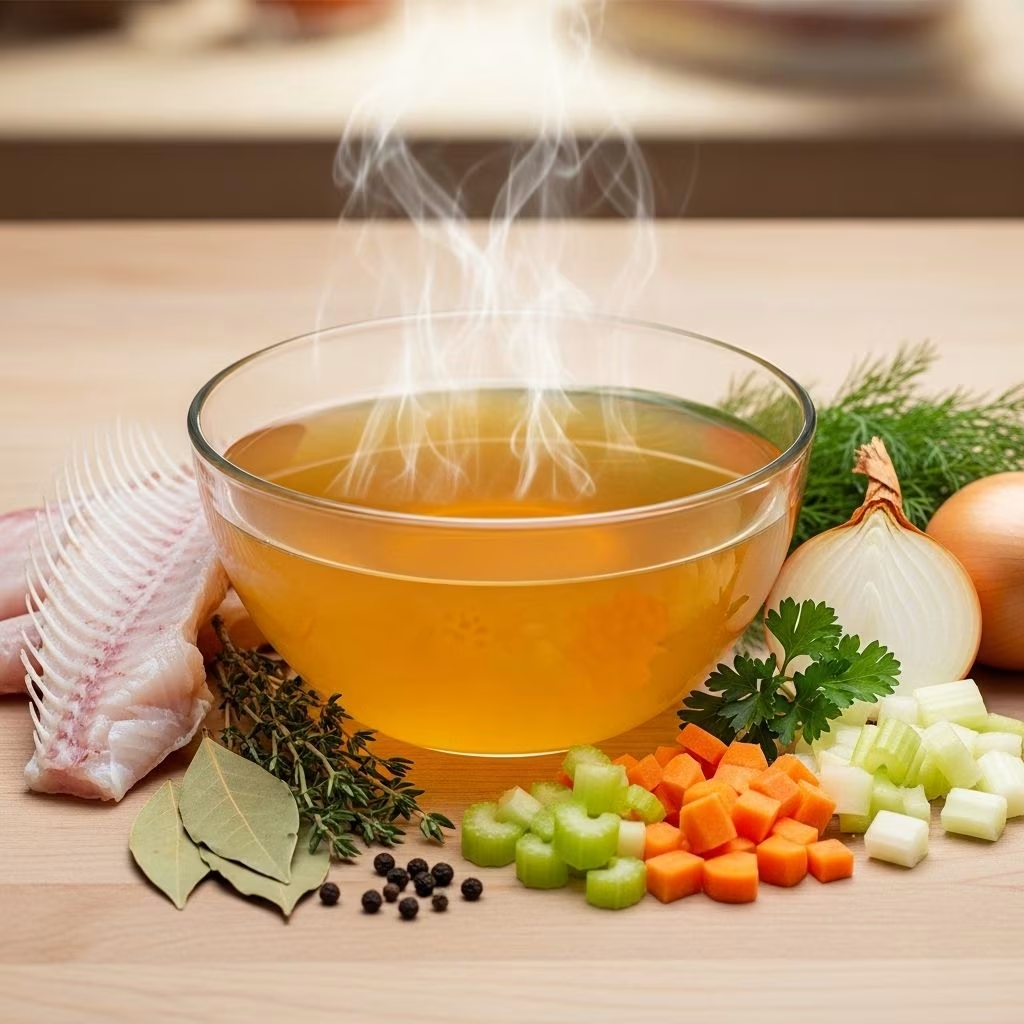
Fish fumet, or aromatic fish stock, is a prized element in classic and modern kitchens alike, renowned for its deep, yet delicate flavors and its role as a foundation for many seafood dishes. Beyond flavor, fish fumet also offers nutritional and potential health benefits. Understanding its uses, benefits, appropriate dosage, and possible side effects can help home cooks and health enthusiasts make the most out of this culinary elixir.
What is Fumet (Fish Stock)?
Fumet—a French culinary term meaning “aroma” or “essence”—refers specifically to an intensely aromatic fish stock made by gently simmering the bones and heads of lean, white-fleshed fish with aromatic vegetables, herbs, and sometimes a splash of white wine. The aim is to extract the subtle, delicate flavors of the fish, resulting in a broth that is both concentrated and refined.
- Ingredients: Typically includes fish bones (avoiding oily fish), onions, celery, leeks, carrot, garlic, white wine, water, bay leaves, thyme, parsley stems, and black peppercorns.
- Preparation: Fish and aromatics are simmered for a short time (usually 30–40 minutes) to preserve the delicate nature of fish protein and volatile flavors.
- Difference from Regular Fish Stock: Fumet is generally more concentrated and aromatic than basic fish stock, emphasizing clarity and depth of flavor.
Culinary Uses of Fish Fumet
Fish fumet plays a foundational role in numerous classic and contemporary seafood dishes, sauces, and soups.
- Soups & Stews: Used as a base in chowders, cioppino, bouillabaisse, fish stews, and bisques for added depth and seafood flavor.
- Sauces: Incorporated into seafood sauces, reduction sauces, and creamy preparations to enhance aromatic complexity.
- Risottos & Paellas: A classic ingredient in seafood risotto and paella, where it imparts savory oceanic notes.
- Complementary Ingredient: Added to recipes like fish curry or pad thai, or used to poach seafood, to impart subtle fish essence without overpowering other flavors.
In professional kitchens, fish fumet is often referred to as the ‘liquid gold’ that subtly transforms even a simple dish into a restaurant-quality experience.
Nutritional Profile of Fish Fumet
The nutritional content of fish fumet is influenced by the fish and aromatics used, but as a broth, it is typically low in calories yet rich in trace nutrients leached from bones and vegetables.
| Nutrient (per 1 cup serving) | Amount | % Daily Value (approx.) |
|---|---|---|
| Calories | 12 | ~1% |
| Fat | 1g | 2% |
| Saturated Fat | 0.1g | 1% |
| Sodium | 65mg | 3% |
| Potassium | 24mg | 1% |
| Carbohydrates | 1g | 0% |
| Sugar | 1g | 1% |
| Protein | 1g | 2% |
| Vitamin A | 8 IU | 0% |
| Vitamin C | 1mg | 1% |
| Calcium | 9mg | 1% |
*Values are approximate and may vary based on recipe specifics.*
- Low Calorie: Excellent for those seeking rich flavor without significant calories.
- Minerals: Trace amounts of calcium, potassium, magnesium, and phosphorus from fish bones.
- Protein: Modest amounts of easily digestible protein and amino acids.
- Collagen: When gently simmered, fish stock may provide some collagen and gelatin. However, less collagen compared to animal bone broths.
- Micronutrients: Small amounts of vitamin A, vitamin C, and other micronutrients, depending on added vegetables.
Health Benefits of Fish Fumet
Consuming fish fumet may offer a variety of health benefits. While direct scientific research on fish fumet as a standalone food is limited, its benefits are inferred from its ingredients and nutritional composition:
- Digestive Support: The easily digestible proteins, gelatin, and amino acids in fish stock may support gut health and be soothing for those with sensitive digestion.
- Hydration: Provides hydration, especially when consumed as a clear broth.
- Micronutrient Boost: Supplies trace minerals important for bone health, nerve function, and electrolyte balance.
- Joint and Skin Health: Contains limited collagen and gelatin, which may contribute subtly to joint and skin integrity, though at lower concentrations than meat-based bone broths.
- Low Sodium (When Homemade): If prepared from scratch without excess salt, fish fumet is lower in sodium compared to commercial stocks, making it suitable for sodium-sensitive individuals.
- Aids in Culinary Dietary Goals: Adds flavor without added fat or artificial ingredients, beneficial for health-conscious cooking.
How It Compares: Fish Fumet vs. Other Stocks
| Type | Flavor | Main Nutrients | Culinary Use |
|---|---|---|---|
| Fish Fumet | Delicate, aromatic, oceanic | Trace minerals, light protein | Seafood dishes, risotto, sauces |
| Chicken Stock | Savory, hearty | Protein, collagen | Soups, sauces, stews |
| Beef Stock | Rich, robust | Collagen, iron | Braises, gravies, stews |
| Vegetable Stock | Earthy, subtle | Micronutrients | Vegetarian/vegan dishes |
Recommended Dosage and Safe Use
Fish fumet is primarily a culinary ingredient, and there is no standardized “dosage” in the medical sense. However, understanding typical serving amounts and best practices ensures optimal benefits and safe use:
- Typical Culinary Serving: 1/2 to 1 cup per serving in soups or sauces, adjusted to recipe requirements.
- As a Drink or Broth: Up to 1–2 cups per day is generally considered safe for healthy adults.
- Special Considerations: Those on sodium-restricted diets should monitor seasoning or use unsalted homemade versions.
- Allergen Awareness: Anyone with fish allergies must avoid fish fumet entirely.
Consuming moderate amounts as part of a balanced diet is considered safe for most people, barring allergies or specific medical restrictions.
Potential Side Effects and Concerns
Fish fumet, when prepared and consumed properly, is generally safe. However, certain risks and side effects should be considered:
- Fish Allergies: As fumet is made strictly from fish, it can cause severe reactions in individuals with fish allergies.
- Sodium Content: Commercial or heavily salted fumet may be high in sodium, posing risks for hypertension or cardiovascular disease. Homemade stock allows control over salt levels.
- Food Safety: Being highly perishable, fish fumet must be cooled promptly and used within 3–4 days refrigerated, or frozen for up to two months.
- Heavy Metals & Contaminants: Fish bones may contain trace amounts of mercury or other contaminants depending on the fish source. Using sustainably sourced, low-mercury species minimizes this risk.
Preparation and Storage Tips
Proper preparation and storage are essential for food safety and optimal flavor.
- Best Fish Types: Use non-oily, white-fleshed fish such as turbot, bass, perch, tilefish, walleye, or trout. Avoid oily fish, as they can impart bitterness and cloudiness.
- Avoid Strong or Overpowering Vegetables: Onions, carrots, celery, leeks, and garlic in moderation; too many will overshadow delicate fish flavors.
- Short Simmering Time: 20–40 minutes is ideal. Overcooking can lead to bitterness and cloudy stock.
- Immediate Cooling & Storage: Strain hot stock and cool rapidly. Store refrigerated for up to 3–4 days, or freeze immediately for up to two months.
- Don’t Boil: Boiling breaks down proteins too aggressively and produces off flavors; always simmer gently.
Basic Fish Fumet Recipe (Summary)
- Sauté aromatics (onion, carrot, celery, leek, garlic) in olive oil until fragrant.
- Add fish bones/heads and deglaze with white wine, then add cold water, herbs, and peppercorns.
- Simmer gently for 30–40 minutes, skimming foam.
- Strain through cheesecloth or a fine-mesh sieve. Cool and store promptly.
Frequently Asked Questions (FAQs)
Is fish fumet healthy?
Yes, when prepared from fresh fish and consumed in moderation, fish fumet is a low-calorie, nutrient-rich addition to the diet, especially useful for those seeking flavor without excess fat or calories.
Can I use oily fish to make fumet?
No. Oily fish (like salmon or mackerel) can create a greasy, murky stock with strong, sometimes unpleasant flavors. Lean, non-oily, white-fleshed fish are ideal.
How long does fish fumet last in the fridge?
Fish fumet should be used within 3–4 days if refrigerated. For longer storage, freeze immediately and use within two months for best flavor and safety.
Is fish fumet suitable for people on sodium-restricted diets?
Only if prepared without added salt or with minimal salt. Many recipes call for salt, but this can be controlled in homemade versions for dietary needs.
What are the dangers of fish fumet?
The primary risks are for individuals with fish allergies, and (if mishandled) risk of spoilage due to its perishability. Also, excessive sodium from commercial broths or poorly sourced fish with contaminants may pose health risks.
Conclusion
Fish fumet stands as a cornerstone of culinary tradition, offering both exquisite flavor and subtle health benefits. By understanding its uses, nutritional benefits, safest ways to prepare and enjoy, and potential side effects, home cooks and chefs alike can harness the full power of this delicate broth. Always opt for fresh, quality fish and proper handling for a safe and flavorful experience.
References
- https://thechefscookingschool.com/recipes/fish-fumet/
- https://bricco.com/what-is-fish-fumet/
- https://ansonmills.com/recipes/522
- https://www.cookinghub.com/recipe-ingredient/fish-stock/
- https://onlineculinaryschool.net/fish-stock/
- https://www.masterclass.com/articles/how-to-make-fish-stock
- https://www.donrockwell.com/topic/26567-fumet-fish-stock-made-with-bones-aromatics-and-white-wine/


