


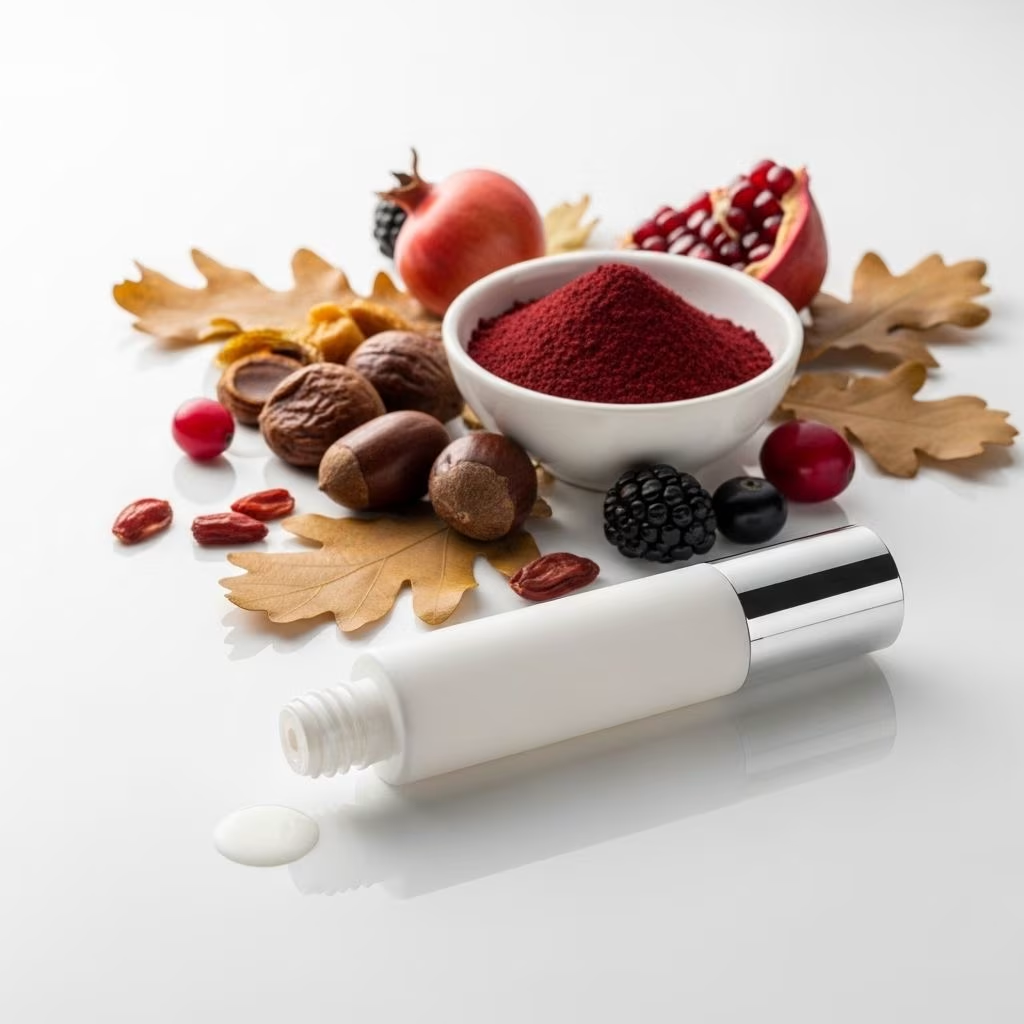
Gallic acid—a powerful natural phenolic compound found in diverse botanical sources—has become a sought-after ingredient in modern skincare for its robust antioxidant, anti-inflammatory, and skin-brightening properties. This guide explores its scientific background, mechanisms of action, uses in cosmetics, potential side effects, and practical tips for incorporating gallic acid safely and effectively into your skincare routine.
Gallic Acid Overview: Structure & Natural Sources
Gallic acid (3,4,5-trihydroxybenzoic acid) is a phenolic phytochemical discovered in a wide range of plants, including grapes, witch hazel, oak, sumac, and rose petals. It is widely studied for its pharmacological activities, including antioxidant, anti-inflammatory, antibacterial, and anticancer properties. Gallic acid is often present as a free molecule or as part of larger tannins and is typically extracted via hydrolysis of tannic acid.
- Chemical Structure: Composed of three hydroxyl groups attached to a benzoic acid core.
- Natural Sources:
- Grapeseed extract
- Rose petals
- Sumac berries
- Oak bark
- Witch hazel
Its ubiquity in plant life and role in plant defense make gallic acid a safe, eco-friendly option for cosmetic formulations, with generally low systemic toxicity and approval under USFDA’s GRAS (Generally Recognized As Safe) classification for food and cosmetic use.
Key Skin Benefits of Gallic Acid
Gallic acid delivers multiple skin health benefits, making it valuable for a broad spectrum of cosmetic applications and clinical therapies. Its main advantages stem from its molecular ability to protect, brighten, and soothe the skin.
- Antioxidant Action: Neutralizes free radicals, reducing oxidative damage that leads to premature aging, wrinkles, and loss of skin firmness.
- Anti-Inflammatory Effects: Calms skin redness, swelling, and irritation—especially useful for sensitive or acne-prone complexions.
- Skin Brightening: Inhibits melanin production and reduces the appearance of dark spots, hyperpigmentation, and uneven skin tone.
- Antimicrobial Properties: Protects skin from bacteria and microbes, reducing the risk of acne breakouts and supporting wound healing.
- Hydration & Barrier Support: Some formulations, especially when combined with other ingredients like alpha arbutin, provide deep hydration and promote a healthy skin barrier.
- Accelerated Wound Healing: Nanocrystal-based gallic acid formulations can boost tissue repair and minimize scar formation.
- Improved Skin Texture: Promotes smoother, more supple skin by targeting roughness and supporting regenerative processes.
Comparative Benefits Table
| Benefit | Mechanism | Best For |
|---|---|---|
| Antioxidant | Scavenges free radicals | Aging, sun-exposed skin |
| Anti-inflammatory | Inhibits inflammatory mediators | Acne-prone, sensitive skin |
| Brightening | Blocks melanin synthesis & transfer | Hyperpigmentation, melasma |
| Antibacterial | Kills or inhibits bacteria | Wound healing, acne |
| Hydrating | Supports moisture retention & barrier | Dry, compromised skin |
Uses of Gallic Acid in Skin Care
Gallic acid is incorporated into skincare regimens as an active ingredient in serums, creams, lotions, masks, toners, and topical medical dressings. Its versatility spans both OTC beauty formulations and clinical treatments for dermatological disorders.
- Skin Lightening & Brightening:
- Reduces hyperpigmentation and dark spots via tyrosinase inhibition.
- Used in products targeting melasma, post-inflammatory hyperpigmentation, and uneven tone.
- Anti-Aging:
- Combats signs of aging, including fine lines, wrinkles, and loss of elasticity by neutralizing oxidative damage.
- Formulated in creams for mature or photo-aged skin.
- Sensitive Skin Solutions:
- Gentle alternatives to hydroquinone and retinoids for individuals with reactive or easily irritated skin.
- Common in hypoallergenic and dermatologist-tested products.
- Wound Healing and Repair:
- Promotes tissue regeneration and minimizes scarring, particularly in hydrogel dressings using gallic acid nanocrystals.
- Acne and Bacterial Defense:
- Prevents acne by targeting acne-causing bacteria and reducing inflammation.
- Barrier Enhancement and Hydration:
- Supports the skin barrier, reduces trans-epidermal water loss, and provides lasting hydration.
Beyond cosmetic use, gallic acid has also been studied as a safe alternative to topical corticosteroids for conditions like atopic dermatitis and chronic inflammation, though more research is needed for standardized protocols.
Gallic Acid Derivatives & Formulations
Gallic acid’s chemical properties—namely, poor water solubility and susceptibility to degradation—have led to innovation in formula chemistry. Derivatives and advanced delivery methods are often employed to maximize its bioavailability and therapeutic index.
Common Gallic Acid Derivatives
- Diglucosyl Gallic Acid (DGA):
- Gallic acid attached to glucose molecules for increased stability.
- Activated by the skin microbiome; gradually converted to active Trihydroxy Benzoic Acid for enhanced brightening and anti-inflammatory effects.
- Frequently used in serums, creams, and spot treatments targeting sensitive skin and hyperpigmentation.
- Gallates (Esters):
- Lipid-soluble phenol esters that penetrate deeper layers and may be used as antioxidants in cosmetic and medical applications.
- Nanocrystal Formulations:
- Nanotechnology improves gallic acid solubility, controlled-release, and wound healing efficacy.
- Hydrogel dressings with gallic acid nanocrystals demonstrate strong antibacterial, antioxidant, and regenerative properties.
These advancements enable longer shelf life, improved efficacy, and reduced risk of irritation or allergic response compared to pure, unmodified gallic acid.
How Does Gallic Acid Work on Skin?
Gallic acid’s impact on skin health results from its multi-modal biochemical interactions.
- Antioxidant Mechanism: The molecule donates electrons to neutralize free radicals generated by UV exposure, pollution, and metabolic stress, preventing lipid peroxidation and collagen breakdown.
- Anti-Inflammatory Pathways: Gallic acid suppresses inflammatory enzymes and cytokines, including NF-kB and COX-2, leading to reduced swelling and redness.
- Tyrosinase Inhibition: By inhibiting the enzyme responsible for melanin synthesis, gallic acid and its derivatives reduce excessive pigmentation while promoting uniform tone.
- Microbiome Activation: Diglucosyl gallic acid is uniquely activated by the skin’s natural microbiome, allowing for gradual conversion and reducing abrupt irritation, especially in sensitive skin.
- Antibacterial Action: Disrupts bacterial membranes, helping reduce colonization by acne-causing microbes and pathogens in wounds.
Potential Side Effects & Safety Considerations
Gallic acid is generally regarded as safe for topical use, with rare reports of adverse reactions in human studies. Most individuals tolerate gallic acid and its derivatives well, especially when compared to more aggressive skin-lightening agents like hydroquinone. However, there are safety considerations to be aware of, particularly for those with very sensitive or allergy-prone skin.
- Allergic Contact Dermatitis: Isolated cases of contact allergies and sensitivity to gallic esters have been documented, often linked to pre-existing sensitivities or extended exposure.
- Potential for Irritation: High concentrations or improperly formulated products may cause mild redness, tingling, or irritation.
- Photoreactivity: While rare, some users may experience increased sensitivity to sun when using gallic acid-based products. Broad-spectrum sunscreen is recommended as a precaution.
- Poor Water Solubility: Unmodified gallic acid has limited skin absorption; advanced formulations are necessary for optimal results and reduced side effects.
Best Practices for Safety:
- Conduct a patch test prior to widespread use, especially if you have a history of allergic reactions or sensitive skin.
- Use products as directed by labels or dermatologists, avoiding excessive frequency or quantity.
- If you experience persistent irritation, discontinue use immediately and consult a healthcare professional.
Frequently Asked Questions (FAQs)
Q: What skin types benefit most from gallic acid?
A: All skin types can benefit, with particular advantages for sensitive, acne-prone, mature, and hyperpigmented skin.
Q: Is gallic acid better than vitamin C or other antioxidants?
A: Both gallic acid and vitamin C are potent antioxidants. Gallic acid’s unique advantage lies in its dual anti-inflammatory and skin-brightening capabilities, and its greater tolerability for sensitive skin.
Q: Can gallic acid be used with other actives?
A: Yes, gallic acid is often combined with ingredients like alpha arbutin, niacinamide, and hydrating agents to enhance skin benefits and stability.
Q: Are there any prescription drugs or conditions that conflict with gallic acid?
A: There are no widely reported topical medication interactions, but always check with a healthcare provider before combining with prescription dermatology products. Oral gallic acid supplementation should be discussed with a physician for those with underlying health conditions.
Q: Can gallic acid help with scars and wound healing?
A: Yes, nanocrystal hydrogel formulations have demonstrated increased wound-healing speed and minimized scar formation in preclinical studies.
Conclusion & Best Practices
Gallic acid represents an innovative, science-supported path to healthier, brighter, and more resilient skin. With proven antioxidant, anti-inflammatory, brightening, and anti-microbial activities, it is an excellent choice for addressing signs of aging, hyperpigmentation, inflammation, and even wound care. Modern cosmetic chemistry—using derivatives like diglucosyl gallic acid and nanocrystal technology—has improved stability, solubility, and safety, making gallic acid a versatile option across skin types, especially sensitive skin.
- Start with low concentrations and patch testing.
- Choose reputable formulas with advanced delivery systems for maximum efficacy.
- Consult professionals if combining gallic acid with prescription topicals.
- Always pair with daily sun protection for optimal safety and results.
Harnessed correctly, gallic acid and its derivatives unlock a new era in skincare focused on visible results without the risk of harsh irritation—bringing together the best of nature and biotech innovation for lasting skin health.
References
- https://juicychemistry.com/blogs/general/unlock-better-skin-with-d-gallic-acid-a-biotech-forward-ingredient-nbsp
- https://skintypesolutions.com/blogs/skincare/gallic-acid
- https://111skin.com/en-us/blogs/111journal/diglucosyl-gallic-acid-in-skincare
- https://pubmed.ncbi.nlm.nih.gov/30657034/
- https://www.dovepress.com/gallic-acid-nanocrystal-hydrogel-a-novel-strategy-for-promoting-wound–peer-reviewed-fulltext-article-IJN


