


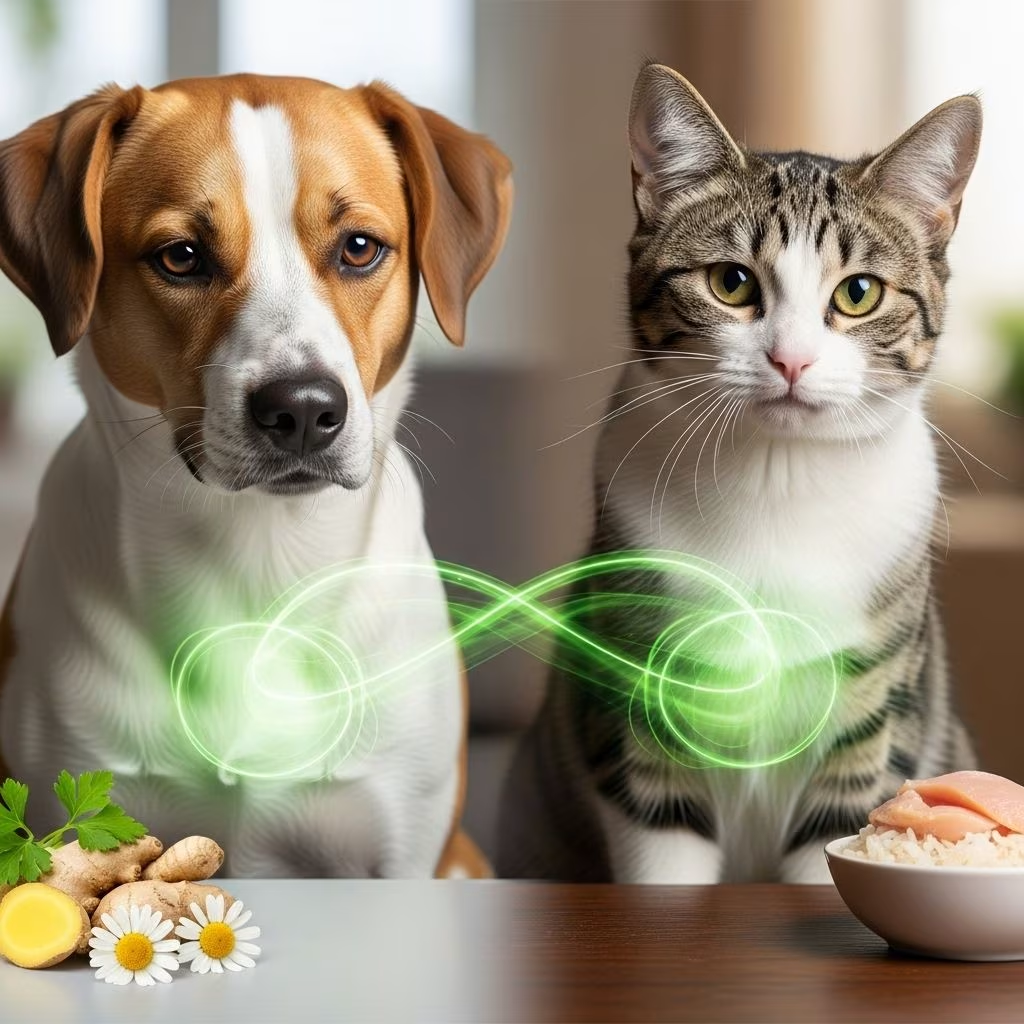
Acid Reflux (GERD) in Dogs and Cats: Natural Care, Causes, Symptoms, and Treatment
Gastroesophageal Reflux Disease (GERD), more commonly referred to as acid reflux, is not just a human concern. Dogs and cats can also suffer from this often uncomfortable and potentially harmful condition. Understanding the causes, recognizing the symptoms, and exploring both conventional and natural care strategies are essential for improving your pet’s health and quality of life. This comprehensive guide delves into the underlying mechanisms, diagnostic methods, mainstream and alternative treatments, as well as practical tips for ongoing management and prevention.
What is Acid Reflux (GERD)?
Acid reflux in pets, also termed gastroesophageal reflux disease (GERD), occurs when the stomach contents, including gastric acid, flow backward from the stomach into the esophagus. The esophagus is the muscular tube connecting the mouth to the stomach. Normally, the lower esophageal sphincter (LES) acts as a barrier preventing this reflux. If the LES is weakened or relaxed, it allows acidic stomach contents to escape, causing irritation and inflammation of the esophageal lining, a condition known as esophagitis.
What Causes Acid Reflux in Dogs and Cats?
Understanding why GERD occurs is crucial for both treatment and prevention. The following are common triggers and risk factors:
- Weakening or Damage to LES: Impaired sphincter muscle function is the primary cause of reflux, allowing acidic content to escape.
- Dietary Factors: Diets high in fat or certain proteins can overstimulate gastric acid production and weaken the LES.
- Anatomical Abnormalities: Conditions such as hiatal hernias or congenital defects may predispose pets to GERD.
- Obesity or Overweight: Excess weight increases intra-abdominal pressure, leading to reflux episodes.
- Reaction to Anesthesia: Anesthetic procedures can temporarily relax the LES, making reflux during or after surgery more likely.
- Other Illnesses: Concurrent GI diseases (e.g., gastritis, inflammatory bowel disease) or medications that relax smooth muscle may contribute to acid reflux.
- Breed Predisposition: Brachycephalic breeds (e.g., Bulldogs, Pugs) are more vulnerable due to anatomical features.
- Food Intolerances or Allergies: Certain ingredients may provoke inflammation, increasing GERD likelihood in sensitive pets.
Symptoms and Signs of GERD in Pets
The signs of acid reflux in dogs and cats can be subtle or dramatic. Early recognition is key to preventing complications such as esophageal ulcers or aspiration pneumonia. Main symptoms include:
- Lip licking or air licking
- Frequent swallowing (empty or exaggerated)
- Vomiting or regurgitation (especially of bile)
- Retching, gagging, or burping
- Change in appetite (often decreased, but sometimes increased)
- Painful swallowing (whining, reluctance to eat)
- Bad breath (not explained by dental disease)
- Grinding teeth or jaw snapping
- Coughing, wheezing, or laryngitis
- Reluctance to move; restless pacing or hunched posture
- Lethargy or withdrawal
- Weight loss or poor body condition
- Blood in regurgitated material (esophageal ulceration)
- Complications: Aspiration pneumonia, esophageal stricture (scarring or narrowing), chronic inflammation.
Diagnosis: How GERD is Identified
If your dog or cat is showing possible signs of GERD, veterinary diagnosis is essential for both confirmation and strategic treatment. Common diagnostic steps include:
- Clinical Evaluation: The veterinarian assesses history and symptoms, and performs a thorough physical examination.
- Imaging: Chest or abdominal X-rays may reveal anatomical causes (hernia, mass), or aspiration complications.
- Endoscopy (Esophagoscopy): A flexible camera allows direct visualization of esophageal tissue, identifying inflammation or ulceration.
- Fluoroscopy: Specialized moving X-ray shows swallowing and reflux in real time.
- Blood and Urine Analysis: Rule out other concurrent diseases.
- Response to Treatment: Sometimes, a trial of dietary or medication interventions may be used diagnostically if other tests are inconclusive.
Conventional Veterinary Treatments
Veterinary management of GERD typically involves a multi-faceted approach to both reduce acidity, enhance esophageal protection, and address underlying causes. The following options are frequently used:
Medications Commonly Prescribed
- Antacids: Medications like famotidine (Pepcid®), cimetidine (Tagamet®), ranitidine (Zantac®), and omeprazole (Prilosec®) decrease gastric acidity, reducing esophageal irritation.
- Prokinetic Agents: Drugs such as cisapride or metoclopramide strengthen the lower esophageal sphincter and improve the movement of stomach contents, minimizing reflux.
- Protective Agents: Sucralfate (Carafate®) is used to coat the esophageal lining, protecting it from acid while it heals.
- Antibiotics & Supportive Care: If secondary infections or aspiration pneumonia develop, antibiotics, IV fluids, anti-nausea, and pain medications may be needed.
Dietary Adjustments
- Low-fat, low-protein diets are routinely recommended to decrease stomach acid production and support healing.
- Feeding small, frequent meals (instead of large, infrequent meals) reduces stomach pressure and reflux episodes.
- Avoidance of high-fat treats and human foods is critical to prevent recurrence.
- Prescription diets formulated specifically for sensitive stomachs or GI issues may be necessary in severe cases.
Surgical Correction
If anatomical defects such as a hiatal hernia are detected, surgical intervention may be considered to resolve the underlying issue.
Long-Term Monitoring
- Ongoing monitoring and occasional medical adjustment may be required, as GERD is a chronic and sometimes relapsing condition.
- Prompt attention to flare-ups and adjustment of diet or medication helps prevent damage and complications.
Natural and Holistic Approaches
Many caregivers seek to complement or minimize medication with natural remedies and lifestyle support. Important: Always consult your veterinarian before starting any new remedy, as even natural options may interact with medications or be inappropriate for certain health conditions.
Natural Support for GERD
- Gentle, Easily Digestible Diet: Prepare diets using whole, gently cooked ingredients to ease digestion.
- Add Moisture: Hydrate foods with broth or water to facilitate stomach emptying.
- Herbs: Options such as slippery elm, marshmallow root, and licorice root are known for their soothing and mucilaginous properties. They may help form a protective layer in the esophagus and reduce irritation (under veterinary supervision).
- Prebiotics & Probiotics: Support healthy GI flora and improved digestion, potentially stabilizing stomach acid production.
- Digestive Enzymes: Supplemental enzymes may help if your pet has trouble breaking down food naturally, reducing overall GI strain.
- Avoid Food Triggers: Exclude processed foods, artificial additives, and common allergens such as certain grains or dairy products.
Lifestyle and Environment
- Upright Feeding: Elevating food and water bowls can help reduce reflux episodes for some pets, especially those with anatomical risk factors.
- Post-Meal Rest: Limit vigorous activity for at least 30 minutes after feeding.
- Weight Control: Maintain healthy weight to minimize abdominal pressure and reflux.
- Reduce Stress: Stress and anxiety can worsen digestive distress. Provide a calm, predictable environment for your pet.
Dietary Management & Prevention Tips
Diet plays a vital role in preventing acid reflux and supporting GI healing. Consider the following when formulating a plan:
- Choose Low-Fat, Low-Protein Foods: High fat and, in some cases, high protein, can both trigger excessive gastric acid; stick to lean meats and cooked vegetables.
- Smaller, More Frequent Meals: Instead of one or two large meals, try dividing the day’s food into 3–4 portions.
- Avoid All Table Scraps, Spices, and Rich Treats: Many common human foods can exacerbate reflux.
- Hydration: Ensure pets always have access to fresh water, which dilutes stomach acid.
- Monitor for Allergic Reactions: Watch for recurring symptoms after introducing new foods. If symptoms worsen, stop the addition and consult your vet.
| GERD-Friendly | To Avoid |
|---|---|
| Lean poultry (chicken, turkey) | Fatty meats (lamb, pork, beef trimmings) |
| Well-cooked pumpkin, carrot | Spicy or seasoned foods |
| White rice, oatmeal | Rich dairy, cheese, or cream |
| Bone broth (unsalted) | Table scraps and processed treats |
| Small, moist portions | Large, dry kibble meals |
Frequently Asked Questions (FAQs)
Q: What is the difference between acid reflux and vomiting in pets?
A: Acid reflux/regurgitation happens suddenly and often without warning (fluid or undigested food flows up passively), while vomiting is an active process involving abdominal contractions, retching, and expulsion of stomach contents.
Q: Can puppies and kittens get acid reflux?
A: Yes, while more common in adult pets, GERD can also occur in puppies and kittens—especially after anesthesia or if they have congenital anatomical issues.
Q: Are there long-term effects if GERD is left untreated?
A: Yes; chronic reflux may cause ulcers, strictures (narrowing of the esophagus), pain, poor nutrition, or even life-threatening aspiration pneumonia.
Q: Is it safe to give human antacids to dogs or cats?
A: Never administer human medications unless prescribed by your vet. Dosages and formulations differ, and some products can be toxic to pets.
Q: What natural supplements help with GERD?
A: Slippery elm, marshmallow root, licorice root, and canine-appropriate probiotics are popular natural supports, but always consult your vet first for proper use and safety.
Q: How soon can my pet recover after starting treatment?
A: Some pets improve within days of dietary changes and medication. Healing of severe tissue damage or ulceration, however, may take weeks to months, requiring diligent management and follow-up monitoring.
Summary Tips for Owners
- Monitor your pet for subtle changes in eating, swallowing, or comfort—early action prevents complications.
- Work closely with your veterinarian to tailor both medical and natural interventions.
- Stick to GERD-friendly foods and avoid triggers.
- Keep your pet’s weight in a healthy range for their age and breed.
- Re-evaluate diet and environment for new foods, medications, or stressors if symptoms reappear.
With knowledge and attentive care, most pets with GERD can lead happy, comfortable lives. By blending conventional medicine with thoughtful natural strategies, pet owners have a powerful toolbox for managing acid reflux and fostering long-term wellness in their canine or feline companions.
References
- https://vcahospitals.com/know-your-pet/gastroesophageal-reflux-disease-gerd-in-nonbrachycephalic-dogs
- https://www.petmd.com/dog/conditions/digestive/c_multi_gastroesophageal_reflux
- https://www.allivet.com/blog/preventing-gerd-in-dogs-and-cats/
- https://www.dogsnaturallymagazine.com/acid-reflux-in-dogs/
- https://foodguides.com/blogs/from-the-experts/exploring-acid-reflux-in-pets-signs-causes-and-remedies
- https://wagwalking.com/cat/condition/acid-reflux
- https://www.compoundingpharmacyirvine.com/acid-reflux-dogs-cats/
- https://www.dvm360.com/view/recognizing-and-treating-esophageal-disorders-dogs-and-cats
- https://www.merckvetmanual.com/cat-owners/digestive-disorders-of-cats/disorders-of-the-esophagus-in-cats


