


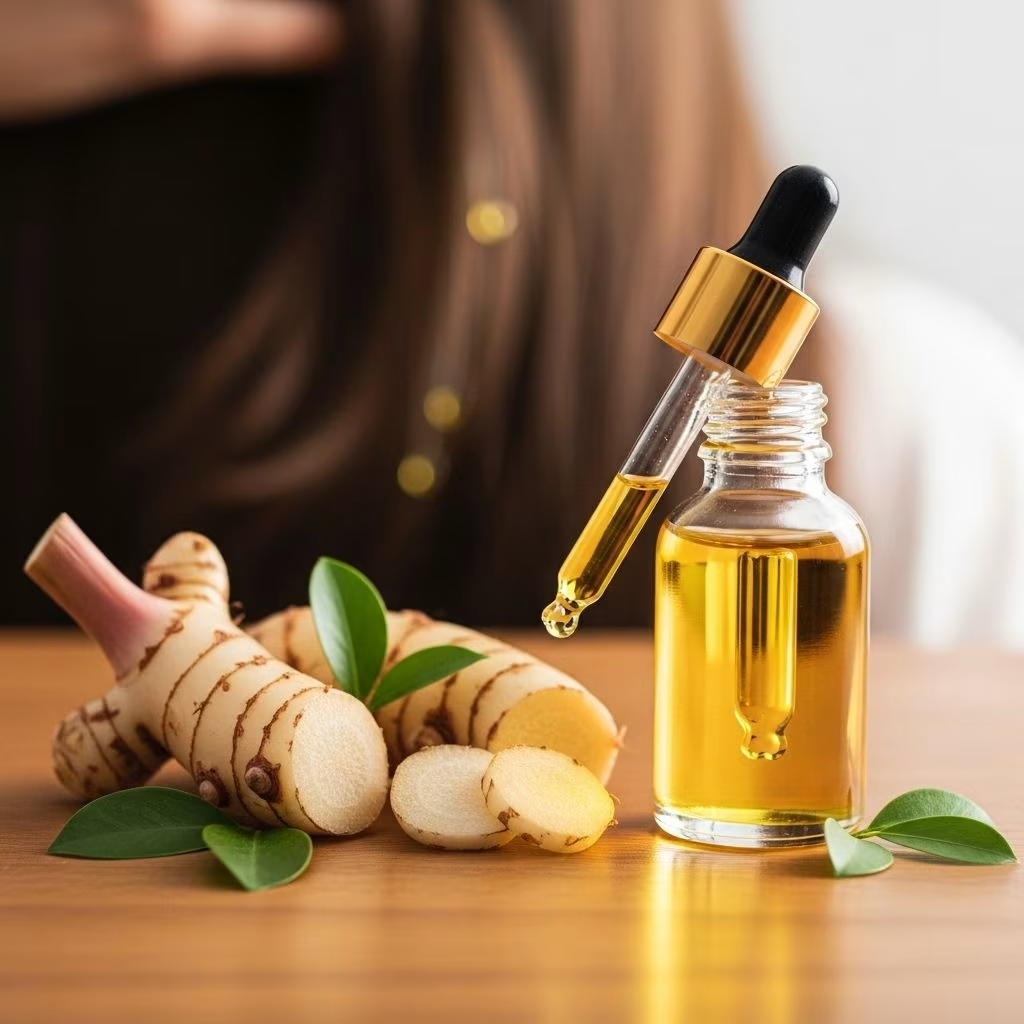
Galangal root oil, derived from the aromatic root Alpinia officinarum, is increasingly recognized in the hair care community for its impressive array of benefits. Traditionally used in Southeast Asian wellness practices, scientific research and natural hair experts now acknowledge galangal root oil’s capability to transform hair health from the roots to the tips. Whether your goals include promoting hair growth, treating scalp issues, or revitalizing dull locks, galangal root oil is a holistic, natural solution. This guide explores its potent hair benefits, step-by-step usage instructions, and expert tips for optimal results.
What Is Galangal Root Oil?
Galangal, often referred to as Thai ginger, is a rhizome from the Zingiberaceae family, native to Southeast Asia. Galangal root oil is extracted via steam distillation of the root, concentrating bioactive compounds known for their therapeutic properties. The oil has a spicy, fresh aroma and is widely used in Ayurveda, traditional Chinese medicine, and increasingly, in natural beauty products for skin and hair care.
Galangal vs. Ginger and Turmeric
| Property | Galangal | Ginger | Turmeric |
|---|---|---|---|
| Color | White to pale yellow | Pale yellow | Bright orange |
| Main Compound | Galangin, Kaempferol | Gingerols, Shogaols | Curcumin |
| Typical Use | Hair & skin care, culinary | Culinary, digestive tonic | Anti-inflammatory, culinary |
Key Nutrients and Active Compounds
Galangal root oil’s effectiveness is driven by a potent blend of nutrients and phytochemicals:
- Flavonoids (e.g., Galangin, Kaempferol): Antioxidant, anti-inflammatory, stimulate cell regeneration
- Essential minerals (Phosphorus, Zinc): Strengthen follicle structure, support healthy scalp
- Vitamin B family (notably B6): Promotes nerve and metabolic health related to the scalp
- Carotenoids: Stimulate keratin production for stronger hair
- Antioxidants: Neutralize free radicals that cause hair and scalp damage
Hair Benefits of Galangal Root Oil
Research and anecdotal use support galangal root oil’s positive effects on multiple dimensions of hair health. The paragraphs below detail its principal benefits for the scalp and strands, with evidence from clinical studies and expert observations.
1. Promotes Hair Growth and Reduces Hair Loss
Galangal root oil is rich in carotenoids and flavonoids that stimulate blood circulation in the scalp. Enhanced blood flow provides hair follicles with increased nutrients and oxygen, supporting healthy hair cycles and potentially encouraging faster, denser growth. A study published by the National Institutes of Health showed that the galangal treatment group maintained a higher number of hair follicles and healthier follicle structures compared to controls. This suggests its ability to preserve and rejuvenate healthy hair roots even under challenging conditions.
- Activates dormant hair follicles
- Reduces thinning and promotes regrowth in sparse areas
- Helps prevent breakage by strengthening follicle walls
2. Soothes Dry Scalp and Treats Dandruff
Dry, itchy scalp and dandruff are persistent issues often caused by fungal overgrowth, bacterial imbalance, or dehydration. Galangal oil’s natural antimicrobial and anti-inflammatory properties help calm irritation, kill the germs responsible for scalp discomfort, and restore optimal skin function. It effectively:
- Reduces flakiness and soothes itchiness
- Disinfects the scalp and prevents recurrence of infection
- Rebalances the scalp’s microbiome
3. Deep Moisturization and Restoration of Hair Structure
The presence of minerals like zinc and phosphorus, along with essential fatty acids, helps fortify hair shafts, making them less prone to breakage, brittleness, and split ends. Regular use of galangal root oil creates a protective coating on hair, locking in moisture and improving shine:
- Prevents excessive shedding by restoring lipids
- Improves elasticity and manageability
- Makes hair look healthier, fuller, and softer
4. Supports Repair from Chemical and Environmental Damage
Hair exposed to coloring, styling, heat, and pollution often becomes dull and fragile. Galangal root oil’s antioxidants (such as galangin and kaempferol) protect hair from oxidative stress induced by UV light and environmental aggressors. Consistent use may help reverse signs of damage and shield hair from further harm.
5. Potential to Prevent Premature Graying
Some evidence suggests that the antioxidant action and micronutrients in galangal root oil may slow down the graying process by neutralizing free radicals and supporting melanin production, though more research is required to confirm this effect conclusively.
Summary Table: Galangal Root Oil vs. Other Popular Hair Oils
| Benefit | Galangal Root Oil | Argan Oil | Castor Oil |
|---|---|---|---|
| Stimulates Growth | ✔✔ | ✔ | ✔✔ |
| Anti-dandruff | ✔✔ | ✔ | ✗ |
| Moisturizes | ✔✔ | ✔✔ | ✔ |
| Antioxidant | ✔✔ | ✔ | ✗ |
| Strengthens Roots | ✔✔ | ✔ | ✔✔ |
How to Use Galangal Root Oil for Hair
To fully harness the benefits of galangal root oil, proper application and integration into your hair care routine are essential. Here are recommended methods used by hair experts and trichologists:
1. Scalp Massage Treatment
- Mix 2-4 drops of galangal root oil with a carrier oil such as coconut, jojoba, sweet almond, or apricot oil. Ratio: 1 part galangal oil to 4-5 parts carrier oil.
- Apply the blend directly onto your scalp using gentle, circular motions. Focus on areas prone to thinning or dryness.
- Leave the oil on for at least 30 minutes, or cover with a shower cap and leave overnight for deeper treatment.
- Wash off thoroughly with a mild, sulfate-free shampoo.
2. Boosting Shampoo/Conditioner
- Add a few drops of galangal root oil to your regular shampoo or conditioner before each use.
- Lather and massage into the scalp for 2-3 minutes, then rinse as usual.
3. Leave-In Hair Serum
- Blend 2-3 drops of galangal root oil with a lightweight carrier oil.
- Apply sparingly on damp hair, focusing on split ends and frizz-prone areas. Avoid scalp contact for this method if you have oily roots.
4. Scalp Mask for Intensive Repair
- Make a mask by mixing galangal oil with natural yogurt, aloe vera gel, or honey.
- Apply to the scalp, leave for 30–45 minutes, then shampoo thoroughly.
Tips for Maximizing Results
To get the healthiest, quickest results from galangal root oil, consider these expert tips:
- Perform a patch test to check for skin sensitivities before first use.
- Start with 1–2 treatments per week, gradually increasing based on scalp response.
- Enhance effects by mixing with other hair-nourishing essential oils like rosemary, tea tree, or peppermint.
- Use a shower cap or warm towel wrap during deep treatments to improve absorption.
- Avoid excessive use if you have oily or sensitive scalps; galangal is potent and best used diluted.
Potential Side Effects and Precautions
Galangal root oil is generally well tolerated in topical applications when diluted, but some users may experience reactions such as:
- Irritation or redness, especially with undiluted oil
- Allergic reactions in sensitive individuals
- Should be avoided on open wounds, inflamed skin, or by those allergic to ginger or related plants
Best Practices:
- Always dilute galangal oil before applying to skin or scalp.
- Discontinue use immediately if any adverse effects occur.
- If you are pregnant, breastfeeding, or have pre-existing health conditions, consult a dermatologist or healthcare provider before adding galangal root oil to your regime.
Frequently Asked Questions (FAQs)
Q: Can galangal root oil help with severe hair loss or alopecia?
A: Current research suggests galangal root oil supports scalp health and promotes hair growth by stimulating blood flow and providing nutrients. However, for clinical conditions like alopecia, it is best used as a complementary therapy alongside medical advice and not as a sole treatment.
Q: How often should I use galangal root oil for best results?
A: For most hair types, 1–2 times a week is both safe and effective. Overuse may lead to scalp irritation, so always dilute and monitor your scalp’s response.
Q: Is it safe to leave galangal root oil on overnight?
A: Yes, diluted galangal root oil can be left overnight for deep conditioning, provided there is no irritation. Use a shower cap to avoid staining bedding.
Q: Can I use galangal oil alongside other hair products?
A: Absolutely. Galangal oil pairs well with most carrier oils and hair masks. Avoid mixing with strong medicated treatments unless advised by a dermatologist.
Q: Will galangal root oil change my hair color or texture?
A: Galangal root oil is not known to alter natural hair color. It may improve texture by increasing smoothness and manageability, especially in dry or damaged hair.
Conclusion
Galangal root oil offers a powerful, multifaceted solution for common hair concerns—ranging from hair loss and thinning, to scalp irritation, dryness, and environmental damage. By leveraging its unique blend of antioxidants, minerals, and plant compounds, galangal oil can significantly improve the health and appearance of your hair when used properly and consistently. Always remember to follow best practices for dilution, frequency, and patch testing. Integrating galangal root oil into a well-rounded hair care regimen, alongside a balanced diet and healthy lifestyle, can help you achieve a fuller, more vibrant head of hair—rooted in nature and supported by science.
References
- https://www.trustedhealthproducts.com/blogs/skin-care/galangal-oil-hair-skin-health-benefits
- https://www.godigit.com/nutrition/benefits-of-galangal
- https://pmc.ncbi.nlm.nih.gov/articles/PMC10443162/
- https://www.clinikally.com/blogs/news/galanga-the-ancient-botanical-secret-for-youthful-skin
- https://www.thejoint.com/texas/san-antonio/alon-town-centre-28063/328683-health-benefits-galangal
- https://www.healthline.com/nutrition/galangal-root
- https://www.juaraskincare.com/blogs/juara-blog/galangal-benefits
- https://pmc.ncbi.nlm.nih.gov/articles/PMC8560697/


