


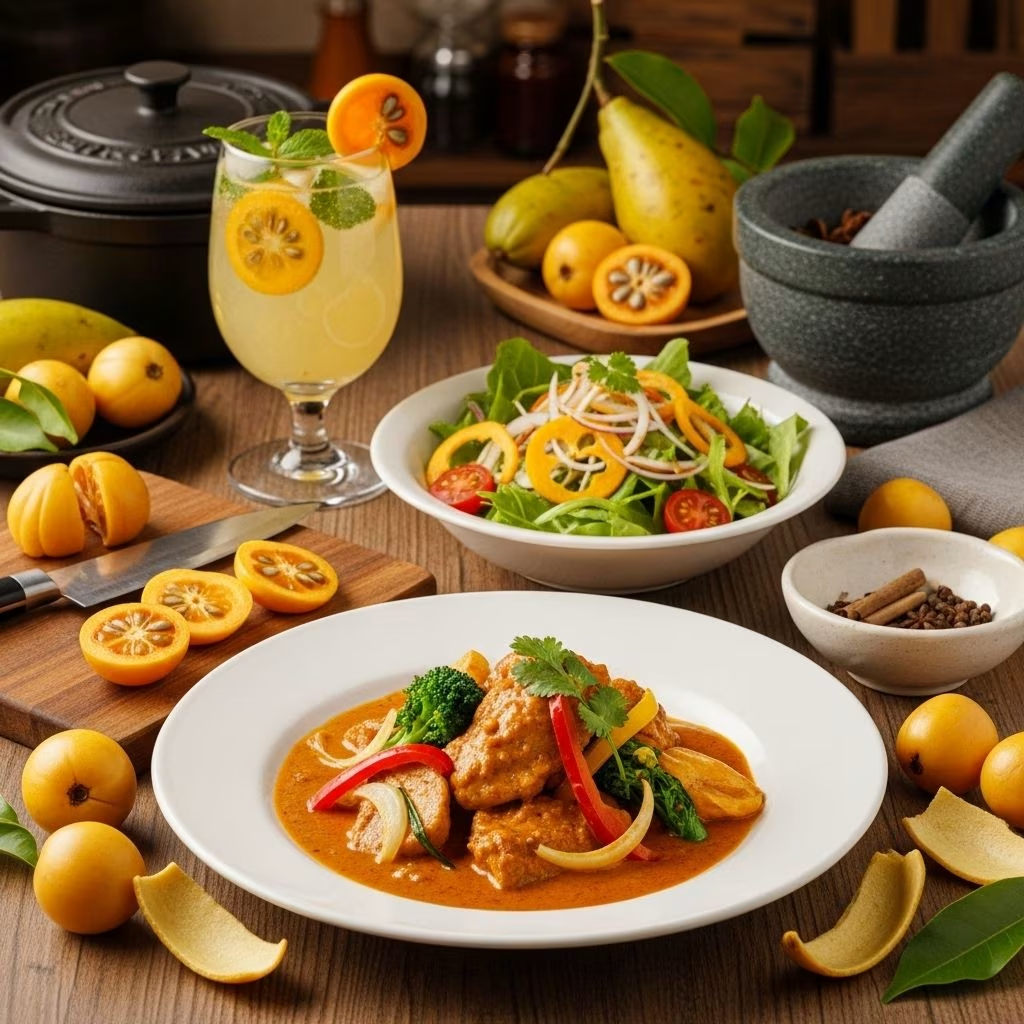
Introduction to Gamboge Fruit
Gamboge fruit, also known as Garcinia cambogia or simply kokum in various cuisines, is prized for its sharp, tangy flavor, which lends a delightful sourness to savory and sweet dishes. Native to Southeast Asia and southwestern India, gamboge has long been valued for both its culinary and medicinal properties. Its deep reddish or purple exterior hides an intensely sour pulp used primarily in curries, stews, and tart drinks.
When properly prepared and cooked, gamboge can elevate simple recipes into flavor-packed creations. This guide explores the best ways to cook gamboge, presenting classic, fusion, and regional recipes that celebrate its unique taste.
Culinary Overview: Uses & Flavors
- Flavor Profile: Highly acidic, fruity, slightly astringent, with earthy undertones.
- Traditional Uses: Added to fish and vegetable curries in Kerala and coastal Indian cuisines, used in refreshing beverages, and incorporated in stews across West Africa.
- Contemporary Applications: Gamboge is increasingly found in global fusion recipes—used in vegan, vegetarian, and seafood dishes for bold flavor.
The sourness of gamboge fruit is similar to tamarind but delivers a more nuanced bitterness balanced by its fruity aroma. It is often used as a natural alternative to vinegar or lemon in tropical recipes.
How to Prepare Gamboge Fruit
- Selection: Choose dried gamboge fruit for cooking—it should be deeply colored and pliable, not brittle.
- Washing: Rinse thoroughly to remove dust or residue.
- Soaking: Soak gamboge in hot water (½ cup per handful) for 10-15 minutes before use. This softens the flesh and releases its tangy essence.
Tip: Reserve the soaking water—it contains essential flavor for your dish.
Fresh gamboge is rare outside its native region, but both dried and brined formats are equally flavorful in cooked recipes.
Classic Kerala Gamboge Curry Recipe
This traditional Kerala-style gamboge curry highlights the fruit’s intensity, pairing it with fresh fish and regional spices for a comforting, balanced plate.
Ingredients
- 4–5 dried gamboge pieces
- ½ cup hot water (to soak gamboge)
- 2 tbsp coconut oil
- ½ tsp fenugreek seeds
- ½ tsp fennel seeds
- 4–5 garlic cloves, chopped
- 1 medium onion, chopped
- 2 green chillies, slit
- 1 large tomato, chopped
- Few curry leaves
- 1½ cups rice water or regular water
- 1 tsp coriander powder
- ¼ tsp turmeric powder
- Salt, to taste
- 400g fish fillet, cut into chunks
Instructions
- Wash and soak gamboge in hot water for 10–15 minutes.
- Heat coconut oil in an earthen pot or nonstick pan. Add fenugreek and fennel seeds. Sauté gently until aromatic.
- Add garlic, then onion, green chillies, tomatoes, curry leaves, and salt. Cover, cook for 7–10 minutes, stirring occasionally.
- When onions and tomatoes soften, add coriander and turmeric powders. Stir well.
- Add soaked gamboge with its soaking water and rice water. Bring to a rolling boil, simmer 2–3 minutes.
- Lower heat; add fish pieces. Cover and cook for 10–15 minutes, until fish is tender and flavorful.
- Check seasoning. Serve hot with steamed rice, string hoppers (Nool Puttu), Kerala parotta, or rice pancakes.
Tips for Kerala Gamboge Curry
- Use earthenware pots for an authentic flavor.
- Never char the fenugreek—the bitterness will overpower the curry.
- Rice water adds body and subtle sweetness.
Fusion & Modern Gamboge Recipes
Gamboge’s versatility lends itself to contemporary twists and global fusions. Two popular recipes include tropical slaws and sour sauces for grilled proteins.
Gamboge-Infused Tropical Slaw
- Finely shred 2 cups cabbage, 1 carrot, and 1 mango.
- Soak 2 pieces of gamboge in ¼ cup hot water, then mash into a pulp.
- Mix vegetables with gamboge pulp, 1 tsp honey, and salt.
- Add fresh herbs: mint, coriander, and green chilli for heat.
- Chill for 10 minutes before serving as a side for grilled fish or chicken.
Gamboge Sour Glaze For Grilled Proteins
- Soak and mash 4 pieces of gamboge, combine with 1 tbsp brown sugar, 2 tbsp soy sauce, and ½ tsp finely grated ginger.
- Brush over salmon, chicken, or tofu before grilling.
- Finish with a squeeze of lime and sprinkle of sesame seeds.
Quick Gamboge Drink
- Blend 3 soaked gamboge pieces (with water) with 2 cups chilled water, pinch of salt, and 1 tsp sugar.
- Serve over ice as a tangy refreshment in summer.
West African Palmfruit Stew (with Gamboge Twist)
Palmfruit stew—a celebrated dish in West Africa—gains extra depth and acidity with added gamboge. Traditionally hearty, it brings together assorted meat, fish, and vegetables for a satisfying meal.
Ingredients
- 1 bowl fresh palmfruit, boiled
- 300g mixed fish (fresh, smoked, or dried)
- Beef or cow skin (optional)
- 100g dried snails (optional)
- 3 okra pods, sliced
- 3 small eggplants (aubergine), chopped
- 6 fresh tomatoes
- 6 habanero peppers
- 1 onion, chopped
- 2 pieces dried gamboge, soaked in hot water
- 1 tbsp tomato paste
- 1 cup water
- Salt, to taste
Instructions
- Boil palmfruit until soft, then mash or blend. Set aside.
- Grind tomatoes, habanero, half an onion, and spring onions to a fine paste. Add tomato paste, blend again.
- In a pot, add water, palmfruit pulp, and soaked gamboge. Simmer gently.
- Add fish, meat, dried snails, and ground vegetable paste. Simmer 15–20 minutes.
- Add okra and eggplant; cook until soft and stew thickens.
- Season with salt and additional chili if needed. Serve with steamed rice, yams, or fermented dumplings.
Modern Gamboge Stew Variants
- Substitute palmfruit for coconut milk for a fruity twist.
- Add leafy greens like spinach or collards for extra nutrition.
Essential Tips & Perfect Cooking Techniques
Key Points for Perfect Gamboge Dishes
- Soaking: Always soak dried gamboge; it softens the pulp and releases maximum flavor.
- Layering Flavors: Cook spices at low heat to avoid burning and bitterness.
- Balancing Acidity: Gamboge is intensely sour. Counterbalance with coconut milk, tomato, or sweet elements.
- Texture: For curries, monitor consistency; gamboge can thicken sauces by releasing pectin.
Common Mistakes to Avoid
- Adding gamboge directly without soaking—it remains tough and may have uneven flavor.
- Overcooking fish or vegetables after adding gamboge, which can cause protein breakdown and loss of texture.
Chef’s Secret: Use reserved soaking water in curries and stews for an extra layer of taste.
Serving Suggestions & Pairings
- Kerala Gamboge Curry: Pair with hot steamed rice, pathiri (rice pancakes), string hoppers, or Malabar parotta.
- Gamboge Slaw & Grilled Meats: Serve with grilled seafood, BBQ chicken, or as a fresh side dish for kebabs.
- West African Stew: Present with rice, fufu, yam mash, or fermented corn cakes for full authenticity.
- Drinks: Combine gamboge juice with coconut water, mint, and honey for cooling beverages.
Frequently Asked Questions (FAQs)
Q: What is gamboge fruit, and how is it different from tamarind?
A: Gamboge fruit (Garcinia cambogia) is indigenous to Asia and valued for deep sourness and fruity undertones, while tamarind is more sweet-sour and commonly used as a pulp. Both can be used for souring, but gamboge gives a more subtle bitterness and aroma to curries.
Q: Can I use fresh gamboge fruit instead of dried?
A: Yes, fresh gamboge offers more intense color and taste but should be pitted and sliced before soaking. Dried gamboge is easier to store and standardizes flavor across recipes.
Q: Is gamboge fruit safe for daily cooking?
A: Used in moderate amounts, gamboge is safe and traditionally regarded as beneficial for digestion. Excessive intake may be overly sour or harsh, so balance with other ingredients.
Q: What proteins pair well with gamboge-based dishes?
A: White fish (such as tilapia or cod), chicken, prawns, and plant-based proteins (tofu, tempeh) pair best, absorbing tangy flavors without being overpowered.
Q: How do I adjust the sourness in my gamboge recipe?
A: Remove excess gamboge pieces after boiling, increase sweet or creamy elements (coconut milk, sugar), or dilute with additional water/rice water.
Typical Nutritional Information
| Dish | Calories (per serving) | Protein | Fat | Carbohydrates | Dietary Fiber |
|---|---|---|---|---|---|
| Kerala Gamboge Curry | 210 | 16g | 8g | 18g | 4g |
| Gamboge Slaw | 120 | 2g | 2g | 25g | 7g |
| Palmfruit Stew | 310 | 22g | 13g | 19g | 5g |
Note: calories and macronutrients vary by protein choice and ingredient variation.
Final Thoughts
Gamboge fruit transforms everyday recipes into vibrant, memorable dishes. With careful preparation—soaking, balancing spices, and attention to technique—home cooks can master the art of sour, tangy curries and stews enjoyed across tropical cuisines. Whether using it classically in Kerala fish curry, experimenting with fusion salads, or enriching hearty West African stews, gamboge’s culinary legacy continues to inspire bold, delicious meals.
References
- http://shabscuisine.blogspot.com/2011_05_25_archive.html
- https://panlasangpinoy.com/cansi-recipe-ilonggo-bulalo-and-sinigang-in-one-delicious-soup-dish/
- https://www.youtube.com/watch?v=-4K2xLyiyZY
- https://www.youtube.com/watch?v=nUb687B9xlA
- https://www.floridachef.net/single-post/2014/05/08/gamboge
- https://www.youtube.com/watch?v=eFTiybZOq2s
- https://specialtyproduce.com/produce/Gamboge_Fruit_15575.php
- https://specialtyproduce.com/produce/mangosteen/recipes


