


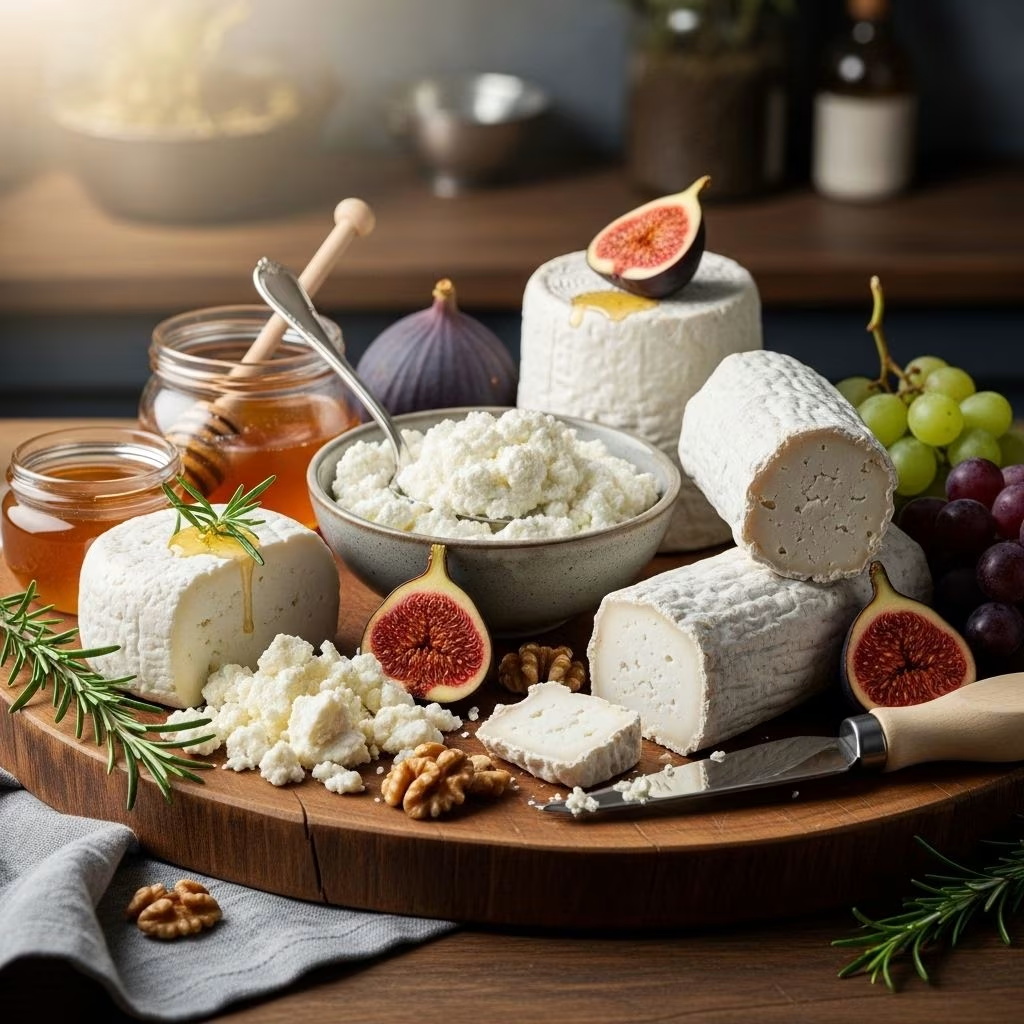
What Is Goat Cheese? Benefits, Uses, and Taste
\n\n
Goat cheese is among the world’s oldest and most treasured cheeses, prized for its distinctive flavor profile, health advantages, and varied culinary applications. With roots stretching back thousands of years, goat cheese—often referred to by its French name, chèvre—is a mainstay in kitchens from farmhouse tables to gourmet restaurants. This guide explores the origins, nutritional value, types, taste, health benefits, and uses of goat cheese, offering a comprehensive perspective for cheese lovers and curious cooks alike.
\n\n
Table of Contents
\n
- \n
- Introduction
- History and Origins
- How Goat Cheese Is Made
- Types of Goat Cheese
- Taste Profile and Texture
- Nutritional Benefits
- Health Advantages
- Culinary Uses
- Pairing Suggestions
- Frequently Asked Questions (FAQs)
\n
\n
\n
\n
\n
\n
\n
\n
\n
\n
\n\n
Introduction to Goat Cheese
\n\n
Goat cheese is cheese made from the milk of goats, characterized by a tangy flavor and wide-ranging textures, from soft and spreadable to firm and crumbly. Its French name, chèvre, simply means \”goat.\” Goat cheese stands apart from other cheeses not only by taste but also by its nutritional profile and digestibility. With a heritage spanning continents and cultures, goat cheese continues to gain popularity among discerning eaters and health-conscious consumers.
\n\n
History and Origins
\n\n
Goats were among the earliest livestock domesticated by humans, with evidence of goat herding stretching back over 10,000 years. Goat cheese itself dates to 5,000 BC, making it one of the oldest prepared foods still eaten today. Goats’ ability to thrive in arid and mountainous regions contributed to the spread of their milk and cheese production throughout Europe, Africa, and the Middle East. The Loire Valley in France is particularly famous for its chèvre, but goat cheese heritage is global.
\n\n
How Goat Cheese Is Made
\n\n
The cheese-making process for goat cheese closely resembles that for other types of cheese, with some distinct characteristics:
\n
- \n
- Milk collection: Goats produce nutrient-rich milk in diverse environments, making them ideal for varied cheese production.
- Curdling: Milk is filtered and a starter (such as rennet or specific starter bacteria) is added to coagulate the milk. Common bacteria used include Lactococcus lactis lactis and Streptococcus thermophilus.
- Separation: The resulting curds are separated from whey, then molded and drained.
- Curing & aging: The cheese is shaped, dried, sometimes flavored, and then cured. Factors like starter type, curd draining time, temperature, and aging duration give the vast array of textures and flavors seen in goat cheese.
\n
\n
\n
\n
\n\n
Techniques may differ significantly between producers, from large commercial dairies to small-batch artisanal farms. Artisanal cheeses often have unique character, reflecting local traditions and the diet of the goats.
\n\n
Types of Goat Cheese
\n\n
There are numerous varieties of goat cheese, categorized by age, texture, and production technique. Some popular types include:
\n
- \n
- Fresh goat cheese (chèvre frais) – Soft, spreadable, usually without a rind. Its flavor is bright, lemony, and tangy.
- Aged goat cheese – Firmer, often crumbly, with more developed flavors, sometimes with natural or waxed rinds. May be coated with ash, herbs, or wrapped in grape leaves.
- Blue goat cheese – Penicillium-style cheeses with blue veins and creamy, pungent flavor.
- White mold goat cheese – Coated with a fluffy white rind like Brie or Camembert.
\n
\n
\n
\n
\n\n
| Type | Texture | Flavor Notes | Typical Uses |
|---|---|---|---|
| Fresh | Creamy, spreadable | Tangy, lemony, mild | Spreading on bread, salads, sauces |
| Aged | Crumbly, firm | Nuttier, deeper, hints of herbs | Crumbled over dishes, cheese boards |
| Blue | Creamy, veined | Pungent, earthy, sharp | Bold cheese plates, steak topping |
| White mold | Creamy | Earthy, mushroom-like | Baked, appetizers |
\n\n
Taste Profile and Texture
\n\n
Goat cheese is renowned for its tart and tangy flavor, sometimes described as \”goaty,\” \”earthy,\” \”waxy,\” or even \”animalic.\” The unique flavor comes from medium-chain fatty acids present in goat’s milk – notably caproic, caprylic, and derivatives like 4-ethyl octanoic acid. These fatty acids, released during the cheese-making process, interact with aroma receptors to produce the unmistakable \”goaty\” taste. Fresh goat cheese tends to have a more pronounced tang, while aged varieties become nutty, creamy, and even herbaceous as complexity builds with time.
\n\n
- \n
- Texture changes widely: fresh is spreadable and soft; aged is crumbly or firm. Rinds may be absent in the freshest cheeses, develop into natural or waxed rinds when aged, or have mold (white or blue).
- Flavor intensity ranges from mild to bold, depending on aging, the goats’ diet, and production techniques. Pairings with herbs, ash, or grape leaves introduce new dimensions to the flavor profile.
\n
\n
\n\n
Nutritional Benefits
\n\n
Goat cheese is valued as a source of protein, calcium, vitamin D, and beneficial fatty acids. It contains more medium-chain fatty acids compared to cow or sheep cheese, making it easier to digest and supporting metabolic health. Fat content is generally lower than many cow’s milk cheeses, although higher than ricotta or mozzarella.
\n\n
- \n
- Relatively low lactose: easier on sensitive digestive systems.
- High calcium: supports bone health.
- Vitamin D, A, K, phosphorus, thiamin, niacin: essential micronutrients for metabolism and immunity.
- Probiotics and anti-inflammatory enzymes: aid gut health and reduce inflammation.
- Medium-chain triglycerides and Omega 3 fatty acids: promote healthy cholesterol levels and brain function.
\n
\n
\n
\n
\n
\n\n
Health Advantages
\n\n
Beyond its nutritional profile, goat cheese presents several health advantages over many other cheeses:
\n
- \n
- Easier digestibility: The composition of goat milk’s fatty acids makes goat cheese less taxing on the digestive system than cow’s milk cheese.
- Lower risk of inflammation: Due to the prevalence of anti-inflammatory enzymes and antioxidants.
- Supports weight management: Consumed as part of a balanced, hypocaloric diet, goat cheese may help reduce body weight, BMI, and waist circumference.
- Promotes gut health: Thanks to high probiotic content, supporting a healthy microbiome and digestive wellness.
\n
\n
\n
\n
\n\n
As with all rich foods, moderation is recommended, especially for individuals with flagged sensitivity to dairy or those watching calorie or sodium intake.
\n\n
Culinary Uses
\n\n
Goat cheese is celebrated for its versatility in modern cooking—used raw, baked, whipped, crumbled, and melted. Its bold flavor enhances both simple and sophisticated dishes. Popular culinary uses include:
\n
- \n
- Spreading: Fresh goat cheese is commonly spread on bread, crackers, bagels, and flatbreads.
- Salads: Crumbled goat cheese adds tang and creaminess to salads, especially those with beets, walnuts, pears, figs, or arugula.
- Cooking: Used in quiches, tarts, frittatas, omelets, and stuffed vegetables.
- Baking: Ideal as a base for appetizers; can be baked with herbs, nuts, or honey.
- Sauces: Blended into sauces for pasta, fish, chicken, and vegetables.
- Cheese boards: Served with fresh or dried fruit, nuts, honey, and artisanal breads.
- Desserts: Occasionally used in cheesecake or mousse for a novel twist.
\n
\n
\n
\n
\n
\n
\n
\n\n
Its ability to meld and contrast with sweet, savory, and spicy notes makes goat cheese a favorite of chefs and home cooks alike.
\n\n
Pairing Suggestions
\n\n
- \n
- Fruits: Figs, grapes, pears, apples, citrus, cherries, berries
- Nuts: Walnuts, almonds, pecans, pistachios
- Herbs & Spices: Thyme, rosemary, basil, mint, cracked pepper
- Sweet: Honey, jams, chutneys
- Beverages: Sauvignon Blanc, Pinot Grigio, Champagne, light reds
\n
\n
\n
\n
\n
\n\n
Frequently Asked Questions (FAQs)
\n\n
Q: Is goat cheese good for people who are lactose intolerant?
\n
A: Goat cheese contains less lactose than cow cheese, making it more digestible for many people with lactose sensitivity. However, it is not completely lactose-free, so sensitive individuals should consume with care.
\n\n
Q: What are the main health benefits of goat cheese?
\n
A: Goat cheese is rich in protein, calcium, vitamin D, beneficial fatty acids, probiotics, and anti-inflammatory enzymes. It’s easier to digest and supports bone health, immune function, and gut wellness.
\n\n
Q: Why does goat cheese taste so different from cow or sheep cheese?
\n
A: The unique \”goaty\” taste stems from medium-chain fatty acids found in goat’s milk, including caproic and caprylic acids. These compounds, released during cheese-making, are responsible for the tart, earthy, tangy notes that define goat cheese.
\n\n
Q: Can I use goat cheese in place of other cheeses in recipes?
\n
A: Yes. Goat cheese’s creamy texture and bold flavor work well in many recipes, including salads, sauces, spreads, and baked dishes. Adjust quantities for taste, as goat cheese is often stronger and saltier than cow cheeses.
\n\n
Q: What is the difference between fresh and aged goat cheese?
\n
A: Fresh goat cheese is soft, creamy, and tangy, with no rind. Aged goat cheese has a firmer, more crumbly texture and complex, nutty flavors; it may develop a natural or mold rind, sometimes be coated with ash, herbs, or leaves.
\n\n
Q: Is goat cheese suitable for vegetarians?
\n
A: Many artisanal goat cheeses use microbial or vegetable rennet, but some traditional varieties use animal rennet. Check the label or consult the maker if vegetarian-friendliness is important.
\n\n
Summary
\n\n
Goat cheese is not only a culinary delight—offering intense flavor, creamy or crumbly textures, and endless versatility—but also a nutritionally rich food with notable health benefits. From ancient origins and artisanal heritage to innovative modern recipes, goat cheese earns its place as a staple for food lovers globally. Whether enjoyed plain, baked, paired, or in recipes, goat cheese offers a memorable taste experience and elevates the simplest dish to something special.
\n
References
- https://www.castellocheese.com/en-us/cheese-types/goat-cheese/
- https://www.cheese.com/goat-cheese/
- https://www.cheesescience.org/goaty.html
- https://en.wikipedia.org/wiki/Goat_cheese
- https://www.ice.edu/blog/what-is-goat-cheese
- https://www.vermontcreamery.com/blogs/learn/all-about-goat-cheese
- https://pmc.ncbi.nlm.nih.gov/articles/PMC9698706/
- https://www.dejongcheese.com/what-makes-goat-cheese-taste-different-from-cows-milk-cheese/
- https://www.thepeoplescheese.com/media/10-goat-cheeses-to-know-article


