


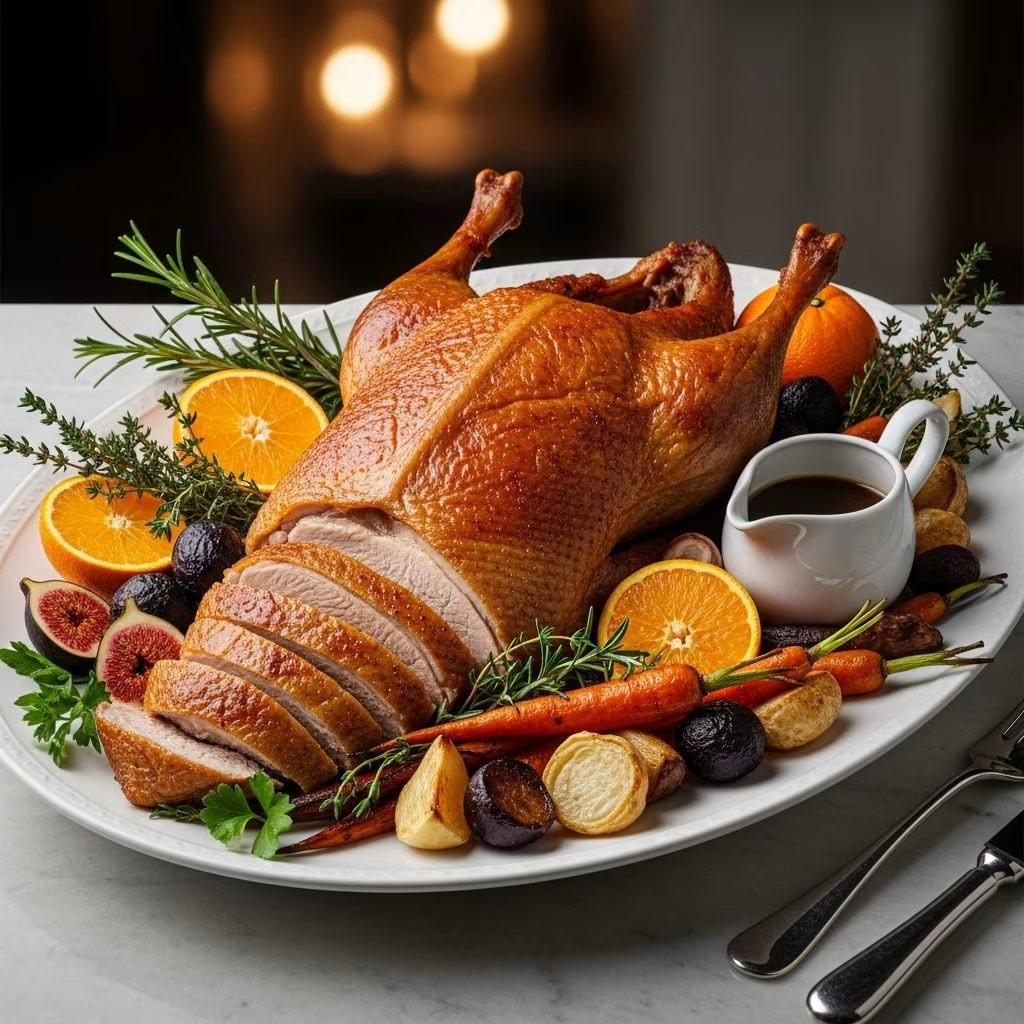
Renowned for its distinctive flavor and cultural significance, goose holds a celebrated place in both gastronomy and nutrition. From festive feasts to gourmet delicacies, this unique poultry offers numerous health benefits and a rich culinary history. This article presents a comprehensive guide to goose, detailing its nutritional profile, benefits, uses, and what sets its taste apart from other meats.
What Is Goose?
Goose refers to any of several species of birds in the family Anatidae, which also includes ducks and swans. Both wild and domesticated geese are raised worldwide, with culinary traditions dating back to ancient civilizations as early as 2500 BC in Egypt. They are typically larger than chickens, with domesticated geese often weighing between 12 and 14 pounds. The term “goose” can refer to either sex, with specific terms such as gander for males and gosling for young birds.
- All-dark meat bird, prized for its intense flavor and rich texture.
- Known for a high fat content under the skin, which renders during cooking to keep the meat juicy.
- Wild and domesticated varieties used in culinary traditions across Europe, Asia, Middle East, and the Americas.
Goose Facts
- Geese are territorial birds, sometimes historically used for guarding due to their alertness.
- Both the meat and byproducts—liver, fat, blood, and eggs—are used in cooking.
- Goose eggs are large and only seasonally available.
Nutritional Benefits of Goose
Goose meat is nutrient-dense, offering a high level of protein, essential minerals, and vitamins. While it is rich in fat compared to other poultry, the majority of it lies under the skin and can be rendered off during cooking. Here is a look at its key nutritional values:
| Component | Goose (w/skin, fat & giblets) | Chicken (w/skin, fat & giblets) |
|---|---|---|
| Water (%) | 51.0 | 67.6 |
| Protein (%) | 16.4 | 20.0 |
| Fat (%) | 31.5 | 11.0 |
| Ash (%) | 0.9 | 1.0 |
| Calories per 100g | 349 | 179 |
When considering flesh only (meat minus skin and visible fat), the protein rises and fat drops substantially, making goose a leaner option in moderation:
- Goose flesh only: 22.3g protein, 7.1g fat, 153 kcal/100g
- Chicken flesh only: 20.6g protein, 4.8g fat, 126 kcal/100g
Key Nutritional Highlights
- Protein: High-quality, complete protein source (22.8g per 100g serving).
- Iron: Excellent source, supporting healthy blood.
- Vitamins: Good amount of B vitamins (especially niacin and B12), vitamin D, and moderate calcium and magnesium.
- Fats: Contains both saturated fats and beneficial omega-6 fatty acids. Goose fat has culinary and nutritional value.
The fat content is higher in the skin and legs, while goose breast is relatively lean.
Health Benefits of Goose Meat
Despite its reputation for richness, goose meat carries several health benefits when consumed as part of a balanced diet. Here are some major advantages:
- Nutrient Density: Packed with essential amino acids, B vitamins, and minerals like iron and potassium, goose supports healthy metabolic processes and blood formation.
- Iron-Rich: Goose is an excellent source of heme iron, which is highly bioavailable and helps prevent iron-deficiency anemia.
- Good Source of Healthy Fats: In addition to saturated fat, goose fat contains monounsaturated and omega-6 fatty acids, which support heart and skin health when consumed in moderation.
- Vitamin D: Goose meat provides vitamin D, essential for immune function and bone health.
- Protein Power: High-quality protein aids in muscle maintenance, repair, and overall satiety.
- Collagen and Gelatin: Goose, especially when slow-cooked or used for broths, delivers glycine and collagen, supporting joint and skin health.
Culinary Uses of Goose
Goose holds a special place in global culinary traditions, most notably in holiday feasts and gourmet preparations. All parts of the bird—including meat, liver, fat, eggs, and skin—are valued in the kitchen.
Popular Culinary Applications
- Roast Goose: The most popular preparation, especially for festive occasions like Christmas or Chinese New Year. The whole bird is often stuffed and roasted until the skin is crisp and golden.
- Goose Fat: Renowned as a premium cooking fat, goose fat is rendered during roasting and used for roasting vegetables, frying, confit, or as a pastry shortening—often called “the crème de la crème of fats”.
- Foie Gras: Goose liver is used to make luxurious pâtés and foie gras, particularly in French cuisine.
- Dumplings and Sausages: Goose meat—alone or blended—is used in sausages, dumplings, stews, and fillings across Europe and Asia.
- Soups and Stews: Goose neck and tough cuts are ideal for slow-cooked dishes, imparting rich flavor and nutritious fats.
- Goose Eggs: Large, seasonal, and favored for baking or as a gourmet delicacy.
Geese are especially celebrated in:
- German cuisine: Stuffed goose neck and roast goose for St. Martin’s Day and Christmas.
- Chinese cuisine: Braised, steamed, or slow-roasted with aromatic spices.
- French cuisine: Confit d’oie (goose confit) and pâté.
- North American indigenous cuisines: Traditional spit-roasting of wild goose.
What Does Goose Taste Like?
Goose is often revered as the most flavorful poultry. Its taste is markedly different from that of chicken and turkey, often compared to beef for its rich, assertive flavor and dense texture.
- Rich and Robust: Goose meat boasts a deep, savory flavor profile, especially the darker leg meat, with a subtle gamey note.
- Succulent and Tender: Properly cooked goose is juicy and tender, its fat rendering out to infuse the meat with moisture.
- Mouthfeel: The texture is dense and satisfying, making each bite feel indulgent.
- Skin: When roasted, the skin becomes crisp and golden, a prized aspect in many cuisines.
- Legs vs. Breast: Legs contain more fat and even deeper flavor, while the breast offers a slightly milder, leaner bite.
Compared to other poultry, goose is considered bolder by those who enjoy complex, hearty flavors, making it a coveted centerpiece for feasts and special occasions.
Goose Compared to Other Poultry
How does goose stack up against chicken and turkey? Here’s a concise comparison:
| Feature | Goose | Chicken | Turkey |
|---|---|---|---|
| Meat Color | All dark | White & dark | White & dark |
| Flavor Intensity | Rich, robust | Mild | Mild to moderate |
| Fat Content | High (mostly under skin) | Low-moderate | Low-moderate |
| Key Nutrients | Iron, protein, B vitamins | Protein, B vitamins | Protein, B vitamins |
| Culinary Role | Festive/gourmet | Everyday | Festive/holiday |
| Serving Size (Whole Bird) | 1–1.5 lbs/person | 1 lb/person | 1–1.25 lbs/person |
Because goose is bonier and has a large rib cage with a generous fat layer, it feeds fewer people per pound than turkey or chicken.
How to Prepare and Cook Goose
Thanks to its high fat content and rich flavor, goose requires different preparation and cooking methods than other poultry. Here is a general roasting method along with tips for maximizing flavor and texture:
Preparation Tips
- Bring goose to room temperature before cooking for even results.
- Remove giblets and excess fat from cavity (reserve fat for cooking).
- Score or prick the skin gently to assist fat rendering.
- Season generously with salt, herbs, or aromatic spices.
- Stuff cavity (optional) for added flavor and moisture.
Cooking Techniques
- Roasting: Most popular for whole geese, producing crisp skin and succulent meat. Roast at a moderate temperature, draining fat periodically.
- Braising: Ideal for legs and tougher cuts; produces tender, melt-in-mouth results.
- Confit: Slowly cook pieces submerged in goose fat for preservation and depth of flavor.
- Steaming and Stewing: Common in Asian cuisines for enhanced moisture and subdued richness.
- Grilling: Suitable for small cuts or after marinating.
Rendered goose fat can be filtered and stored for months as a premium cooking medium for potatoes, vegetables, and pastries.
Frequently Asked Questions (FAQs)
Q1: Is goose meat healthy to eat?
Yes, goose meat is a highly nutritious source of protein and iron, though it is higher in fat than chicken or turkey. Removing the skin or choosing lean breast cuts makes it a balanced dietary choice.
Q2: What does goose taste like compared to chicken?
Goose meat is much richer and bolder, with a flavor closer to beef than chicken. It is all dark meat, making it denser and more satisfying.
Q3: Can goose fat be used for cooking?
Absolutely. Goose fat is prized in culinary circles for its high smoke point and incomparable flavor, lending rich results to roasted vegetables, fried delicacies, and pastries.
Q4: How many people does a goose serve?
Due to the bone-to-meat ratio and fat content, plan on 1 to 1.5 pounds of raw goose per person for a feast.
Q5: Are there ethical concerns with eating goose?
Choose organic or free-range geese for higher welfare standards. Industrial foie gras production is controversial—opt for standards in line with your values.
Key Takeaways
- Goose is a celebrated, all-dark meat bird known for rich flavor, high fat content, and cultural importance.
- It is nutritious, offering more iron and beneficial fats than most other poultry.
- Best enjoyed roasted for festive occasions, but also used in sausages, pâtés, confit, and more.
- Distinct taste and texture make it a favorite among gourmet chefs and traditional cultures alike.
References
- https://avonprimemeats.com/apm_product/goose/
- https://www.dpi.nsw.gov.au/animals-and-livestock/poultry-and-birds/species/geese-raising/cooking-and-recipes
- https://en.wikipedia.org/wiki/Goose_as_food
- https://www.bbcgoodfood.com/glossary/goose-glossary
- https://www.hss.gov.nt.ca/en/services/nutritional-food-fact-sheet-series/goose
- https://www.dartagnan.com/goose-facts-and-cooking.html
- https://pmc.ncbi.nlm.nih.gov/articles/PMC10000036/


