


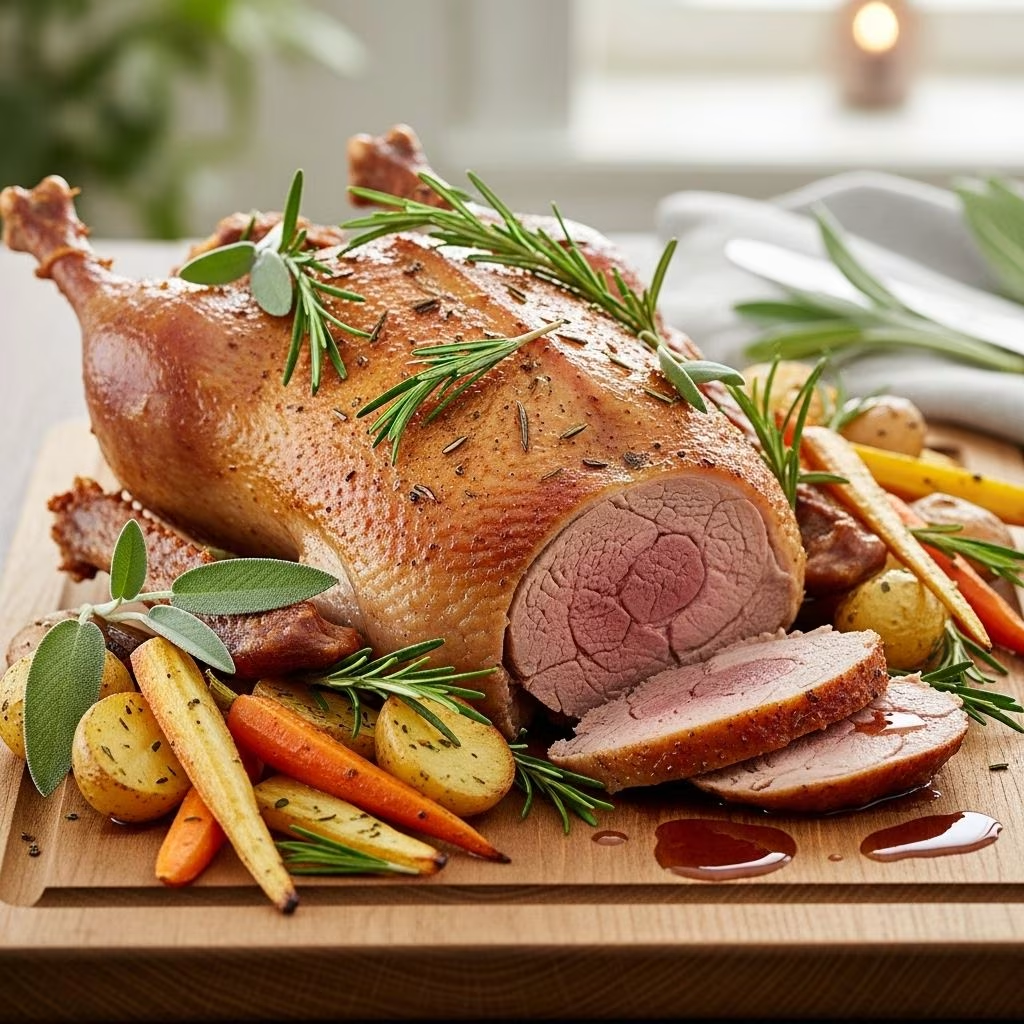
For centuries, goose meat has held a special place in culinary traditions worldwide, celebrated for its deep, rich flavor and impressive nutritional profile. While not as commonly consumed as chicken, pork, or beef, goose remains a prized ingredient in festive and gourmet dishes across Europe, Asia, and beyond. This comprehensive guide explores what makes goose meat unique, delves into its health benefits, outlines its culinary versatility, and helps you discover why it deserves a spot on your dining table.
Introduction to Goose Meat
Goose meat is derived from domestic and wild geese, birds known for their migratory habits and robust, fatty flesh. Historically, goose has been a symbol of celebration and prosperity, often roasted whole for holidays such as Christmas in Europe. Unlike leaner poultry like chicken or turkey, goose is famous for its succulent meat and high fat content, making it richly flavorful when properly cooked.
Types of Goose Used for Meat
- Domestic goose (Anser anser domesticus): Raised for its tender, well-marbled meat and prized fat, often found in specialty butchers and markets.
- Wild goose: Hunted in the wild, generally leaner and with a more gamy flavor compared to domestic breeds.
Because of its unique flavor and texture, goose is often considered a gourmet ingredient, suited for both traditional feasts and innovative modern recipes.
Nutritional Value and Composition
Goose meat stands out among poultry for its dense nutritional content and higher fat-to-protein ratio. Modern rearing practices have resulted in goose that is both succulent and relatively lower in saturated fats compared to earlier estimates.
Macronutrient Breakdown (per 100g, cooked, skinless)
| Nutrient | Amount |
|---|---|
| Calories | 238-319 kcal |
| Protein | 22.8-29 g |
| Total Fat | 12.7-22.4 g |
| Saturated Fat | ~0.52-7 g |
| Carbohydrates | 0 g |
Source: USDA / McCance and Widdowson / Wild Harvest Table
Vitamins and Minerals in Goose Meat
- Vitamin B complex: High in B6 and B12 (supports metabolism and nervous system).
- Vitamin A (Retinol): Important for skin, vision, and immune function.
- Iron: 5-6 mg per 100g (higher than most poultry), crucial for preventing anemia.
- Zinc: Supports immune response and cellular repair.
- Potassium and Phosphorus: Vital for muscle function and bone health.
- Healthy fats: Monounsaturated and polyunsaturated, including omega-3 fatty acids.
- Amino acids: Full spectrum, including all essential aminos such as leucine, lysine, glycine and more.
Nutritional Advantages
- Rich in protein, supporting muscle growth and repair.
- High in healthy fats compared to other poultry, improving satiety and providing energy.
- Zero carbohydrates, suitable for low-carb and keto diets.
- Loaded with vitamins B6, B12, iron, and zinc.
Health Benefits of Goose Meat
Eating goose meat provides an array of health benefits when consumed as part of a balanced diet. Due to its combination of protein, essential fatty acids, and micronutrients, goose is both energizing and nourishing.
- Supports cardiovascular health: The monounsaturated fats found in goose meat, particularly from birds raised on natural diets, can contribute to better blood lipid profiles and heart health.
- Boosts immune system: Iron and zinc help maintain immune strength and support cellular function.
- Promotes muscle growth and recovery: High protein and the presence of all essential amino acids make goose ideal for athletes, active individuals, and anyone seeking muscle maintenance.
- Brain and nervous system support: Vitamin B12 and omega-3 fatty acids are vital for nerve health and cognitive function.
- Skin and vision health: The vitamin A content in goose meat aids skin renewal and good eyesight.
- Satiating properties: The high fat and protein content increase feelings of fullness and can help regulate appetite and assist with weight control when consumed in moderation.
For those with iron deficiency anemia or high physical demands, adding goose meat to the diet can help increase iron intake naturally. However, due to its fat content, portion control is advised for those with specific cardiovascular risk factors.
Culinary Uses and World Cuisine
Goose meat’s firm texture and deep flavor make it a versatile ingredient in both traditional and modern recipes. Because of its distinctive qualities, it is prepared and enjoyed differently in various regions.
Classic and Contemporary Dishes
- Roast goose: The centerpiece of many European holiday tables, especially Christmas and St. Martin’s Day feasts, often accompanied by apples, prunes, and savory stuffing.
- Smoked and cured goose: A delicacy in Jewish and Central European cuisine, used for cold cuts and sandwiches.
- Confit of goose: Traditional in French cuisine, where the legs are slow-cooked in goose fat and preserved.
- Char siu goose: Cantonese-style roasted with sweet and savory spices.
- Goose breasts and fillets: Pan-seared or grilled, served with berry sauces or earthy mushrooms.
Utilization of Goose Fat and Offal
- Goose fat: Revered for frying potatoes, rendering for pastry and pie crusts, and in confit dishes. Its high smoke point and rich flavor make it a favorite among chefs.
- Liver and giblets: Used in pâtés, stuffings, or as flavor-enhancing ingredients in gravies and sauces.
Popular Goose Dishes Around the World
- Germany/Austria: Whole roast goose (“Gänsebraten”) with red cabbage and dumplings.
- United Kingdom: Glazed roast goose with chestnut stuffing as a Christmas alternative to turkey.
- France: Goose confit, magret, or rillettes.
- China: Crispy skin roasted goose, especially in Cantonese cuisine.
- Jewish cuisine: Smoked, pickled, or rendered goose fat for traditional dishes.
Taste and Texture of Goose Meat
What truly distinguishes goose from other poultry is its robust, complex flavor profile. It is often described as “beefy” or “gamey”—far richer than chicken, and with a more satisfying “meatiness.” Goose breast is dense and juicy, while the legs are especially flavorful due to their higher fat content. When cooked properly, goose boasts crispy skin and succulent, tender meat underneath.
Key Descriptors of Goose Meat’s Taste
- Rich and savory, slightly gamey, with earthy and mineral undertones.
- Juicy, with natural marbling and a melt-in-the-mouth quality when roasted or slow-cooked.
- Intensely flavorful—stands up well to bold spices, fruit sauces, and herbs such as thyme, sage, and juniper.
- Firm texture—more akin to beef or duck than to chicken or turkey.
Because goose is naturally fatty, much of the fat renders out during cooking, basting the meat and flavoring side dishes made from roasted vegetables and potatoes.
Buying, Storing, and Preparing Goose Meat
Purchasing goose meat often requires a specialty butcher, online purveyor, or a well-stocked farmer’s market. Look for flesh that is deep reddish-pink with creamy white fat. Wild goose, when in season, is sometimes available from game dealers.
Buying Tips
- Choose young, domestically-raised goose for milder flavor and tender meat.
- Whole geese are typically sold frozen; breasts, legs, or cutlets can be found fresh.
- Check for freshness: The flesh should be moist but not slimy, with a clean aroma.
Storage
- Refrigerate goose meat at 1-4°C (34-39°F), use within 2-3 days if fresh.
- Freeze for long-term storage (up to 6 months for best quality); wrap tightly to prevent freezer burn.
Preparation and Cooking Methods
- Roasting: Prick the skin to allow fat to drain. Elevate on a rack and baste often during cooking.
- Pan-searing: Especially for the breast fillets; score skin, cook skin-side-down first for crispiness.
- Slow-cooking: For confit or braised dishes, which break down tougher muscle fibers.
- Smoking: Adds depth and intensifies the meaty flavor.
Reserve rendered goose fat for cooking potatoes, vegetables, or making pastry.
Comparison with Other Poultry and Meats
| Meat | Calories (per 100g) | Protein | Fat | Flavor |
|---|---|---|---|---|
| Goose (skinless) | 238-319 kcal | 22.8-29g | 12.7-22g | Rich, gamey, beefy |
| Duck (skinless) | 173-202 kcal | 19g | 5g | Robust, slightly gamey |
| Chicken (skinless) | 165 kcal | 31g | 3.6g | Mild, delicate |
| Beef (lean) | 250 kcal | 26g | 15g | Meaty, savory |
Goose has a higher fat content and richer taste compared to chicken, duck, or turkey. Unlike chicken, goose is not a “blank canvas,” but a centerpiece protein best paired with robust flavors.
Concerns and Considerations
While goose is nutritious, there are a few considerations to keep in mind:
- Fat content: Goose is significantly fattier than chicken or turkey, so moderation is key for those managing weight or blood lipids.
- Availability and cost: Goose meat can be expensive and less commonly found outside major holidays or specialty markets.
- Allergies and dietary restrictions: As with all animal products, ensure proper handling to avoid foodborne illness.
- Cooking skill: Goose can be unforgiving when overcoked; it is best enjoyed when skillfully prepared to retain its moisture and tenderness.
Frequently Asked Questions
Q: Is goose meat healthier than chicken or turkey?
A: Goose is higher in fat and calories than chicken or turkey, but also richer in essential nutrients like iron, zinc, and B vitamins. Consumed in moderation, it offers key benefits that complement a balanced diet.
Q: What does goose meat taste like?
A: Goose meat is rich, deeply savory, and has a “gamey” taste with beef-like undertones. The skin crisps beautifully, while the meat stays moist due to its natural fat content.
Q: How should I cook goose to get the best results?
A: Popular methods include roasting (whole or in parts), pan-searing breasts, slow-cooking for confit, or smoking. Always render out excess fat and cook to medium or just slightly pink for optimum tenderness.
Q: Can goose meat be part of a weight-loss diet?
A: Due to its high fat content, portions should be mindful. However, the rich protein and healthy fats can promote satiety and be included as part of a controlled-calorie diet plan.
Q: Is goose meat commonly eaten worldwide?
A: While it is a staple during festivals and in certain cultures (Europe, Asia, Jewish cuisine), it is less common than chicken or beef in everyday diets, mainly due to cost and availability.
Summary
Goose meat is a unique, nutrient-packed option in the world of poultry, offering robust flavor, a rich nutritional profile, and impressive culinary versatility. With its combination of protein, healthy fats, and essential vitamins and minerals, goose has much to offer adventurous eaters and those seeking variety in their diets. When prepared with care and enjoyed responsibly, goose can transform any meal into a gourmet experience.
References
- https://a-z-animals.com/blog/goose-meat-the-health-benefits-and-delicious-flavors-of-goose-meat/
- https://www.webmd.com/diet/health-benefits-of-goose-meat
- https://www.wildharvesttable.com/goose-nutritional-information/
- https://listonic.com/p/nutrition/goose
- https://britishgoose.org.uk/nutrition-of-goose-meat/
- https://pmc.ncbi.nlm.nih.gov/articles/PMC10000036/
- https://www.urmc.rochester.edu/encyclopedia/content?contenttypeid=76&contentid=05147-2


