


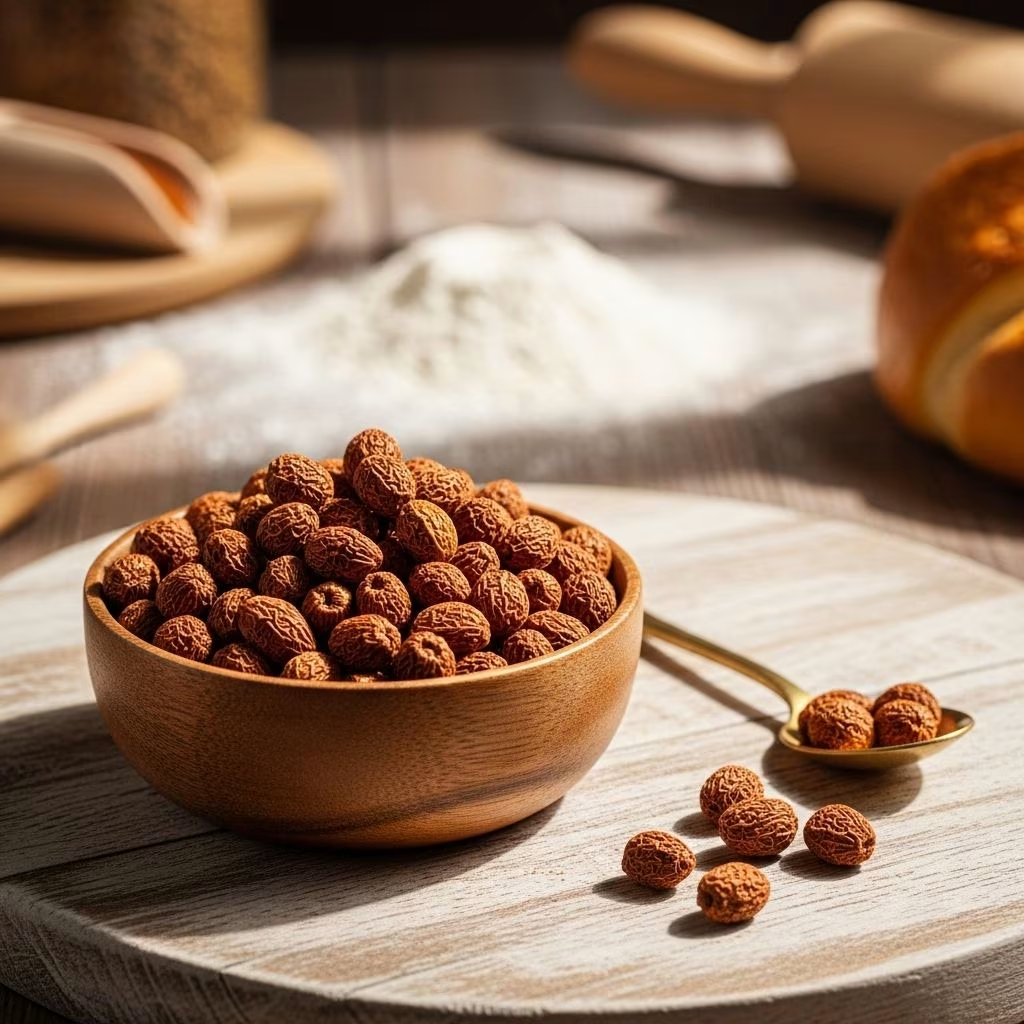
Grains of Paradise, a centuries-old spice rooted in West African tradition, is gaining renewed appreciation among brewers, bakers, and chefs across the globe. Prized for its vibrant, multifaceted flavor, this peppery seed has found its way into both sweet and savory dishes, offering nuance and complexity that elevates even a simple dessert or everyday bread. Beyond their culinary potential, Grains of Paradise are a source of curiosity for their nutritional profile and the unique ways they can substitute for more familiar spices.
Introduction to Grains of Paradise
Grains of Paradise (Aframomum melegueta) are the dried seeds of a plant native to the West African coast. Though referenced by ancient spice traders as treasures from the Garden of Eden, their culinary use has spanned both African folklore and European kitchens. Passed over for centuries as a less expensive pepper alternative, Grains of Paradise are enjoying a resurgence thanks to their unique flavor, versatility, and appeal to adventurous cooks.
Flavor Profile and Origin
The allure of Grains of Paradise rests in their complex, peppery flavor profile. They deliver a spicy, warm heat reminiscent of black pepper, but with discernible notes of:
- Cardamom — leading to a subtle citrus-floral character
- Ginger — a gentle, underlying heat with earthiness
- Coriander and nutmeg — hints of woody sweetness
- Juniper — a slightly piney, fresh finish
This complexity makes the spice equally welcome in both sweet and savory applications. Many describe Grains of Paradise as a combination of pepper and baking spices in one ingredient, imparting warmth and depth without overwhelming heat.
Historically, these seeds were valuable trade commodities and often marketed as mystical or exotic. Today, Grains of Paradise remain integral in West African cuisine, used in spice blends, beverages, and as a table condiment.
Baking Uses for Grains of Paradise
In baking, Grains of Paradise function both as a flavor enhancer and as a focal spice. Their role can subtly deepen the character of cakes, cookies, and breads, or provide an unexpected twist to classic recipes. The following are primary ways they are used in baked goods:
- Spice in fruit desserts: Their fruity, peppery notes pair beautifully with apples, pears, or stone fruits, making them an inspired addition to cobblers, crisps, and pies.
- Cookie and shortbread doughs: Grind or crush Grains of Paradise and incorporate into dough for gingersnaps, spice cookies, or shortbread. Their heat and spice are both warming and unexpected.
- Breads and scones: Swapping out black pepper for Grains of Paradise in savory scone or bread recipes provides both a floral note and gentle heat.
- Baked custards and puddings: Infusing custard bases with Grains of Paradise yields a warm, spicy undertone, perfect for rice puddings or classic bread puddings.
- Pastry creams and fillings: Add to pastry cream or fruit filling for extra complexity.
Preparation Tips: Because Grains of Paradise are seeds, they must be freshly ground or crushed using a mortar and pestle or spice grinder. Whole seeds retain their flavor far longer than pre-ground spice. Sprinkle freshly crushed seeds into your recipes as you would black pepper or nutmeg. Start with a small amount (typically 1/2 to 1 tsp per batch for desserts), as their flavor is pronounced and can intensify with cooking.
Recipe Ideas and Examples
- Apple Cobbler with Grains of Paradise
Adding freshly ground Grains of Paradise to apple cobbler infuses the filling with a peppery bite and faint notes of cardamom, which balance the sweetness of the apples. Top with vanilla ice cream sprinkled with extra seeds for a striking finish.
Baking Tip: Toss thinly sliced apples with brown sugar, cornstarch, crushed Grains of Paradise, a touch of lemon, and your chosen spice blend. Top with a biscuit dough, bake, and serve warm. - Ginger Snap Cookies
Replace or supplement black pepper with ground Grains of Paradise in ginger-based cookies. Their warmth complements the ginger and adds floral undertones.
Baking Tip: Incorporate 1 tsp ground Grains of Paradise along with cinnamon, nutmeg, and ginger in your dry mix. Press sliced candied ginger into each cookie for texture and extra bite. - Peppercorn Shortbread
Shortbread doughs benefit from the spice of Grains of Paradise. Mix with other types of peppercorns (pink, black, or green) for an aromatic, complex cookie best served alongside tea or coffee.
| Baked Good | Traditional Spice | Grains of Paradise Substitute | Flavor Highlight |
|---|---|---|---|
| Apple Cobbler | Cinnamon & Nutmeg | Grains of Paradise + Cinnamon | Peppery warmth, floral |
| Ginger Snaps | Ginger & Black Pepper | Ginger + Grains of Paradise | Citrus, gentle heat |
| Shortbread | Black Pepper or none | Grains of Paradise | Complexity, subtle spice |
| Fruit Pies | Cinnamon, Cloves, Black Pepper | Grains of Paradise | Balanced, not overly sweet |
Substitutes for Grains of Paradise in Baking
While Grains of Paradise provide unique flavor, several spices can mimic some of their qualities if they are unavailable:
- Black Pepper: Closest in heat and use; lacks the floral and ginger notes.
- Cardamom (ground): Offers a similar citrusy, floral note. Use sparingly for best substitution.
- Ginger (ground): Shares the earthy heat but lacks the peppery bite.
- Allspice or Pink Peppercorns: These contribute mild spice and aromatic warmth, especially in fruit desserts.
- Spice Blend: A combination of black pepper and cardamom can closely approximate the effect of Grains of Paradise in many baked recipes.
When substituting, use equal amounts, or start with half and adjust to taste, as each spice has a different flavor strength and volatility in baking.
Nutritional Benefits & Considerations
Grains of Paradise are primarily used as a flavoring agent, and thus only small amounts are consumed in baked goods. However, their nutritional and health properties are worth noting:
- Low calorie and fat-free: Like most spices, Grains of Paradise contribute minimal calories or fat to baked dishes.
- Antioxidant activity: Similar to other spices, these seeds are high in antioxidant compounds, which can help counteract free radical damage in the body.
- Phytochemicals: Contains unique glycosides and essential oils that contribute to its aroma and may have anti-inflammatory and digestive properties.
- Potential metabolic benefits: Preliminary studies suggest extracts from Grains of Paradise may promote fat metabolism and reduce inflammation, but quantities consumed in baking are likely too low for significant effects.
While not a staple source of major nutrients, incorporating a broad range of spices, Grains of Paradise included, contributes to a varied and healthful diet.
How to Buy and Store Grains of Paradise
Sourcing: Look for whole Grains of Paradise at spice shops, international groceries, and specialty food stores. Online retailers often carry them under “exotic spices” or West African ingredients. Choose whole seeds rather than pre-ground for optimal freshness and flavor.
Storage: Store whole seeds in an airtight container in a cool, dark place. They keep their potency for at least a year if not exposed to heat or moisture. Grind only the amount you need shortly before use, just as you would with black peppercorns.
Frequently Asked Questions (FAQs)
Q: Are Grains of Paradise the same as black pepper or cardamom?
A: No, while they share flavor characteristics with both, Grains of Paradise are a distinct spice from West Africa and possess a unique flavor that is peppery with floral, citrus, and ginger notes.
Q: Can I use Grains of Paradise in recipes that call for black pepper?
A: Yes. Grains of Paradise can substitute for black pepper in many recipes, especially where a more complex or exotic flavor is desired. Start with an equal or slightly smaller quantity and adjust to taste.
Q: How should I prepare Grains of Paradise for baking?
A: Always crush or grind the whole seeds just before using for best flavor. Use a mortar and pestle, spice grinder, or pepper mill.
Q: Are they safe for everyone to eat?
A: In culinary amounts, Grains of Paradise are generally considered safe. Individuals with allergies to related spices (like cardamom or ginger) should exercise caution.
Q: Why use Grains of Paradise in sweet baked goods?
A: Their peppery, floral, and slightly citrus notes complement sweet flavors and add depth to everything from fruit cobblers to cookies—making desserts less one-dimensional and more interesting.
Q: Where are Grains of Paradise native to?
A: Grains of Paradise are native to the coastal regions of West Africa and have been used in African, Middle Eastern, and European cooking since antiquity.
Conclusion
Grains of Paradise are no mere black pepper substitute—they are a dynamic, complex spice that can take your baked goods from ordinary to truly memorable. Whether you are looking to reinvent a vintage recipe or invent something new, experiment with Grains of Paradise in your next batch of cookies, fruit dessert, or bread. With the right storage and preparation, you too can unlock the flavor dimension that this ancient African spice has offered for generations.
References
- https://piquantpost.com/blogs/recipes/apple-cobbler-with-grains-of-paradise
- http://www.papawow.com/blog/scary-ginger-snaps-with-grains-of-paradise.html
- https://worldspice.com/blogs/recipes/tagged/grains-of-paradise
- https://forums.egullet.org/topic/120596-grains-of-paradise/
- https://www.myspicesage.com/blogs/recipes/apricot-chicken-with-grains-of-paradise-saffron-recipe


