


Introduction
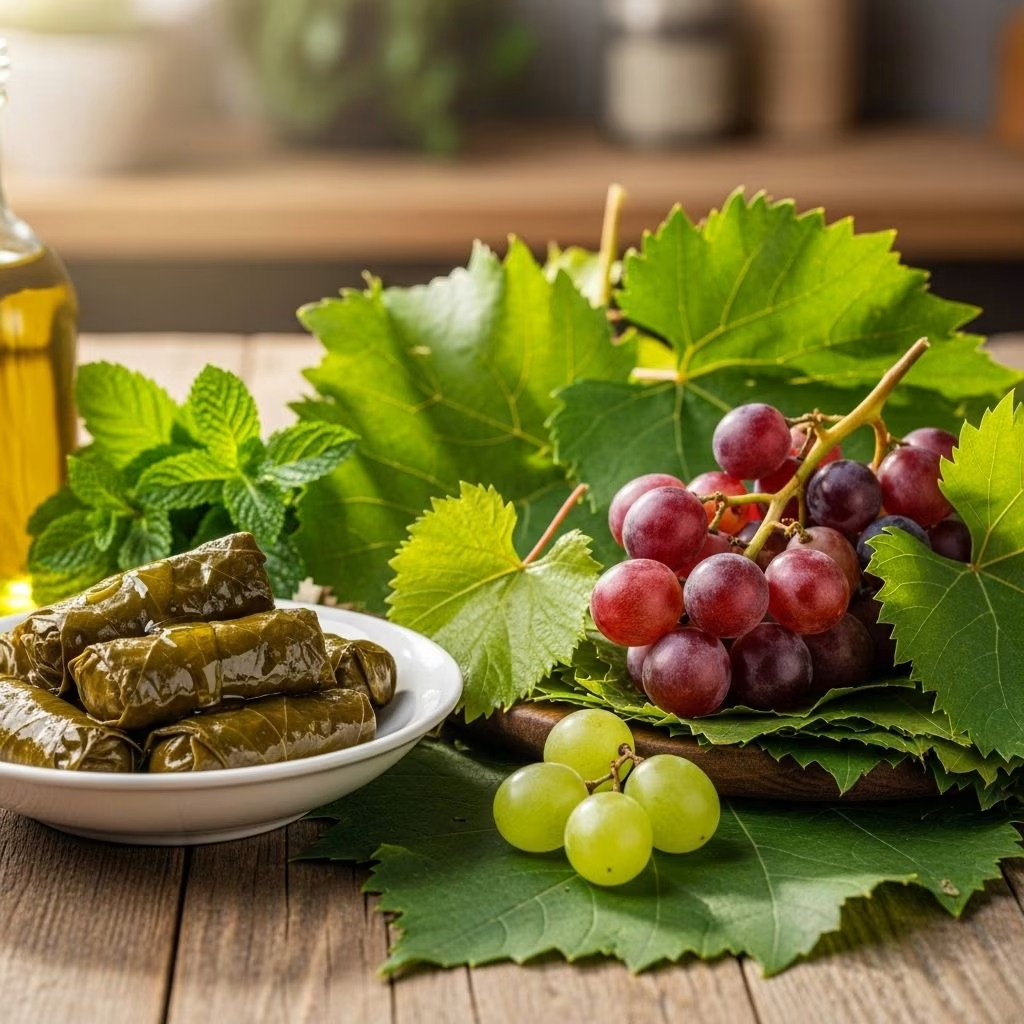
Grape leaves are the foliage of the grapevine plant (Vitis genus), widely appreciated for their versatility in cooking and their rich nutritional profile. Recognized since ancient times, grape leaves play a central role in Mediterranean, Middle Eastern, and Caucasian cuisines. Beyond their culinary importance, grape leaves contain beneficial nutrients and bioactive compounds that contribute to overall health. This article delves deeply into every aspect of grape leaves—from their botanical characteristics to their taste, uses, and health-promoting properties.
Botanical Overview of Grape Leaves
- Plant Family: Vitaceae
- Genus & Key Species: Vitis vinifera (common grapevine), Vitis labrusca (fox grape), and other regional varieties.
- Leaf Structure: Grape leaves are broad, heart-shaped, sometimes lobed, and have a toothed margin. They typically measure between two and nine inches in length.
- Surface Features: The upper side is glossy and green, with the underside often covered in fine, silky hairs, which aid in protection against pests and moisture loss.
- Tendrils: Opposite each leaf, grapevines develop tendrils that enable the plant to climb and spread.
- Growth Habit: Woody perennial vine; grapevines can reach up to 50 feet, climbing over trees and structures.
Grape leaves are part of the plant’s defense mechanism, with surface structures and wax deposits helping to deter pathogens and facilitate water repellency. Their compound structure varies by species and cultivar, showing adaptability to different climates and uses.
Nutritional Profile of Grape Leaves
Grape leaves are low in calories and packed with vitamins and minerals. They are commonly consumed either fresh or preserved (typically brined or canned), which may slightly alter their nutritional value.
| Nutrient | Amount | Key Benefits |
|---|---|---|
| Calories | 93 kcal | Low-calorie – suitable for weight management |
| Protein | 5.6 g | Supports muscle growth & repair |
| Carbohydrates | 14 g | Source of energy |
| Fiber | 7.2 g | Promotes digestion, regulates blood sugar |
| Vitamin A | 14,000 IU | Supports immune and eye health |
| Vitamin C | 11 mg | Antioxidant, supports immunity |
| Calcium | 180 mg | Strengthens bones & teeth |
| Iron | 2.7 mg | Prevents anemia, supports energy levels |
| Other Nutrients | Magnesium, phosphorus, vitamin K, folate | Beneficial for bone, nerve, and blood health |
In addition to vitamins and minerals, grape leaves contain flavonoids and polyphenols with known antioxidant properties, supporting overall cellular health.
Health Benefits of Grape Leaves
- Rich in Antioxidants: Flavonoids, anthocyanins, and other polyphenols neutralize harmful free radicals, potentially reducing the risk of chronic diseases.
- Anti-inflammatory Effects: Bioactive compounds in grape leaves exhibit anti-inflammatory properties, which may help reduce inflammation in the body.
- Supports Digestive Health: High dietary fiber promotes regular bowel movements and supports a healthy gut.
- Enhances Bone Health: Their calcium and magnesium content contributes to bone strength and skeletal health.
- Blood Sugar Regulation: Fiber and certain phytochemicals may facilitate improved glycemic control.
- May Improve Heart Health: The antioxidants in grape leaves may help lower blood pressure and support cardiovascular function.
Scientific investigations suggest that the wax and trichome structures (microscopic leaf hairs) of grape leaves aid in microbial colonization and act as barriers to some pathogens, thus adding a traditional medicinal value to grape leaves.
Culinary Uses Around the World
Grape leaves are valued in numerous culinary traditions, often appearing as wrappers for savory fillings, but also featured in soups, stews, and salads.
- Mediterranean & Middle Eastern Cuisine: Most famously used to make dolma (stuffed grape leaves). The leaves are filled with rice, herbs, and sometimes meat, then cooked and served cold or warm.
- Greek Cuisine: Known as dolmades, grape leaves are stuffed with rice, pine nuts, and fresh herbs, sometimes lamb or beef, then boiled or steamed and served with a lemon sauce.
- Turkish Cuisine: Sarma refers to grape leaves wrapped around rice, bulgur, ground meat, and flavored with spices.
- Persian Cuisine: Dolmeh—grape leaves contain a blend of ground meat, rice, split peas, and herbs, simmered in a tomato or pomegranate sauce.
- Armenian, Lebanese, Egyptian, and Balkan Traditions: Each features regional variations of stuffed grape leaves with unique spices and ingredient combinations.
- Caucasian Cuisine: Sometimes used in salads, soups, and as a garnish.
Grape leaves can be eaten fresh, blanched, or preserved (in brine, jars, or cans). The leaves impart a subtle, earthy flavor and unique texture that enhances the stuffing inside.
Other Culinary Uses
- Salads: Young grape leaves, chopped or shredded, add a slightly tart and herbaceous note.
- Soups & Stews: Occasionally incorporated for flavor and thickening.
- Garnish: Used in food presentation for their attractive color and shape.
Taste Profile of Grape Leaves
The flavor of grape leaves is shaped by their variety, growing condition, and manner of preparation:
- Eaten Raw: Slightly bitter, tangy, with a fresh, grassy undertone.
- Blanched or Cooked: The bitterness is mellowed, revealing mild, earthy, and almost citrusy notes.
- Preserved in Brine: Salty, slightly acidic, with a tender yet resilient texture. Commercially available grape leaves in jars or cans are often brined.
The taste often complements the aromatic fillings—rice, herbs, spices, or meats—creating a nuanced and satisfying culinary experience. The leaf’s texture is soft yet sturdy, allowing it to hold fillings together while remaining palatable.
| Preparation | Taste | Texture |
|---|---|---|
| Raw | Bitter, grassy, slightly sour | Firm, slightly tough |
| Brined (preserved) | Salty, tangy, mild | Tender, pliable |
| Cooked | Mellow, earthy, mildly tart | Soft, cohesive, holds stuffing well |
How to Select, Prepare, and Store Grape Leaves
Selection
- Choose young, tender grape leaves, preferably early in the growing season.
- Avoid leaves that are too large or tough, as they may be fibrous and less palatable.
- Fresh leaves should be vibrant green, free from blemishes or pests.
Preparation
- Blanching: Rinse leaves, then blanch in boiling water for 1-2 minutes to soften and reduce bitterness. Allow to cool before use.
- Brining: For longer storage, grape leaves can be preserved in saltwater brine.
- Stuffing: Place filling in the center, fold the sides, and roll tightly; arrange in a pot, cover with broth or sauce, and cook until tender.
Storage
- Fresh leaves: Keep refrigerated and use within a few days.
- Brined/canned leaves: Store in a cool, dry place; refrigerate after opening.
Potential Concerns and Safety
- Grape leaves are generally safe to eat in typical culinary quantities.
- Avoid consuming leaves that have been exposed to pesticides or pollutants; wash thoroughly before use.
- Individuals with sodium-sensitive conditions should moderate intake of brined grape leaves due to their salt content.
Rare allergic reactions or digestive sensitivities may occur, but these are uncommon.
Frequently Asked Questions (FAQ)
Q: Are grape leaves edible raw?
A: While grape leaves can be eaten raw, they are usually blanched or cooked to improve texture and reduce bitterness.
Q: How do I know which grape leaves are best for cooking?
A: Younger, tender leaves are preferred for cooking. Tough, mature leaves are better suited for pickling or brining.
Q: Are there any health risks associated with eating grape leaves?
A: Grape leaves are safe for most people but those sensitive to sodium should be cautious with brined varieties. Always wash leaves thoroughly before using.
Q: What dishes commonly use grape leaves?
A: Stuffed grape leaves (dolma, dolmades, sarma) are widespread. Grape leaves also appear in salads, soups, and sometimes as garnish.
Q: Can grape leaves from my backyard vine be used?
A: Yes, provided they are free of chemicals and pollutants. Harvest young leaves and wash well.
Conclusion
Grape leaves, with their vibrant history, multifaceted culinary uses, and impressive health benefits, exemplify the intersection of tradition, flavor, and wellness. Whether as part of a beloved family recipe or a nutritious addition to modern diets, grape leaves offer a unique combination of taste, versatility, and nutritional advantage. Understanding their nature, preparation, and global significance enriches appreciation for this humble but powerful ingredient.
References
- https://plants.ces.ncsu.edu/plants/cissus-alata/
- https://extension.psu.edu/wild-grape/
- https://www.plantgrape.fr/en/help/glossary-ampelographic
- https://oeno-one.eu/article/view/51
- https://en.wikipedia.org/wiki/Grape_leaves
- https://nph.onlinelibrary.wiley.com/doi/full/10.1002/ppp3.10157
- https://pmc.ncbi.nlm.nih.gov/articles/PMC8534917/
- https://www.youtube.com/watch?v=3Ll2KsML1SY
- https://ask.extension.org/kb/faq.php?id=423362


