


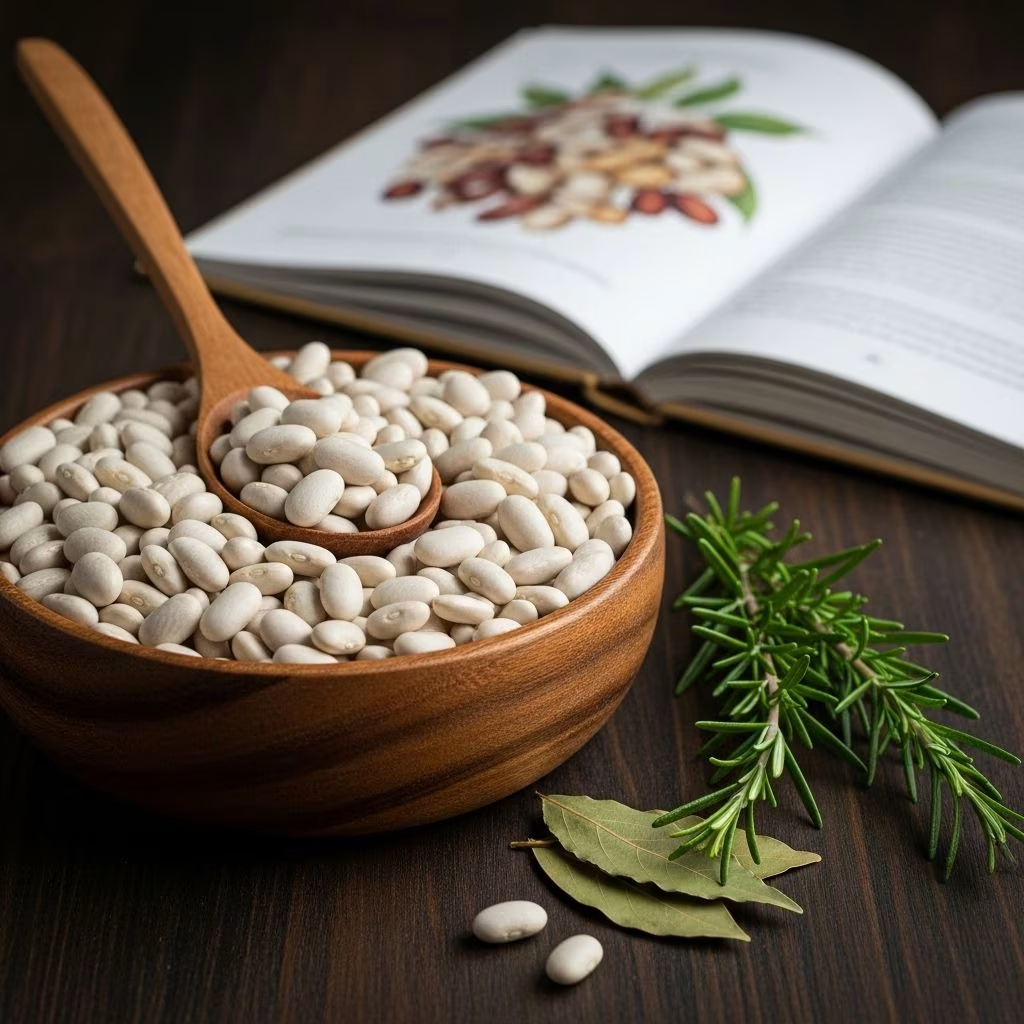
Great Northern beans are a staple legume prized for their delicate flavor, nutritional value, and culinary versatility. This article provides a comprehensive exploration of these popular white beans, including their history, nutrition profile, health benefits, cooking methods, various uses, and distinctive taste. Whether you’re a seasoned cook or seeking to improve your diet, understanding Great Northern beans can help add nourishment, texture, and nuanced flavor to your meals.
Overview and Origin
Great Northern beans (Phaseolus vulgaris) belong to the “common bean” family, a group including kidney, black, pinto, navy, and pink beans. These medium-sized white beans are native to the Americas and were first cultivated by South American Indian farmers. They quickly became popular throughout North America and Europe, valued for both their adaptability to recipes and their nutritional qualities.
Spanish explorers introduced common beans, including Great Northerns, to Africa and Europe, spreading their use globally. Today, Great Northern beans feature prominently in American, European, and Balkan cuisines, such as Serbian prebranac and Swedish bruna bönor.
Physical Characteristics
- Size: Larger than navy beans but smaller than cannellini beans.
- Shape: Oval, resembling lima beans with a slight flatness and a moderate curve.
- Color: Off-white to creamy white.
- Texture: Meaty yet tender; thin skin.
- Aliases: “Large white beans,” “common beans.”
Their thin skin and tender texture make them ideal for dishes that require the beans to hold their shape without becoming mushy.
Nutrition Facts
Great Northern beans deliver an impressive nutritional punch, especially for a plant-based diet. Below is the USDA nutritional data for a one-cup (boiled, unsalted) serving:
| Nutrient | Amount (per 1 cup cooked) |
|---|---|
| Calories | 122 kcal |
| Protein | 14.7 g |
| Fat | 0.79 g |
| Carbohydrates | 37.3 g |
| Fiber | 12.4 g |
| Calcium | 120 mg |
| Iron | 3.77 mg |
| Magnesium | 88.5 mg |
Notably, Great Northern beans are low in fat, high in complex carbohydrates and fiber, and a significant source of plant-based protein.
Key Nutritional Components:
- Complex Carbohydrates: Provide sustained energy and aid in satiety.
- Dietary Fiber: Supports digestive system, blood sugar control, and reduces cholesterol.
- Protein: High-quality plant protein, though incomplete (pair with grains for full amino acid profile).
- Micronutrients: Rich in calcium, magnesium, iron, and B vitamins.
Health Benefits
- Supports Heart Health: Beans are linked to lower risks of heart disease and hypertension, due to high fiber and potassium content.
- Helps Manage Blood Sugar: Slow-digesting carbs and fiber help to stabilize blood sugar levels and reduce spikes.
- Promotes Digestive Wellness: Ample dietary fiber prevents constipation and supports gut health.
- Weight Management: Low in fat and high in fiber, they enhance satiety and help control appetite.
- Plant-Based Protein Source: Provides essential amino acids and supports muscle health, especially in vegetarian and vegan diets.
- Rich in Minerals: Iron and magnesium support blood and nerve function; calcium aids bone health.
- Lowers Risk of Chronic Disease: Increased legume intake correlates with reduced instances of type 2 diabetes, stroke, and some cancers.
Regular consumption of Great Northern beans as part of a balanced diet can support overall well-being and may contribute to long-term disease prevention.
Taste Profile
- Mild Flavor: Subtle and gently nutty, making them a versatile ingredient.
- Delicate Sweetness: Slightly sweet, more so than navy beans.
- Absorbs Flavors: Their ability to take on seasonings and the essence of accompanying ingredients makes them highly adaptable in recipes.
- Tender Texture: Creamy, with a thin skin that softens during cooking.
The mild, nutty essence of Great Northern beans ensures they complement both robust and delicate dishes without overpowering other flavors.
Culinary Uses
One of the reasons for the enduring popularity of Great Northern beans is their broad cooking utility. They are integral to a range of dishes, both as the main ingredient and as a subtle supporting element.
Common Culinary Applications
- Soups and Stews: Widely used due to their ability to hold shape and absorb flavors from broths, meats, or vegetables.
- Salads: Provide protein and creamy texture to cold or warm salads.
- Casseroles: Add meatiness and mildness to baked bean dishes.
- Chili and Bean Mixes: Stand up well to spice and seasoning, and blend well with other legumes.
- Dips and Spreads: Their creamy character is ideal for blending into purees and bean-based dips.
- Regional Dishes: Used in international recipes such as Serbian prebranac and Swedish bean dishes.
They are also often mixed with pinto beans, substituted for navy and cannellini beans, or added to Mediterranean-style dishes.
Cooking Methods
Great Northern beans are available in both dry and canned forms. The cooking requirements vary:
- Soaking: Dried beans benefit from overnight soaking in water, which reduces cooking time and improves digestibility.
- Boiling: After soaking, simmer for 60–120 minutes until tender (depending on desired creaminess).
- Flavoring: Cook with aromatics such as onion, garlic, bay leaves, and vegetables for best results.
- Canned Beans: Convenient and speedy alternative; simply drain and rinse before use.
The tender, creamy texture achieved by slow simmering makes Great Northern beans ideal in both rustic and refined preparations.
Simple Stovetop Great Northern Beans
- 1 lb dry Great Northern beans
- 1 onion (halved)
- 2 carrots (peeled)
- 2 celery stalks
- 1 head of garlic (top sliced off)
- 1 bay leaf
- 1 teaspoon red pepper flakes
- 8 cups water or vegetable/chicken broth
- Salt to taste
Instructions:
- Rinse beans, soak overnight, then drain and rinse the next day.
- Put beans and vegetables in a pot, cover with water/broth.
- Add spices and bring to a gentle boil, then simmer slowly for 60–70 minutes.
- Remove vegetables and aromatics before serving. Season to taste.
Comparison: Great Northern vs Other White Beans
| Bean Type | Size & Shape | Taste | Texture | Common Uses |
|---|---|---|---|---|
| Great Northern | Medium-large, oval | Mild, nutty, slightly sweet | Tender, creamy | Soups, salads, stews, dips |
| Navy | Small, rounded | Mild, less nutty | Firm even when cooked | Baked beans, soups |
| Cannellini | Large, oval | Mild, slightly nutty | Soft, creamy | Italian dishes, soups |
Great Northern beans can substitute for navy or cannellini beans in most recipes, but their nutty sweetness and unique texture suit them to dishes that emphasize subtlety or creaminess.
Simple Recipes with Great Northern Beans
Great Northern Bean Salad
- Cooked Great Northern beans
- Diced bell peppers
- Chopped herbs (parsley, basil)
- Lemon vinaigrette
- Salt & pepper
Mix all ingredients and chill. Serve as a side or main course for a protein-packed salad.
Classic Bean Stew
- Great Northern beans
- Onion, garlic, carrot, celery
- Tomato paste
- Vegetable or chicken stock
- Spices (bay leaf, thyme, pepper)
Saute aromatics, add beans and stock, simmer until beans are creamy and the stew is thick.
Frequently Asked Questions (FAQs)
Q: Are Great Northern beans gluten-free?
A: Yes, Great Northern beans are naturally gluten-free and suitable for people with gluten intolerance or celiac disease.
Q: Can Great Northern beans be substituted for other white beans?
A: Yes, these beans can substitute for navy, cannellini, or pinto beans in most recipes, with minor differences in taste and texture.
Q: Do Great Northern beans need to be soaked before cooking?
A: Soaking improves texture, reduces cooking time, and increases digestibility for dried beans.
Q: What is the best way to store cooked Great Northern beans?
A: In an airtight container, refrigerated for up to 3–5 days or frozen for longer preservation.
Q: Are Great Northern beans a complete protein?
A: No. Like most legumes, they lack some essential amino acids, so pairing with grains provides complete protein.
Conclusion
Great Northern beans are a nutritional powerhouse in the legume family, celebrated for their mild, nutty taste and creamy texture. They are exceptionally versatile, fit for savory and sweet dishes alike, and provide substantial health benefits as a high-fiber, low-fat, plant-based protein source. Incorporating Great Northern beans into your culinary repertoire supports a nutritious, balanced diet while adding subtle richness to a wide array of recipes.
References
- https://balancingbowls.com/great-northern-beans/
- https://www.camelliabrand.com/about-the-bean/about-great-northern-beans/
- https://www.foodrepublic.com/1630480/navy-beans-vs-great-northern-beans-difference/
- https://northarvestbean.org/beans/great-northern/
- https://www.merriam-webster.com/dictionary/great%20northern%20bean
- https://www.goya.com/en/products/great-northern-beans/


