


Introduction
Grape seed may appear as a humble byproduct of winemaking, but beneath its hard exterior lies a powerhouse of nutritional and medicinal value. With a growing body of scientific research highlighting its health benefits, grape seed—whether consumed whole, as an oil, extract, or flour—is rapidly gaining recognition among health-conscious consumers, chefs, and wellness experts.
What Is Grape Seed?
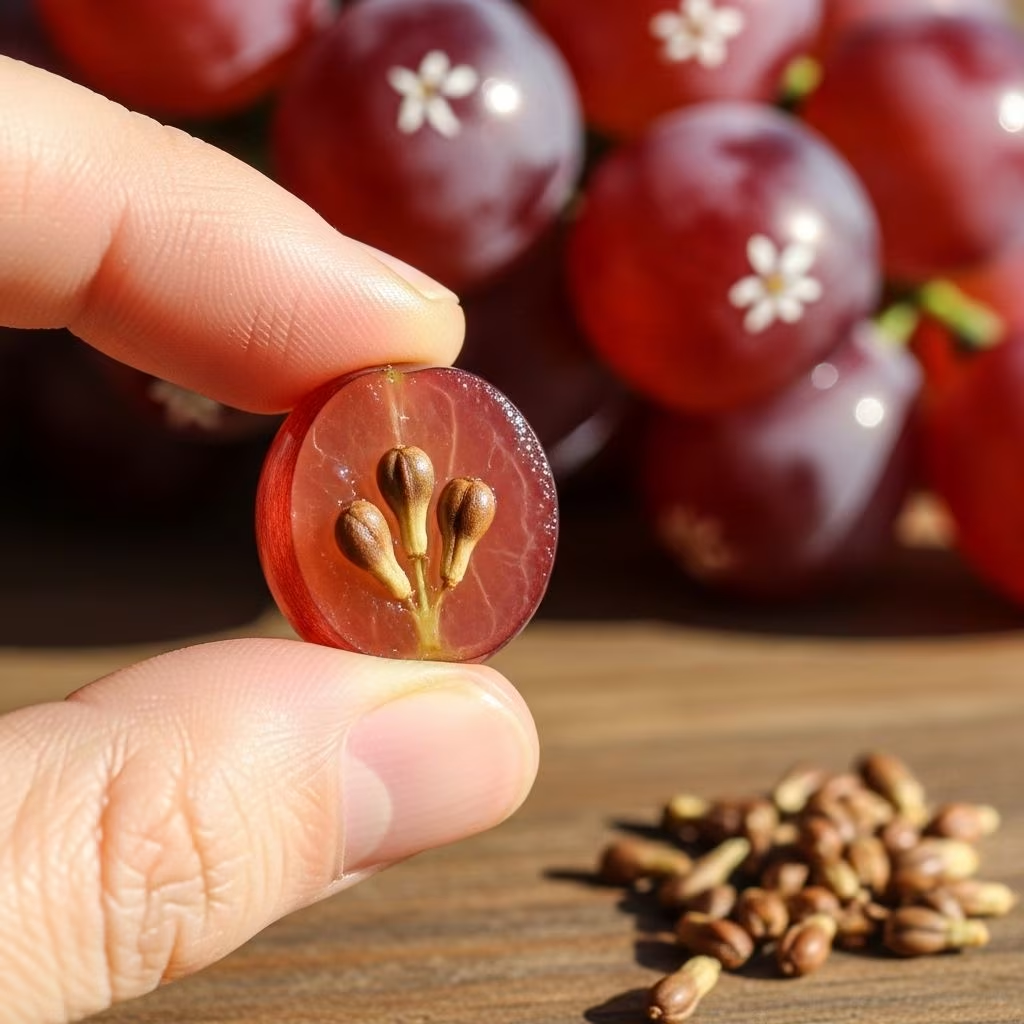
Grape seeds are the small, hard seeds found within the berries of Vitis vinifera—the common grapevine. Traditionally discarded during winemaking, they are now prized for their rich polyphenol content and versatility.
- They are present in most table and wine grapes (except seedless varieties).
- Used to produce grape seed oil, grape seed extract (GSE), and grape seed flour.
Much of the interest in grape seed comes from its exceptionally high levels of bioactive compounds, particularly proanthocyanidins (a subclass of flavonoids), which are potent antioxidants.
Composition and Nutritional Value
The unique chemical composition of grape seeds is the foundation of their health-promoting properties:
- Water: 25–40% (fresh); seeds are typically dried before industrial use.
- Oil: 10–25% (varies with grape variety and processing), rich in essential fatty acids.
- Cellulose and Lignin: 28–57%, offer dietary fiber benefits.
- Protein: 0.8–1.2% nitrogenous content, minor protein source.
- Tannins: 4–6%, contribute to antioxidant effects and taste.
- Minerals: Calcium, potassium, phosphorus, iron, manganese, copper, zinc in substantial amounts.
- Phenolic Compounds and Flavonoids: Includes proanthocyanidins, resveratrol, quercetin, catechins, which have significant antioxidant activity.
- Vitamins: Notably vitamin E (tocopherols) in the oil fraction.
- Carbohydrates: Composed primarily of cellulose and hemicellulose, contributing to bulk fiber.
Of particular importance, linoleic acid (an omega-6 fatty acid) is a major constituent of grape seed oil—making up 66–75% of the total fatty acids. This provides both dietary value and oxidative stability to the oil.
Chemical Composition Table (approximate ranges)
| Component | Percentage (% by weight) |
|---|---|
| Water (before drying) | 25–40 |
| Oil | 10–25 |
| Cellulose/Lignin | 28–57 |
| Protein (Nitrogenous) | 0.8–1.2 |
| Tannins | 4–6 |
| Minerals | 2–4 |
| Phenolics/Flavonoids | Up to 6 |
| Carbohydrates | 44–57 (primarily fiber) |
Health Benefits of Grape Seed
Grape seed and its derivatives (oil, extract, flour) have been researched for a wide spectrum of health benefits. While much of the evidence is from laboratory and animal studies, several human trials and meta-analyses have provided encouraging results.
Antioxidant Power
- Rich in Proanthocyanidins: These compounds neutralize free radicals, helping to mitigate oxidative stress—one of the root causes of cellular aging and many chronic diseases.
- Vitamin E Content: Found in grape seed oil, it acts as a natural preservative and antioxidant in the body.
Cardiovascular Health
- Cholesterol Reduction: Some analyses indicate grape seed extract may help lower LDL cholesterol and triglycerides, factors linked to heart disease.
- Blood Pressure: Meta-analyses suggest regular grape seed extract supplementation can decrease both systolic and diastolic blood pressure, particularly in individuals with metabolic syndrome.
- Anti-inflammatory Effects: By suppressing inflammatory pathways, grape seed compounds may support heart and blood vessel health.
Other Potential Health Benefits
- Anti-cancer Activity: Laboratory studies show anti-mutagenic and anti-tumor potential, attributed to polyphenols and resveratrol.
- Antimicrobial Properties: Some compounds inhibit growth of bacteria and fungi.
- Anti-diabetic Potential: Procyanidins may improve insulin sensitivity and glucose regulation, though human data are preliminary.
- Skin Protection: Topical and oral use support skin elasticity and resistance to UV-induced damage due to antioxidant and collagen-boosting effects.
- Wound Healing: Grape seed oil and extract have demonstrated enhanced wound healing and tissue regeneration in preclinical studies.
Summary Table: Evidence Overview
| Health Effect | Main Grape Seed Compounds Involved | Strength of Evidence |
|---|---|---|
| Antioxidant | Proanthocyanidins, Vitamin E | Strong (lab/human) |
| Cardiovascular Protection | Polyphenols, omega-6 fatty acids | Moderate (human/meta-analysis) |
| Cholesterol Control | Grape seed extract | Moderate (human/meta-analysis) |
| Anti-inflammatory | Polyphenols, flavonoids | Good (lab/human) |
| Anti-microbial | Phenolic acids, flavonoids | Limited (lab) |
| Anti-cancer Potential | Resveratrol, procyanidins | Preliminary (lab/animal) |
It’s important to note that while the science is promising, more large-scale, long-term human trials are needed to confirm many of these health effects.
Culinary and Industrial Uses
Grape seeds are valued not just for health, but also for their outstanding versatility in food technology, supplements, cosmetics, and more. Here are the key domains:
1. Culinary Applications
- Grape Seed Oil: With a high smoke point (up to 216°C/420°F) and neutral flavor, it is favored for salad dressings, marinades, baking, sautéing, and frying.
- Grape Seed Flour: The defatted seed meal (byproduct of oil extraction) is gluten-free and high in fiber. It adds nutrition and texture to bread, muffins, energy bars, and pasta.
- Whole Seeds: Sometimes eaten raw or roasted, though their hard texture often limits direct consumption.
2. Nutritional Supplements
- Grape Seed Extract (GSE): Popular as a capsule or powder for its antioxidant properties. Used in many anti-aging and cardiovascular formulations.
- Polyphenol-rich powders: Incorporated into wellness drinks, protein powders, and functional foods.
3. Cosmetics and Skincare
- Grape Seed Oil: Extensively used as a carrier oil in massage, hair care, and moisturizing products for its fast absorption and skin-compatible profile.
- Involved in anti-aging serums and healing ointments.
4. Industrial Uses
- In biofuel production due to high oil yield.
- As a stabilizer for other edible oils thanks to its oxidative resilience.
- Source of natural antioxidants for food preservation and animal feeds.
Taste Profile of Grape Seed
The taste of grape seed and its derivatives is distinctive and influences culinary use:
- Whole Grape Seeds: Have an astringent, bitter flavor due to high tannin and polyphenol content. Astringency can cause a dry, puckering mouthfeel—especially prominent when chewing raw seeds or drinking red wine with unfiltered residue.
- Grape Seed Oil: Offers a neutral, light, and faintly nutty taste, making it an ideal, unobtrusive base for many recipes. Its flavor profile enables pairing with delicate foods and dressings without overpowering them.
- Grape Seed Flour: Contributes a mild, slightly earthy flavor and a fibrous texture. Used in moderation to avoid excessive bitterness.
- Grape Seed Extract: Very concentrated; has a distinctly bitter, astringent flavor and is generally taken in capsule or tablet form.
How to Use Grape Seeds and Grape Seed Products
Adding grape seed and its byproducts to your lifestyle is easy and flexible. Below are common usage guidelines and quantities:
1. Culinary Usage
- Cooking Oil: Substitute grape seed oil for vegetable oils in high-temperature frying, sautéing, and roasting.
- Salad Dressings: Blend grape seed oil with herbs and vinegars for light, healthy vinaigrettes.
- Bakery Goods: Incorporate defatted grape seed flour (5–10% of total flour) into bread, cookies, or muffins to boost fiber and antioxidants.
- Raw or Roasted Seeds: Use sparingly in trail mixes or as a crunchy topping—be mindful of hardness and potential dental issues.
2. Supplementation
- Grape Seed Extract: Commercial products typically offer 100–300 mg per capsule. Common dosage ranges from 100–800 mg daily—but consult a healthcare provider for personalized advice.
3. Skincare and Haircare
- Apply grape seed oil directly to the skin as a moisturizer or carrier oil with essential oils.
- Use as a hair serum to add shine and tame frizz.
Safety and Side Effects
Grape seed products are considered generally safe when used as food or supplement, but some considerations and precautions are warranted:
- Allergy: Rare, but people with grape allergies should avoid grape seed products.
- Digestive Upset: High intake may cause nausea, headache, dizziness, or itchy scalp, especially with large doses of extract.
- Drug Interactions: Grape seed extract may enhance the effects of blood thinners (like warfarin) and should be used with caution in these populations.
- Pregnancy and Breastfeeding: Limited data; best to avoid supplementing with high-dose grape seed extract without professional guidance.
Oral supplementation studies (up to 14 weeks) found grape seed extract to be well tolerated by most people, but evidence for long-term safety and high doses remains sparse.
Frequently Asked Questions (FAQs)
Q: Can I eat grape seeds raw?
A: Yes, grape seeds are edible, but their hard and astringent character can be unpalatable. Most people prefer to consume grape seed in the form of extract, oil, or flour where the taste and texture are more manageable.
Q: Is grape seed oil suitable for high-heat cooking?
A: Yes, due to its high smoke point and stability, grape seed oil is excellent for sautéing, frying, and roasting.
Q: Does grape seed extract really help blood pressure?
A: Several studies and meta-analyses suggest that grape seed extract may help lower blood pressure, especially in people with metabolic syndrome or high-normal values, but more research is warranted for clinical recommendations.
Q: Are there any drug interactions with grape seed supplements?
A: Grape seed may interact with blood thinners or certain medications. Always consult a healthcare professional before starting a supplement regimen.
Q: What makes grape seed extract bitter?
A: The bitterness is due to high levels of polyphenols and tannins—compounds responsible for astringency and antioxidant effects.
Conclusion
From humble origins as a winemaking byproduct, grape seed has emerged as a star ingredient for wellness, culinary innovation, and natural skincare. Its impressive antioxidant content, healthy fatty acid profile, and functional uses across a wide range of industries make grape seed a valuable addition to the modern diet and lifestyle. Despite astringency and bitterness in its raw form, refined grape seed products deliver both health and flavor without compromise. As research grows, so too will our appreciation and application of this nutrient-dense seed.
References
- https://journal-of-agroalimentary.ro/admin/articole/90913L1_Mironeasa_Vol.1_01-02_2010_1-6-.pdf
- https://pmc.ncbi.nlm.nih.gov/articles/PMC4988453/
- https://en.wikipedia.org/wiki/Grape_seed_extract
- https://pubs.acs.org/doi/10.1021/acsfoodscitech.1c00367
- https://www.feedtables.com/content/grape-seeds
- https://en.wikipedia.org/wiki/Grape_seed_oil


