


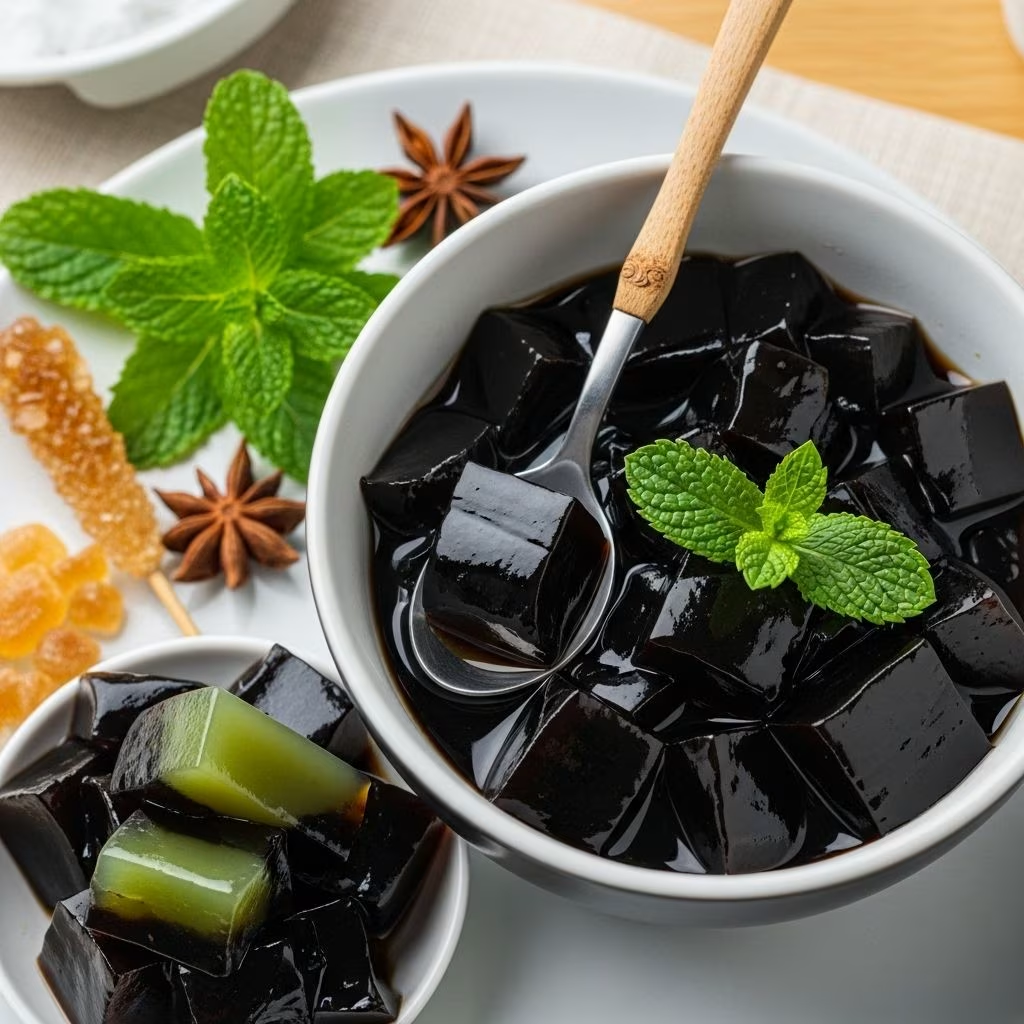
Grass jelly is a classic dessert and versatile food component, cherished across Asia for its intriguing flavor, unique texture, and rich history as both a culinary treat and herbal remedy. Its popularity is growing globally, yet many outside Asia may not know its origins, health benefits, or the range of ways it can be used. This comprehensive guide explores everything you need to know about grass jelly—from how it’s made, its nutritional and medicinal advantages, to how it delights taste buds and plays a starring role in regional and modern dishes.
Origins and Cultural Significance
Grass jelly, known in Mandarin as xiancao (仙草) or leaf jelly, has roots that trace back centuries to ancient China . The plant used most often is the Chinese mesona (Mesona chinensis or Platostoma palustre), a member of the mint family native to Southeast Asia . Historical accounts suggest that people have consumed grass jelly since the Tang Dynasty (618–907 AD), originally valuing it for its medicinal properties .
Over centuries, the jelly spread from China to neighboring countries, each developing its own styles and methods of enjoyment. Today, grass jelly is found in various forms across Taiwan, Malaysia, Indonesia, Vietnam, Thailand, and Hong Kong. In these regions, it is both a beloved dessert and a refreshing antidote to the summer heat, often imbued with cultural meanings of health, rejuvenation, and community sharing .
How Grass Jelly Is Made
The traditional preparation of grass jelly is a meticulous process that highlights both patience and artisanal skill:
- Harvesting: Farmers collect leaves and stalks of the Chinese mesona plant during the spring. The fresh plant is washed to remove dirt and impurities .
- Drying: The plant material is dried in the sun to oxidize, similar to tea leaf processing. Drying enhances the flavor and prepares it for extraction .
- Boiling: The dried stems and leaves are simmered in water for several hours (traditionally up to eight), producing a dark decoction called mesona extract .
- Coagulation: To transform the liquid into jelly, a natural coagulant like potassium carbonate or calcium hydroxide is added. Some recipes use a thickening agent such as cornstarch for additional body .
- Cooling: The mixture is poured into trays or molds, allowed to cool, and set until it achieves a firm, gelatinous consistency .
- Finishing Touch: Once solid, the jelly is usually cut into cubes or strips, ready to be added to drinks, desserts, or eaten on its own .
With modern convenience, grass jelly is also available in canned, bottled, or powdered forms—ideal for quick preparation but sometimes considered less flavorful or texturally authentic than the homemade version .
Is Grass Jelly All Natural?
Grass jelly, in its traditional form, is plant-based and considered natural . Its core ingredients are the leaves and stems of the Chinese mesona, water, and a natural coagulant. However, the purity and health impact can depend on production methods and additives:
- Homemade grass jelly generally uses a minimal, simple ingredient list, making it suitable for a range of diets and often free of artificial additives .
- Commercial grass jelly products may include sugar, preservatives, stabilizers, and even color enhancers for extended shelf life .
If you are seeking the most natural option, check ingredient labels on packaged products, or try making it at home.
The Unique Taste and Texture of Grass Jelly
Grass jelly is distinct among jellies due to both its flavor and mouthfeel:
- Taste: The jelly is mild, herbal, and earthy with subtle notes of mint or freshly cut grass. Unlike fruit-based jellies which feature overt sweetness, grass jelly’s taste is understated and can be an acquired one for those unfamiliar .
- Texture: It is smooth, bouncy, chewy, and slightly thicker than Western gelatin desserts. The jelly easily yields under a knife but holds its shape, delivering a satisfying, cool mouthfeel with each bite .
- Sweetness: Grass jelly itself isn’t sweet; it’s typically served with syrup, honey, evaporated milk, or paired with sweet toppings like fruit, beans, or tapioca pearls .
The overall eating experience is highly refreshing, especially when chilled—a fact that underlines its popularity as a cooling treat during hot weather .
Health Benefits of Grass Jelly
Grass jelly’s historical roots as a medicinal food remain relevant today, as various traditions and emerging research point to its potential health advantages:
- Cooling Effect: In traditional Chinese medicine, grass jelly is categorized as a cooling food, credited with lowering body heat and relieving symptoms such as heat stroke or fever.
- Digestive Aid: Grass jelly is believed to soothe the stomach, aid digestion, and reduce discomfort from indigestion or bloating.
- Antioxidant Properties: The mesona plant contains antioxidants that may help neutralize free radicals, though scientific studies are limited.
- Low Calorie: On its own, grass jelly contains few calories, making it a popular choice for those seeking a light dessert or beverage topping that doesn’t add excessive sugar or fat .
- Hydration: Grass jelly’s high water content helps with hydration, and its consumption is especially common in warm climates for this reason .
- Vegan and Allergen-Free: Pure grass jelly is both vegan-friendly and naturally free of common allergens like gluten and dairy.
Note: While these benefits are traditionally esteemed and some supported by nutritional profiles, scientific validation is ongoing and individual effects may vary. Always check with a healthcare provider if you have specific dietary or health concerns.
Culinary Uses: How to Enjoy Grass Jelly
Grass jelly’s versatility is a cornerstone of its global appeal. Here are popular ways to enjoy this herbal jelly:
- Dessert Bowls: Common in Taiwan, Hong Kong, and Malaysia, grass jelly forms the base or topping for bowls featuring taro, sweet potato, red beans, mung beans, or seasonal fruits. Drenched in a sugar syrup or evaporated milk, these bowls are refreshing treats .
- Bubble Tea Topping: Grass jelly is a favorite addition to bubble tea and other milk tea drinks, offering a more subtle and less sweet alternative to boba (tapioca pearls) .
- Mixed Drinks: Found in iced beverages throughout Southeast Asia, grass jelly is commonly combined with herbal teas, coconut milk, or lemonade for a cool summer drink .
- Standalone Snack: In traditional markets, it’s sliced and served straight with syrup or honey, sometimes alongside preserved roots or sago .
- Frozen Snacks: Modern kitchens use grass jelly as a component in homemade popsicles or ice-based desserts.
Common Variations and Regional Styles
Every region puts a unique spin on grass jelly. Here are some notable variations:
- Taiwan: Grass jelly bowls—combinations of grass jelly, taro balls, sweet potato balls, beans, and simple syrup.
- Hong Kong: Served in chilled drinks or as part of tong sui (sweet soups) alongside coconut milk, fruits, or sago pearls.
- Thailand: Found in sweet drinks like cha yen (Thai iced tea) and desserts with coconut milk and sugar syrup.
- Indonesia/Malaysia (Cincau): Known locally as “cincau,” included in drinks like es cincau hitam; usually sweetened heavily and often paired with grass jelly noodles or agar-type jellies.
- Vietnam: Known as “suong sam,” mainly in refreshing mixed drinks with basil seeds and sweet syrups.
Grass Jelly vs Other Jellies: Comparison Table
| Feature | Grass Jelly | Fruit Jelly (Gelatin/Agar) | Aiyu Jelly |
|---|---|---|---|
| Main Ingredient | Mesona plant (Platostoma palustre) | Fruit juice + gelatin or agar-agar | Aiyu seeds (Ficus pumila) |
| Color | Dark brown to black | Varies (clear to bright colors) | Pale yellow/clear |
| Taste | Herbal, earthy, minty | Sweet, fruity | Mild, slightly citrusy |
| Texture | Bouncy, smooth, chewy | Soft, smooth | Soft, delicate |
| Common Uses | Desserts, drinks, toppings | Desserts, snacks | Taiwanese beverages, desserts |
| Vegan? | Yes | Agar: Yes; Gelatin: No | Yes |
Buying and Preparing Grass Jelly at Home
Grass jelly can be found at Asian grocery stores in canned, bottled, powdered, and dried forms. Here are some tips for home preparation:
- Powdered/Canned Grass Jelly: The quickest route—simply slice and serve, or follow package directions to dissolve powder and let it set.
- Dried Mesona Plant: For the most traditional flavor and texture, try making grass jelly from scratch. Allow enough time for boiling and cooling.
- Flavor Pairings: For first-timers, combine grass jelly with sweetened condensed milk, fresh fruits, coconut milk, or honey to balance its herbal notes.
- Serving Temperature: Grass jelly is almost always served cold or at room temperature for maximum refreshment.
- Storage: Once made, store grass jelly in an airtight container in the refrigerator and consume within a few days.
Frequently Asked Questions (FAQs)
Q: Is grass jelly healthy?
On its own, grass jelly is low in calories, hydrating, and plant-based. It is also a source of antioxidants and is believed to have traditional cooling properties. However, packaged varieties may contain added sugars or preservatives. Enjoy it in moderation and pay attention to additives.
Q: Does grass jelly contain gelatin or animal products?
No, pure grass jelly is made entirely from plants and natural coagulants, making it suitable for vegetarians and vegans.
Q: Can I make grass jelly at home?
Yes—though it requires patience, as the process involves simmering dried mesona plant for hours and allowing it to set. Alternatively, grass jelly powder mixes are a convenient shortcut.
Q: Is the taste of grass jelly similar to Western jellies?
Not exactly; grass jelly has a unique herbal, slightly bitter flavor with minty notes. It is less sweet and more subtle compared to standard fruit jellies.
Q: Can grass jelly be used in savory dishes?
Grass jelly is rarely used in savory applications. Its flavor profile and texture are best appreciated in desserts, drinks, and snacks.
Q: How should grass jelly be stored?
Keep fresh or homemade grass jelly refrigerated in an airtight container, and consume within 3–5 days for best texture and safety.
References
- https://ricelifefoodie.com/what-is-grass-jelly/
- https://www.webstaurantstore.com/blog/3550/what-is-grass-jelly.html
- https://www.atlasobscura.com/foods/grass-jelly-china-taiwan
- https://nextgenboba.com/blogs/news/grass-jelly-powder-a-journey-from-ancient-asia-to-modern-foodie-heaven
- https://www.burwoodbrickworks.shopping/news/grass-jelly
- https://www.uwajimaya.com/uwajipedia/grass-jelly/
- https://www.threads.com/@_nathanaeladams/post/DJcP_qAMLse?hl=en


