


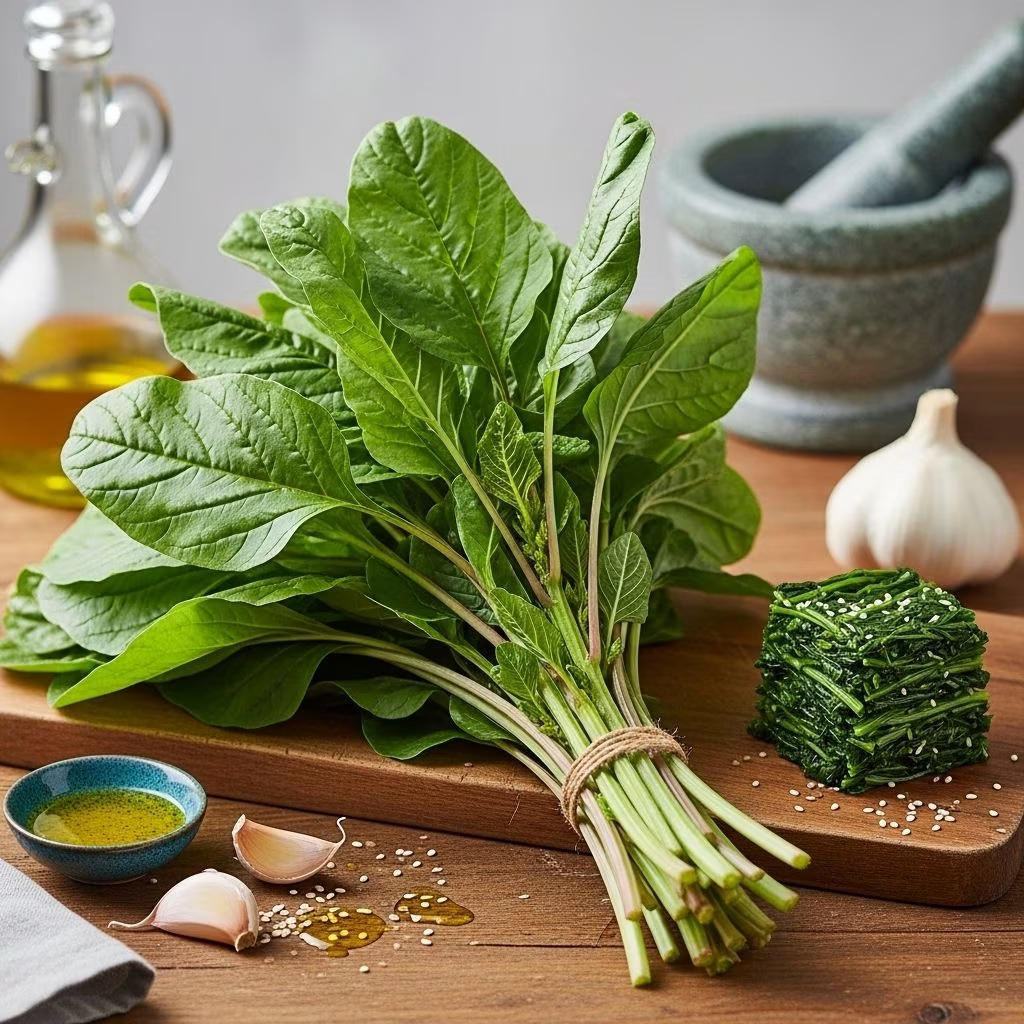
Green amaranth, commonly known as Chinese spinach (Amaranthus spp.), is a leafy vegetable cherished in many traditional cuisines and hailed for its impressive nutritional profile. With a delicate taste and versatility in cooking, green amaranth has become a staple for those seeking plant-powered nutrition and culinary variety. This comprehensive guide explores everything health enthusiasts, home cooks, and the nutritionally curious should know about green amaranth: its history, nutrition, benefits, uses, and culinary characteristics.
What Is Green Amaranth (Chinese Spinach)?
Green amaranth, also referred to as Chinese spinach, is a member of the Amaranthaceae family, which includes over 60 species grown for their leafy greens, seeds, and ornamental beauty. It thrives in warm climates and is cultivated across Asia, Africa, the Americas, and parts of Europe.
This leafy green is distinguished by:
- Broad, tender leaves: Often vibrant green, with some varieties displaying hints of red or variegation.
- Rapid growth: Thrives in summer and is ready for harvest within weeks of sowing.
- Edible stems and leaves: Used in traditional dishes, especially in Chinese, African, and Indian cuisines.
- Known as: “Chinese spinach,” “green amaranth,” “yin choi” (Cantonese), “bayam” (Indonesia, Malaysia), and “callaloo” (West Indies).
Green amaranth is distinct from conventional spinach (Spinacia oleracea) but shares comparable culinary uses and nutritional features.
Nutritional Value of Green Amaranth
Green amaranth greens are a powerhouse of nutrients, packing a wide array of vitamins, minerals, antioxidants, and dietary fiber—all with very few calories. A 100g serving delivers:
| Nutrient | Content per 100g | Notes |
|---|---|---|
| Calories | 23 kcal | Low-energy but nutrient-dense |
| Protein | 2.9 g | Good plant-based source |
| Iron | 29% DRI | Crucial for blood health |
| Potassium | More than spinach | Electrolyte balance |
| Calcium | 2x spinach | Bone and teeth health |
| Vitamin A | High | Eye and skin health |
| Vitamin C | High | Immunity, antioxidative |
| Folate | Ample | Cell growth, fetal development |
| Fiber | 2.2 g | Digestive wellness |
| B-Complex Vitamins | Good | Metabolism, brain function |
| Magnesium, Manganese, Copper, Zinc | Present | Metabolic and antioxidant activity |
- Low in fat: Only trace amounts, with negligible cholesterol.
- Rich in phytonutrients: Beta-carotene, antioxidants, and other plant compounds.
- Sufficient soluble and insoluble fiber: Supporting cholesterol control and digestion.
Note: Chinese spinach contains oxalic acid, which is harmless in moderate quantities but can impact mineral absorption if consumed in excess.
Health Benefits
Regularly including green amaranth in the diet can offer several protective effects and support holistic health:
- Supports cardiovascular health: High in potassium and magnesium—crucial for regulating blood pressure and heart function.
- Promotes bone health: Substantial calcium and vitamin K content help maintain strong bones and prevent osteoporosis.
- Fights anemia: Packed with iron, folate, and copper, essential for red blood cell production and preventing iron-deficiency anemia.
- Strengthens immunity: Rich in vitamins A and C, boosting immune response and combating inflammation.
- Encourages digestive wellness: Fiber and phytonutrients support GI tract health, promote regularity, and aid toxin removal.
- Eye protection: Beta-carotene and vitamin A content support visual health and can protect against age-related eye degeneration.
- Antioxidant activity: Phytonutrients and antioxidants reduce oxidative stress, potentially lowering the risk for chronic diseases and certain cancers.
- Cell growth and DNA repair: Folate supports cell division, fetal neural development, and repair of RNA/DNA.
- Supports metabolic health: B-complex vitamins like thiamine, riboflavin, and niacin help convert food into energy efficiently.
- Traditional medicinal use:
- Used in Traditional Chinese Medicine to cleanse the digestive tract and recover from heat stroke.
- Employed in African herbal remedies for stomachaches and general health promotion.
Culinary Uses and Applications
Green amaranth leaves are celebrated for their versatility in fresh and cooked dishes. They appeal to diverse palates and dietary needs.
- Raw preparations:
- Young leaves are added to salads for delicate texture and mild flavor.
- Mixed into raw sauces, dips, or as sandwich greens.
- Cooked dishes:
- Stir-fried with garlic and aromatics (classic in Chinese cuisine).
- Steamed or sautéed as a side dish.
- Simmered in soups, stews, and curries—layers well with meats and root vegetables.
- Used in African and Caribbean recipes with pork, smoked fish, or chili peppers for flavor enhancement.
- Generates colorful broths if using red-green varieties, lending visual contrast in presentations.
- Can replace spinach or Swiss chard in Western recipes (quiches, omelets, casseroles).
- Pairings:
- Garlic, ginger, shallots, chives
- Fresh herbs: cilantro, basil, parsley
- Proteins: seafood, pork, beef, poultry
- Spices: curry, cumin, cardamom
Tip: Due to their thicker leaves, mature green amaranth doesn’t get soggy when cooked, making them excellent for longer-simmered preparations.
Taste Profile
Green amaranth (Chinese spinach) offers a subtle combination of flavors that adapts well across cuisines:
- Mild and vegetal: Especially when young and raw. Adds gentle earthiness to salads and cold dishes.
- Slightly sweet with a hint of nuttiness: Upon cooking, some leafy bitterness is softened.
- No strong aftertaste: Tastes less earthy than kale or collard greens, and less metallic than traditional spinach.
- Absorbs accompanying flavors easily: Garlic, ginger, oil, and spices shine when cooked together.
In summary, green amaranth is prized for its pleasant, versatile flavor, making it appealing both to adventurous cooks and those seeking familiar, comforting greens.
Selection and Storage Tips
- Choose: Crisp, unwilted leaves with a vibrant green color. Avoid yellowing or slimy stems.
- Store: Unwashed greens in a plastic bag in the refrigerator; they stay fresh up to one week.
- Preparation: Rinse thoroughly to remove grit or soil before use.
Popular Recipe Ideas for Green Amaranth
- Chinese Style Stir-Fry: Sauté chopped leaves with garlic (optional ginger), splash of rice wine, and a pinch of salt.
- Soup with Amaranth Greens: Add cleaned greens to boiling chicken, vegetable, or dashi broth; simmer until tender.
- Caribbean Callaloo: Slow-cook amaranth with coconut milk, pumpkin, smoked fish, and chili. Serve as a main or side.
- Salad Bowl Addition: Mix small raw leaves with sesame oil, a dash of soy vinegar, and toasted seeds.
- Egg Dishes: Add sautéed greens to omelets, frittatas, or breakfast wraps.
- Curry: Simmer in spiced tomato gravy with lentils or potatoes for an Indian-inspired dish.
Green Amaranth vs Other Leafy Greens
| Green | Main Nutrients | Calories (per 100g) | Distinct Traits |
|---|---|---|---|
| Green Amaranth | Iron, Calcium, Potassium, Vit A/C | 23 | Mild taste, higher potassium and calcium than spinach |
| Spinach | Iron, Calcium, Vit A/C/K | 23 | Delicate leaves, versatile, more oxalates |
| Swiss Chard | Vit K/A/C, Magnesium | 19 | Thicker stems, earthy taste, less iron |
| Kale | Vit K/A/C, Calcium, Fiber | 49 | Robust leaf, strong earthy flavor |
- Green amaranth offers a pleasant substitute for spinach, especially for those seeking higher potassium and a slightly nuttier taste.
- Unlike kale or chard, amaranth’s thinner leaves cook quickly and absorb sauces readily.
Frequently Asked Questions (FAQs)
Q: Is green amaranth the same as regular spinach?
A: No. While both are leafy greens and share culinary uses, green amaranth is from a different botanical family and has higher potassium and calcium content.
Q: Is green amaranth safe to eat raw?
A: Yes. Young, tender leaves can be consumed raw in salads. However, larger leaves are best cooked for optimal digestibility and flavor.
Q: Does green amaranth contain oxalic acid?
A: Yes, similar to spinach. Individuals with kidney issues should moderate consumption, but normal amounts are safe for most people.
Q: What are the best ways to cook green amaranth?
A: Stir-frying, steaming, and simmering in soups are excellent. It absorbs flavors and holds texture well, making it ideal for cooked dishes across Asian and African cuisines.
Q: Is green amaranth suitable for vegetarians and vegans?
A: Absolutely. As a high-protein, mineral-rich plant food, green amaranth is recommended for vegetarian, vegan, and low-calorie diets.
Conclusion
Green amaranth (Chinese spinach) stands out as a versatile, nutrient-rich leafy green embraced in global cuisines for its subtle flavor and robust health benefits. Its high mineral, vitamin, and antioxidant content support weight management, heart, bone, immune, and digestive health. Whether enjoyed raw, steamed, or incorporated into bold international dishes, green amaranth’s gentle taste and texture make it a favorite among health-conscious cooks and food enthusiasts worldwide.
References
- https://resyncproducts.com/blogs/resync-blog/why-red-spinach-is-better-than-green
- https://specialtyproduce.com/produce/Chinese_Spinach_5397.php
- https://www.nutrition-and-you.com/amaranth-greens.html
- https://www.healthline.com/nutrition/foods/spinach
- https://www.webmd.com/diet/health-benefits-amaranth
- https://pmc.ncbi.nlm.nih.gov/articles/PMC8871380/
- https://substack.com/home/post/p-47101001


