


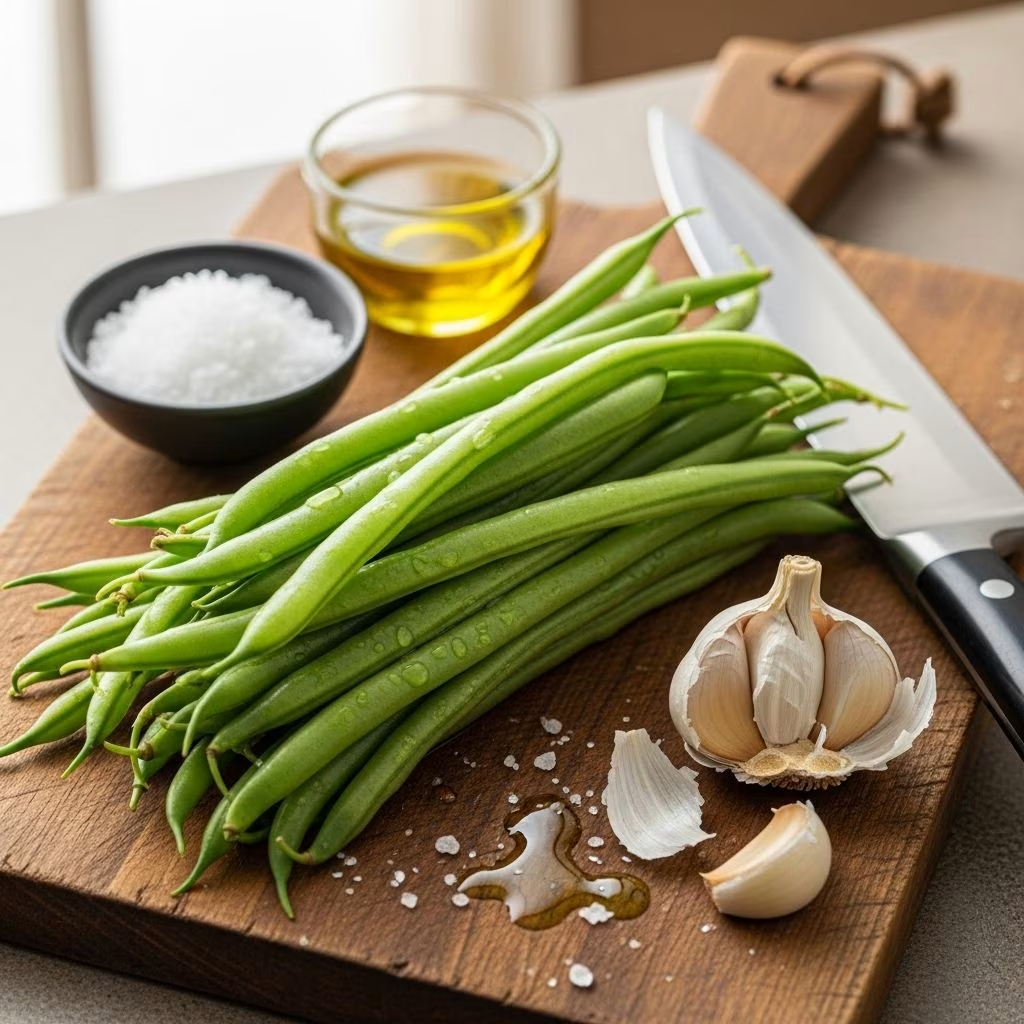
Haricot vert is prized in French cuisine and increasingly in global kitchens for its elegant appearance, tender texture, and versatile use. This article explores what sets haricot vert apart from other green beans, delves into its nutritional profile and health benefits, details preparation and culinary applications, and describes its delicate taste. Whether you are a home cook or a culinary enthusiast, haricot vert offers a delightful enhancement to a wide variety of dishes.
What Is Haricot Vert?
Haricot vert (pronounced ah-ree-koh vair) is the French term for “green bean.” However, in both culinary parlance and grocery labeling, it refers specifically to a delicate, thin, and slender variety of green bean—longer, narrower, and often more tender than the standard varieties found in American supermarkets. Haricot vert beans are harvested in their youth, resulting in their signature crispness and vivid green color.
This elegant vegetable is highly treasured in French cooking and has become a symbol of refinement for vegetable side dishes in fine dining contexts around the world.
Haricot Vert vs. Regular Green Beans
| Characteristic | Haricot Vert | Regular Green Bean |
|---|---|---|
| Length and Size | Usually longer and thinner; uniform in width | Shorter and thicker; often less uniform |
| Tenderness | More tender, delicate skin | Firm, sometimes fibrous |
| Flavor Profile | More subtle, refined, and slightly sweet | Earthier and sometimes more assertive |
| Harvest Time | Picked earlier for maximum tenderness | Allowed to mature longer |
| Cost | Generally more expensive | More affordable and widely available |
| Common Uses | Fine dining, salads, French-style sides | Everyday cooking, casseroles, soups |
Haricot vert’s refinement comes from both its genetics and the fact it is harvested before reaching full maturity. Many upscale restaurants and gourmet grocers prefer haricot vert for their appealing appearance and superior texture.
Nutritional Benefits of Haricot Vert
Haricot vert shares much of its nutritional profile with other green beans but stands out because it is often consumed fresher and with minimal processing. These slender beans are low in calories and high in dietary fiber, vitamins, and essential minerals, making them a smart choice for balanced diets.
- Low Calorie Density: With roughly 30–35 calories per 100 grams, haricot vert can be enjoyed copiously without contributing to excess caloric intake.
- Rich in Dietary Fiber: High fiber content supports healthy digestion and contributes to long-term satiety, aiding in weight management.
- Excellent Source of Vitamin C: Vitamin C in haricot verts is crucial for immune support and skin health.
- Good Source of Vitamin A: Beta-carotene, a precursor to vitamin A found in green beans, supports vision and cellular health.
- Folate and B Vitamins: These are essential for DNA synthesis and healthy red blood cell formation.
- Essential Minerals: Including potassium, iron, and magnesium, which help regulate fluid balance, oxygen transport, and muscle function.
Eating haricot vert helps round out daily vegetable servings while providing a burst of micronutrients vital for overall health.
Health Benefits
Integrating haricot vert into your diet supports a wide array of health benefits, largely thanks to its nutrient density and fiber content. Some of the notable health contributions include:
- Supports Digestive Health: Dietary fiber in haricot vert helps maintain digestive regularity and supports a healthy gut microbiome.
- Helps in Healthy Weight Management: Its low calorie and high fiber properties make it a valuable food for those looking to maintain or lose weight.
- Cardiovascular Support: Potassium and magnesium help regulate blood pressure, while fiber may help lower cholesterol levels.
- Boosts Immunity: With its high vitamin C content, haricot vert contributes to a robust immune system and may help reduce the duration of colds.
- Offers Antioxidant Protection: Haricot vert contains antioxidants like vitamin C, beta-carotene, and polyphenols, which combat oxidative stress and may reduce the risk of chronic diseases.
Culinary Uses and Preparation
Renowned for their versatility, haricot vert beans adapt beautifully to a range of cooking methods and cuisines. They can be served simply or dressed up for elaborate presentations. Here are some classic and creative uses:
- Blanched and Sautéed: Lightly boiled and then quickly sautéed with butter, olive oil, and aromatics such as shallots or garlic preserves their color and snap.
- Steamed: Steaming haricot vert softens their texture but preserves nutrients and bright flavor.
- Roasted or Grilled: Tossed with oil and roasted or grilled, they develop a deeper, slightly nutty flavor.
- Salads: Chilled, blanched haricot vert are a staple in composed salads, such as the classic French Salade Niçoise.
- Wrapped in Bacon or Prosciutto: A staple at French family gatherings, green beans wrapped in cured meats make for an elegant appetizer or side dish.
- Stir-Fries and Curries: Haricot vert can be added to Asian-inspired stir-fries or Indian curries for a quick-cooking, crisp vegetable component.
- Baked Dishes: Incorporated into tarts, casseroles, or savory cakes.
Haricot vert responds well to seasoning with lemon juice, fresh herbs, toasted nuts, or even bacon bits for added complexity.
Basic Preparation Steps
- Rinse haricot vert with cool water to remove any residual soil.
- Trim both ends with a sharp knife or snap by hand.
- Blanch briefly (2-3 minutes in boiling water) and shock in ice water to preserve color and crispness.
- Sauté, steam, roast, or dress according to recipe requirements.
Optimal cooking preserves a slight crunch—overcooking can render them mushy and dull in flavor.
Taste Profile of Haricot Vert
Haricot vert stands out for its refined taste and delicate texture. Descriptors often used by chefs and food lovers include:
- Crisp-Tender: Notably snappy when fresh and properly cooked, with a delicate bite.
- Mild and Sweet: Subtler and less grassy than regular green beans, sometimes with a faint nuttiness.
- Fresh and Clean: A flavor that holds up well whether served warm or in cold salads.
Because haricot vert is harvested earlier, it doesn’t develop the tougher, more fibrous qualities of mature beans. Its taste complements a wide range of flavors—from rich, buttery sauces to acidic dressings.
Storage and Selection Tips
Optimal taste and longevity begin with good selection and proper storage. Here’s how to get the most from your haricot vert:
- Selection:
- Look for vibrant green beans with smooth, unblemished skin.
- Beans should feel firm and snap crisply when bent.
- Uniformity in size ensures even cooking.
- Storage:
- Store unwashed beans in a perforated plastic bag or in the crisper drawer of your refrigerator.
- Temperature should be between 6–8°C (43–46°F) for optimal freshness.
- Consume within 3–5 days for peak flavor and texture.
Properly stored haricot vert maintains its freshness and nutrition, making it a reliable vegetable for weekly meal prep.
Growing and Harvesting Haricot Vert
Haricot vert cultivation is popular in France and temperate regions worldwide. The growing and harvesting process is characterized by meticulous attention to quality:
- Varieties: Several varieties suit different climates, with all selected for slender shape and tenderness.
- Planting Density: Seeds are spaced 7-10 cm apart to encourage straight, uniform pods.
- Growth Timeline: Beans are ready for harvest 45–60 days after sowing.
- Harvesting: Picking occurs in the cool early morning hours to preserve quality. Only unblemished, damage-free beans are selected for market.
- Post-Harvest Handling: Rapid refrigeration and quality checks ensure only the finest beans reach consumers.
Gardeners can cultivate haricot vert in home settings, enjoying both the beauty of the plant and the superior flavor of freshly picked beans.
Popular Recipes Featuring Haricot Vert
Classic French Sautéed Haricot Vert
- 1 pound fresh haricot vert
- 2 tablespoons butter or olive oil
- 1 shallot, finely chopped
- Salt and freshly ground black pepper to taste
- 1 teaspoon fresh lemon juice
Instructions:
- Trim both ends of the beans. Boil briefly just until crisp-tender, 3–5 minutes. Drain and plunge into ice water; drain again.
- Heat butter or olive oil in a skillet over medium-high; sauté shallot for 1 minute.
- Add beans; toss to coat and warm through. Season with salt, pepper, and lemon juice before serving.
Other Culinary Inspirations
- Haricot vert bundles wrapped in bacon or prosciutto for entertaining.
- Green bean almondine (sautéed with butter and toasted almonds).
- Salade Niçoise with haricot vert, potatoes, tuna, hard-boiled egg, and olives.
- Add to stir-fries or spicy curries for a crunchy, nutritious vegetable.
- Baked into savory quiches, vegetable cakes, or alongside roasted meats.
Frequently Asked Questions (FAQs)
Q: Are haricot verts and green beans the same thing?
A: While both are types of green beans, haricot vert is a specific French variety known for its slenderness and tenderness, harvested earlier for superior taste and texture.
Q: Is haricot vert healthier than regular green beans?
A: Both offer excellent nutritional benefits. Haricot vert may be slightly more nutrient-dense due to being harvested fresh and young, but differences are minor. Both fit well into a healthy diet.
Q: How long do haricot verts last after purchase?
A: When stored properly in a refrigerated environment (6–8°C or 43–46°F), they stay fresh for 3–5 days.
Q: Can I substitute haricot vert for green beans in recipes?
A: Haricot vert can substitute regular green beans in most dishes—adjust cook time to preserve their tender texture and subtle flavor.
Q: Are haricot verts suitable for freezing?
A: Yes, but for best quality, blanch briefly, cool in ice water, drain, and pack in freezer-safe containers.
Conclusion
Haricot vert offers more than just a visual upgrade to the dinner plate; it delivers superior texture, versatile culinary applications, and notable nutritional benefits. Whether enjoyed in classic French preparations or innovative modern dishes, this slender bean stands out for its elegance and flavor. Incorporate haricot vert into your meal rotation for a delightful taste of French-inspired refinement.


