


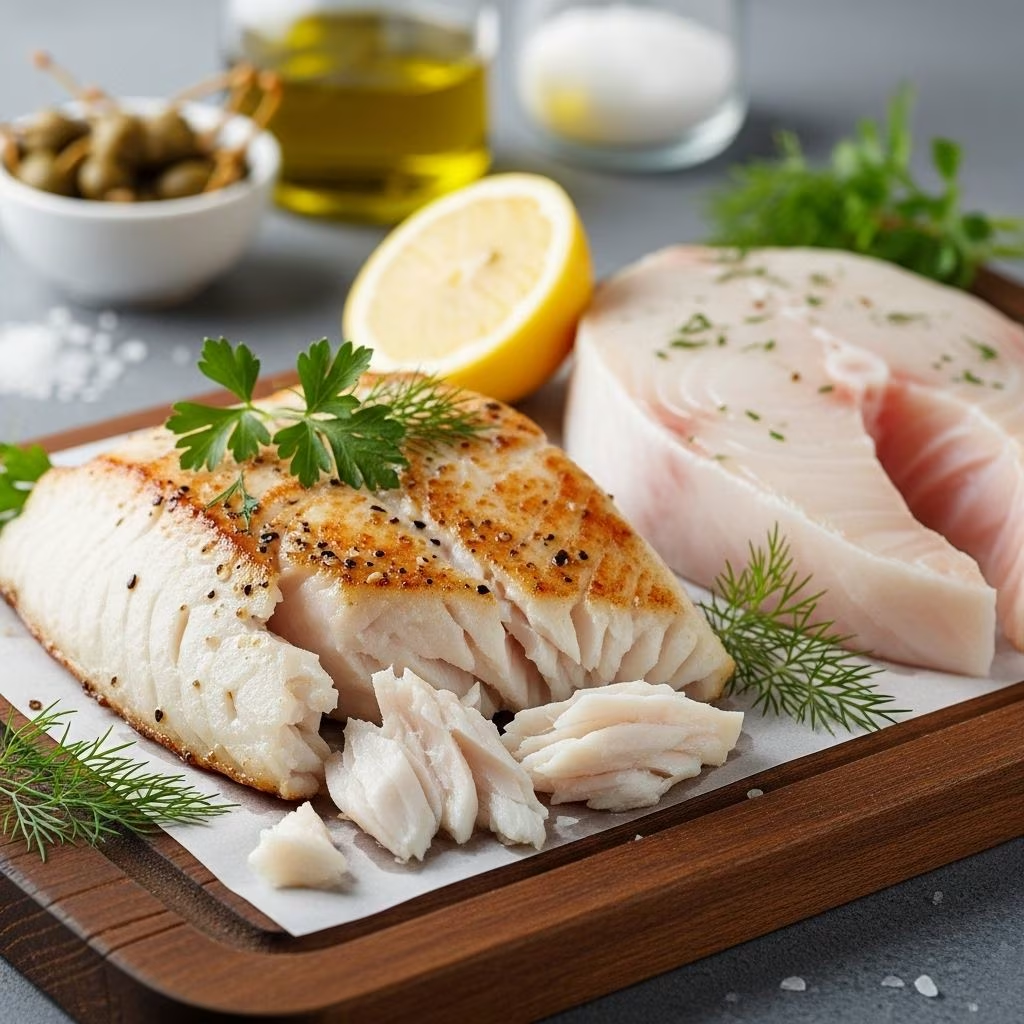
Halibut is not only one of the ocean’s largest flatfish but also a culinary gem adored by seafood lovers worldwide. Praised for its mild flavor, rich nutrient profile, and adaptability in kitchens from the Mediterranean to the coasts of Alaska, halibut stands out both as a wild-caught delicacy and a sustainable seafood option. This comprehensive article unpacks what halibut is, explores its health benefits, tells you how to cook it, and vividly describes its unique taste.
Introduction to Halibut
Halibut is the common name for several species of large, flat, demersal fish belonging to the family Pleuronectidae. These fish are prized for their firm, white flesh and mild flavor, making them a highly sought-after seafood worldwide. Halibut are unique among fish for their highly adaptive physical traits and longevity, with some individuals living over 50 years.
Halibut Species and Physical Characteristics
There are three main species of halibut most commonly recognized:
- Atlantic halibut (Hippoglossus hippoglossus)
- Pacific halibut (Hippoglossus stenolepis)
- California halibut (Paralichthys californicus)
Physical Characteristics
- Body Shape: Large, diamond- or oval-shaped, laterally flattened to allow them to lie seamlessly on the ocean floor.
- Size: Atlantic and Pacific halibut can exceed 8 feet in length and weigh over 500 pounds, though average catches are between 20–50 lbs.
- Coloration: Dark gray to brown on the upper (top) side for camouflage; the underside is pale or white, aiding in predator evasion.
- Eye Migration: Begin life with one eye on each side, but one eye migrates during development so both are on the upper side, allowing for superior camouflage and hunting on the seabed.
- Mouth and Teeth: Wide, tooth-lined mouth, suited for ambushing prey.
| Species | Scientific Name | Typical Range | Maximum Size |
|---|---|---|---|
| Atlantic Halibut | Hippoglossus hippoglossus | North Atlantic Ocean | Over 7 ft, 600+ lbs |
| Pacific Halibut | Hippoglossus stenolepis | North Pacific (Alaska to California; Russia to Japan) | Over 8 ft, 500+ lbs |
| California Halibut | Paralichthys californicus | Pacific Coast (Washington to Baja California) | Up to 5 ft, 72 lbs |
Habitat and Life Cycle
Halibut are native to the cold waters of the North Atlantic and North Pacific Oceans. Here are some notable features of their habitat and behavior:
- Habitat: Live on sandy or muddy bottoms of the continental shelf and slope, at depths from 20 to over 1,600 feet.
- Migration: Some populations migrate long distances (hundreds of miles) between spawning and feeding grounds.
- Lifespan: Halibut are slow-growing and can live for over 50 years, reaching sexual maturity between the ages of 8 and 12.
- Diet: As powerful ambush predators, halibut feed primarily on smaller fish (haddock, cod, herring), squid, crustaceans, and other benthic organisms.
Nutritional Benefits of Halibut
Halibut is highly esteemed in the nutritional world for its lean, protein-rich flesh and abundance of essential nutrients. A 3.5-ounce (100-gram) cooked portion of halibut typically provides:
- Calories: 90–120
- Protein: 20–23 grams (complete, high-quality protein)
- Fat: 1–2 grams (very low in overall fat)
- Omega-3 fatty acids: 300–700 mg, contributing to heart and brain health
- Vitamins: Rich in B12, niacin (B3), B6, and folate
- Minerals: Good source of selenium, magnesium, phosphorus, and potassium
Because of its low calorie count and extremely lean flesh, halibut is a favorite in diets emphasizing healthy weight or cardiovascular wellness.
Health Benefits of Eating Halibut
Including halibut in your diet can contribute several health benefits, due to its nutrient density and favorable fat profile:
- Supports Heart Health: The combination of lean protein, omega-3s, and high levels of vitamin B12 helps lower cholesterol and triglyceride levels, reducing the risk of heart disease.
- Brain and Nerve Function: Omega-3 fatty acids and vitamins B6 and B12 contribute to improved cognitive function, emotional well-being, and nervous system health.
- Muscle Growth and Repair: High biological-value protein aids muscle repair and maintenance for active individuals and older adults.
- Supports Healthy Pregnancy: Halibut provides key micronutrients (notably B vitamins, selenium, iodine) that are essential for fetal development.
- Rich in Antioxidants: Selenium, naturally present in halibut, helps neutralize free radicals and supports immune function.
Culinary Uses of Halibut
Halibut’s delicate flavor and firm flesh make it one of the most versatile seafood items in any kitchen. Its mildness pairs well with a wide range of herbs, spices, and ingredients from different cuisines. Here is how halibut is commonly used in culinary traditions:
- Grilled: Halibut holds its shape well on the grill, making it ideal for steaks and fillets.
- Baked or Roasted: Baking with lemon, herbs, and olive oil preserves moisture and brings out gentle flavors.
- Pan-Seared: A high-heat sear develops a crispy exterior while keeping the inside flaky and moist.
- Poached: Gently cooked in a liquid for a tender, delicate result, perfect for refined presentations.
- Broiled: Quick and effective, broiling halibut offers a slightly charred exterior for deeper flavor.
- Soups and Stews: Firm flesh holds up well in chowders, curries, and rustic fish soups, such as Scandinavian fish chowder.
- Raw in Sushi and Sashimi: Halibut is prized in Japanese cuisine for its clean taste and texture when served raw or lightly cured.
Because halibut is less oily than many other large white fish (like cod), its flavor is gentle, meaning it readily takes on the character of whatever spices or sauces accompany it.
What Does Halibut Taste Like?
Halibut is distinguished by a uniquely mild, almost sweet taste and firm, flaky texture:
- Mild Flavor: No strong fishy or briny notes, making it a favorite for those new to seafood.
- Slightly Sweet: A gentle sweetness comes through, especially in fresh wild-caught halibut.
- Lean and Clean: Almost no detectable oiliness or umami; flavor is less intense than cod or salmon.
- Firm Texture: Large, moist flakes that remain intact during cooking and can carry sauces or marinades well.
- Tender yet Substantial: Flesh is dense and hearty yet delicate in the mouth, offering satisfying mouthfeel and chew without being tough.
This balance of mild flavor and satisfying texture is why halibut is used in everything from gourmet restaurant plates to robust home-cooked meals, and it readily adapts to a variety of sauces, including citrus, cream, wine reductions, or herb pestos.
Halibut Sustainability and Conservation
Halibut populations have historically faced challenges due to overfishing, especially in the Atlantic. However, stringent fisheries management and international cooperation have led to positive changes in recent years.
- Vulnerability: Halibut are slow to mature and have relatively low reproductive rates, making populations susceptible to overharvesting.
- Improvements: Through regulated quotas, size limits, closed seasons, and habitat protections, Pacific halibut stocks are managed for sustainability by organizations such as the International Pacific Halibut Commission (IPHC).
- Consumer Awareness: When buying, look for sustainability certifications (such as MSC) or inquire if your halibut is wild-caught and sustainably sourced to support healthy marine ecosystems.
Buying, Storing, and Preparing Halibut
How to Buy the Best Halibut
- Appearance: Fresh halibut fillets should be translucent, moist, and free from discoloration or dryness.
- Smell: Clean ocean scent, not ammonia-like or ‘fishy’.
- Packaging: If frozen, check for intact packaging and no signs of freezer burn.
- Source: Prefer wild-caught, sustainably managed fisheries, especially from Alaska or certified sources.
Storing Halibut
- Fresh: Store in the coldest part of your refrigerator and use within 2 days, or on a bed of crushed ice.
- Frozen: Store at or below -18°C (0°F) and use within 6–12 months for top quality.
Preparation Tips
- Defrost Properly: Thaw frozen halibut in the refrigerator overnight, not at room temperature.
- Do Not Overcook: Because it is lean, halibut dries out if cooked too long. Aim for an internal temperature of 50–54°C (125–130°F).
- Pairing: Complement with light sauces, herbs, or a squeeze of lemon/lime to highlight its gentle flavor.
Frequently Asked Questions (FAQs)
Q: Is halibut a healthy fish to eat?
A: Yes, halibut is low in calories, high in protein, contains beneficial omega-3 fats, and provides important vitamins and minerals such as B12, selenium, and magnesium.
Q: What is the difference between Atlantic and Pacific halibut?
A: Both are large flatfish, but Atlantic halibut are generally larger. Pacific halibut are more common in seafood markets due to better-managed fisheries and healthier populations.
Q: Does halibut taste ‘fishy’ or oily?
A: No, halibut is known for its mild, sweet flavor and lean texture, making it appealing even to those who usually avoid fishy-tasting seafood.
Q: Is farmed halibut available?
A: Yes, some farmed halibut is produced, particularly in Norway and Canada, but the majority found in North America is wild-caught, especially in Alaska.
Q: Can halibut be safely eaten raw?
A: When sourced from reputable suppliers and handled properly, halibut can be enjoyed raw as sashimi or in ceviche, but always ensure it’s labeled sushi- or sashimi-grade to reduce the risk of parasites.
References
- https://www.mass.gov/news/creature-feature-atlantic-halibut
- https://en.wikipedia.org/wiki/Halibut
- https://www.adfg.alaska.gov/index.cfm?adfg=halibut.printerfriendly
- https://www.sizzlefish.com/pages/halibut
- https://animaldiversity.org/accounts/Paralichthys_californicus/
- https://www.hi.no/en/hi/temasider/species/halibut
- https://sea2table.com/blogs/news/halibut-facts-that-will-totally-blow-your-mind
- https://www.iphc.int/research/pacific-halibut-stock-status-biology/
- https://www.fisheries.noaa.gov/species/atlantic-halibut


