


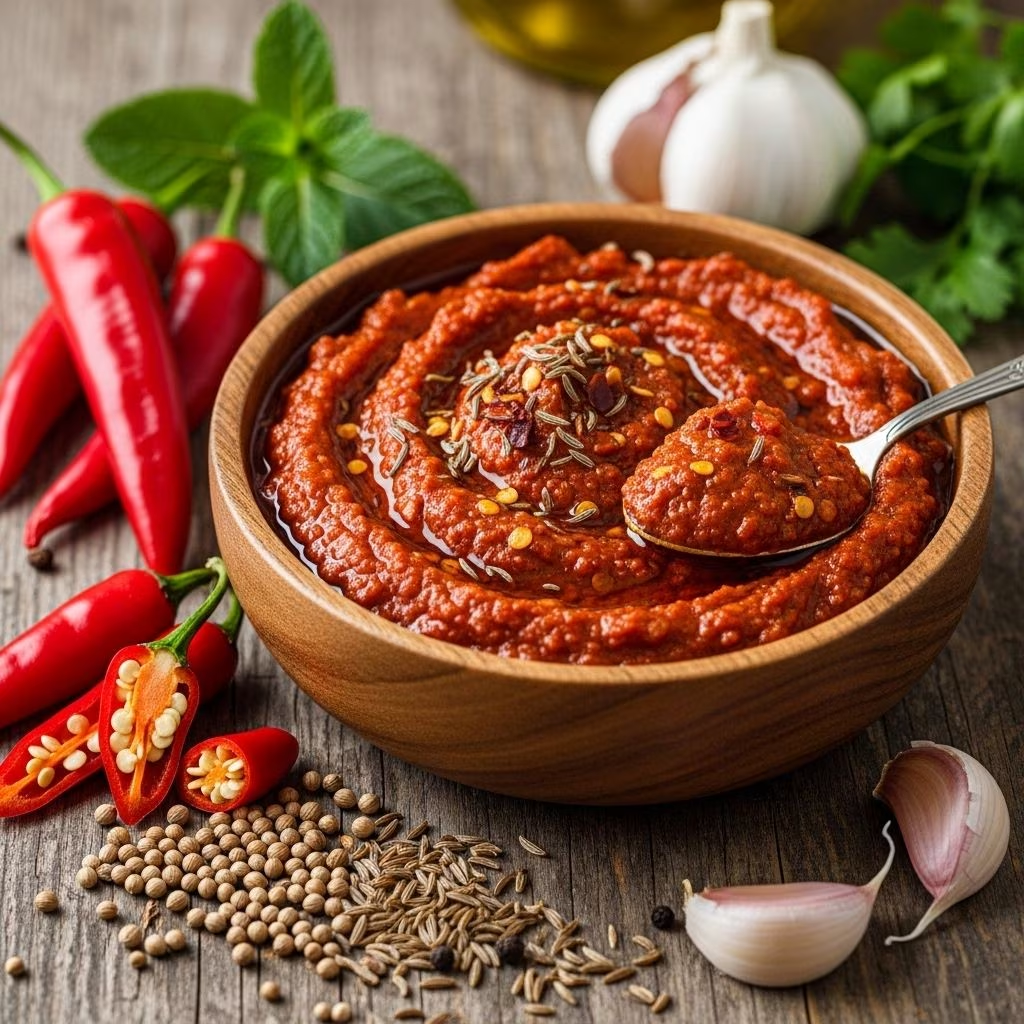
Harissa, a fiery and aromatic chili paste, is a culinary ambassador of North African cuisine, prized not only for its heat but for its unmistakable complexity and versatility. This article offers a complete guide to harissa—its rich history, traditional preparation, flavor profile, health benefits, and creative culinary uses. Whether you’re a professional chef or a curious home cook, understanding harissa will add a world of flavor to your kitchen.
Origin and History of Harissa
The story of harissa begins in the heart of North Africa, most notably in Tunisia but with historical threads weaving through Algeria and Morocco as well. The term itself comes from the Arabic root “harasa,” meaning “to pound” or “to crush,” a reference to the original method of preparing chilis and spices with mortar and pestle .
Harissa’s evolution is closely tied to world history:
- Pre-Chili Era: The word ‘harissa’ originally signified a wheat-based porridge rather than a chili paste .
- Arrival of Chilis: Chili peppers, native to the Americas, arrived in North Africa in the 16th century due to the Columbian Exchange, particularly during the Spanish occupation of Ottoman Tunisia between 1535 and 1574 .
- Tunisian Innovation: Locals in regions like Cap Bon began sun-drying chili peppers and pounding them with garlic and spices, creating the signature harissa paste that soon became a staple in Tunisian households .
- UNESCO Recognition: Tunisia is the world’s largest exporter of prepared harissa, which is recognized by UNESCO as part of Tunisia’s Intangible Cultural Heritage .
Over centuries, harissa’s fame spread beyond Tunisia, adapting subtle regional variations across North Africa and eventually achieving global recognition for its bold flavor.
Harissa Ingredients and Traditional Preparation
Harissa begins with simple, fresh ingredients that come together in a labor of love. The basic components are:
- Chili Peppers: Sun-dried red peppers (often Baklouti variety in Tunisia)
- Garlic: Pounded together with the chilies
- Spices: Caraway, coriander, and cumin seeds (sometimes ground as whole seeds, sometimes pre-ground)
- Salt
- Olive Oil: Both a flavor carrier and natural preservative
Some harissa recipes include additional spices or herbs, such as mint, smoked paprika, or lemon juice, according to local tastes.
Traditional Preparation:
- Chilies are soaked if dried, then pounded in a mortar and pestle with garlic, toasted whole spices, and salt.
- The mixture is blended to a paste, then olive oil is trickled in for smoothness and preservation.
- Homemade harissa is often left to mature for a few days, deepening its flavor.
This slow, hands-on method remains a point of pride in Tunisian households, even as commercial harissa becomes more widely available.
Regional Varieties of Harissa
Harissa’s journey across North Africa and into the Middle East has resulted in numerous regional variations:
- Tunisia: The classic—spicy and smoky, often with a hint of citrus from preserved lemon. Cap Bon is famed as the “Harissa Capital of the World” .
- Algeria: Local variants may add tomato, bell pepper, or even rose petals for aroma and color.
- Morocco: Moroccan harissa tends to be milder and may include additional herbs like mint or smoked paprika.
- Middle Eastern Spreads: While not always classified as harissa, similar chili-based pastes exist across the Levant.
Even within Tunisia, each family may boast their own closely-guarded recipe, adjusting the types and ratios of peppers and spices to taste.
Nutritional Benefits and Health Aspects
Harissa isn’t just about bold flavors—it also delivers notable nutritional and potential health benefits:
- Low in Calories and Fat: Harissa is naturally low in calories and contains minimal saturated fat, especially when used in small quantities.
- High in Vitamin C and Antioxidants: Chili peppers are an excellent source of vitamin C, beta-carotene, and other antioxidants that support immune health.
- Capsaicin for Metabolism and Pain Relief: The compound responsible for chili heat (capsaicin) has been associated with metabolism-boosting, appetite-reducing, and anti-inflammatory effects.
- Digestive Perks: Spices such as cumin and coriander aid in digestion and may help relieve bloating or indigestion.
- Potential Antimicrobial Properties: Garlic, a key ingredient, is known for antimicrobial and heart health benefits.
It’s important to note, however, that harissa is sometimes high in sodium due to the salty preservation, so those on salt-restricted diets should use it judiciously.
Culinary Uses of Harissa
Few condiments are as multifunctional as harissa. Its culinary uses span from a fiery dip to a transformative cooking paste:
- Marinade: Harissa is ideal for marinating meats (such as chicken, lamb, or fish), infusing them with heat and aromatic depth.
- Soup and Stew Base: Use it as a flavor enhancer in North African stews (like Moroccan tagine) and hearty bean or lentil soups.
- Condiment: Serve harissa as a table condiment, adding a spicy kick to sandwiches, shawarma, grilled vegetables, or couscous.
- Dipping Sauce: Mix harissa with yogurt or mayonnaise for a cooling, creamy dip.
- Spread: Smear it on bread, flatbreads, or toast. Combine it with hummus or avocado for a bold twist.
- Egg Dishes: Add to shakshuka, scrambled eggs, or omelets for a rich, spicy boost.
- Pasta and Pizza: Stir a little into tomato-based pasta sauces or drizzle over pizza for depth and heat.
This condiment’s versatility is one reason it has become a pantry staple far beyond North Africa.
Flavor and Taste Profile
The taste of harissa is a dynamic balance of elements:
- Spicy: The dominant note—how spicy depends on the chili variety and quantity used.
- Smoky and Earthy: Toasted caraway and cumin contribute an earthy depth.
- Garlicky: Fresh or roasted garlic infuses pungency.
- Lively and Tangy: Some versions include lemon juice or vinegar for brightness, balancing the heat.
- Complex and Aromatic: The interplay of spices, olive oil, and chilis gives harissa a long, lingering finish.
Overall, harissa is hot but not punishingly so; the best examples offer a rounded, flavorful heat with aromatic and citrusy highs.
How to Use Harissa: Tips and Pairings
- Start Small: Harissa can be potent. Begin with a teaspoon, then adjust to taste.
- Blend to Mellow: Mix with yogurt, mayonnaise, or sour cream for a milder, creamier condiment.
- Complement Flavors: Harissa pairs well with lamb, chicken, eggs, sweet root vegetables (like carrots or sweet potato), legumes, and grains such as couscous or quinoa.
- Global Fusion: Use harissa as a substitute for other hot sauces or spice pastes in world cuisines: stir it into Mexican salsas, Asian noodle sauces, or as a topping for pizza and burgers.
Experimenting with harissa can add unique flare to familiar dishes, transforming everyday meals into culinary adventures.
Buying and Storing Harissa
- Form: Harissa is sold in jars, tubes, cans, or as a dry spice blend that requires reconstitution with water and oil.
- Read the Label: Check for authentic ingredients—premium harissa contains only chilis, spices, garlic, olive oil, and salt, without additives or preservatives.
- Storage: Keep unopened commercial harissa in a cool, dark pantry. Once opened (or for homemade versions), store tightly sealed in the refrigerator. Topping the jar with a thin layer of olive oil can prolong its freshness and inhibit spoilage.
- Use Within: Homemade harissa is best enjoyed within two to three weeks. Commercial versions may last longer due to pasteurization and added acids.
How to Make Harissa at Home
Homemade harissa is simple and allows you to tailor flavor and heat to your liking. Here’s a basic method:
- Prepare Dried Chilies: Remove stems and seeds from 8–10 dried red chilies. Soak in hot water for 30 minutes until soft.
- Toast Spices: Lightly toast 1 tsp each of cumin, coriander, and caraway seeds in a dry pan until fragrant.
- Blend: Place chilies, spices, 3–4 garlic cloves, salt, and a few tablespoons of olive oil in a food processor. Blitz until a smooth paste forms, adding oil as needed for desired consistency.
- Tweak: For brightness, add a splash of lemon juice or vinegar. Taste and adjust spices and salt to preference.
- Store: Place in a sterilized jar, cover with olive oil, and refrigerate. Use as needed.
You can further personalize your harissa—try blending in fresh herbs, roasted bell peppers for sweetness, or smoked paprika for added complexity.
Frequently Asked Questions (FAQs)
What is the difference between harissa paste and harissa powder?
Harissa paste is made by blending chilis, spices, garlic, and oil into a thick, spreadable condiment. Harissa powder is a dry spice blend—you can mix it with water and oil to create a paste or sprinkle it dry on foods.
Is harissa always very spicy?
Not always. The heat level depends on chili type and quantity; some harissa is mild and aromatic, others fiery. You can control spice by using milder peppers or adding more oil or other ingredients to dilute the heat.
What can I substitute if I don’t have harissa?
Possible substitutes include sriracha, sambal oelek, or a blend of chili powder, paprika, cumin, and olive oil—though the flavor won’t be exactly the same due to harissa’s unique spice mix.
Does harissa contain gluten or common allergens?
Traditional harissa is naturally gluten-free and typically free of dairy, nuts, and soy. Always check labels on commercial brands for additives or cross-contamination if you have food sensitivities.
How long does homemade harissa last?
In the refrigerator, homemade harissa can last 2–3 weeks if stored in a sterilized jar and always topped with a layer of olive oil to preserve freshness.
Can harissa be used by people with dietary restrictions?
Harissa is suitable for vegan, vegetarian, halal, and kosher diets. It’s also low-calorie and nutrient-rich, but those watching sodium intake should use with care.
References
- https://spicetopiacooks.com/recipe/the-story-of-harissa/
- https://zwitafoods.com/blogs/news/the-true-story-of-harissa
- https://btleighs.com/blogs/lets-talk-about/harissa
- https://saharaharissa.com/pages/harissas-history
- https://en.wikipedia.org/wiki/Harissa
- https://evnreport.com/magazine-issues/harissa-tradition-and-resistance/
- https://www.souschef.co.uk/blogs/the-bureau-of-taste/everything-you-need-to-know-about-harissa


