


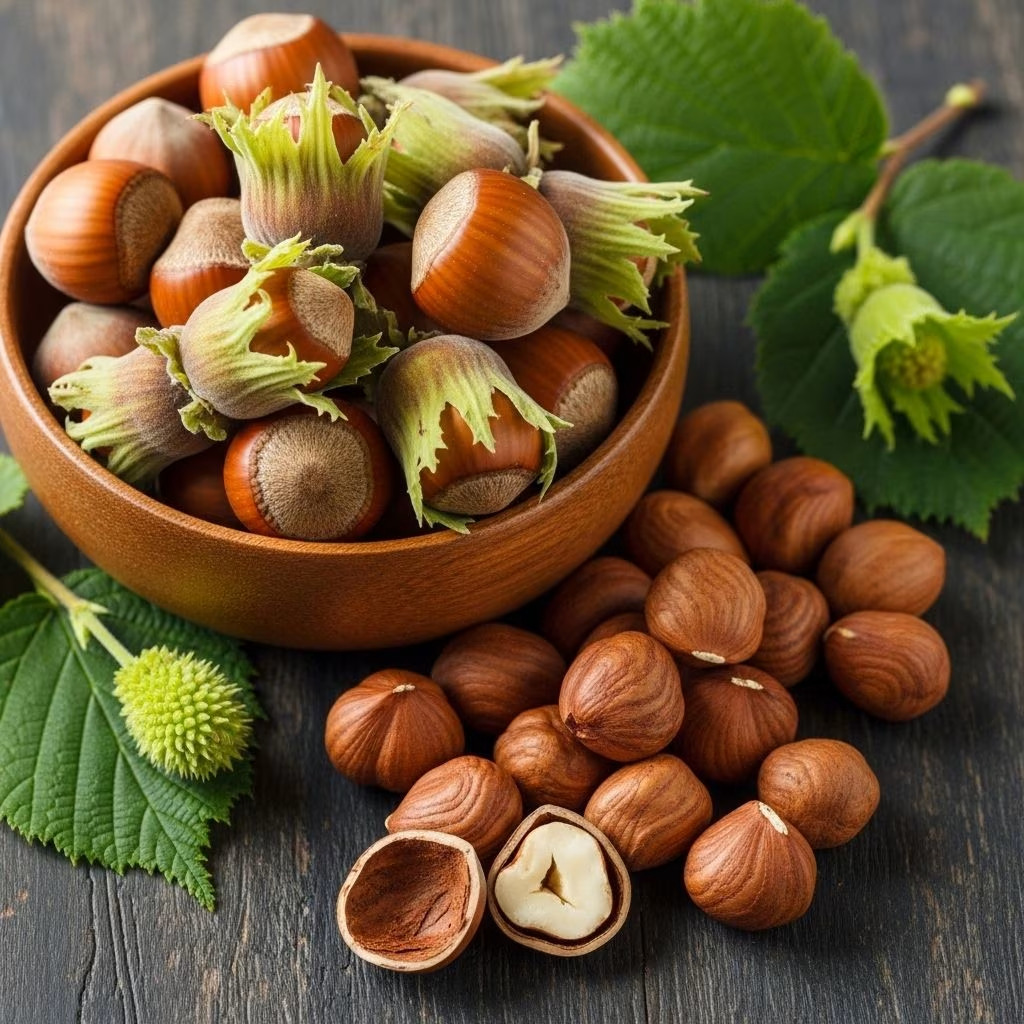
Hazelnuts are more than just a flavorful ingredient in chocolate spreads and gourmet desserts. These small, round nuts—often called filberts—are nutritional powerhouses, prized for their rich flavor and immense versatility. This article offers a comprehensive examination of hazelnuts, including their origin, nutritional value, scientifically backed health benefits, culinary uses, and what makes their taste distinct from other nuts.
What Are Hazelnuts?
Hazelnuts are the edible seeds of the Corylus tree, primarily Corylus avellana. They are also known as filberts or cobnuts, especially in different regions of Europe. Hazelnut trees thrive in temperate climates, with leading producers including Turkey, Italy, Spain, and the United States.
The nuts are encased in a hard shell, surrounded by a fibrous husk. They can be consumed raw, roasted, or processed into pastes, oils, and flours—reflecting their role as a staple in both traditional and modern cuisines worldwide.
- Botanical Family: Betulaceae (birch family)
- Growing regions: Turkey (largest), Italy, Spain, USA (Oregon, Washington)
- Common Names: Hazelnut, filbert, cobnut
Brief History and Cultural Significance
Hazelnuts have been cultivated for thousands of years, featuring in ancient diets and folk medicine for their perceived vitality-enhancing properties. In Europe, they are celebrated during harvest festivals, and in the Middle East, they are present in traditional sweets and pastries.
Nutritional Profile of Hazelnuts
Hazelnuts are densely packed with vitamins, minerals, healthy fats, and antioxidants. Here is a breakdown of nutrients found in a typical 28-gram (1-ounce, about 20 nuts) serving:
| Nutrient | Amount per 28g | % Daily Value (DV) |
|---|---|---|
| Calories | 176 kcal | – |
| Total Fat | 17 g | 26% |
| Protein | 4.2 g | 8% |
| Carbohydrates | 4.7 g | 2% |
| Fiber | 2.7 g | 11% |
| Vitamin E | 4.2 mg | 21% |
| Magnesium | 46 mg | 12% |
| Copper | 0.5 mg | 24% |
| Manganese | 2.3 mg | 87% |
Other key nutrients include B vitamins (especially B6 and thiamin), phosphorus, potassium, and zinc. Hazelnuts are notable for being high in monounsaturated fatty acids (like oleic acid), omega-6, and omega-9 fatty acids, supporting overall cardiovascular and cellular health.
Health Benefits of Hazelnuts
Scientific research indicates that hazelnuts not only serve as a nutritious snack, but also offer several health benefits when included in a balanced diet:
- Heart Health: Hazelnuts contain high levels of monounsaturated fats, primarily oleic acid, which help reduce LDL (bad cholesterol) while maintaining or increasing HDL (good cholesterol) levels. Their antioxidants and fiber further promote cardiovascular wellness.
- Rich in Antioxidants: High concentrations of vitamin E and phenolic compounds protect cells from oxidative stress, minimizing cell damage, aging, and potentially certain cancers. Most antioxidants are found in the hazelnut skin.
- Weight Management: Despite being calorie-dense, studies associate nut consumption—including hazelnuts—with reduced risk of weight gain. Their protein and fiber contribute to satiety, curbing overeating.
- Digestive Support: The dietary fiber in hazelnuts promotes regular bowel movements, supports gut health, and helps prevent constipation.
- Blood Sugar Management: Low glycemic index and healthy fat content make hazelnuts suitable for individuals needing blood sugar control, such as those with diabetes.
- Skin Health: Vitamin E, B vitamins, and oleic acid in hazelnuts foster skin repair, moisture, elasticity, and may help with anti-aging effects and inflammatory skin conditions.
- Cognitive Benefits: B vitamins and vitamin E support brain health and cognitive function.
- Potential Cancer Protection: Hazelnuts contain nutrients and phytochemicals with anti-cancer properties—including vitamin E, B6, and unique neolignans.
Detailed Benefits Overview
- Supports Bowel Movements: Fiber improves gut motility.
- Helps Lower Cholesterol: Regular consumption reduces LDL cholesterol and triglycerides.
- Protects Against Free Radicals: Antioxidant compounds counteract cell damage and support overall longevity.
Scientific Studies and Findings
- A month-long study where participants consumed 18-20% of their total caloric intake from hazelnuts showed significant reductions in total and LDL cholesterol as well as inflammation.
- A review covering over 400 subjects confirmed similar improvements in blood lipid profiles and arterial health.
- Most benefits are found when hazelnuts are consumed unpeeled and not excessively roasted, preserving antioxidant-rich skin.
Culinary and Non-Culinary Uses of Hazelnuts
Culinary Uses
Hazelnuts boast remarkable culinary versatility, gracing everything from everyday snacks to festive desserts:
- Snack: Eaten raw, roasted, or blanched.
- Baking: Incorporated into cakes, cookies, biscotti, brittle, and muffins for flavor and crunch.
- Confectionery: Star ingredient in pralines, truffles, and chocolate spreads (e.g., gianduja, Nutella).
- Salads and Savory Dishes: Chopped or ground for salads, pilafs, pesto, and crusts for meats and fish.
- Dairy Alternatives: Used in hazelnut milk and cream alternatives for those avoiding dairy.
- Oils: Hazelnut oil, prized for its aroma and healthy fats, is used in salad dressings and baking.
- Flours and Pastes: Hazelnut meal/flour for gluten-free baking; hazelnut butter and pastes for spreads and pastry fillings.
Non-Culinary Uses
- Cosmetics: Hazelnut oil is used for moisturizing and nourishing skin and hair.
- Traditional medicine: Portions of the nut and oil have been used in herbal remedies for skin health and general wellbeing.
- Wood products: The wood from hazelnut trees is utilized for tool handles, fencing, and artisanal crafts.
What Do Hazelnuts Taste Like?
The unique appeal of hazelnuts comes from their distinctive flavor profile. Hazelnuts are:
- Slightly sweet and buttery, with pronounced nutty undertones.
- Earthy with hints of roasted aroma (especially after toasting).
- Crunchy texture when raw, becoming somewhat creamier when roasted or ground into pastes.
The depth of flavor is enhanced by roasting, which brings out caramelized notes and intensifies the nuttiness. This versatility allows hazelnuts to blend seamlessly with sweet and savory dishes.
| Form | Taste & Texture | Typical Uses |
|---|---|---|
| Raw | Mildly sweet, slightly grassy, crisp | Snacks, salads, granola |
| Roasted | Intense, warm, fragrant, crunchy | Confectionery, bakery, nut blends |
| Ground (Paste/Butter) | Smooth, creamy, rich, sweet | Spreads, fillings, sauces |
| Oil | Delicate, nutty aroma | Dressings, drizzling, skincare |
Potential Side Effects and Considerations
- Nut Allergies: Hazelnuts are common allergens; people with known nut allergies should avoid them and check labels on processed foods.
- Caloric Density: While nutritious, hazelnuts are high in calories—portion control is suggested, especially for those on calorie-restricted diets.
- Phytic Acid Content: Hazelnuts contain phytic acid, which can interfere with absorption of some minerals (iron, zinc). For most people with varied diets, this is not a concern.
- Roasting Impact: Roasting can reduce antioxidant content; consuming raw or lightly roasted, unpeeled hazelnuts gives maximum benefit.
Hazelnuts vs. Other Popular Nuts
| Nut | Calories (per 28g) | Notable Nutrients | Saturated Fat | Glycemic Index | Taste |
|---|---|---|---|---|---|
| Hazelnuts | 176 | Vitamin E, copper, manganese, healthy fats | Low | Low | Sweet, buttery, earthy |
| Almonds | 164 | Vitamin E, calcium, magnesium | Moderate | Low | Mildly sweet, crunchy |
| Walnuts | 185 | Omega-3s (ALA), copper, antioxidants | Higher | Low | Earthy, slightly bitter, buttery |
| Pecans | 196 | Vitamin E, zinc, healthy fats | Moderate | Low | Buttery, sweet, smooth |
- Hazelnuts are richer in iron, potassium, and fiber than walnuts, have less saturated fat, and a lower glycemic index, making them gentle on blood sugar.
Frequently Asked Questions (FAQs)
Are hazelnuts suitable for people with nut allergies?
No, hazelnuts are tree nuts and can trigger serious allergic reactions in those with nut allergies. Always consult a physician if you are unsure.
Is it better to eat hazelnuts raw or roasted?
Eating hazelnuts raw or lightly roasted (with skins on) maximizes antioxidant intake. Roasting enhances taste but can decrease some nutrients.
How many hazelnuts should I eat daily?
A moderate serving—about 28 grams (1 ounce or ~20 nuts)—is ideal for most adults, providing nutrients without excessive calories.
Are hazelnuts gluten-free?
Yes. Naturally, hazelnuts contain no gluten, making them safe for those with celiac disease or gluten intolerance.
Can hazelnuts help improve my skin?
Yes. Vitamin E, B vitamins, and healthy fats in hazelnuts contribute to skin repair, moisture, and anti-aging effects.
What is hazelnut meal?
Hazelnut meal is a coarse flour made from ground hazelnuts, used in gluten-free baking or as a crumb coating.
Where are most of the world’s hazelnuts produced?
Turkey is the largest exporter, followed by Italy, Spain, and the United States.
Can I use hazelnut oil for cooking?
Hazelnut oil has a delicate flavor and high smoke point, making it suitable for finishing dishes and salad dressings rather than high-heat frying.
Do hazelnuts contain omega-3 fatty acids?
Hazelnuts primarily contain omega-6 and omega-9 (oleic acid) fats. For significant omega-3 content, walnuts are a better choice.
Conclusion
Hazelnuts stand out among nuts for their delicious flavor and multifaceted benefits. From supporting heart and digestive health to elevating both sweet and savory dishes, they exemplify taste meeting nourishment. Adding hazelnuts to your diet in moderation can deliver a host of health-protective nutrients—making them a smart and satisfying choice for most individuals.
References
- https://www.healthline.com/nutrition/hazelnut-benefits
- https://naturesgarden.net/blogs/tips/health-tips-roasted-hazelnuts-health-benefits
- https://www.medicalnewstoday.com/articles/323807
- https://thegrandhealthcare.com/hazelnuts-healthy-nut/
- https://foodstruct.com/nutrition-comparison-text/nuts-hazelnutsorfilberts-vs-walnut
- https://www.webmd.com/vitamins/ai/ingredientmono-865/hazelnut
- https://pmc.ncbi.nlm.nih.gov/articles/PMC8910742/
- https://www.youtube.com/watch?v=-eA0IB6TW_0


