


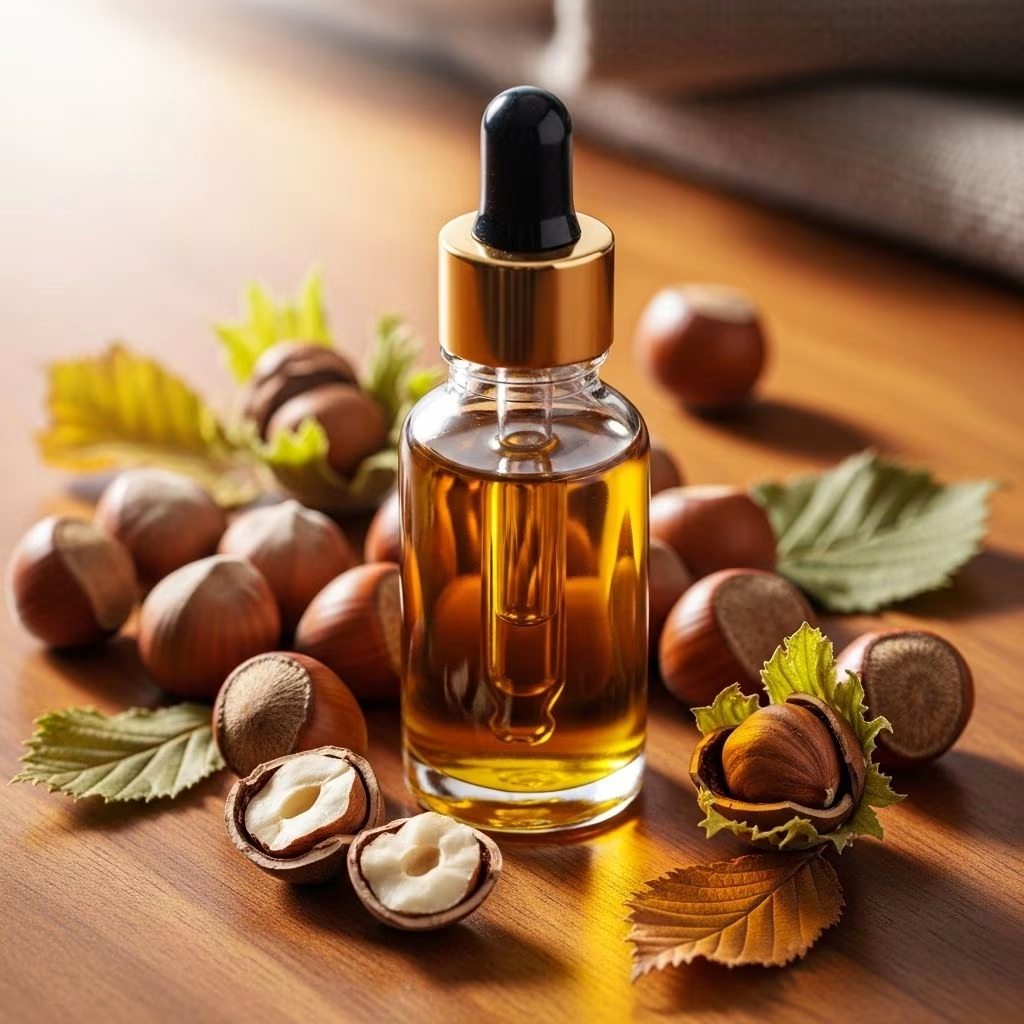
Hazelnut oil, extracted from the kernels of Corylus avellana (the hazelnut tree), has emerged as a popular natural treatment for both oily and dry hair types. Rich in monounsaturated fatty acids, antioxidants, and important vitamins, hazelnut oil penetrates the hair and scalp to nourish, restore, and protect. In this comprehensive guide, discover the science-backed benefits of hazelnut oil for hair, effective methods of use, best practices, and answers to common questions.
What Is Hazelnut Oil?
Hazelnut oil is a botanical oil derived from cold pressing the nuts of the hazelnut tree. Its light texture and golden hue make it a sought-after ingredient in gourmet cooking, skincare, and especially hair care products. Unlike heavier oils, hazelnut oil is easily absorbed, delivering nutrients deep into the scalp and hair shafts without weighing strands down.
Main features of hazelnut oil:
- Originates from the hazelnut tree, Corylus avellana.
- Has a light, non-greasy consistency—ideal for hair and scalp treatments.
- Contains high levels of omega-9 fatty acids (mainly oleic acid), vitamin E (tocopherol), and phytosterols.
- Mild, nutty aroma appreciated in aromatherapeutic routines.
Nutritional Profile of Hazelnut Oil
Hazelnut oil’s remarkable effects stem from its unique nutritional composition:
| Component | Approximate Percentage / Contribution |
|---|---|
| Oleic Acid (Omega-9) | 75-80% |
| Linoleic Acid (Omega-6) | ~10% |
| Palmitic Acid | ~5% |
| Vitamin E (Tocopherol) | Powerful antioxidant activity |
| Phytosterols | Supports skin barrier and hair follicle health |
| Tannins | Natural astringent, helps with scalp balance |
Hazelnut oil also contains a variety of polyphenols and minerals, contributing to its antioxidant and protective properties.
Hair Benefits of Hazelnut Oil
The application of hazelnut oil provides a spectrum of benefits for different hair and scalp needs, supported by both anecdotal use and research insights:
Nourishes, Repairs, and Moisturizes
- Deep moisturization: The high oleic acid content penetrates hair fibers, delivering lasting hydration for dry and brittle hair.
- Repair and shine: With regular use, hazelnut oil restores luster and prevents split ends, making hair more manageable and reducing frizz.
- Emollient action: Smooths down the cuticle for sleek, soft hair and easier detangling—especially useful for curly or textured hair.
Regulates Sebum and Supports Oily Scalps
- Sebum regulation: Hazelnut oil’s astringent and balancing effects help normalize sebum production, making it a choice treatment for oily scalps and hair that appears greasy too quickly.
- Pre-shampoo scalp massage: Applied before washing, it lifts excess oil and impurities, purifying the scalp without stripping natural moisture.
Protects Against Damage
- Antioxidant defense: Vitamin E and polyphenols guard hair from oxidative stress, UV exposure, and environmental pollutants, helping maintain long-term hair strength and color.
- Strengthens hair fibers: Regular use reduces the likelihood of breakage and split ends, thanks to its fatty acid profile and protective film-forming ability.
Promotes Healthy Scalp
- Reduces dandruff and irritation: Gentle anti-inflammatory properties calm itchy, flaky, or inflamed scalps and may improve microcirculation, supporting hair growth.
- Improves scalp barrier: Strengthens the hydrolipidic film, shielding the scalp against pollutants and over-drying.
Enhances Hair Elasticity and Curl Definition
- By locking in moisture, hazelnut oil enhances elasticity and definition, making it particularly beneficial for curly, coily, or wavy hair types.
How to Use Hazelnut Oil on Hair
Hazelnut oil can be used alone or blended with other carrier or essential oils, depending on individual hair needs. Here are the key application methods:
1. Scalp Massage (Pre-Shampoo Treatment)
- Apply 2–3 drops (or more for longer/thicker hair) to your fingertips and gently massage into the scalp in circular motions.
- Leave on for at least 15–30 minutes, up to 1 hour for deeper treatment.
- Shampoo as usual to remove excess oil and impurities.
- Frequency: 2–3 times weekly for best results on oily or unbalanced scalps.
2. Leave-In Conditioner or Styling Aid
- After washing, rub a few drops of hazelnut oil between your palms.
- Lightly apply to the lengths and ends of damp (or dry) hair to seal moisture, add shine, and tame frizz.
- For curly hair, scrunch through for extra curl definition.
3. Hot Oil Treatment
- Slightly warm 1–2 tablespoons of hazelnut oil (never too hot; it should be skin-comfortable).
- Apply generously to scalp and hair, cover with a shower cap or towel, and leave for 30–45 minutes.
- Wash out thoroughly with a mild shampoo.
- Do this treatment once a week for intensive repair and moisture.
4. Blended Hair Masks
- Mix hazelnut oil with hydrating agents such as honey, avocado, egg yolk, or aloe vera for a customized hair mask.
- Apply to clean, damp hair and leave for 20–30 minutes before rinsing.
- Adjust ingredients according to personal hair concerns (e.g., honey for extra moisture, tea tree oil for dandruff).
Application Tips and Best Practices
- Start with a small quantity and build up as necessary—hazelnut oil is concentrated and a little goes a long way.
- Always perform a patch test to rule out allergies, especially for those with sensitive skin or nut allergies.
- Use pure, cold-pressed, unrefined hazelnut oil for maximum potency and to avoid synthetic additives.
- Consistency is key: regular applications yield cumulative improvements in hair texture, shine, and scalp health.
- For blended masks, ensure all ingredients are fresh and compatible with hazelnut oil for optimal benefits.
Potential Risks and Precautions
- Allergic Reactions: Those with known nut allergies should avoid topical application or perform a careful patch test, as hazelnut oil is derived from tree nuts.
- Comedogenic Risk: While hazelnut oil has a low comedogenic rating and is suitable for most skin and scalp types, exceptionally oily or acne-prone skin should use with caution and monitor for buildup.
- Product Purity: Verify product labels for pure, cold-pressed hazelnut oil. Avoid oils with artificial fragrances, silicones, or preservatives that may cause irritation.
- Pregnancy & Medical Conditions: Consult a healthcare professional before starting any new topical regimen if pregnant, nursing, or if you have chronic scalp/skin conditions.
Hazelnut Oil vs Other Hair Oils: A Comparison
| Oil Type | Key Benefits | Texture | Ideal For |
|---|---|---|---|
| Hazelnut Oil | Lightweight, sebum-regulating, antioxidant protection, moisturizing, scalp soothing | Light, absorbs easily | Oily, dry, or sensitive scalps; curly hair |
| Coconut Oil | Deep conditioning, prevents protein loss, reduces frizz | Medium-heavy, may feel greasy | Dry or damaged hair; not always suitable for oily scalp |
| Argan Oil | Rich in vitamin E, tames frizz, boosts shine | Medium, non-greasy | All hair types, especially for shine |
| Jojoba Oil | Balances scalp’s natural oils, anti-inflammatory | Very light, absorbs fast | Oily/balanced scalps, sensitive skin |
| Olive Oil | Deep hydration, protects against damage | Thick, heavy | Dry, thick, or textured hair |
Frequently Asked Questions (FAQs)
Q: Can I use hazelnut oil on color-treated hair?
A: Yes. Hazelnut oil is gentle and can help preserve hair color by shielding strands against oxidative stress. Its antioxidant content (notably vitamin E) protects treated hair from environmental damage, but always test on a small section if your hair is highly processed.
Q: Does hazelnut oil make hair greasy?
A: When used in moderation, hazelnut oil absorbs quickly and does not leave a greasy residue. Using only a small amount ensures hair feels light and refreshed.
Q: Can hazelnut oil help with dandruff?
A: Hazelnut oil’s anti-inflammatory and moisturizing properties can help soothe a dry, itchy, or flaky scalp. Regular pre-shampoo massages may reduce visible dandruff and promote healthier scalp conditions.
Q: How does hazelnut oil affect hair growth?
A: While it won’t stimulate new hair follicles, hazelnut oil can create the ideal scalp environment (balanced sebum, reduced irritation) for healthy hair growth, supporting existing follicle strength and reducing breakage.
Q: Can hazelnut oil be used in conjunction with other oils?
A: Absolutely. Hazelnut oil pairs well with nourishing oils like argan, jojoba, or coconut to tailor treatments for unique hair needs. For scalp-specific issues, mix with a few drops of tea tree or rosemary essential oil (after a skin patch test).
Q: How long does it take to see results from hazelnut oil?
A: Results are noticeable after the first use for shine and softness, but consistent application for at least 3–4 weeks will reveal fuller improvements in scalp health, elasticity, and overall hair resilience.
Key Takeaways
- Hazelnut oil is an effective, lightweight botanical oil for nourished, balanced, and shiny hair.
- Regular use can address both oily and dry scalp conditions, protect hair fibers, and enhance shine without greasy buildup.
- Always opt for high-quality, minimally processed oil, and adapt frequency to personal hair type and needs.
References
- https://us.typology.com/library/the-benefits-of-hazelnut-oil-on-your-hair
- https://innatesplendore.com/blogs/ayurveda/the-benefits-of-hazelnut-oil-a-natural-elixir-for-skin-hair-and-health
- https://socialitebeauty.ca/blogs/cleanbeautyguide/hazelnut-oil
- https://pmc.ncbi.nlm.nih.gov/articles/PMC10255299/
- https://www.healthline.com/health/beauty-skin-care/hazelnut-oil-for-skin
- https://www.indiannaturaloils.com/blogs/Food/Hazelnut-Oil-Benefits
- https://makasa.org/en/article/maslo-ot-leshnik-polzi-i-prilojeniya/


