


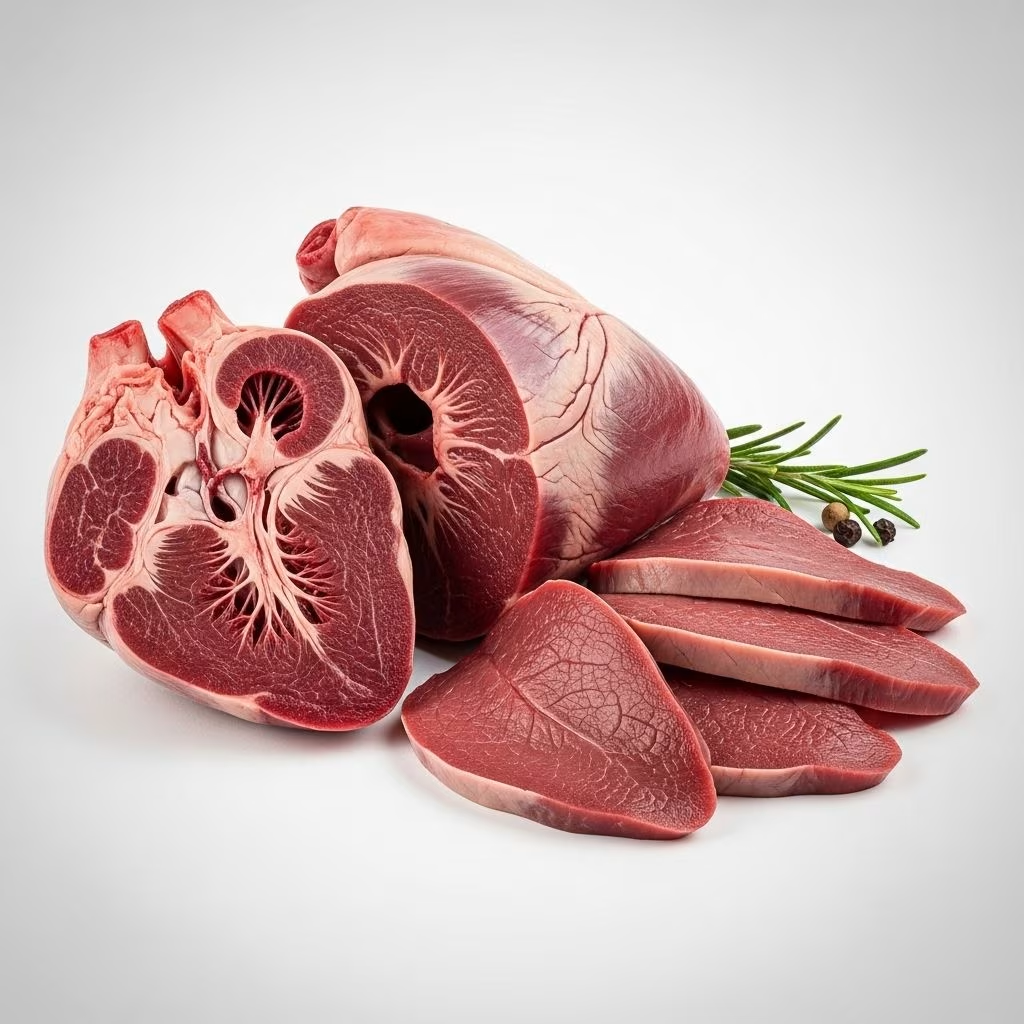
The beef heart is a unique and highly nutritious cut that bridges the worlds of organ and muscle meat. Once a staple across many cultures, beef heart is regaining popularity among food enthusiasts and those seeking cost-effective, nutrient-dense options. This comprehensive guide explores what beef heart is, its exceptional health benefits, culinary uses, flavor profile, preparation tips, and answers to common questions surrounding this remarkable organ meat.
What Is Beef Heart?
The beef heart is the actual heart organ of a cow, classified as both a muscle meat and an organ meat. It is responsible for circulating blood throughout the animal’s body during its life. Average beef hearts weigh around 3 to 4 pounds when fresh. Unlike other organ meats, it consists primarily of cardiac muscle—an involuntary, striated muscle unique to hearts—which delivers a distinct texture and remarkable nutritional density.
Beef heart can be purchased whole—sometimes with its outer membrane (pericardium) intact—or in trimmed, steak-like cuts after careful butchery. When whole, its yellowish outer membrane, deep red interior, and visible muscular flaps and valves are easily recognizable.
As an edible organ, the beef heart sits at the nexus of nose-to-tail eating, the culinary tradition of using all parts of the animal to reduce waste and embrace a full spectrum of flavors and nutrients.
Key Characteristics
- Dual identity: Both a muscle meat and organ
- Dense texture: Similar to lean steak, firmer than most muscle cuts
- Weight: Averages 3–4 lbs trimmed, 4–6 lbs whole
- Appearance: Deep red color; visible muscle fibers; outer membrane may be present
- Cost: Often budget-friendly compared to prime cuts
Nutritional Value and Health Benefits
Beef heart is a nutritional powerhouse, surpassing many muscle meats in micronutrients. It is sometimes called “nature’s multivitamin” due to its rich and diverse nutrient profile.
Nutritional Profile
| Key Nutrient | Amount (per 100g) | % US RDA* | Benefits |
|---|---|---|---|
| Protein (complete, all essential amino acids) | ~18g | 36% | Supports muscle synthesis, growth, brain health |
| Vitamin B12 | 8.1 µg | 356% | Red blood cell production, nerve health |
| Riboflavin (B2) | 0.7 mg | 70% | Energy metabolism, healthy skin |
| Selenium | 48 µg | 49% | Antioxidant, immune support |
| Iron | 4.7 mg | 26% | Blood oxygenation, energy |
| Zinc | 3.2 mg | 29% | Immune, healing |
| Coenzyme Q10 | High | — | Cell energy, cardiovascular health |
| Carnitine | High | — | Fat metabolism, muscle recovery |
| Taurine | High | — | Nervous system, antioxidant |
| Collagen | Significant | — | Joint, skin support |
*US RDA: United States Recommended Daily Allowance.
Values approximate; actual content may vary by animal and preparation.
Health Advantages
- Complete protein: Provides all nine essential amino acids to support muscle repair and cognitive function.
- Vitamin-rich: Exceptionally high in B-vitamins, especially B12 and riboflavin, supporting nerve health and metabolism.
- Mineral content: Delivers ample iron, selenium, and zinc for blood, immune, and thyroid health.
- Cardiac nutrients: High in coenzyme Q10 and carnitine, supporting energy production and heart health.
- Antioxidants: Selenium, zinc, and taurine provide antioxidant protection for cells.
- Low in fat: Relatively low-fat content compared to some other cuts.
- Bioavailability: Nutrients are highly absorbable, especially from grass-fed sources.
Specific Health Benefits
- Supports cardiovascular health through coenzyme Q10, carnitine, and low fat content.
- Boosts energy and mood due to high B vitamins and iron.
- Promotes immune function via zinc, selenium, and bioactive compounds.
- May support cognitive function through B vitamins and carnitine.
How Is Beef Heart Used?
Beef heart is extremely versatile in the kitchen, lending itself to a wide range of cuisines, dishes, and preparation techniques. It is traditionally popular in cuisines across South America (notably Peruvian anticuchos), Europe, and Asia, and is gaining renewed interest among those practicing nose-to-tail eating.
Popular Culinary Uses
- Grilled or skewered (e.g., Anticuchos): Sliced thin and marinated for a smoky, intense beef flavor.
- Pan-seared: Cut into strips or steaks and quickly seared for a texture close to lean steak.
- Braised or stewed: Slow-cooked to tenderize the fibers, yielding succulent, flavorful results.
- Ground: Mixed into burger patties, meatballs, or sausages to boost nutrition and flavor.
- Chili or soups: Diced or shredded into heartier soups or chili recipes.
- Dog food: Used in raw or cooked pet diets for added protein and minerals.
Common Preparation Methods
- Slow cooking: Breaks down tough collagen, yielding maximum tenderness.
- Marinating and quick searing: For dishes requiring firmer, steak-like texture—keeps it moist and flavorful.
- Stuffing and roasting: Larger beef hearts can be filled with herbs, grains, or vegetables and slow-roasted.
Taste and Texture
Beef heart is praised for its surprisingly mild flavor compared to many organ meats. It tastes beefy and rich, often described as similar to a robust, lean steak—intensely savory but not gamey.
Key Taste and Texture Attributes
- Flavor: Deep, meaty, and rich—closer to steak than to liver or kidney.
- Texture: Firm, slightly chewy, with noticeable muscle fibers; often compared to particularly lean steak.
- Aroma: Pleasantly beefy, not overpowering. Sensitive palates might notice subtle mineral undertones.
- Fat Content: Lower than most marbled steaks; little to no marbling.
Because of its texture, beef heart responds best to techniques that either quickly cook thin slices, preserving juiciness, or gently braise the whole or larger chunks over low heat to tenderize connecting tissues.
Preparation and Cooking Methods
Proper preparation ensures optimal flavor, tenderness, and food safety when cooking beef heart.
How to Prepare Beef Heart
- Trim: Remove any visible fat, connective tissues, valves, or membranes. If sold whole, slice away the yellowish pericardium before filleting.
- Rinse: Clean well under cold water to remove any remaining blood.
- Slice: Cut into desired thickness, often thin slices or steaks.
- Marinate: Marinating helps break down some muscle fibers and infuses flavor—acidic ingredients like vinegar, lime, or wine are popular for tenderization.
Top Cooking Methods
- Grilling or Pan-Searing:
- Cut thin for quick, high-heat cooking (1–2 minutes per side).
- Do not overcook—medium-rare retains tenderness and juiciness.
- Braising/Stewing:
- Cook slowly in liquid for several hours at low temperature.
- Ideal for thick cuts or whole hearts—results in melt-in-the-mouth texture.
- Ground in Burgers or Meatballs:
- Mix with other cuts to improve nutrition; aim for up to 20% heart content.
Sample Recipes
- Beef Heart Chili: Dice heart and slow-cook with beans, tomatoes, and chili spices.
- Grilled Heart Skewers (Anticuchos): Marinate in vinegar, cumin, garlic, and pepper, then grill.
- Beef Heart Stir-Fry: Thin slices, quickly seared with vegetables and soy sauce.
- Braised Heart with Onions: Simmered with onions, bay leaf, stock, and herbs for rich, hearty results.
Buying and Storing Beef Heart
Beef heart can be found at well-stocked butchers, ethnic markets, farmers’ markets, or by special order from local meat suppliers. Some online retailers specializing in grass-fed meat also ship beef heart direct to consumers.
Tips for Buying Beef Heart
- Look for: Grass-fed, pasture-raised beef heart for highest nutrient density and ethical standards.
- Freshness: Should smell clean, with deep red coloration and minimal off-odors.
- Packaging: Hearts are available whole, halved, or pre-trimmed.
- Budget-friendly: Typically far cheaper per pound than steak or roast.
Storing Beef Heart
- Refrigerate within 2 hours of purchase; use within 2–3 days if fresh.
- For longer storage, portion and freeze (up to 3–6 months for best quality).
- Thaw slowly in the refrigerator overnight for optimal texture.
Comparison with Other Beef Cuts
| Attribute | Beef Heart | Ribeye Steak | Beef Liver |
|---|---|---|---|
| Texture | Firm, dense, lean | Tender, marbled | Soft, crumbly |
| Flavor | Rich, meaty, mild organ | Classic beef, buttery | Distinct, metallic |
| Fat content | Low | High | Very low |
| Price per lb | Low | High | Low |
| Ease of prep | Medium (requires trimming) | Easy | Easy |
| Nutrient Density | Very high | High | Very high |
Frequently Asked Questions (FAQs)
Q: Is beef heart safe to eat?
A: Yes, beef heart is entirely edible and safe when sourced from reputable butchers and handled hygienically. As with all organ meats, ensure fresh heart is properly trimmed, cleaned, and cooked thoroughly as appropriate.
Q: Does beef heart taste like liver or kidney?
A: Beef heart tastes much milder and more like steak compared to liver or kidney. It does not have a strong metallic or mineral flavor.
Q: What are the best ways to cook beef heart for beginners?
A: Start with thinly sliced, marinated grilled or pan-seared heart. Alternatively, slow-cook diced heart in stew or chili, which enhances tenderness and flavor.
Q: Why is beef heart considered a superfood?
A: Due to its dense concentration of B vitamins, minerals, coenzyme Q10, carnitine, protein, and bioavailable nutrients, beef heart is considered a nutritional powerhouse or natural superfood.
Q: Is beef heart affordable?
A: Compared to traditional steak cuts, beef heart is significantly more affordable per pound while delivering higher nutrient density.
Q: Can beef heart be used in raw diets, such as for pets?
A: Yes, it is a staple in many raw dog and cat food formulations for its mineral and protein content. However, always follow proper food safety guidelines for pets and consult your veterinarian.
Conclusion
The heart of beef is a nutritionally dense, cost-effective, and surprisingly versatile ingredient with a robust flavor profile similar to lean steak. Bridging the gap between classic muscle meat and organ meat, beef heart offers wide-ranging uses for creative cooks, health enthusiasts, and those seeking to embrace sustainable nose-to-tail eating. Whether pan-seared, braised, or grilled, beef heart deserves a spot on the menu for its superfood status and culinary adaptability.
References
- https://buyranchdirect.com/blogs/news/get-to-know-beef-heart-a-muscle-and-an-organ
- https://truorganicbeef.com/blogs/beef-wiki/beef-heart-a-complete-guide
- https://nosetotailapp.com/meat-cuts/beef/heart
- https://pmc.ncbi.nlm.nih.gov/articles/PMC10930460/
- https://plumcreekwagyubeef.com/blogs/news/beef-heart-and-liver-nutrient-rich-delicacies
- https://www.carnegenuina.it/en/blogs/ricette/ricette-con-il-cuore-di-bovino-idee-dal-mondo
- https://www.theprimal.com/blog/beef-heart


