


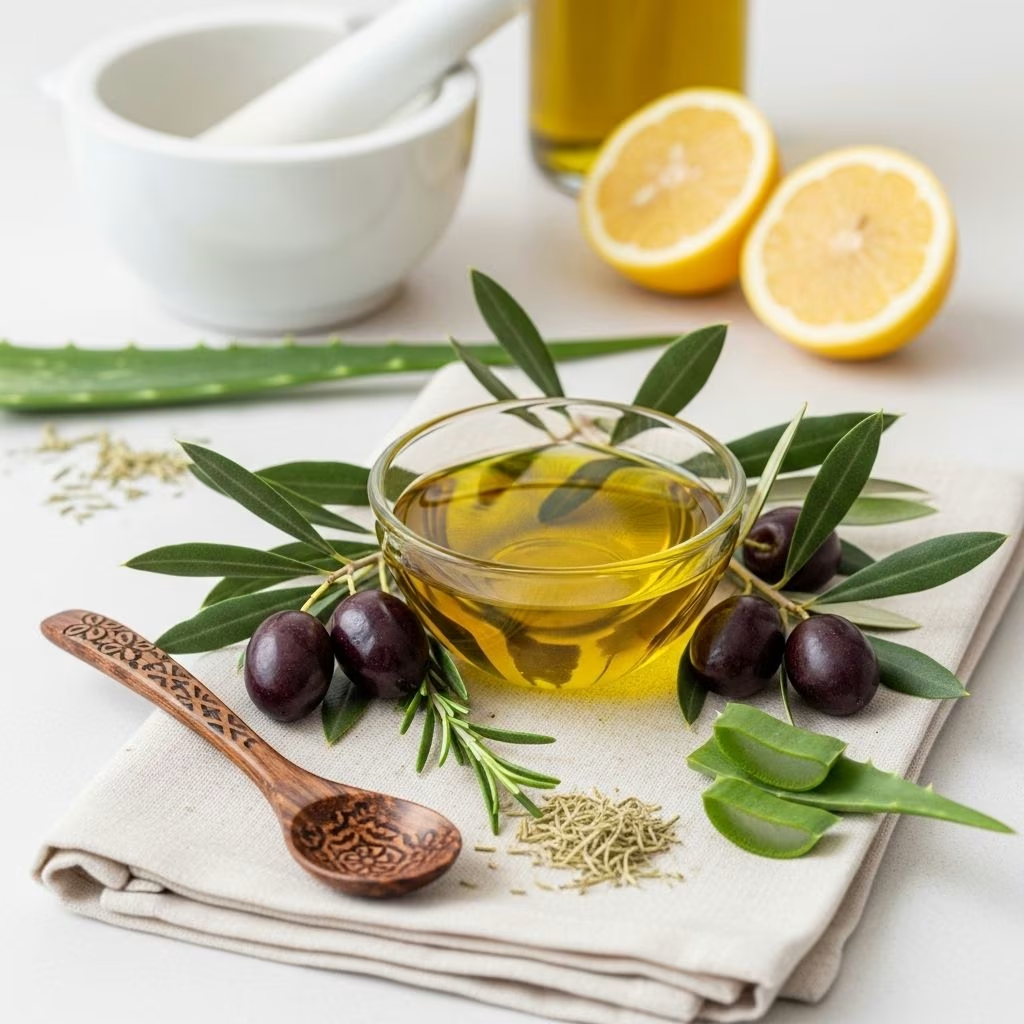
For millennia, olive oil has been treasured as both a culinary staple and a vital part of beauty routines. Modern science and ancient wisdom align: when it comes to hair care, olive oil delivers myriad advantages, from enhancing shine to aiding in scalp health. This comprehensive guide explores the science, practical advice, potential drawbacks, and frequently-asked questions about using olive oil for hair.
Introduction
Olive oil is gathered by pressing ripe olives from the Olea europaea tree. Its use in beauty regimens can be traced back to ancient Egypt and Greece. Today, it remains a common home remedy for promoting healthy, lustrous hair. Highly valued for its rich combination of antioxidants, vitamins, and fatty acids, olive oil claims an important place in modern hair care discussions.
Nutritional Profile of Olive Oil
To understand the origins of olive oil’s benefits, it’s crucial to examine its nutrient composition. Olive oil is particularly rich in:
- Monounsaturated fatty acids (MUFAs): Chiefly oleic acid, which easily penetrates and moisturizes the hair shaft.
- Vitamin E: A potent antioxidant that protects against oxidative damage and environmental stressors.
- Polyphenols & Antioxidants: Including hydroxytyrosol and oleuropein, effective in combating scalp inflammation and aging.
- Other Nutrients: Trace minerals, vitamin K, and phytosterols.
Olive Oil Hair Benefits: What Science and Tradition Say
Moisturizes and Conditions Dry Hair
Olive oil excels as a natural conditioner. Its monounsaturated fats deeply penetrate the hair shaft, creating a barrier that locks in moisture and reduces transepidermal water loss—the main cause of brittle hair and split ends.
Using olive oil as a pre-shampoo or leave-in conditioner can help tame frizz, soften strands, and impart shine.
Promotes Scalp Health
Olive oil is rich in antioxidants and displays both antibacterial and antifungal properties, making it effective against dandruff and certain minor scalp irritations. Its soothing qualities can help calm inflammation and itching.
May Aid in Hair Growth and Prevent Hair Loss
While robust clinical evidence in humans is limited, studies in mice indicated that topical olive oil—particularly its compound oleuropein—can stimulate hair follicle activity and promote new hair growth. It’s thought to trigger the Wnt/β-catenin signaling pathway, which is crucial for the anagen (growth) phase of the hair cycle.
Notably, in some cases, olive oil and its by-products have shown promise in reversing hair loss caused by factors such as illness or inflammation, by supporting hair follicle health and delaying premature shedding.
Strengthens Hair and Reduces Breakage
The fatty acids in olive oil reinforce hair’s natural barrier and add elasticity, lessening breakage during styling and detangling. This extra strength is visible in healthier ends and improved length retention.
Protects Against Oxidative Stress and Environmental Damage
An overload of oxidative stressors such as UV radiation and pollution can age hair prematurely, leading to dullness and fragility. Olive oil’s antioxidants neutralize free radicals before significant harm occurs.
Enhances Shine and Manages Frizz
- Olive oil smooths the hair cuticle, creating a glossy, reflective surface.
- It tames flyaways and frizz, improving overall hair appearance and manageability.
Reduces Split Ends
By sealing moisture and strengthening the hair shaft, olive oil can minimize the frequency and severity of split ends, particularly when used in regular deep conditioning treatments.
Easy Comparison: Olive Oil vs. Other Oils
| Feature | Olive Oil | Coconut Oil | Argan Oil |
|---|---|---|---|
| Main Fatty Acid | Oleic Acid | Lauriс Acid | Oleic & Linoleic Acid |
| Penetration Ability | High | Very High | Moderate |
| Main Benefit | Moisture, Strength | Repair, Protein Retention | Shine, Softness |
| Best For | Dull, Frizzy, Dry Hair | Damaged, Porous Hair | Fine, Flyaway-Prone Hair |
Who Should Use Olive Oil on Hair?
- Individuals with dry, frizzy, or coarse hair benefit enormously from olive oil treatments.
- People with curly or tightly-coiled hair textures (Type 3 and 4) often report improved manageability and definition.
- If you have a dry or irritated scalp, olive oil can be soothing and moisturizing.
- Avoid or use sparingly if you have very fine, thin, or oily hair, as it may weigh hair down or exacerbate oiliness.
How to Use Olive Oil for Hair
Proper application is the key to unlocking olive oil’s benefits while avoiding potential drawbacks. Here’s how to incorporate it into your routine:
- Choose the Right Olive Oil: Extra virgin olive oil (EVOO) is ideal due to its cold-pressed, minimally processed nature, which preserves beneficial compounds.
- Test for Sensitivity: Try a patch test on the inner arm or a small scalp area before widespread use to check for irritation or allergies.
Step-by-Step Application Process
- Measure: Pour 1–3 tablespoons of olive oil into a small bowl. Use less for fine/short hair, more for thick/long hair.
- Warm (Optional): Gently heat the oil in a water bath for several seconds to enhance absorption. Avoid hot oil to prevent burns.
- Apply: Section hair and apply oil, focusing on mid-lengths and ends. For scalp treatments, gently massage oil into roots using circular motions.
- Massage: Spend at least 5–10 minutes massaging to improve circulation and ensure even distribution.
- Cover & Wait: Wrap hair in a warm towel or shower cap to boost penetration. Leave on for 30 minutes to several hours; overnight for deep conditioning.
- Rinse & Shampoo: Shampoo thoroughly, possibly twice, to remove oil residue. Style as usual.
DIY Olive Oil Hair Treatments and Masks
Boost olive oil’s effects by blending it with other natural ingredients:
- Olive Oil & Honey Mask: Combine 2 tbsp olive oil with 1 tbsp honey. Apply to damp hair, leave for 30–60 minutes, then rinse thoroughly. This hydrates and strengthens brittle hair.
- Egg & Olive Oil Strengthening Mask: Mix 2 eggs with 2 tbsp olive oil. Apply from roots to tips, leave 20–30 minutes before rinsing in cool water. Adds protein and suppleness.
- Avocado & Olive Oil Nourishment: Mash one ripe avocado with 2 tbsp olive oil. Ideal for very dry or curly hair.
- Olive Oil Hot Oil Treatment: Warm olive oil and apply as described above for maximum deep-conditioning effects.
Tips & Tricks for Maximizing Olive Oil Benefits
- Use sparingly: Start with less oil and add more only if needed to avoid limp, greasy hair.
- Mix with lightweight oils: For fine hair, blend olive oil with lighter oils like argan or grapeseed to minimize heaviness.
- Clarify regularly: Use a clarifying shampoo every couple of weeks to remove any residual buildup.
- Be consistent: For best results, use olive oil as a treatment 1–2 times weekly.
- Apply on damp hair: Slightly damp hair absorbs oil more efficiently and evenly.
- Pair with heat: A warm towel wrapped around your head intensifies penetration and softening benefits.
Potential Side Effects and Considerations
- Build-up: Overuse can lead to oily residue, dullness, or clogged follicles. This is a greater concern for those with fine or low-porosity hair.
- Scalp Sensitivity: Rarely, olive oil can cause scalp irritation or allergic reactions—always do a patch test prior to full application.
- Color-treated Hair: Olive oil is generally safe for colored hair, but heavy use may hasten fading in some dyes. Test on a small area first if concerned.
- Not a hair growth miracle: While olive oil supports healthy growth environments and may reduce hair loss due to breakage, there is no conclusive evidence it will regrow hair in pattern baldness or similar conditions.
Frequently Asked Questions (FAQs)
Does olive oil actually help hair grow faster?
While some animal research supports the theory that compounds in olive oil (like oleuropein) can stimulate the growth phase of the hair cycle, there are no definitive human studies proving olive oil directly accelerates hair growth. However, healthier, stronger hair is less prone to breakage, which may give the illusion of faster growth.
Is olive oil safe for all hair types?
Olive oil is suitable for most hair types, especially drier or curlier textures. Individuals with very fine, thin, or straight hair may find it too heavy. As with any hair care product, monitor your hair’s response and adjust accordingly.
How often should I apply olive oil to my hair?
1–2 times per week is sufficient for most people. Overuse can cause build-up and limpness, so experiment with frequency based on your hair’s needs.
Can I leave olive oil in my hair overnight?
Yes, overnight treatments can be beneficial for deep hydration and repair. Wear a shower cap and use a pillow protector to prevent stains.
Which olive oil is best for hair care?
Extra virgin olive oil (EVOO) is recommended for its higher content of antioxidants and minimal processing.
Conclusion
Olive oil is a versatile, science-backed remedy that promotes moisturized, stronger, and shinier hair. From conditioning and soothing the scalp to protecting against breakage and reducing frizz, its benefits are numerous. By following expert tips, integrating personalized masks, and using olive oil judiciously according to your hair type, you can tap into this ancient beauty resource for modern hair health and beauty that shows both on the surface and from within.
References
- https://oliveoilprofessor.com/blog/the-benefits-of-olive-oil-for-hair
- https://www.healthline.com/health/beauty-skin-care/olive-oil-for-hair-growth
- https://www.hims.com/blog/olive-oil-hair-growth
- https://www.teleties.com/blogs/teletimes/how-eating-olives-or-using-olive-oil-keeps-hair-healthy
- https://pmc.ncbi.nlm.nih.gov/articles/PMC4462586/
- https://brightland.co/blogs/field-notes/olive-oil-for-hair-growth
- https://pmc.ncbi.nlm.nih.gov/articles/PMC9231528/
- https://olivewellnessinstitute.org/article/olive-oil-for-healthy-hair-and-scalp/
- https://www.medicalnewstoday.com/articles/323581


