


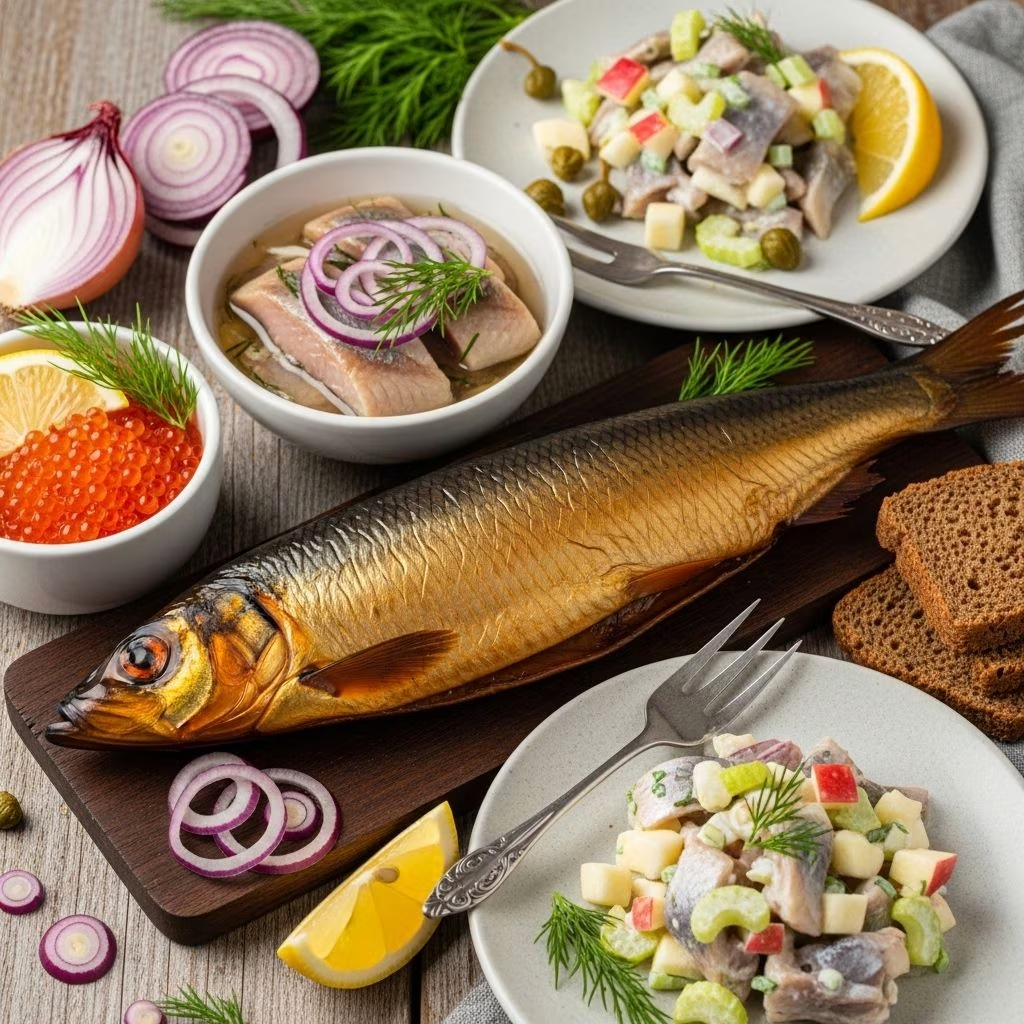
Herring is more than just a classic ingredient in Northern European cuisine—it’s a fish deeply woven into maritime history, renowned for its nutritional potency and culinary versatility. In this extensive guide, you’ll discover everything you need to know about herring: from its biology and ecology to the world of diverse preparations and flavors, and the many ways it benefits your health.
Introduction to Herring
Herring refers to a group of small, silver-colored, oily fish belonging to the family Clupeidae. Known for their shimmering bodies and streamlined appearance, herrings have played a vital role in the diets and economies of coastal communities for centuries. Not only do they form the backbone of many marine ecosystems, acting as both predators and prey, but they also serve as a significant source of omega-3 fatty acids, vitamin D, and protein for humans.
Herring: Biological Profile and Species
Physical Description and Adaptations
- Size & Shape: Herring are typically slender, streamlined fish ranging from 20 to 38 centimeters (8–15 inches) in length, though some specimens can reach up to 45 centimeters (17 inches). Their shape is adapted for rapid swimming and schooling behavior.
- Coloration: Characterized by iridescent, silvery sides and a metallic blue-to-green back, herring’s coloration provides camouflage against predators when viewed from different angles. The silvery hue, often called the “silver of the sea,” also makes them highly prized in trade.
- Distinctive Features: Herring have a forked tail, a single dorsal fin, no lateral line, and a protruding lower jaw which contributes to a ‘bulldog-like’ appearance.
Main Herring Species
The term “herring” encompasses several species, but three are particularly significant:
- Atlantic Herring (Clupea harengus): The most populous and widely distributed in the North Atlantic, including the North Sea, Baltic Sea, and along coasts of North America and Europe.
- Pacific Herring (Clupea pallasii): Found primarily in the North Pacific Ocean, extending from the Sea of Japan to California.
- Other Regional Species: Smaller populations include the Araucanian herring from South America.
These species are remarkably abundant, with the Atlantic herring believed to be one of the most populous fish species in the world.
Ecology and Life Cycle of Herring
Habitat and Distribution
- Herrings are found in temperate, shallow waters, often forming massive shoals in the North Atlantic, North Pacific, and other regions such as the Baltic Sea, Bay of Bengal, and Arabian Sea.
- They prefer coastal areas with substrates of gravel or small stones, particularly for spawning.
Feeding Habits and Role in the Ecosystem
- Diet: Herring are filter feeders, consuming mainly plankton—such as copepods, krill, pteropods, and fish larvae—as they swim with their mouths open.
- Nocturnal Activity: Herring are most active at night, feeding near the surface and retreating to deeper waters during the day to avoid predators.
- Prey and Predator: They serve as a critical food source for many marine predators, including cod, tuna, mackerel, sea birds, seals, whales, and other marine mammals.
Reproduction and Lifespan
- Spawning: Spawning occurs seasonally, often in late summer or early fall. Females can release up to 40,000 eggs each, attaching them to the sea floor’s gravel or plant substrates.
- Fertilization: Fertilization is external, with eggs hatching in 11 to 40 days, depending on water temperature.
- Lifespan: Atlantic herring can live up to 20 years, but most are harvested before reaching their maximum age.
Nutritional Benefits of Herring
Herring is celebrated for its nutrition, making it a staple in health-conscious diets. Here’s a detailed analysis of the key nutrients found in herring:
| Nutrient | Approximate Value | Health Benefit |
|---|---|---|
| Protein | 18–20g | Muscle building and repair |
| Omega-3 Fatty Acids | 2–3g | Supports heart, brain, and eye health |
| Vitamin D | 22–30% RDI | Bone health, immune support |
| Vitamin B12 | 200–300% RDI | Nervous system, red blood cell production |
| Phosphorus | 15–17% RDI | Bone and energy metabolism |
| Selenium | 40–50% RDI | Antioxidant functions |
- Heart Health: High omega-3 content in herring lowers triglycerides, supports healthy cholesterol balance, and reduces heart disease risk.
- Brain Function: Essential fats found in herring contribute to cognitive function and reduce inflammation in the body.
- Bone Strength: Rich vitamin D and phosphorus levels help maintain strong bones and teeth.
- Immune Support: Selenium and vitamin B12 are key for a strong immune system and optimal metabolic processes.
- Protein: Herring is a high-quality, easily digestible protein source, crucial for growth and recovery.
Herring is also low in contaminants compared to some larger predatory fish, and, when consumed in moderation, offers significant health protection.
Culinary Uses and Preparation Methods
Herring’s strong flavor and rich, oily flesh make it one of the world’s most versatile fish in the kitchen. Across cultures, herring has inspired a wealth of traditional recipes, preservation techniques, and regional delicacies.
Common Preparation Methods
- Pickled Herring: Especially popular in Scandinavia, Germany, and Jewish traditions, herring fillets are cured in vinegar, flavored with onions, spices, and sometimes sugar for a tangy-sweet, tender delicacy.
- Smoked Herring: Known as kippers (split and cold-smoked) or bucklings (hot-smoked), this style is a breakfast favorite in the UK and a common tapa in Spain.
- Salted Herring: Traditional in the Netherlands and Russia; whole herrings are brined and served as “maatjes” (young, slightly fermented herring).
- Canned Herring: Widely exported, canned herring is prepared in various ways (in oil, tomato sauce, mustard) and eaten as a snack or meal addition.
- Fried or Grilled: In some cuisines, fresh herring is simply battered and fried, or grilled with herbs and citrus to highlight its natural flavor.
Popular Dishes Featuring Herring
- Soused Herring (Hollandse Nieuwe): Lightly brined young herring consumed raw with onions in the Netherlands.
- Rollmops: Pickled herring fillets rolled with pickles and onions, a German specialty.
- Sill: Swedish marinated herring, often part of holiday smorgasbords.
- Baltic Sprats: Related small fish often prepared like herring in Baltic cuisine.
Cooking Tips
- To reduce herring’s oiliness, serve with acidic condiments such as pickled vegetables, lemon juice, or vinegar-based sauces.
- Pair strongly flavored herring with simple starches or crisp salads for balance.
- Fresh herring is highly perishable—consume soon after purchase or use traditional preservation techniques.
Taste Profile and Texture
Understanding herring’s appeal means appreciating its robust, characteristic flavor. Here is what to expect when tasting herring:
- Flavor: Described as rich, savory, and distinctly “fishy,” herring possesses an intense umami profile thanks to its fat content, similar to mackerel or sardines.
- Fresh herring: Has a clean, sea-like taste with a subtle sweetness; small herring are milder, while larger mature fish develop stronger, oilier, and sometimes more pungent flavors.
- Preserved herring: Pickling or smoking introduces tanginess, spiciness, and an almost meat-like complexity.
- Texture: Tender and flaky, with preserved varieties offering an enjoyable firmness and chewiness.
Herring’s flavor and aroma can be intense—ideal for adventurous palates or anyone who enjoys robust seafood dishes.
Herring in Cultural and Culinary History
The herring trade was integral to the rise of early European maritime economies. It fueled commerce, wars, and city growth as far back as the Middle Ages:
- Salted and pickled herring sustained armies and merchant navies, offering nutritious, portable protein through winter months.
- In the Baltic, North Atlantic, and North Sea regions, herring fisheries spurred advances in boat building, navigation, and preservation methods.
- Herring festivals, folktales, and paintings reflect the deep connection coastal cultures maintain with this fish.
Today, traditional dishes remain cornerstones of national cuisines, particularly in Northern Europe, thanks to centuries of innovation and adaptation.
Environmental Impact and Sustainability
Role in the Marine Ecosystem
- Herring occupy a central place in the marine food web, converting plankton into protein for larger predators and linking lower and upper trophic levels.
- Loss of herring stocks can destabilize entire ecosystems and reduce food security for both wildlife and people.
Conservation and Fishery Management
- Most commercial fisheries for herring are subject to strict quotas, closed seasons, and careful monitoring by regional bodies such as NOAA and the Atlantic States Marine Fisheries Commission, ensuring sustainable harvests.
- Spawning grounds, especially gravelly coastal areas, are protected to support annual reproduction.
Consumers can further support sustainability by choosing herring sourced from well-managed and certified fisheries.
Frequently Asked Questions (FAQs)
Q: Is herring a healthy fish to eat?
A: Yes, herring is rich in omega-3 fatty acids, vitamin D, and high-quality protein, making it incredibly beneficial for heart health, cognitive function, and overall nutrition.
Q: What does herring taste like?
A: Herring has a robust, savory, and slightly fishy flavor. Fresh herring is mild and sweet, while preserved forms like smoked or pickled herring are intense and tangy.
Q: Are there risks associated with eating herring?
A: Herring is generally low in mercury and safe for frequent consumption. However, those with salt-sensitive hypertension should moderate intake of heavily salted and pickled products.
Q: How can I buy and store herring?
A: Purchase fresh herring on ice from reputable fishmongers. For preserved forms, store unopened packages in a cool, dry place, and refrigerate after opening. Consume promptly for best results.
Q: What are some traditional herring recipes?
A: Try Dutch “maatjes herring” (mild, brined young fish eaten raw), Swedish pickled sill, British kippers, or German rollmops. Each showcases unique flavors developed through centuries of tradition.
References
- https://www.vedantu.com/animal/herring
- https://northumberlandseafood.co.uk/portfolio-item/herring/
- https://www.mass.gov/info-details/learn-about-atlantic-herring
- https://en.wikipedia.org/wiki/Herring
- https://www.thefishsociety.co.uk/blogs/articles-and-stories/everything-you-need-to-know-about-herring
- https://www.fisheries.noaa.gov/species/atlantic-herring
- https://www.fisheries.noaa.gov/feature-story/river-herring-science-support-species-conservation-and-ecosystem-restoration


