


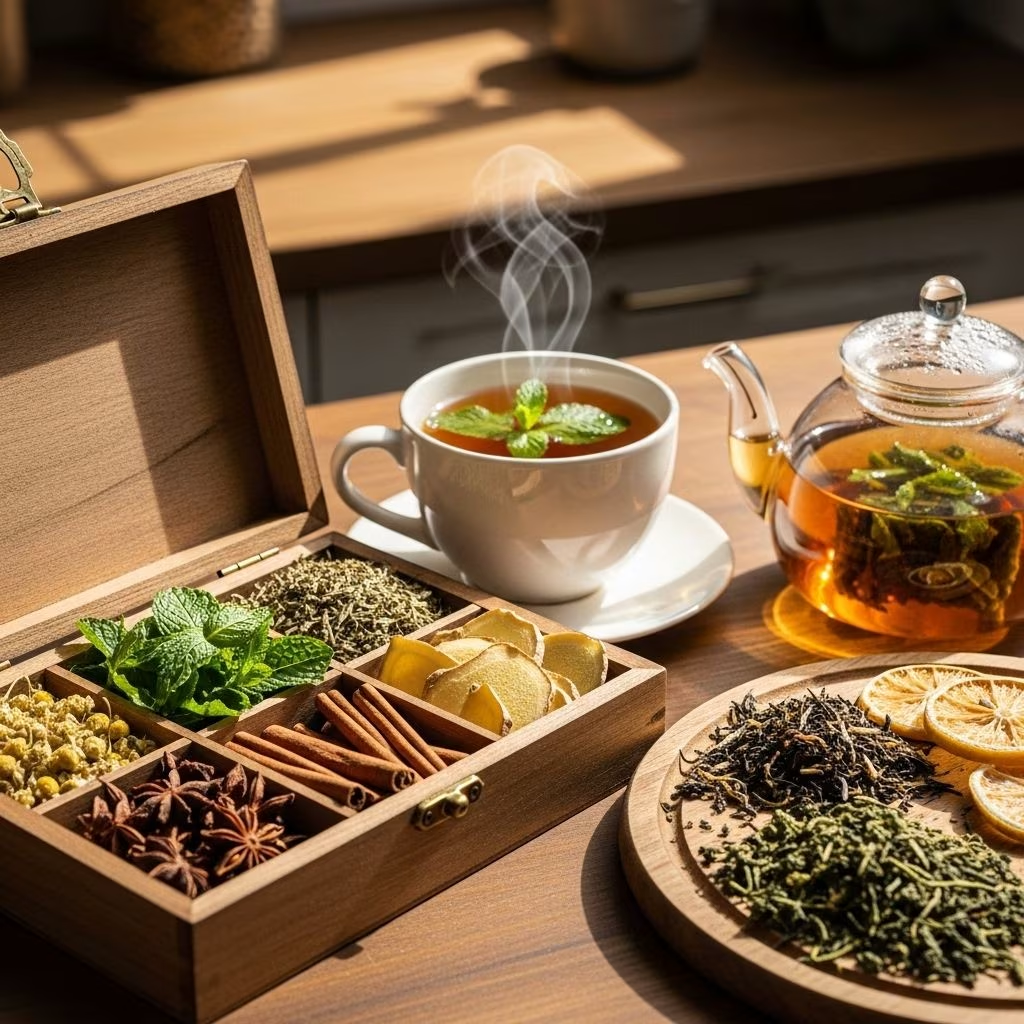
What Is Herbal Tea Blend?
Herbal tea blends represent a fascinating world of caffeine-free beverages created by combining various herbs, spices, flowers, fruits, seeds, and roots from edible plants. Unlike traditional teas derived from the Camellia sinensis plant, herbal teas are technically tisanes or herbal infusions that offer a diverse array of flavors, aromas, and therapeutic properties.
The art of herbal tea blending involves carefully selecting and combining different plant materials to create harmonious flavor profiles while maximizing health benefits. These blends can range from simple two-ingredient combinations to complex mixtures featuring dozens of different herbs and botanicals. The beauty of herbal tea blends lies in their versatility and the endless possibilities for creating unique taste experiences.
Herbal tea blending has been practiced for thousands of years across various cultures, with each region developing its own traditional combinations based on locally available plants and their medicinal properties. Today, herbal tea blends continue to gain popularity as people seek natural, caffeine-free alternatives that support their health and wellness goals.
Popular Herbal Tea Ingredients
Understanding the individual components that make up herbal tea blends is essential for appreciating their complexity and benefits. Here are some of the most commonly used ingredients in herbal tea blending:
Flowers and Floral Ingredients
Chamomile stands as one of the most beloved herbal tea ingredients, derived from the daisy-like flowers of the chamomile plant. When infused in hot water, chamomile releases a calming aroma and delivers a subtle apple-like flavor with mild, natural honey-like sweetness. This herb has been treasured for centuries for its soothing and therapeutic properties.
Lavender offers a unique floral tea experience with hints of rosemary and mint, sometimes presenting smoky, woody, or sweet notes. The purple buds of the lavender flower create an aromatic infusion that can be enjoyed alone or blended with other ingredients like chamomile, rooibos, peppermint, or cinnamon.
Echinacea tea utilizes both leaves and flowers of the echinacea plant, known for its distinctive tingling sensation. The tea presents a strong, heavily floral flavor with notes of pine nuts and meadowsweet, often combined with complementary herbs like lemongrass, chamomile, peppermint, and ginger.
Mint Family Herbs
Peppermint derives from the hybrid of watermint and spearmint plants, containing high concentrations of menthol that extract beautifully into water. This versatile herb can be enjoyed as a standalone tea or combined with ingredients like lemon juice, ginger, and various fruits including berries and plums.
Lemon Balm comes from the dried leaves of the lemon balm plant, a member of the mint family known for its calming properties. It offers a mildly citrusy flavor with a lemony aroma and subtle mint undertones, making it particularly soothing and pleasant to drink.
Roots and Spices
Ginger serves as a warming and invigorating ingredient in herbal tea blends, offering a spicy, warming sensation. The flavor can be enhanced through various combinations with green apples, cinnamon, turmeric, and lemon, creating complex and satisfying taste profiles.
Fruits and Seeds
Rosehip tea utilizes the fresh or dried fruits (seed pods) of rose plants, producing a tangy and slightly tart beverage often compared to hibiscus or green apple. This ingredient pairs beautifully with ginger, hibiscus, or chamomile for enhanced flavor complexity.
Health Benefits of Herbal Tea Blends
Herbal tea blends offer numerous health benefits, making them popular choices for those seeking natural wellness solutions. The therapeutic properties of these blends depend on their specific ingredients and combinations.
Digestive Health Support
Many herbal tea blends excel at supporting digestive health. Peppermint tea has been used for centuries to treat upset stomachs and digestive discomfort. Ginger-based blends can help alleviate nausea and promote healthy digestion. Chamomile also contributes to digestive wellness by soothing the stomach and reducing inflammation.
Stress Relief and Relaxation
Herbal tea blends are renowned for their calming and stress-relieving properties. Chamomile tea helps reduce stress and anxiety while promoting better sleep quality. Lavender blends offer similar relaxation benefits, with their aromatic properties contributing to a sense of calm and tranquility. Lemon balm provides additional soothing effects, particularly beneficial for those dealing with daily stress.
Immune System Support
Certain herbal tea ingredients provide immune system support. Echinacea has long been valued for its immune-boosting properties, while rosehip offers high levels of vitamin C. These ingredients, when combined in thoughtful blends, can help support overall immune function and wellness.
Antioxidant Properties
Many herbs used in tea blending contain powerful antioxidants that help protect the body from oxidative stress. These compounds contribute to overall health and may help reduce the risk of various chronic conditions.
Taste Profiles and Flavor Combinations
The world of herbal tea blends offers an incredible diversity of taste experiences, ranging from subtle and delicate to bold and complex. Understanding these flavor profiles helps in creating and selecting blends that match personal preferences.
Floral and Delicate Profiles
Floral herbal teas typically feature gentle, aromatic qualities with subtle sweetness. Chamomile exemplifies this category with its apple-like flavor and honey notes. Lavender adds complexity with rosemary and mint hints, while maintaining its distinctive floral character. These delicate profiles work well as evening teas or when seeking gentle, soothing beverages.
Citrusy and Refreshing Profiles
Citrus-forward herbal blends offer bright, energizing flavors perfect for morning or afternoon consumption. Lemon balm provides citrusy notes with mint undertones, while combinations with actual citrus peels or lemongrass create vibrant, refreshing experiences. These blends often include complementary ingredients like ginger or peppermint to enhance the refreshing qualities.
Warming and Spicy Profiles
Warming herbal blends feature ingredients like ginger, cinnamon, and other spices that create comforting, heat-producing sensations. These blends are particularly popular during colder months or when seeking energizing, warming beverages. Ginger-based combinations with apple, cinnamon, and turmeric create complex, satisfying flavor experiences.
Earthy and Robust Profiles
Some herbal blends offer more robust, earthy flavors that provide substantial taste experiences. Sage-based blends fall into this category, offering herbal complexity with deeper, more grounded flavor notes. These blends often appeal to those who prefer stronger, more assertive taste profiles.
| Flavor Profile | Key Ingredients | Taste Characteristics | Best Served |
|---|---|---|---|
| Floral & Delicate | Chamomile, Lavender | Gentle, aromatic, subtly sweet | Evening, relaxation |
| Citrusy & Refreshing | Lemon Balm, Citrus Peels | Bright, energizing, fresh | Morning, afternoon |
| Warming & Spicy | Ginger, Cinnamon | Comforting, heat-producing | Cold weather, energy boost |
| Earthy & Robust | Sage, Roots | Deep, grounded, substantial | Anytime, hearty preference |
Uses and Applications
Herbal tea blends serve various purposes beyond simple beverage consumption, making them versatile additions to daily life and wellness routines.
Daily Wellness Routines
Many people incorporate herbal tea blends into their daily wellness routines as natural alternatives to caffeinated beverages. Morning blends might feature energizing herbs like ginger or peppermint, while evening blends focus on calming ingredients like chamomile or lavender. These caffeine-free options allow for enjoyment throughout the day without concerns about sleep disruption.
Therapeutic Applications
Herbal tea blends have been used therapeutically for centuries, though it’s important to note that they should complement, not replace, professional medical care. Different blends may support various aspects of health, from digestive comfort to stress relief. The key lies in understanding which herbs provide specific benefits and how they work together synergistically.
Seasonal and Occasional Use
Herbal tea blends can be selected and enjoyed based on seasonal needs or special occasions. Warming winter blends might feature spices and roots, while cooling summer combinations could include mint and citrus elements. Special occasion blends might incorporate festive spices or floral elements for celebrations.
Culinary Applications
Beyond drinking, herbal tea blends can be incorporated into culinary applications. Strong herbal infusions can be used in cooking, baking, or creating flavored syrups. Some herbal tea ingredients can be used directly in cooking or as garnishes for both hot and cold beverages.
Creating Your Own Herbal Tea Blends
The art of creating personal herbal tea blends allows for complete customization of flavor profiles and potential benefits. Understanding the basic principles of blending helps ensure successful and enjoyable results.
Base Tea Foundation (70%)
When creating herbal tea blends, start by selecting a base ingredient that will anchor the overall flavor profile. This foundation typically comprises about 70% of the total blend. Popular base options include single herbs like chamomile for calming blends, peppermint for refreshing mixtures, or rooibos for naturally sweet foundations.
The base ingredient should provide a pleasant, well-rounded flavor that isn’t overpowering, allowing complementary ingredients to shine while maintaining overall harmony. Consider the intended purpose of the blend – relaxation, energy, digestive support, or general enjoyment – when selecting the base component.
Complementary Flavors (20%)
The next layer involves adding 1-3 complementary herbs that enhance and support the base ingredient. These should represent about 20% of the total blend. For floral bases like chamomile, complementary ingredients might include mild mint or citrus elements. For warming bases like ginger, complementary additions could include apple pieces or mild spices.
Balance is crucial when selecting complementary flavors. They should enhance the base without competing or creating conflicting taste experiences. Consider how the flavors will interact when infused together, aiming for harmony rather than competition.
Accent Flavors (10%)
The final component consists of accent flavors that provide the finishing touches to the blend, typically comprising about 10% of the mixture. These might include warming spices like cinnamon or clove, bright citrus elements, or highly aromatic additions like lavender or rose petals.
Accent flavors should be used sparingly, as they’re often potent and can quickly overwhelm other ingredients if used in excess. These elements add complexity and interest to the blend while providing the distinctive characteristics that make each mixture unique.
Blending Tips and Techniques
Start with small batches when experimenting with new combinations, allowing for adjustments without wasting large quantities of ingredients. Mix dry ingredients thoroughly to ensure even distribution, and consider the particle sizes of different components – larger pieces may need to be broken down for consistent brewing.
Keep detailed records of successful combinations, including precise measurements and any modifications made during the development process. This documentation becomes invaluable when recreating favorite blends or scaling up successful recipes.
Brewing Techniques and Preparation
Proper brewing techniques are essential for extracting the best flavors and benefits from herbal tea blends. Unlike traditional teas, herbal blends often require specific preparation methods to achieve optimal results.
Water Temperature and Quality
Most herbal tea blends benefit from boiling water (200-212°F), as the robust plant materials require higher temperatures for proper extraction. However, delicate floral ingredients may benefit from slightly cooler water (190-200°F) to prevent bitter compounds from being extracted.
Water quality significantly impacts the final taste of herbal tea blends. Use filtered or spring water when possible, as chlorinated tap water can interfere with the delicate flavors of herbs and botanicals.
Steeping Time and Ratios
Herbal tea blends generally require longer steeping times than traditional teas, typically ranging from 5-10 minutes. The fibrous nature of many herbs and botanicals requires extended contact time with hot water for complete extraction of flavors and beneficial compounds.
Use approximately one teaspoon of dried herbal blend per cup of water, adjusting based on personal preference and the strength of the specific ingredients used. Dense ingredients like roots may require slightly more material, while light, fluffy herbs might need less.
Preparation Methods
Cover the brewing vessel during steeping to retain volatile oils and aromatic compounds that might escape with steam. Strain the finished tea through a fine mesh strainer to remove all plant material, ensuring a clean, clear beverage.
For stronger flavors, increase the amount of herbs used rather than extending steeping time excessively, as over-steeping can sometimes extract unwanted bitter or astringent compounds.
Storage and Quality Considerations
Proper storage of herbal tea blends ensures maximum freshness, potency, and flavor retention over time. Understanding storage requirements helps maintain the quality and therapeutic properties of these natural products.
Storage Conditions
Store herbal tea blends in airtight containers away from light, heat, and moisture. Glass jars with tight-fitting lids or sealed tin containers work well for this purpose. Avoid plastic containers, which may allow air exchange and can absorb odors over time.
Keep storage containers in cool, dark locations such as pantries or cupboards. Avoid storing near stoves, windows, or other areas subject to temperature fluctuations or direct sunlight, which can degrade the quality of herbs and botanicals.
Freshness and Shelf Life
Most properly stored herbal tea blends maintain good quality for 2-3 years, though the freshness and potency of individual ingredients may vary. Whole herbs and botanicals generally retain their properties longer than pre-ground materials.
Monitor stored blends for signs of deterioration, including loss of color, aroma, or the presence of moisture or mold. Fresh herbal tea blends should maintain their characteristic colors and release pleasant aromas when the container is opened.
Quality Assessment
High-quality herbal tea blends should consist of recognizable, whole plant materials rather than heavily processed powders or fragments. Look for vibrant colors, pleasant aromas, and minimal stem or debris content when evaluating blend quality.
Source herbal tea ingredients from reputable suppliers who can provide information about harvesting methods, processing techniques, and testing for contaminants or adulterants.
Frequently Asked Questions
Q: Are herbal tea blends caffeine-free?
A: Most herbal tea blends are naturally caffeine-free since they’re made from herbs, flowers, fruits, and spices rather than the Camellia sinensis plant. However, always check ingredient lists, as some blends may include green or black tea leaves.
Q: How long do herbal tea blends stay fresh?
A: When stored properly in airtight containers away from light and moisture, herbal tea blends typically maintain good quality for 2-3 years. However, for best flavor and potency, use within 18-24 months.
Q: Can I drink herbal tea blends during pregnancy?
A: Some herbs are safe during pregnancy while others should be avoided. Always consult with a healthcare provider before consuming herbal teas during pregnancy or while nursing, as individual herbs may have specific contraindications.
Q: What’s the difference between herbal tea blends and traditional tea blends?
A: Traditional tea blends are based on Camellia sinensis (black, green, white, or oolong tea) and contain caffeine, while herbal tea blends use other plants and are typically caffeine-free. Herbal blends focus on therapeutic properties and diverse flavors from various botanicals.
Q: How do I know which herbs to combine in my own blends?
A: Start with a 70% base herb, 20% complementary ingredients, and 10% accent flavors. Research the properties and flavors of individual herbs, start with small test batches, and keep detailed records of successful combinations. Consider the intended purpose (relaxation, energy, digestion) when selecting ingredients.
Q: Can herbal tea blends interact with medications?
A: Yes, some herbs can interact with medications or affect certain health conditions. Always consult with a healthcare provider or pharmacist before regularly consuming herbal teas if you take medications or have health concerns, especially with herbs like echinacea, ginger, or other potent botanicals.
References
- https://en.wikipedia.org/wiki/Tea_blending_and_additives
- https://teapigs.com.au/blogs/blog/types-of-herbal-tea
- https://www.steviestorck.com/blog/2022/10/21/an-introduction-to-loose-leaf-tea
- https://artfultea.com/blogs/wellness/types-of-herbal-tea-and-their-benefits
- https://www.paperandtea.com/blogs/journal/our-guide-to-herbaltea
- https://teaforte.com/pages/all-about-tea-types
- https://redblossomtea.com/blogs/red-blossom-blog/types-of-tea-3-degrees-of-blending
- https://obubutea.com/tea-blending/
- https://www.artoftea.com/blogs/tea-profiles/your-guide-to-botanicals-and-herbal-tea-ingredients


