


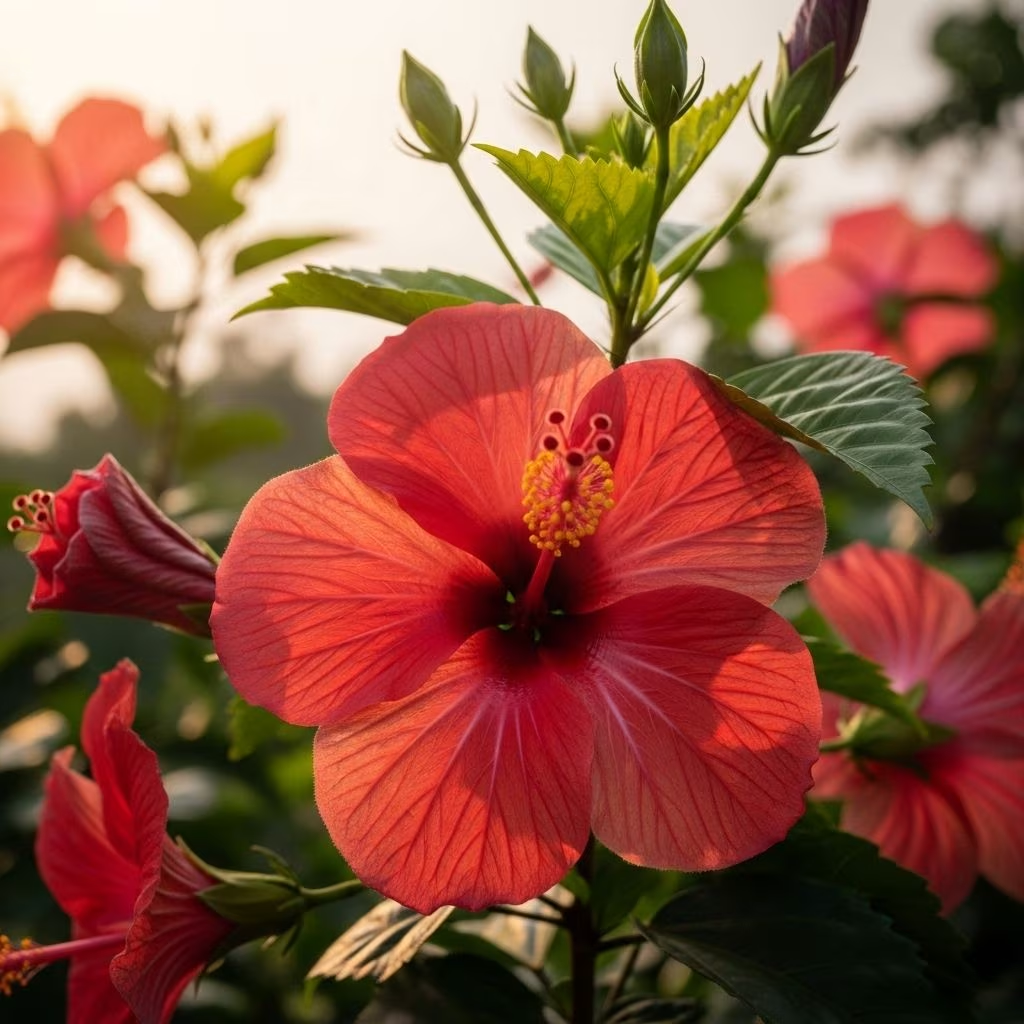
The hibiscus flower, renowned for its striking beauty and rich color, has long held a treasured place in diverse cultures worldwide for its versatile health properties, culinary roles, and unique taste. This comprehensive guide delves into the fascinating world of hibiscus—exploring its science-backed health advantages, practical everyday uses, characteristic flavor, and frequently asked questions about its consumption.
Introduction to Hibiscus Flower
The hibiscus plant is best recognized for its large, vibrant blossoms ranging from deep crimson to pale yellow. While there are hundreds of species, Hibiscus sabdariffa is the most widely used in herbal medicine, culinary creations, and traditional wellness drinks worldwide. In West Africa, the Caribbean, Latin America, Southeast Asia, and beyond, hibiscus calyxes and petals appear in teas, syrups, jams, and even beauty routines.
Historically, cultures have valued hibiscus not only for its decorative appeal but also for its perceived health benefits. Its multifaceted uses—from age-old folk remedies to modern holistic health trends—underscore its timeless significance.
Botanical Overview and Varieties
Hibiscus belongs to the Malvaceae family, a group of flowering plants that includes okra and cacao. Over 200 species of hibiscus exist, but only a few are extensively utilized for culinary and medicinal purposes:
- Hibiscus sabdariffa (Roselle): The primary species for edible applications, including teas and culinary dishes.
- Hibiscus rosa-sinensis: Often featured as an ornamental flower, this variety is edible in small quantities and sometimes used in salads.
Key identification characteristics of Hibiscus sabdariffa include its deep red calyx (the sepals encasing the flower bud), which is harvested for infusions and culinary applications. The plant is an herbaceous shrub thriving in warm climates worldwide.
Traditional and Global Names
- Sorrel (Caribbean, Jamaica)
- Karkadeh (Middle East, North Africa)
- Flor de Jamaica (Mexico, Latin America)
- Roselle (India, Southeast Asia)
Nutritional Profile and Active Compounds
Hibiscus calyxes are loaded with nutrients, plant pigments, and bioactive compounds. The main nutritional highlights include:
- Vitamins: High in vitamin C (ascorbic acid), supporting immune health.
- Minerals: Contains iron, calcium, potassium, and magnesium, essential for various body functions
- Phytochemicals: Rich in anthocyanins (powerful antioxidants), polyphenols, and organic acids
- Fiber: Especially present in powders; supports digestive health.
- Plant protein: Notable amounts found in hibiscus powders and dried calyxes.
| Nutrient | Content (per 100g dried calyx) | Benefits |
|---|---|---|
| Vitamin C | ~12 mg | Antioxidant, immune support |
| Iron | ~3 mg | Red blood cell production |
| Calcium | ~150 mg | Bone health |
| Dietary Fiber | ~33 g | Digestive health |
| Polyphenols & Anthocyanins | N/A | Antioxidant, anti-inflammatory |
Health Benefits of Hibiscus
The health-promoting potential of hibiscus is supported by traditional wisdom and emerging scientific research. Some of the most studied benefits are outlined below.
1. Antioxidant Power
Hibiscus is rich in anthocyanins and other polyphenols, which act as potent antioxidants. These compounds combat oxidative stress and may help prevent cell damage, premature aging, and inflammation.
2. Cardiovascular Health
- Blood Pressure Regulation: Clinical trials indicate that hibiscus consumption, particularly in tea form, can lower blood pressure in people with mild hypertension.
- Blood Lipid Levels: Some evidence suggests hibiscus may help lower total cholesterol, LDL (‘bad’) cholesterol, and triglycerides while modestly increasing HDL (‘good’) cholesterol.
3. Antidiabetic and Metabolic Support
Research indicates hibiscus may help moderate blood sugar levels and improve insulin resistance in individuals with metabolic syndrome, possibly supporting weight management and reducing diabetes risk.
4. Gut and Digestive Health
- High soluble fiber content supports the growth of beneficial gut bacteria and regular bowel movements.
- Contains plant acids (such as malic and citric acid) that may assist in digestion and metabolism.
5. Immune System Boost
- Iron and vitamin C contribute to normal immune function and may help combat fatigue and infections.
6. Liver Protection
Some in vitro and animal studies suggest hibiscus extract can enhance liver detoxification enzymes and reduce markers of liver damage, though more human research is required.
7. Weight Management
- Hibiscus tea may support healthy weight loss by reducing body fat and inhibiting the absorption of certain carbohydrates.
8. Antibacterial, Anticancer, and Anti-inflammatory Effects
- Laboratory studies report that hibiscus extracts can limit the growth of several bacterial strains and may show anti-proliferative effects against certain cancer cells. However, more clinical investigation is needed before drawing definitive conclusions.
9. Skin Health
- The antioxidant and anti-inflammatory properties help protect skin from free radical damage, support collagen synthesis, and may help maintain a healthy, glowing complexion.
10. Blood-Building and Anti-Anemia
Hibiscus is a moderate source of iron and may contribute to preventing or managing mild anemia by supporting red blood cell production.
Culinary Uses of Hibiscus
Hibiscus calyxes are widely cherished in global cuisines for their vibrant color and sharp, tangy flavor. Some common culinary applications include:
- Tea and beverages: Hibiscus tea is popular across the globe—including agua de Jamaica in Mexico, sobolo in West Africa, karkadeh in Egypt, and more. Its tart taste is refreshing both hot and cold.
- Sorbets, syrups, and jams: The calyx infuses desserts with a bold red hue and a cranberries-like tartness.
- Salads and garnishes: Petals can be added raw to salads for color and a mild tart bite, or candied for decoration.
- Flavoring for sauces and savory dishes: In Central and South America, hibiscus is used in chutneys and salsas pairing well with meats, grains, or beans.
- Baking: Dried hibiscus powder can be incorporated into cakes, muffins, tarts, or breads for an aromatic kick.
| Culinary Application | Notes |
|---|---|
| Tea and Infusions | Tart, bright red color, consumed hot or cold |
| Sorbets, Jams | Bold flavor and deep pigment |
| Salads, Garnishes | Petals for color and subtle acidity |
| Sauces, Chutneys | Pairs well with meats, grains, and legumes |
| Baked Goods | Infuses bakes with natural color and tang |
Medicinal and Wellness Uses
- Herbal teas: Used for centuries to help lower blood pressure, induce relaxation, and promote overall wellness.
- Supplements: Found in capsules, powders, and extracts targeting various ailments including cardiovascular and metabolic health.
- Skincare: Included in creams and serums for its antioxidant and hydrating benefits, helping to reduce visible aging.
- Traditional medicine: Applied as poultices or decoctions for digestive complaints, fever, inflammation, and mild skin conditions.
It is important to consult healthcare providers before introducing concentrated hibiscus supplements, especially if you have underlying health concerns or take prescription medication.
Taste Profile: What Does Hibiscus Taste Like?
The taste of hibiscus is most often described as tart, cranberry-like, and slightly floral. This pronounced acidity, produced by organic acids (notably citric and malic acid), gives hibiscus beverages and dishes their refreshing tangy character. When sweetened, hibiscus offers a perfectly balanced flavor—making it a favorite for cooling summer drinks, jams, and desserts.
- Primary taste: Tart, similar to unsweetened cranberry or sour cherry
- Aroma: Delicate, floral-fruity.
- Color impact: Deep red or magenta—often used as a natural food dye.
- Pairings: Complements citrus, ginger, mint, honey, tropical fruits, spices, and even savory dishes.
Safety, Side Effects, and Precautions
Hibiscus is generally considered safe for most healthy adults when consumed in moderation as food or beverage. However, some considerations include:
- May lower blood pressure significantly—individuals with hypotension or on antihypertensive drugs should use caution.
- Potential for mild digestive upset, particularly in large doses.
- Rare allergic reactions including dermatitis in susceptible individuals.
- Possible interactions with certain medications, notably anti-hypertensive and anti-diabetic drugs—consult your healthcare provider.
Pregnant and breastfeeding women, as well as young children, should consult a healthcare professional before regular consumption.
Frequently Asked Questions (FAQs)
Q: Is hibiscus tea caffeine-free?
A: Yes, hibiscus tea is naturally caffeine-free, making it suitable for any time of day.
Q: Can hibiscus help with weight loss?
A: Research suggests hibiscus tea may support modest weight loss as part of a balanced diet and lifestyle, but it’s not a miracle solution.
Q: Does hibiscus interact with medications?
A: Hibiscus may interact with blood pressure medications and some anti-diabetic drugs. If you are taking prescription medications, consult your healthcare provider.
Q: How much hibiscus tea is safe to drink daily?
A: 1–2 cups daily is considered safe for most adults, but high doses should be avoided without professional advice.
Q: What is the difference between hibiscus sabdariffa and other hibiscus varieties?
A: Hibiscus sabdariffa is preferred for culinary and medicinal uses due to its robust flavor and higher concentration of beneficial compounds. Ornamental hibiscus species may not offer the same health benefits and are not always edible.
Conclusion
Hibiscus flower stands at a fascinating intersection of tradition and modern science, celebrated for its vibrant color, distinct tartness, and broad array of health benefits. Whether enjoyed in tea, featured in global recipes, or incorporated into wellness routines, hibiscus adds both flavor and function. With a track record of safety for most individuals and a growing body of clinical evidence, hibiscus remains a remarkable natural resource for health enthusiasts and culinary adventurers alike.
References
- https://pmc.ncbi.nlm.nih.gov/articles/PMC9033014/
- https://aduna.com/blogs/learn/the-top-benefits-of-hibiscus
- https://www.healthline.com/nutrition/hibiscus-tea-benefits
- https://www.webmd.com/vitamins-and-supplements/hibiscus-uses-and-risks
- https://health.clevelandclinic.org/benefits-of-hibiscus
- https://chestnutherbs.com/medicinal-benefits-of-hibiscus/
- https://www.rxlist.com/supplements/hibiscus.htm
- https://www.medicalnewstoday.com/articles/318120


