


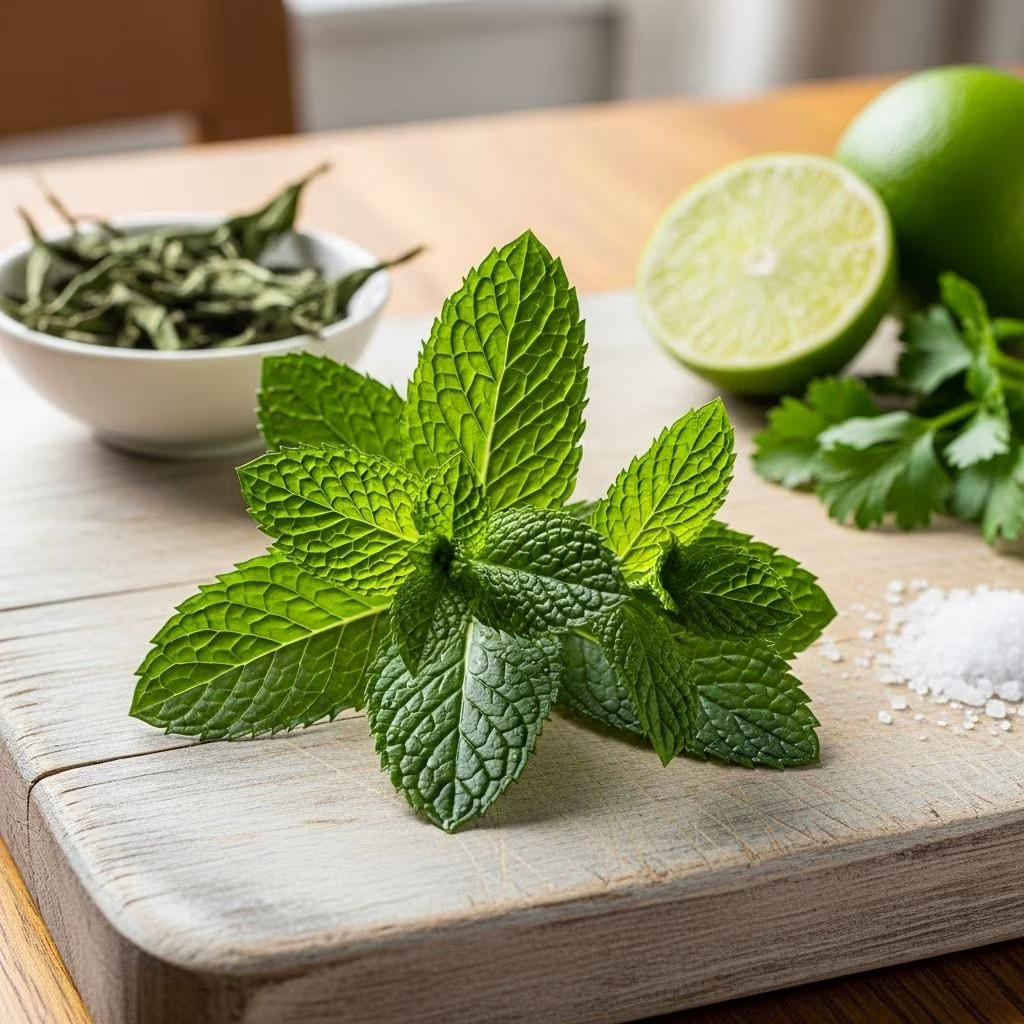
Mexican Mint, most commonly known as spearmint (Mentha spicata), is a perennial, aromatic herb valued equally for its culinary, medicinal, and aromatic applications. Native to Europe and Asia and now grown worldwide, spearmint’s refreshing greens are a familiar sight in gardens and kitchens, particularly in Mexican, Mediterranean, and Middle Eastern cuisine.
What is Mexican Mint (Spearmint)?
Spearmint (Mentha spicata), sometimes referred to as Mexican Mint in culinary circles, is a vigorous, herbaceous perennial in the Lamiaceae (mint) family. Spearmint is native to Europe and parts of Asia but has naturalized globally, thriving in temperate regions including the Americas and Africa. Its popularity across cultures is anchored in its refreshing aroma and cooling, sweet flavor.
| Common Names | Mexican Mint, Spearmint, Garden Mint, Common Mint, Lamb Mint, Mackerel Mint |
|---|---|
| Botanical Name | Mentha spicata |
| Family | Lamiaceae |
| Origin | Europe, Asia; naturalized worldwide |
| Plant Description | 1–3 ft (30–90 cm) height; square stems; bright green, lance-shaped leaves; purple stems |
Its leaves are deeply veined, oval to lance-shaped, and slightly crinkled with serrated edges. The plant spreads vigorously, often via underground runners, making it a common herb for home gardens.
Mexican Mint vs. Cuban Oregano
It’s important to note that in some regions, the term “Mexican Mint” can refer to Cuban oregano (Plectranthus amboinicus), which is a different plant altogether. However, within the context of this article, Mexican Mint refers to spearmint (Mentha spicata), widely recognized in both global and Mexican cookery.
Flavor Profile of Mexican Mint
Spearmint (Mexican Mint) is celebrated for its refreshingly sweet, mildly peppery taste with gentle citrus-lime undertones. Unlike peppermint, which is sharply mentholated due to its higher menthol content, spearmint offers a smoother and less pungent mint flavor. This makes it versatile for both sweet and savory applications.
- Aroma: Strong, pleasant, and cooling
- Taste: Sweet, herbaceous, with a subtle peppery, lemony note
- Texture: Tender, succulent, especially when young and fresh
Fresh spearmint leaves gently release volatile oils with every tear and bruise, producing an invigorating sensation on the palate. The essential oil content of dried spearmint is about 0.5%, enough to retain much of its aromatic characteristic when used in cooking.
Common Culinary and Medicinal Uses
Culinary Uses
Spearmint leaves, whether fresh or dried, are a cornerstone in global cuisine. Their ability to both brighten and mellow a wide range of dishes makes them indispensable in kitchens across many continents.
- Beverages: Essential for teas, iced drinks, cocktails (notably mojitos and mint juleps), and fruit punches
- Garnish: Used as a fresh garnish for desserts, tarts, sorbets, cakes, and fruit salads
- Savory dishes: Key flavor in Middle Eastern tabbouleh, falafel, Turkish stews, tzatziki sauce, and Indian chutneys
- Vegetable pairings: Blends well with root vegetables, lentils, potatoes, peas, and squash
- Sauces and Yogurt: Stirred into yogurt for dips and sauces, complements lamb, poultry, and seafood
- Baked Goods: Sometimes added to chocolate pastries, cakes, and breads for a unique, fresh flavor
Spearmint’s unique cooling effect also makes it a favorite in refreshing summer salads, spring rolls, smoothies, and as an enhancement in Mediterranean and Southeast Asian dishes.
Medicinal Uses
Beyond the culinary world, spearmint has been cherished for centuries for its medicinal potential:
- Digestive Aid: Traditional remedy for indigestion, bloating, and nausea—commonly sipped as a soothing tea
- Calming and Antispasmodic: Believed to provide mild calming effects and relief from stomach spasms
- Breath Freshener: Chewing fresh leaves or using spearmint oil in oral care products for naturally fresh breath
- Traditional Herbal Applications: Used in essential oils for aromatherapy, and in cough drops and balms
Nutritional Value and Health Benefits
Spearmint is modest in calories but rich in important nutrients that contribute to overall wellness:
- Vitamins: Especially high in vitamins A and C, which are antioxidants supporting the immune system and healthy skin
- Minerals: Contains calcium, potassium, iron, folate, magnesium, manganese, and riboflavin—essential for bone health, nerve function, and metabolism
- Antioxidants: The volatile oils in spearmint help neutralize free radicals, supporting cellular health
Due to its gentle action, spearmint tea is a preferred alternative to stronger mints (like peppermint) for soothing children’s digestive complaints and offering mild support for hormone balance (notably for women).
How to Use and Store Mexican Mint
Best Ways to Use Spearmint
- Fresh: For maximum flavor, add chopped or whole leaves to dishes just before serving
- Dried: Incorporate in spice blends, stews, or rubs—dried mint works best when rehydrated with a bit of liquid and added toward the end of cooking to prevent bitterness
- Infusions: Steep in hot water for herbal teas or cold infusions for refreshing drinks
Tips for Storing Mint
- Fresh Spearmint: Keep in the refrigerator, wrapped loosely in a damp paper towel and stored in a plastic bag or sealed container; lasts 5–7 days
- Dried Spearmint: Store in an airtight container in a cool, dark place
- Shelf Life: Fresh, up to a week; dried, up to 12 months
Easy Substitutes for Mexican Mint (Spearmint)
If you don’t have spearmint (Mexican Mint) on hand, several alternative herbs can approximate its flavor and function in recipes. Consider the following stand-in options, especially for dishes where mint’s fresh brightness is crucial:
| Substitute | Flavor Notes | Ideal Uses |
|---|---|---|
| Peppermint | More mentholated, intense and less sweet; use about half the amount to avoid overpowering | Teas, desserts, cocktails, savory dishes (use cautiously) |
| Basil | Slightly sweet and herbaceous; less minty but still provides a fresh lift | Salads, pesto, Mediterranean dishes |
| Lemon Balm | Mild lemony mint flavor, less pungent than spearmint | Teas, desserts, fruit salads |
| Cilantro | Distinct, citrusy-herbal profile; not minty but offers similar brightness | Mexican or Indian dishes, chutneys, salsas |
| Cuban Oregano | Strong oregano and mint notes; more pungent, so use sparingly | Hearty stews, curries, marinades |
For cocktails and beverages, peppermint is the closest match, though it delivers a sharper menthol zing. For savory recipes, fresh basil or cilantro can complement dishes with their fragrant, green notes, albeit with a different flavor dimension.
Frequently Asked Questions (FAQs)
Q: Is Mexican Mint the same as spearmint?
A: In most culinary contexts, Mexican Mint refers to spearmint (Mentha spicata). However, in some regions, “Mexican Mint” can also mean Cuban oregano, so context is essential.
Q: What dishes is Mexican Mint best in?
A: Spearmint shines in Middle Eastern salads (like tabbouleh), yogurt sauces (tzatziki), drinks (teas, mojitos), fruit salads, marinades for lamb, and vegetable stews.
Q: Can dried mint substitute for fresh in recipes?
A: Yes, dried mint can be used when fresh is unavailable, but it’s best added toward the end of cooking or in dressings. Use about one-third the volume of dried mint compared to fresh.
Q: Is spearmint safe during pregnancy?
A: When consumed in culinary amounts, spearmint is considered safe in pregnancy. For higher medicinal doses (such as concentrated teas or extracts), consult a healthcare provider.
Q: Does spearmint have health benefits?
A: Yes, it’s a source of antioxidants, vitamins A and C, and essential minerals. It is traditionally used for soothing digestion and as a mild calming and breath-freshening agent.
Conclusion
Mexican Mint (spearmint) is a vibrant and versatile herb, equally indispensable in sweet and savory dishes, health remedies, and refreshing drinks. Its sweet, cooling, and mild peppery flavor offers both culinary delight and gentle health benefits. With several easy substitutes like peppermint, basil, or lemon balm, spearmint’s uplifting character can be echoed even when the original isn’t on hand. Whether you grow it at home or buy it fresh or dried, spearmint is undeniably a must-have in a global kitchen.
References
- https://spicesinc.com/culinary-herbs/dried-mint
- https://www.myseeds.co/products/mint-spearmint-mentha-spicata
- https://specialtyproduce.com/produce/Spearmint_6602.php
- https://en.wikipedia.org/wiki/Spearmint
- https://www.sierravistagrowers.net/herbs-vegetables/herb-spearmint-mint
- http://heritagegarden.uic.edu/stories-1/2018/7/19/herbibuena-the-peppermint-plant
- https://www.masterclass.com/articles/types-of-mint


