


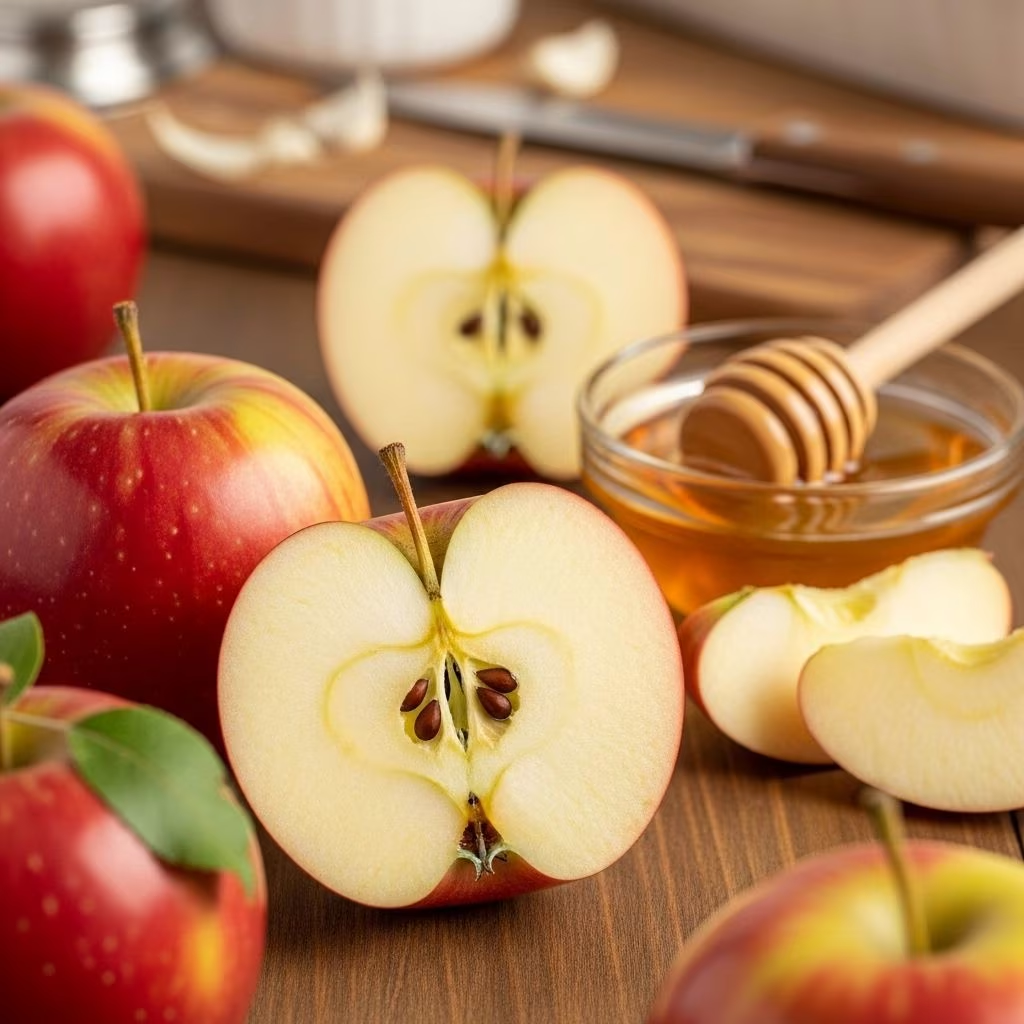
Among the wide spectrum of apples available worldwide, the Honeycrisp apple has captured the taste buds and loyalty of consumers and growers alike. Renowned for its unmatched crispness, balanced flavor profile, and remarkable versatility, the Honeycrisp is more than just a delicious snack—it is a fruit with a fascinating story, notable health benefits, and impressive culinary potential. This article explores everything you need to know about the Honeycrisp apple, including its origins, nutritional value, health advantages, taste profile, and the many ways you can use it in your kitchen.
Introduction to Honeycrisp Apple
The Honeycrisp apple, celebrated for its explosive juiciness and crisp bite, is a relatively recent entry in the apple world yet is already regarded as a modern classic. Its immense popularity among both consumers and orchardists centers on its unique combination of sweetness, tartness, and satisfying crunch—all packed into an attractive, medium-to-large fruit. The Honeycrisp is not just a fruit to be enjoyed out of hand; it has established itself as a versatile star in kitchens and markets around the world.
Origin and History
The Honeycrisp apple’s journey began at the University of Minnesota in the 1960s, a product of targeted breeding aimed at developing a cold-hardy apple with superior flavor and texture. Released to the public in 1991, the Honeycrisp quickly distinguished itself from most other cultivars due to its outstanding eating quality, ease of storage, and wide adaptability.
- Developer: University of Minnesota’s apple breeding program
- Release Date: 1991
- Objective: Produce a cold-hardy, high-quality apple for harsh climates while maximizing taste and texture
- Global Reach: Now grown not only throughout the United States and Canada, but also in New Zealand, South Africa, Australia, and several European countries under the name “Honeycrunch”
Honeycrisp was bred by crossing the Keepsake and an unreleased Minnesota variety, resulting in a cultivar with exceptional cold hardiness (hardy in USDA Zone 4, down to -30°F) and outstanding market appeal.
Appearance and Distinctive Taste
Honeycrisp apples are visually enticing, generally medium to large in size, and round-to-oblate in shape. Their skin is mottled with shades of yellow, green, and red blushing, often speckled with lenticels (small dots), making them instantly recognizable among other varieties.
But what truly sets the Honeycrisp apart is its internal structure and flavor:
- Explosive Crispness: The fruit’s flesh is made up of exceptionally large, turgid cells that “explode” with juice when bitten into, earning the apple its name.
- Juicy and Refreshing: High water content delivers a hydrating, palate-cleansing mouthfeel.
- Balanced Flavor: A perfect harmony of sweetness and tartness, described as “sweet, subtly tangy, and mildly aromatic”.
- Snappy Bite: The crisp texture and crunchy sound enhance the sensory appeal.
These characteristics have rocketed Honeycrisp to one of the top three most popular apples in the United States, with loyal fans around the globe.
| Feature | Description |
|---|---|
| Exterior Color | Yellow/green background with deep red blush or stripes |
| Flesh Color | Pale cream to white |
| Texture | Exceptionally crisp, juicy, snappy |
| Flavor | Sweet, mildly tart, aromatic |
| Size | Medium to large |
Nutritional Value and Health Benefits
The Honeycrisp apple is not only a symphony of flavor and texture but also a nutritional powerhouse. Its composition offers essential nutrients, making it an outstanding choice for anyone seeking a healthy, satiating snack or ingredient.
Key Nutritional Facts (per 100g)
- Calories: 52–57 kcal
- Carbohydrates: 14 g
- Sugars: 10 g
- Dietary Fiber: 1–3 g
- Protein: Less than 1 g
- Fat: 0 g
- Water Content: Very high (excellent natural hydration)
- Potassium: 110 mg
- Calcium: 6 mg
- Vitamin C: Supports immune system and tissue repair
Vitamins and Minerals
- Vitamin C: Strengthens immunity and reduces inflammation
- Vitamin A: Supports healthy organs and vision
- Vitamin K: Important for healthy blood and bones
- Minerals: Potassium, iron, magnesium, boron, zinc, copper
Top Health Benefits
- High in fiber: Contributes to digestive health, regularity, and feelings of fullness, assisting in healthy weight management.
- Hydrating: Honeycrisp apples have a high water content, offering natural hydration.
- Supports heart health: Fiber, potassium, and low sodium content help maintain healthy blood pressure and cardiovascular function.
- Rich in antioxidants: Contains vitamin C and polyphenols that combat oxidative stress and inflammation, potentially lowering the risk of chronic diseases.
- Low in calories: Satisfies hunger and sweet cravings without excess energy intake, making it a guilt-free snack.
These attributes make the Honeycrisp apple an excellent choice for balanced diets and anyone aiming to incorporate more whole, nutrient-dense foods into their daily routine.
Culinary Uses and Preparation Ideas
The Honeycrisp apple’s robust structure and uniquely balanced flavor make it one of the most versatile apples in modern cuisine. Whether enjoyed fresh or cooked, it enhances both sweet and savory dishes with its crunch and taste.
Popular Culinary Applications
- Snacking: Enjoy out of hand, especially when chilled for maximum crispness and taste.
- Salads: Sliced or chopped, adds crisp texture and sweetness to green salads, slaws, or fruit bowls.
- Baking: Excellent for pies, tarts, cobblers, muffins, crumbles, scones, and breads—holds its shape well and maintains sweetness.
- Cooking: Sautéed with spices for desserts, roasted with meats, stuffed or incorporated into savory side dishes.
- Sandwiches & Wraps: Layers of Honeycrisp add crunch and bright flavor to sandwiches, burgers, and wraps.
- Applesauce & Preserves: Great for homemade applesauce, apple butter, and preserves due to natural sweetness and acidity.
- Juicing & Smoothies: Juicy flesh makes excellent fresh juice, cider, or smoothie base.
- Dried Snacks: Sliced, dried, and enjoyed as healthy chips.
- Freezing: Sliced and frozen for long-term use in desserts and baking.
Honeycrisp apples also shine when paired with: cinnamon, ginger, cardamom, nuts (especially walnuts and almonds), caramel, pomegranate, fresh herbs (thyme, mint), citrus, sweet potato, squash, and roasted meats like pork and turkey.
Sample Recipe Ideas Featuring Honeycrisp Apples
- Honeycrisp Apple & Walnut Salad: Combine sliced apples, walnuts, spinach, goat cheese, and a drizzle of vinaigrette.
- Classic Apple Pie: Use Honeycrisp slices with cinnamon and brown sugar for a naturally sweet and satisfying pie.
- Caramel Apple Parfait: Layer chopped Honeycrisp with vanilla yogurt, granola, and caramel for a tasty dessert.
- Baked Stuffed Apples: Core whole Honeycrisps, fill with oats, brown sugar, and spices, and bake until golden.
- Roasted Root Vegetables: Add chopped Honeycrisp to a tray of roasting carrots, potatoes, and parsnips for added sweetness.
- Honeycrisp Juice or Smoothie: Blend apples with carrots, ginger, and orange for a refreshing drink.
Growing Regions and Storage Tips
Honeycrisp apples are widely grown across North America and now globally. Their ability to thrive in colder climates has contributed to their strong market presence:
- Major Producers: United States (Minnesota, New York, Michigan, Washington, Wisconsin), Canada (Nova Scotia, Quebec, Ontario, British Columbia), Europe, New Zealand, Australia, and South Africa.
- Harvest Season: Typically mid-September to early October in temperate regions.
- Cold Hardiness: Exceptionally hardy, suitable for USDA Zone 4 and colder climates.
One standout benefit is Honeycrisp’s exceptional storage life:
- When stored whole and unwashed in the refrigerator’s crisper drawer, Honeycrisp apples keep fresh for 7–10 days.
- After commercial harvest and proper cold storage, retain flavor and crispness for up to 7 months—or even longer (up to 10 months in controlled environments).
- Flavors intensify and balance even further after a period in cold storage post-harvest.
To maximize shelf life at home, avoid washing until ready to eat, and keep apples separate from odor-absorbing foods.
Honeycrisp vs Other Apples
| Apple Variety | Texture | Flavor Profile | Best Uses |
|---|---|---|---|
| Honeycrisp | Extremely crisp, juicy | Sweet, lightly tart, aromatic | Snacking, baking, salads |
| Fuji | Firm, crunchy | Very sweet, mild tartness | Snacking, salads, baking |
| Granny Smith | Crisp, firm | Very tart, tangy | Baking, salads, eating |
| Gala | Crisp, slightly softer | Sweet, floral | Snacking, salads |
| McIntosh | Tender, softer | Tart, aromatic | Applesauce, baking |
The Honeycrisp is generally considered superior for eating fresh, thanks to its explosive crunch and juicy sweetness, although its unique cell structure and sugar-acid balance also shine in baked and cooked dishes.
Frequently Asked Questions (FAQs)
What makes Honeycrisp apples different from other apples?
Honeycrisp apples are best known for their extra-large, juice-filled cells that create an exceptionally crispy, crunchy, and hydrating bite. Their flavor reliably strikes a harmonious balance between sweet and tart, and they retain their textural qualities even after storage.
Are Honeycrisp apples genetically modified?
No, Honeycrisp apples are not genetically modified. They are the result of traditional cross-breeding carried out by the University of Minnesota in the 1960s and 1970s.
Are they good for people on a diet?
Yes. With low calories, zero fat, and a high fiber and water content, Honeycrisp apples are ideal for weight-conscious individuals or anyone seeking a filling snack free from unhealthy fats and added sugars.
Why do Honeycrisp apples sometimes cost more?
Honeycrisp apples often command a premium price due to their labor-intensive cultivation, higher handling costs, and their enormous popularity which drives up demand. The investment is well justified by the taste and quality.
Do Honeycrisp apples make good juice or cider?
Absolutely. Their abundant juice and sweet-tart aroma contribute wonderfully to fresh apple juice, cider, and even cocktails or smoothies.
How do you store Honeycrisp apples at home?
Store unwashed apples in your refrigerator’s fruit crisper for up to 10 days, or transfer to a cool, dark location for longer storage. Keep apples away from strong-smelling foods and avoid washing until you’re ready to eat them for the best shelf life.
Can Honeycrisp apples be used in baking and cooking?
Yes. Honeycrisp apples are perfect for baking, roasting, and cooking in both sweet and savory recipes. They maintain their shape and flavor when hot, unlike some softer varieties.
What are the best ways to prepare Honeycrisp apples?
- Slice for fresh snacking, fruit bowls, or salads.
- Bake into pies, muffins, and crisps.
- Sauté with spices as a topping for oats or pancakes.
- Add to sandwiches or cheese boards for contrast.
- Juice or blend into smoothies.
Final Thoughts
Whether you savor them straight from the tree, add a crunch to your favorite salad, or bake them into a classic dessert, Honeycrisp apples offer more than just extraordinary taste—they represent a nutritional, versatile, and practical choice for almost every kitchen. With year-round availability and a global fanbase, it’s no surprise that the Honeycrisp is celebrated as a modern apple marvel.
References
- https://specialtyproduce.com/produce/Honeycrisp_Apples_3122.php
- https://mnhardy.umn.edu/honeycrisp
- https://listonic.com/p/nutrition/honeycrisp-apple
- https://greatist.com/eat/honeycrisp-apple-nutrition
- https://tristarplants.com/blogs/blog/know-all-about-honeycrisp-apple-trees-their-benefits
- https://stevitanaturals.com/blogs/blog/exploring-apple-varieties-discover-the-flavors-and-health-benefits-of-natures-sugar-free-favorite-fruit
- https://covid19forecast.ohsu.edu/benefits-of-honeycrisp-apples


