


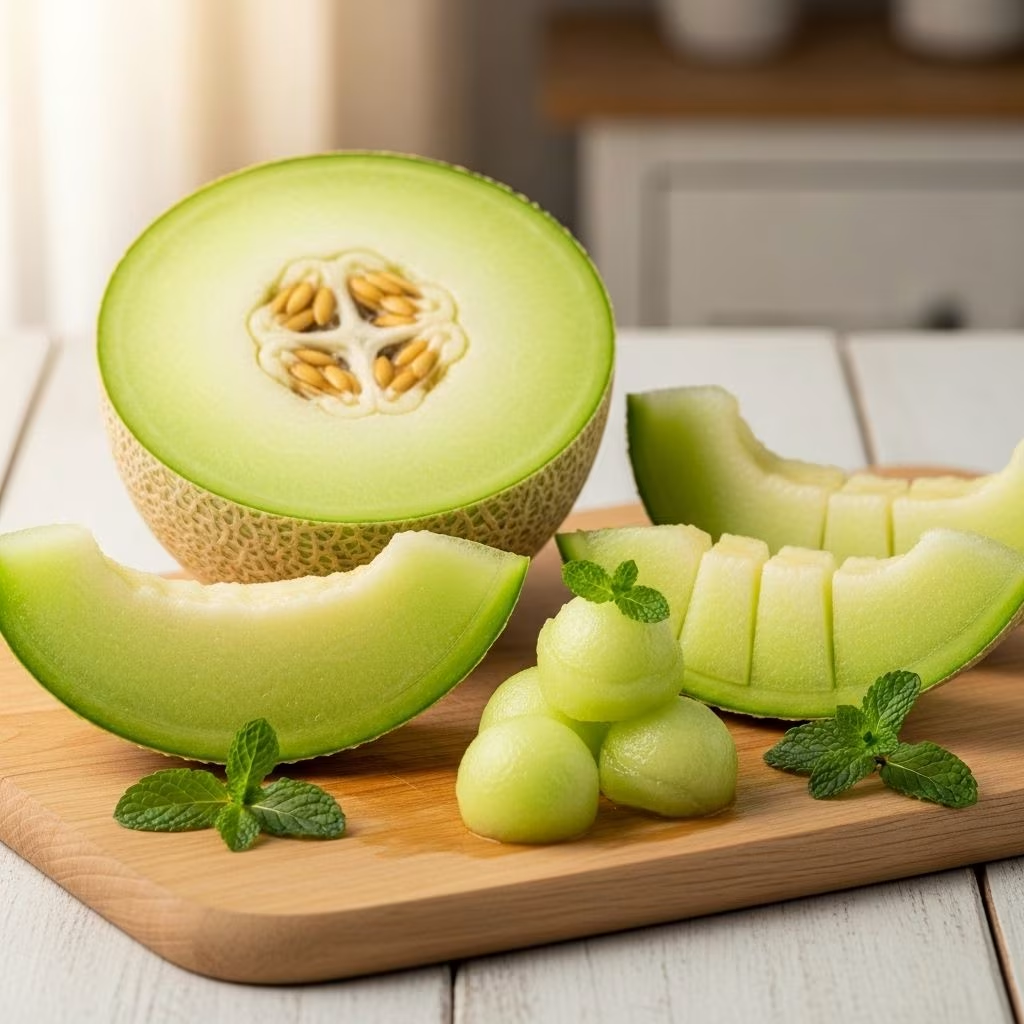
Honeydew melon is a succulent, sweet-fleshed fruit prized for its refreshing taste and abundant nutritional benefits. As a member of the muskmelon family, honeydew stands alongside cantaloupe as one of the world’s most popular melons. This comprehensive guide explores everything about honeydew melon, from its origins and nutritional value to its health advantages, culinary versatility, and characteristic flavor profile.
Honeydew Melon Overview
Honeydew melon (Cucumis melo, Inodorus group) is a smooth-skinned, round to oval fruit renowned for its pale green, juicy flesh and creamy yellow or whitish rind. Native to the Middle East or western Asia, honeydew is now cultivated globally and enjoyed as a staple of summer fruit bowls and refreshing snacks.
- Scientific name: Cucumis melo (muskmelon family)
- Aliases: Sometimes called ‘honeymelon’ in some regions
- Appearance: Round to oval shape, 5–8 inches in diameter; rind is smooth and pale; flesh is light green
- Season: Typically peaks during warmer months but is available year-round in most markets
The honeydew flesh is sweet and juicy, with a consistency similar to cantaloupe, although its flavor is often slightly more subtle and delicate. The fruit is typically eaten raw but lends itself well to a variety of culinary uses.
Nutritional Profile of Honeydew Melon
Honeydew melon is both nutrient-dense and low in calories, making it a valuable addition to a balanced diet. It contains a diverse range of vitamins, minerals, and antioxidants, all of which contribute to its health-promoting effects.
| Nutrient | Amount | % Daily Value* |
|---|---|---|
| Calories | 62 | 3% |
| Carbohydrates | 16 g | 6% |
| Fiber | 1.4 g | 5% |
| Protein | 1 g | 2% |
| Fat | 0 g | 0% |
| Vitamin C | 30.6 mg | 34% |
| Vitamin B6 | 0.15 mg | 8% |
| Folate | 32 μg | 8% |
| Vitamin K | 4.93 μg | 4% |
| Potassium | 388 mg | 8% |
| Magnesium | 17 mg | 4% |
*% Daily Values are based on a 2,000 calorie diet.
- Hydration: Over 90% water content supports fluid balance and hydration.
- Low in sodium and calories: Good for heart health and weight management.
- Rich in antioxidants: Contains polyphenols, flavonoids, and hydroxycinnamic acid compounds.
Glycemic Index and Blood Sugar Impact
Honeydew melon has a medium glycemic index (GI) of about 65, with a moderate glycemic load, suggesting it causes a mild rise in blood sugar when eaten in reasonable amounts. Its fiber, water, and micronutrients help regulate and temper any blood glucose effect, making it suitable for most people, including those managing diabetes, when consumed in appropriate servings.
Top Health Benefits of Honeydew Melon
Eating honeydew melon regularly can positively impact several aspects of human health. Its synergy of vitamins, minerals, fiber, and antioxidants makes it especially beneficial for:
Supports Bone Health
- Folate: Aids in the breakdown of homocysteine, potentially supporting bone mineral density.
- Vitamin K: Crucial for producing osteocalcin, a structural bone protein.
- Magnesium: Essential for cellular bone growth and maintenance.
- Contains small amounts of calcium, phosphorus, and zinc.
Promotes Heart Health and Blood Pressure Regulation
- High potassium, low sodium: Helps regulate healthy blood pressure, reducing cardiovascular risk.
- Potassium assists in balancing fluids and relaxing blood vessel walls for easier blood flow.
Fosters Hydration
- With over 90% water, honeydew is an exceptional fruit for maintaining hydration, especially in hot weather or during exercise.
- Natural sugars and electrolytes support rapid fluid replacement.
Supports Immune Health
- Vitamin C: A potent antioxidant essential for immune cell function and resistance to illness. A cup provides over 30% of daily needs.
- Vitamin C also aids in wound healing and promotes youthful skin.
May Help Manage Weight
- Low-calorie, high water, and fiber: Promotes satiety and can help control appetite and weight gain.
- Its sweetness can satisfy sugar cravings, offering a healthier alternative to desserts.
Gentle on Blood Sugar
- The combination of fiber, water, and moderate carbohydrates means honeydew has a modest impact on blood sugar, especially in reasonable portions.
- It can be a suitable fruit for people with diabetes who monitor their servings.
Supports Digestive Health
- Dietary fiber helps maintain healthy bowel movements and gut health.
May Benefit Skin and Eye Health
- Vitamin C and antioxidants contribute to collagen production, skin repair, and vision health.
Culinary Uses and Preparation Ideas
Honeydew melon’s delicate flavor, juiciness, and versatility make it a prized fruit in savory and sweet dishes alike. Here are some popular and creative ways to use honeydew melon:
- Fresh Snack: Enjoy chilled honeydew slices as a rejuvenating fruit snack.
- Fruit Salads: Combine with other melons, berries, and citrus to create visually stunning fruit salads.
- Breakfast: Add cubes to yogurt, cereal, oatmeal, or smoothie bowls for sweetness and hydration.
- Drinks: Blend honeydew with mint, lime, or cucumber for refreshing juices, smoothies, or agua fresca.
- Salads: Pair with prosciutto, feta cheese, arugula, or cucumbers for savory-sweet salads.
- Desserts: Use in sorbets, fruit popsicles, chilled soups, or as a topping for ice cream.
- Salsas and Relishes: Dice honeydew with chili, lime, and red onion for a unique salsa.
Honeydew is most often eaten raw to preserve its crisp texture and subtle aroma. It can also be lightly grilled or pureed for chilled summer soups.
Taste and Sensory Experience
Honeydew melon is celebrated for its mellow, sweet flavor and refreshing texture:
- Flavor: Sweet, floral, and subtly honey-like with a delicate aroma. Milder than cantaloupe, less acidic than watermelon.
- Texture: Smooth, juicy, and tender flesh that almost melts in the mouth.
- Aroma: A faintly sweet and floral scent, especially when ripe.
- Color: Pale green flesh, creamy white or golden rind.
When perfectly ripe, honeydew is pleasingly fragrant and intensely sweet, making it a refreshing palate cleanser or dessert fruit.
How to Choose, Store, and Ripen Honeydew Melon
Choosing Honeydew Melon
- Look for a creamy, slightly waxy rind that feels heavy for its size.
- The skin should be free from soft spots, bruises, or cracks.
- A ripe honeydew often emits a mild, sweet scent at the stem end.
- Press gently at the blossom end; it should yield slightly when ripe.
Storing Honeydew Melon
- Whole honeydew: Store at room temperature to ripen (if underripe), then refrigerate for up to one week.
- Cut honeydew: Refrigerate in an airtight container and consume within 3–5 days for maximum freshness.
Ripening Tips
- If under-ripe, leave at room temperature for several days until a slight aroma develops.
- Avoid refrigeration before ripening—it halts the process and may affect flavor.
Frequently Asked Questions (FAQs)
Q: Is honeydew melon good for people with diabetes?
A: Yes, honeydew melon has a moderate glycemic index and is low in calories, making it suitable for many individuals with diabetes when eaten in moderation and as part of a balanced diet. Its water and fiber content may help prevent spikes in blood sugar, but those with diabetes should monitor portions and consult their dietitian.
Q: What vitamins are abundant in honeydew melon?
A: Honeydew is a strong source of vitamin C, vitamin B6, folate, and potassium. It also contains vitamin K and magnesium, minerals important for bone and cardiovascular health.
Q: Can honeydew melon help with weight loss?
A: Yes, honeydew’s low calorie count and high water and fiber content help increase satiety, making it a valuable inclusion in weight loss diets. Its sweetness can also help reduce cravings for energy-dense treats.
Q: How does honeydew melon compare to cantaloupe?
A: Both belong to the muskmelon family but differ in taste and aroma. Honeydew has a milder, sweeter, and more floral flavor with pale green flesh, whereas cantaloupe is more intensely aromatic with bright orange flesh and a muskier, bolder taste.
Q: Are honeydew seeds edible?
A: While not commonly eaten, honeydew seeds can be roasted and consumed similarly to pumpkin seeds. They contain some healthy fats and antioxidants, although they’re mainly discarded.
Q: Is honeydew melon safe for children and pregnant women?
A: Honeydew melon is generally safe and beneficial for all ages, including children and pregnant women, due to its rich nutrient profile and high water content. As with all produce, ensure melons are thoroughly washed before slicing to reduce microbial risk.
Conclusion
Honeydew melon is more than just a refreshingly sweet fruit—it’s a nutritional powerhouse that supports hydration, heart and bone health, immune function, healthy digestion, and weight control. Its versatility in the kitchen and crowd-pleasing sweetness make it a staple, especially in warm climates and summer months. By integrating honeydew melon into your diet, you can enjoy both its delicious taste and its many health-promoting properties.
References
- https://www.healthline.com/nutrition/honeydew
- https://www.signos.com/foods/honeydew-glycemic-index
- https://snaped.fns.usda.gov/resources/nutrition-education-materials/seasonal-produce-guide/honeydew-melon
- https://www.mayoclinichealthsystem.org/hometown-health/speaking-of-health/melons-pack-a-nutritional-punch
- https://fns-prod.azureedge.us/sites/default/files/resource-files/Honeydew.pdf


