


Introduction
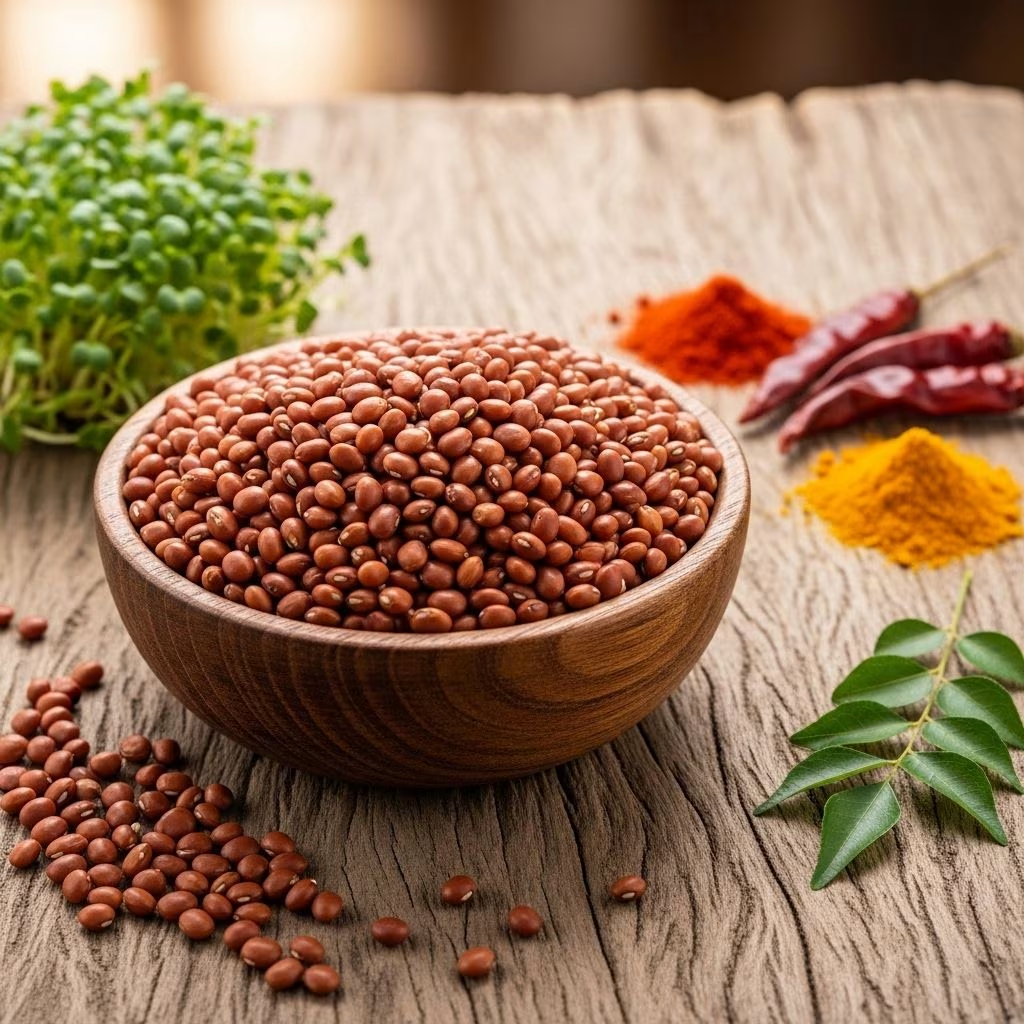
Horse gram, scientifically known as Macrotyloma uniflorum, is an ancient legume cherished across South Asia, Africa, and tropical regions for its exceptional nutritional profile and adaptability to harsh climates. Despite its long history and diverse applications in traditional medicine and cuisine, horse gram remains underutilized compared to other pulses. This article delves deep into the nutritional benefits, health impacts, culinary versatility, unique taste, and agricultural significance of horse gram.
Botanical Profile and Origins
Horse gram belongs to the Fabaceae (Leguminosae) family and is widely recognized by multiple regional names:
- Kulthi Dal (India)
- Kollu (Tamil)
- Ulavalu (Telugu)
- Muthira (Malayalam)
- Hurule (Kannada)
- Kulith / Kolatha (Hindi)
Originally native to Southeast Asia and Tropical Africa, horse gram is now cultivated across India, Africa, Australia, Burma, Malaysia, Mauritius, and the West Indies. Its robust drought, heat, and poor soil tolerance make it a vital resource for farmers in rainfed and semi-arid regions.
| Botanical Name | Origin | Family |
|---|---|---|
| Macrotyloma uniflorum | Southeast Asia & Tropical Africa | Fabaceae (Leguminosae) |
Nutritional Value
Horse gram stands out as a powerful pulse, teeming with protein, dietary fiber, and a host of essential micronutrients and phytochemicals.
| Nutrient | Amount per 100 g (Raw) |
|---|---|
| Protein | 22–25 g |
| Carbohydrates | 57–66 g |
| Dietary Fiber | 5–16 g |
| Fat | 0.5–1.4 g |
| Iron | 7 mg |
| Calcium | 287 mg |
| Phosphorus | 390 mg |
| Carotene (Vitamin A) | 11.9 IU |
| Vitamin B | 0.42 IU |
| Vitamin C | Trace |
| Calories | 321 kcal |
| Polyphenols | 1.43 g |
| Phytic Acid | 1.02 g |
Key nutritional highlights include:
- High protein – Upwards of 22 g per 100 g dry weight, rivalling soybeans and chickpeas.
- Low fat – Suits heart-healthy, weight management diets.
- Rich dietary fiber – Promotes digestive health and satiety.
- Resistant starch & Prebiotics – About 43% of starch remains undigested, reducing glycemic spikes and supporting gut health.
- Micronutrients – Notable amounts of calcium, phosphorus, iron, and vitamins crucial for metabolic function and bone health.
- Phytochemicals – Polyphenols and phytic acid provide antioxidant, anticancer, and anti-inflammatory benefits. They may affect digestibility, but also support disease prevention.
Horse gram’s amino acid profile is also remarkable, particularly with higher lysine levels, making it an excellent addition to cereal-heavy diets where lysine is often lacking.
Health Benefits of Horse Gram
Horse gram is regarded as a ‘functional food’ with several proven and traditional health benefits:
- Weight Loss and Satiety
With very low fat and high fibre, horse gram enhances satiety, slows digestion, and supports weight management. Its resistant starch also helps reduce blood sugar spikes, benefiting diabetic diets. - Blood Sugar and Diabetes Control
The resistant starch and fiber content reduce postprandial glucose release, making horse gram beneficial for blood sugar management. - Digestive Health
High fiber improves bowel regularity, reduces constipation, and may lower risk for colon cancer. The prebiotic nature of resistant starch fosters beneficial gut microbiota. - Heart Health
Fiber helps reduce cholesterol and the risk of cardiovascular and metabolic diseases by lowering LDL cholesterol and supporting healthy endothelial function. - Antioxidant Effects
Polyphenols and phytic acid neutralize free radicals, lower oxidative stress, and potentially decrease the risk of chronic disorders like cancer, atherosclerosis, and neurodegenerative conditions. - Mineral and Vitamin Boost
Significant iron, calcium, and phosphorus support bone health, oxygen transport, and metabolic reactions. - Traditional Medicine Applications
Ancient Ayurvedic texts like the Charak Samhita recommend horse gram for: - Healing piles (hemorrhoids)
- Treating bronchial asthma
- Reducing kidney stones
- Managing leukoderma
- Alleviating hiccups and abdominal lumps
- Regulating perspiration
- Anti-obesity, Anti-ulcer, Anti-diabetic Properties
Research and centuries of folk use support its efficacy against obesity, ulcers, and diabetes. - Potential as a Natural Remedy
Used for cough, cold, fever, menstrual disturbances, and urinary disorders across South Asian folk medicine.
Culinary Uses and Preparation Methods
Horse gram’s robust nutritional profile and adaptability lend itself to diverse culinary traditions:
- Soups – Kollu rasam (Tamil Nadu), spiced horse gram soup with tamarind and pepper.
- Dals and Curries – Cooked as a lentil stew or dal across North and South India.
- Chutneys and Pickles – Ground into spicy chutneys or blended with garlic and chilies.
- Salads – Sprouted or boiled horse gram added to salads for protein and fiber boost.
- Porridge – In Karnataka, Andhra Pradesh, and other regions, horse gram is boiled into porridge and served with rice or millets.
- Snacks – Roasted horse gram seeds are eaten as snacks or mixed with jaggery and coconut.
Preparation often involves soaking or sprouting to improve digestibility and reduce flatulence caused by oligosaccharides.
Cooking Tips:
- Horse gram requires thorough boiling due to its tough seed coat and phytic acid content.
- Soaking overnight, pressure cooking, or sprouting makes it more palatable and nutritious.
- Combining with spices, tamarind, or coconut in Indian and Asian recipes enhances both taste and digestibility.
Notable Dishes:
- Kollu Rasam (spiced broth/soup)
- Ulava Charu (Andhra horse gram soup)
- Kulthi Dal (North Indian lentil curry)
- Horse gram chutney (South Indian style)
- Sprouted horse gram salad
Taste Profile and Sensory Qualities
Horse gram is characterized by a robust, earthy flavor with a slightly nutty and mildly bitter undertone. Its dense and mealy texture can absorb spices and seasonings well, making it an ideal ingredient for soups, stews, and curries. When roasted, the flavor intensifies and can impart a pleasant aroma to dishes.
- Earthy and Nutty – Most culinary applications exploit its deep, wholesome flavors.
- Mildly bitter – Particularly when undercooked; proper boiling or roasting reduces bitterness.
- Mealy texture – Fleshy mouthfeel makes it hearty and filling for stews or curries.
- Spice friendly – Excellent in dishes featuring chili, garlic, ginger, tamarind, or coconut.
The strong taste, somewhat comparable to black gram or kidney beans, may be an acquired preference for those new to horse gram. Blending with flavorful ingredients softens its natural bitterness.
Climate Resilience and Agricultural Advantages
Horse gram is valued not only for its nutrition but its remarkable resilience and utility as a crop:
- Drought and Heat Tolerance – Thrives in semi-arid, rainfed regions with minimal inputs.
- Pest and Pathogen Resistance – Unique protein functions strengthen its defense against common pests and diseases.
- Soil Enrichment – Deciduous nature adds organic matter, boosting soil fertility for subsequent crops.
- Affordable and Accessible – Supports smallholder farmers and food security without the need for advanced irrigation or expensive fertilizers.
- Limitations – Sensitive to frost and prolonged waterlogging, but otherwise robust.
Potential Side Effects and Precautions
While horse gram is generally safe and nutritious, certain considerations apply:
- Digestive Sensitivity – Oligosaccharides can cause flatulence and bloating. Soaking, sprouting, and cooking significantly reduce this effect.
- Antinutritional Factors – Phytic acid and some polyphenols may decrease mineral absorption; proper preparation mitigates this risk.
- Kidney Stones or Uric Acid Issues – Individuals with such conditions may want to limit intake, as horse gram is traditionally used to expel small stones due to its diuretic effect, but excessive consumption could aggravate certain disorders.
- Allergies – Rare, but as with any legume, sensitivities can occur.
- Excessive Use – Prolonged, high intake without dietary balance could cause gastritis or nutrient imbalances.
Frequently Asked Questions (FAQs)
Q: Is horse gram suitable for a vegan or vegetarian diet?
Yes, horse gram is a plant-based pulse packed with protein and nutrients essential for vegetarian and vegan diets.
Q: How do you reduce bloating and gas caused by horse gram?
Soak seeds overnight, sprout, and cook thoroughly to minimize flatulence-producing oligosaccharides.
Q: Can horse gram help with weight loss?
Its high fiber and protein promote satiety, slow digestion, and can aid healthy weight management.
Q: What are traditional medicinal uses of horse gram?
Used for piles, cough, asthma, kidney stones, menstrual disorders, and obesity management in Ayurveda.
Q: Does horse gram taste like other beans?
It has a distinctly earthy, nutty flavor, milder than kidney beans but more robust than lentils or chickpeas.
Q: Is horse gram safe for diabetics?
Yes, its resistant starch and fiber profile support blood sugar management.
Conclusion
Horse gram remains one of nature’s most potent yet underappreciated superfoods. Its remarkable nutritional density, disease-preventive phytochemicals, culinary flexibility, and agricultural resilience make it an invaluable pulse for modern diets as well as sustainable food systems. While its unique taste may require acclimatization, preparation methods such as soaking, sprouting, and spicing offer endless possibilities for healthy and appetizing meals. With rising awareness about nutrition and sustainability, horse gram deserves renewed attention both on plates and in fields.
References
- https://www.medicinenet.com/what_is_horse_gram_and_is_it_good_for_your_health/article.htm
- https://www.downtoearth.org.in/food/why-horse-gram-is-a-neglected-climate-resilient-crop-nutritional-powerhouse
- https://www.tataaig.com/knowledge-center/health-insurance/health-benefits-of-horse-grams
- https://foodchemistryjournal.com/?smd_process_download=1&download_id=3341
- https://pmc.ncbi.nlm.nih.gov/articles/PMC4397296/
- https://www.ijfmr.com/papers/2023/2/1893.pdf
- https://www.easyayurveda.com/2016/02/29/horse-gram-uses-recipes-side-effects/
- https://www.nature.com/articles/s41598-025-01668-x


