


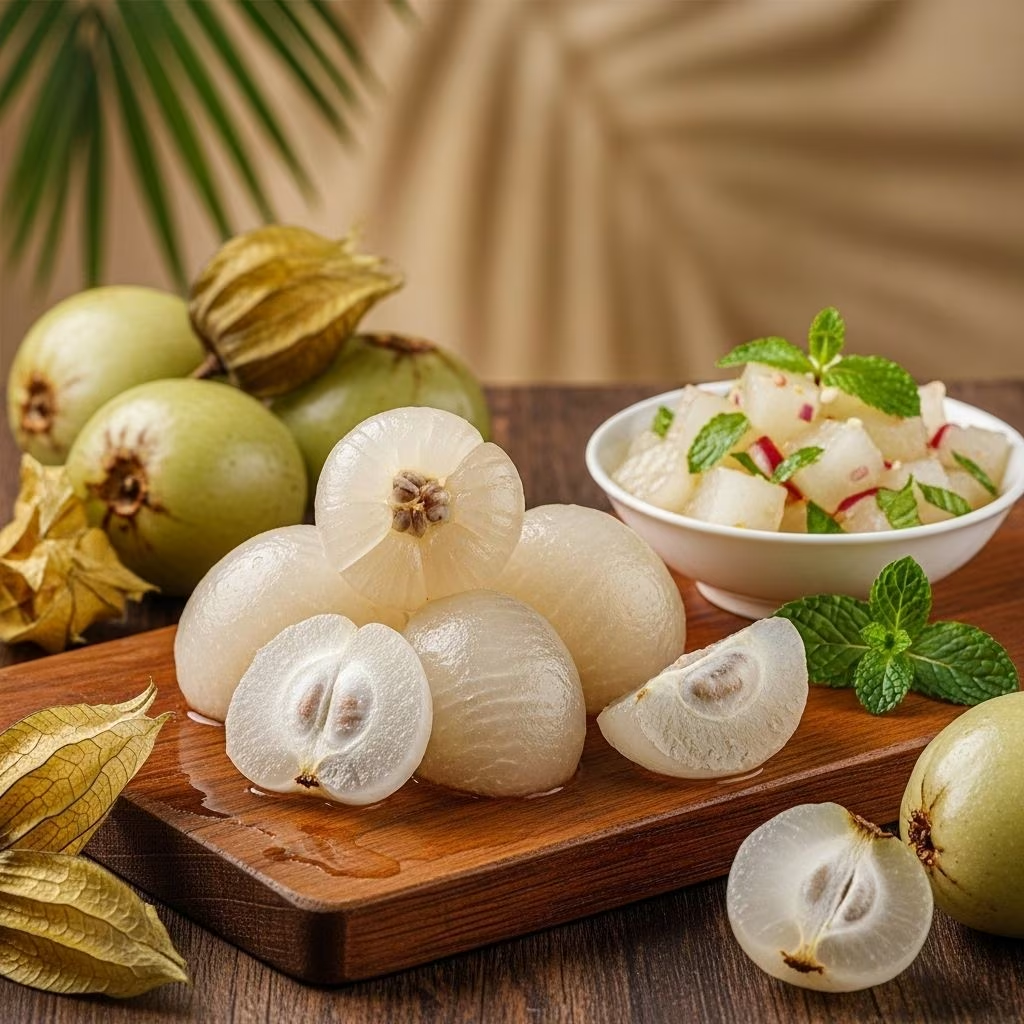
Ice apple—also known as tadgola in Marathi, nungu in Tamil, and taati munjalu in Telugu—is a remarkable summer fruit celebrated for its natural sweetness, hydrating qualities, and wide array of health benefits. Native to South and Southeast Asia and originating from the Borassus flabellifer (Palmyra or sugar palm) tree, ice apple is often described as nature’s answer to the sweltering heat.
Origin and Botanical Profile
Ice apple is the translucent, jelly-like fruit of the Palmyra palm or sugar palm (Borassus flabellifer). Its blackish-violet outer shell is sliced open to reveal clusters of 2–3 seed sacs, each holding a delicate, glistening ice apple surrounded by a thin layer of skin. Ice apple is predominantly found across India—especially in Maharashtra, Tamil Nadu, Andhra Pradesh, West Bengal—and widely in parts of Sri Lanka and Southeast Asia.
- Names: Tadgola (Marathi/Hindi), Nungu (Tamil), Taati munjalu (Telugu), Tala (Bengali), Ice apple (English).
- Season: Typically available in peak summer months (April to July).
- Tree Profile: The Palmyra palm is revered as a “Kalpavriksha”—a tree that gives everything—serving culinary, medicinal, and ecological roles.
Nutritional Value
Ice apple is a low-calorie, high-water-content fruit rich in diverse nutrients. Its nutritional push makes it a healthy superfood, especially for those seeking natural hydration and weight management.
| Nutrient | Amount (per 100g approx.) |
|---|---|
| Calories | ~43 kcal |
| Water Content | ~87% |
| Carbohydrates | 11 g |
| Protein | 1.4 g |
| Fat | 0.1 g |
| Fiber | 1.6 g |
| Vitamin C | 5 mg |
| Vitamins A, E, and K | Minor amounts |
| Potassium | >200 mg |
| Calcium, Iron, Phosphorus, Zinc | Trace to moderate |
It also supplies phytonutrients, electrolytes, antioxidants, and small amounts of B-complex vitamins (notably thiamine and riboflavin).
Major Health Benefits of Ice Apple
- Natural Hydration: The high water content and natural electrolytes make ice apple one of the best fruits to restore hydration in hot weather, preventing heat strokes and dehydration.
- Digestive Aid: Ice apple’s dietary fiber content improves gut motility, eases constipation, and soothes the digestive tract. Its mildly laxative property can help relieve mild digestive discomfort.
- Weight Loss Support: Low in calories and high in fiber and water, ice apple promotes a feeling of fullness, helping curb excessive snacking and aiding healthy weight management.
- Natural Coolant: In Ayurveda, ice apple is celebrated for its cooling effect, balancing the body’s internal heat and alleviating heat-induced skin eruptions, rashes, or prickly heat.
- Boosts Immunity: With a healthy blend of vitamins (like C and A), minerals, and antioxidants, this summer fruit helps to boost immunity and overall wellness.
- Lactation Benefits: Traditionally recommended for lactating mothers, ice apple supports hydration and may help enhance breast milk production.
- Skin Health: Application of the pulp is believed to soothe itching, sunburn, and rashes. Some cultures use ice apple pulp as a natural remedy for heat-induced skin problems in children.
- Supports Detoxification: Used in Ayurvedic detox regimens for clearing ‘pitta’ and aiding in the elimination of toxins.
- May Help Manage Piles: Due to its mildly laxative and anti-inflammatory properties, regular consumption may provide relief in hemorrhoids and piles.
Quick Glance: Benefits Table
| Benefit | Explanation |
|---|---|
| Hydration | Rich in water and electrolytes; maintains body fluids in hot weather |
| Digestive Health | Dietary fiber eases constipation and soothes gut |
| Metabolism | Contains vitamins and minerals that boost metabolic processes |
| Weight Loss | Low-calorie, high-fiber, and promotes satiety |
| Skin Relief | Applied pulp relieves rashes, itching, and heat eruptions |
| Lactation | Traditionally used to support breast milk production |
How Ice Apple Is Used
Ice apple is most cherished when eaten fresh, but it also features in various traditional recipes:
- Consumed Fresh: Peeled and chilled, often enjoyed on hot days as a stand-alone snack.
- Desserts: Added to fruit salads, milk-based desserts, chilled bowls with sugar syrup, or regional delicacies like nungu payasam (Tamil Nadu) and Bengal’s jalbhora-inspired sweets.
- Drinks: Blended with milk or fruit juices for summer coolers, or paired with coconut water to make hydrating beverages.
- Pulp Application: Applied on the skin to relieve prickly heat and minor rashes, especially among children.
- Natural Sweetener: The Palmyra tree also yields pathaneer, a naturally sweet sap that is boiled to make palm jaggery, offering a nutritious sugar alternative.
Note: Always consume fresh ice apples soon after peeling, ideally within a few hours, as their high moisture content encourages rapid spoilage.
Taste and Texture
Ice apple is beloved for its delicate, mild sweetness and unique combination of textures. The transparent, gelatinous flesh holds a cool, watery liquid within and is surrounded by a thin membrane. Upon biting, you experience:
- Texture: Silky, jelly-like, and reminiscent of lychee or tender coconut.
- Taste: Mildly sweet, refreshing, subtly floral, with faint coconut undertones.
- Best Experience: When perfectly ripe—firm yet yielding, neither sticky nor rubbery. Overripe ice apple may taste off and could be difficult to digest.
This combination of high water content, light sweetness, and smooth texture makes ice apple a sought-after summer treat, particularly along India’s western and southern coasts.
Role in Ayurveda and Traditional Medicine
Ice apple, or tadgola, holds a revered place in Ayurvedic traditions:
- Pitta Pacifier: Used to cool excess body heat (‘pitta’), alleviate digestive inflammation, and restore internal balance during the hot months.
- Detoxification: Included in summer detox regimens for its mild laxative and anti-inflammatory effects.
- Child Remedies: Ice apple pulp or juice is often used topically for skin eruptions, sunburns, and prickly heat in children.
- Lactation Support: Consumed by nursing mothers in South Indian cultures for improved hydration and milk production.
The Palmyra palm tree is also highly valued in folk medicine for its holistic benefits, from the fruit to its sap (used for palm jaggery and toddy).
Potential Side Effects and Precautions
Despite its many benefits, ice apple should be consumed with some care.
- Stomach Upset: Eating overripe or spoiled ice apples may cause diarrhea or stomach cramps.
- Cold or Sore Throat: Due to its natural cooling property, excessive consumption can trigger sore throats or intensify respiratory symptoms in sensitive individuals.
- Allergic Reactions: Rarely, some may experience itching or allergies; first-time eaters should try a small quantity.
- Pregnancy: Pregnant women, particularly those prone to gestational diabetes or colds, should consult a physician before regular consumption.
Frequently Asked Questions (FAQs)
Q: What other products are made from the Palmyra palm?
The Palmyra palm provides palm jaggery (from its sap), toddy (a fermented drink), and pathaneer (a natural, unfermented beverage). The fruit itself is the source of ice apples, while the leaves and trunks serve various ecological and industrial purposes.
Q: Can diabetics eat ice apple?
Ice apple contains natural sugars but is relatively low in calories and carbohydrates (about 11g per 100g). It may be consumed in moderation by diabetics, but medical advice is recommended, especially for those with strict dietary restrictions.
Q: How long does ice apple last once peeled?
It is best consumed fresh, within 2–4 hours after peeling, as its high water content makes it highly perishable.
Q: Is ice apple good for children?
Yes, ice apple is a traditional remedy for cooling and hydrating children in hot summers. However, always monitor for allergies and avoid giving overripe fruit.
Q: Are there any culinary traditions associated with ice apple?
In Tamil Nadu, nungu payasam is a famous dessert. In Bengal, the inspiration behind jalbhora sweets comes from the seeds of this fruit. Across India, the fruit is a popular street food and is increasingly used in modern salads and desserts.
Conclusion
Ice apple (tadgola) stands as a shining example of how nature provides food that is both uniquely delicious and deeply nourishing. Its cooling properties, pleasing mild sweetness, and rich array of nutrients make it a seasonal superstar and an essential part of traditional diets in tropical Asia. Whether you savor it straight out of its shell, blend it into desserts, or use it for its therapeutic skin benefits, ice apple is truly one of nature’s finest gifts for the summer.
References
- https://www.pathkindlabs.com/blog/ice-apple-benefits-uses-side-effects
- https://timesofindia.indiatimes.com/life-style/food-news/what-is-ice-apple-what-makes-this-rare-indian-fruit-a-superfood/photostory/91670820.cms
- https://banjaranfoodie.com/2021/05/26/what-are-ice-apples/
- https://en.wikipedia.org/wiki/Borassus_flabellifer
- https://thereflectionssite.wordpress.com/tag/tadgola/


