


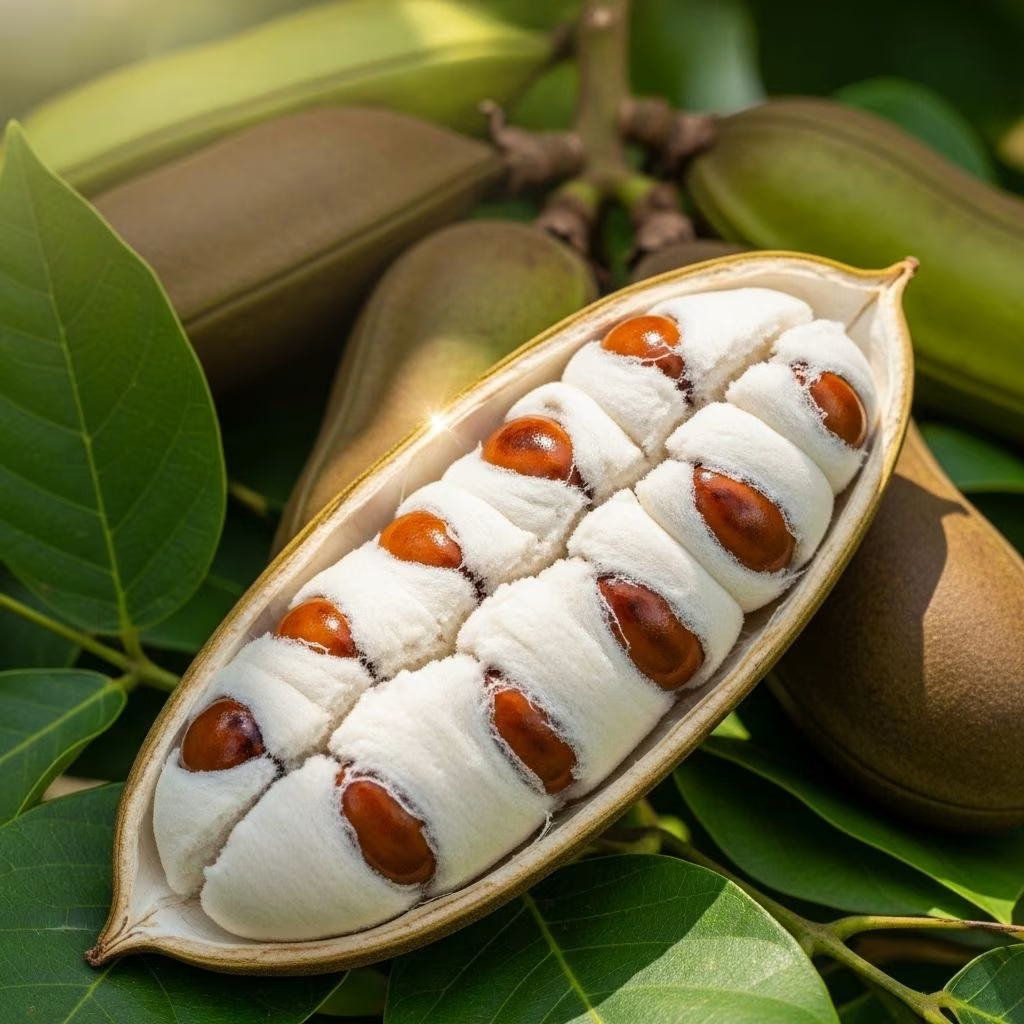
The Ice Cream Bean is an extraordinary fruit celebrated for its sweet, creamy pulp and vanilla-like flavor, making it a favorite among fruit enthusiasts and culinary adventurers. Native to Central and South America, particularly along the lush riverbanks of the Amazon, this unassuming legume not only offers a memorable taste experience but also delivers a host of nutritional and ecological benefits. In this comprehensive guide, explore every aspect of the Ice Cream Bean – its origins, key benefits, fascinating uses, and the delectable flavor that has earned it its whimsical name.
What is Ice Cream Bean?
The Ice Cream Bean – scientifically known as Inga edulis – is a tropical leguminous tree that produces remarkable elongated pods filled with a soft, cottony edible pulp . The pulpy aril, clinging to large purple-black seeds, is famous for its delicate, airy texture and a sweet taste reminiscent of vanilla ice cream or cotton candy .
The name “Ice Cream Bean” is typically used for several Inga species, but Inga edulis is the most widely recognized and cultivated . These beans play a vital role not only as a fruit but also in agroforestry, food security, and local economies across their native range.
Appearance and Varieties
Pods: Ice Cream Bean pods are strikingly long, usually 50-100 centimeters but sometimes reaching over 2 meters . Cylindrical, curved, or even spirally twisted, the pods bear longitudinal ridges and a leathery, semi-thick shell which is easily split open by hand.
- Color: Pods are green when young, turning yellow-brown as they ripen.
- Pulp: Inside, you’ll find translucent-white, cotton-like, slightly moist sections encasing dark, glossy seeds .
- Seeds: About 10–20 per pod; never eat them raw, as they are toxic unless cooked .
- Trees: Mature trees may reach 15–30 meters (50–100+ feet), providing shade and ecological benefits .
Although over 300 Inga species exist, only a handful are widely cultivated for their sweet, edible aril. Pod length, seed size, and sweetness can vary between wild and cultivated varieties .
Origin, Cultivation, and Ecology
Ice Cream Bean trees are native to the Amazon Basin in South America, commonly found along riverbanks, swamps, and lakes . Their cultivation now spans across Central America, the Caribbean, and parts of Southeast Asia, thanks to their adaptability and ecological benefits .
- Preferred environment: Thrive in tropical climates with full sun and year-round irrigation .
- Growth: Often grown from seeds; mature trees tolerate mild frost (down to -4°C) and are prominent in agroforestry for soil improvement .
- Shade provider: Widely planted to shade coffee, cacao, and other understory crops, reducing water loss and protecting biodiversity .
Nutritional Benefits of Ice Cream Bean
The Ice Cream Bean’s pulp is beloved not just for its taste, but also for its nutritional profile :
- Vitamin C: Strengthens the immune system, helps reduce inflammation.
- Calcium & Phosphorus: Vital for strong bones and teeth.
- Dietary Fiber: Aids in healthy digestion and gut health.
- Antioxidants: Help protect body cells from free-radical damage.
- Protein: Cooked seeds, often used as a snack, provide plant-derived protein.
Unlike many fruits where the edible portion comes from the fruit wall, the Ice Cream Bean’s pulp is specialized fleshy tissue that actually comes from the seed coat itself , contributing fiber and unique micronutrients.
Health Benefits and Traditional Uses
Across its native range, the Ice Cream Bean is valued in traditional and modern health practices. Its nutritional and medicinal attributes include:
- Digestive Aid: Traditionally used to stimulate digestion and relieve mild stomach disturbances .
- Anti-inflammatory: Believed to help reduce stomach inflammation.
- Immunity Support: Thanks to vitamin C and antioxidants.
- Hydration: The pulp’s moisture content supplies some fluid and electrolytes.
- Bone Health: With calcium and phosphorus, it contributes to bone and dental health.
While more scientific research is needed to substantiate many folk medicinal claims, its composition aligns with common dietary recommendations for fruit and fiber intake.
Culinary Uses and Applications
The Ice Cream Bean’s culinary appeal lies in its sweet, light, and creamy flesh, which is generally enjoyed raw but also finds a place in an expanding array of fresh and cooked dishes . Here are the main ways it is prepared and consumed:
- Fresh Eating: Simply break open the pod, peel away the cotton-like pulp from the seeds, and enjoy the sweet flesh out-of-hand. Its texture is airy, yet juicy and chewy, offering an experience similar to cotton candy .
- Salads & Bowls: Add the peeled pulp to fruit salads for a unique, sweet highlight.
- Smoothies & Juices: Blend the pulp for tropical drinks, pairing well with banana, mango, or strawberry.
- Desserts: Use as a topping for ice cream, in mousses, vegan ice creams (combined with avocado & sugar), chocolate confections, or candy-making .
- Infusions & Syrups: Incorporate the pulp to flavor syrups or cocktails.
- Cooked Seeds: Though the seeds are inedible raw and mildly toxic, they can be boiled, roasted, or baked to become an edible, slightly nutty snack; ground seeds may be added to flour, eggs, or even coffee .
Pairings: The Ice Cream Bean pairs delightfully with other tropical fruits, nuts, and aromatic spices:
- Fruits: Banana, mango, apple, pear, strawberry, coconut.
- Spices: Cinnamon, cardamom, allspice, cloves, ginger.
- Others: Vanilla, chocolate, cream, almonds, caramel.
Due to the delicate nature of the pulp, it is rarely cooked; heating can cause rapid deterioration of its airy consistency.
Taste Profile: What Does Ice Cream Bean Taste Like?
The unique selling point of the Ice Cream Bean is its extraordinary flavor profile, often compared to a vanilla ice cream or cotton candy experience:
- Sugary-sweet with strong notes of vanilla, sometimes accompanied by hints of cream and cinnamon .
- Delicate, airy, and lightly moist texture, similar to cotton candy.
- The flavor is never overwhelming, making it approachable to children and adults alike.
- Cooked seeds, if prepared safely, have a mild and nutty flavor.
This naturally sweet and satisfying treat explains why it is a staple of local markets and a cherished snack in its native regions.
Storage and Handling
Proper handling is essential to enjoy Ice Cream Beans at their best:
- Whole, unopened pods will keep for 3 to 5 days at room temperature, and up to 1–3 weeks refrigerated in a plastic bag .
- Once a pod is opened, the fragile pulp should be consumed immediately for optimal freshness and flavor.
- Frozen pulp can be preserved for longer periods, though the airy texture may be affected.
Always discard the pods and do not eat raw seeds. Only consume seeds that have been properly boiled, roasted, or baked.
Ecological Significance and Agroforestry
The Ice Cream Bean tree is a champion of sustainable agriculture and environmental health:
- Nitrogen fixation: As a member of the Fabaceae family, its roots enrich soil by fixing atmospheric nitrogen, improving soil fertility for neighboring crops .
- Agroforestry: Widely used as a shade-giving nurse tree for cacao and coffee plantations, contributing to sustainable farming systems .
- Habitat and Biodiversity: Its canopy supports wildlife and helps preserve tropical biodiversity.
- Timber and Wood Use: Beyond fruit, the fast-growing Inga trees are valued for timber and local building material .
Ice Cream Bean cultivation thus not only delivers nutrition and food but also supports ecological restoration and food security in the tropics.
Side Effects and Safety
While the Ice Cream Bean pulp is safe and healthy for most people, observe these safety precautions:
- Raw seeds are toxic; never eat raw seeds as they contain compounds that can be harmful. Proper cooking renders them safe.
- No serious allergies have been documented, but individuals sensitive to legumes should exercise caution.
- Due to its high sugar content, moderate consumption is advised for those monitoring sugar intake.
Frequently Asked Questions (FAQs)
Q: What exactly makes Ice Cream Bean taste like vanilla ice cream?
A: The pulp contains a balance of natural sugars and aromatic compounds, delivering sweet notes reminiscent of vanilla, cream, and sometimes cinnamon, creating a taste experience akin to vanilla ice cream .
Q: Can you eat the seeds of Ice Cream Bean?
A: The seeds are inedible and toxic when raw. However, after proper cooking (boiling, roasting, or baking), they develop a mild, nutty flavor and are safe to eat .
Q: Is the Ice Cream Bean suitable for vegans?
A: Yes, Ice Cream Bean pulp is plant-based and can even be used to make vegan ‘ice cream’ when blended with avocado and sugar .
Q: How can one grow an Ice Cream Bean tree?
A: The tree is easily grown from fresh seeds in tropical and subtropical climates, requiring full sun and ample water, especially in the seedling stage .
Q: How do you know when an Ice Cream Bean is ripe?
A: Ripe pods will turn from green to yellow-brown and can be easily opened with your hands. Inside, the pulp should appear moist, white, and fragrant .
Summary Table: Ice Cream Bean at a Glance
| Aspect | Description |
|---|---|
| Botanical Name | Inga edulis |
| Origin | Amazon Basin, South America |
| Main Edible Part | Cottony, white pulp covering the seeds |
| Taste Profile | Sugary-sweet, vanilla-like, creamy, cinnamon notes |
| Nutritional Benefits | Vitamin C, calcium, phosphorus, fiber, antioxidants |
| Culinary Uses | Eaten fresh, desserts, drinks, vegan ice cream, cooked seeds as snacks |
| Tree Utility | Agroforestry, shade, timber, soil enrichment |
| Shelf Life | 3-5 days (room temperature, unopened), up to 3 weeks refrigerated |
References
- https://specialtyproduce.com/produce/Ice_Cream_Beans_13018.php
- https://www.tradewindsfruit.com/content/ice-cream-bean.htm
- https://www.kew.org/read-and-watch/ever-had-an-ice-cream-bean-for-dessert
- https://www.growables.org/information/TropicalFruit/IceCreamBean.htm
- https://www.rayon-de-serre.com/a-collaboration-with-the-botanical-garden-orchard-of-flavours-/517-inga-edulis.html
- https://zeroinputagriculture.wordpress.com/2019/11/22/plant-profile-ice-cream-bean/
- https://plantingjustice.org/products/ice-cream-bean-tree-inga-feuileei
- https://www.atlasobscura.com/foods/ice-cream-bean


