


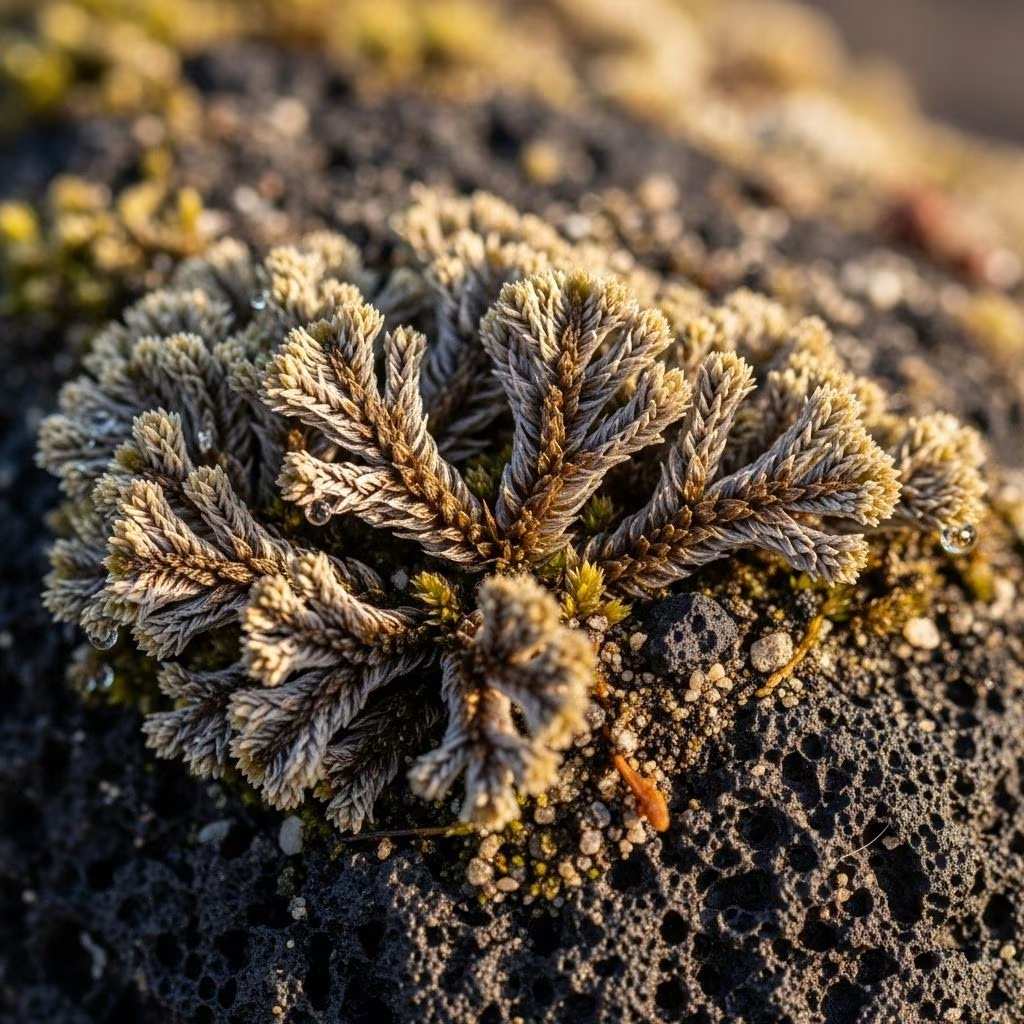
Iceland moss, known scientifically as Cetraria islandica, is a unique Arctic-alpine lichen with a rich legacy in nutrition and herbal medicine. Despite its name, it is not a true moss but a lichen—a symbiotic organism composed of algae and fungus. Iceland moss thrives in harsh northern climates and has played a vital role in the diets and health traditions of Nordic peoples for centuries.
Introduction
Iceland moss stands as a testament to the adaptability and utility of northern plants. Revered by Arctic and Nordic cultures as both a dietary staple and natural remedy, this lichen is gaining recognition for its potential health benefits and unique place in botanical history.
Botanical Profile and Distribution
Iceland moss (Cetraria islandica) features:
- Taxonomy: Belongs to the lichen family Parmeliaceae; neither true moss nor a vascular plant.
- Structure: Upright, leaflike, or fruticose (bushy, branched) habit, reaching 7–10 cm (3–4 inches) tall. Trough-shaped branches end with flattened, often fringed lobes.
- Color: Ranges from pale chestnut and deep brown to greyish-white, depending on age and location.
- Distribution: Common throughout Arctic and sub-Arctic regions—particularly Iceland, as well as northern Europe, the British Isles, Scandinavia, parts of North America (from Alaska to Newfoundland and south through the Rocky Mountains to Colorado and Appalachian ranges).
- Habitat: Prefers nutrient-poor, exposed locales—lava fields, tundra, alpine meadows, and mountain slopes.
The lichen’s ability to thrive in extreme climates exemplifies its resilience—a quality mirrored in its medicinal reputation.
Historical and Ethnobotanical Background
Iceland moss holds deep historical and cultural significance:
- Nordic Traditions: Widely used by Icelanders, Sámi, and other northern peoples as emergency food during times of scarcity, particularly in harsh winters or poor harvests.
- Medicinal Fame: Praised in traditional herbalism as a remedy for coughs, bronchitis, digestive troubles, and general debility.
- Animal Fodder: Key forage for reindeer, caribou, musk-oxen, and moose, as well as sheep and cattle in northern grazing systems.
- Industrial Uses: Historically used to make brown dye, alcohol (notably Cetraria schnapps), and, during the 20th century, extracted for glucose in Russia.
In commerce, dried Iceland moss was exported across Europe as both a food ingredient and medicinal herb.
Nutritional Composition and Bioactive Compounds
This lichen is notable for its “lichen-starch” (lichenin) content and diverse secondary metabolites:
- Lichenin: Makes up about 70% of its dry weight—a carbohydrate similar to starch but lacking granular structure. Highly digestible and energy-rich.
- Other Carbohydrates: Includes isolichenin and various polysaccharides with gelling and soothing properties.
- Pigments: Contains a unique modification of chlorophyll (thallochlor).
- Organic Acids: Cetraric acid (gives bitterness), fumaric acid, lichenostearic acid, lichesterinic and protolichesterinic acids—many with antimicrobial, anti-inflammatory, or antioxidant potential.
- Mucilage: Contributes to the soothing, demulcent (coating) effect historically prized in herbal medicine.
These compounds underpin Iceland moss’s reputation as both a functional food and herbal remedy.
Potential Health Benefits
While robust clinical studies are limited, traditional uses and biochemical studies suggest several benefits:
- Demulcent Action: The high mucilage content coats and soothes inflamed mucous membranes—helpful for dry coughs, sore throats, and irritated digestive tissue.
- Bitter Tonic: Cetraric acid and related compounds stimulate digestion, enhance appetite, and may support liver function.
- Antimicrobial and Immune Support: Organic acids show some inhibitory effects on bacteria and viruses; traditionally used to support recovery from colds and lung ailments.
- Nutritional Value: During scarcity, its high carbohydrate content provided indispensable calories.
- Wound Healing: External application of moss has a history in treating poorly healing wounds, perhaps due to its antimicrobial and anti-inflammatory properties.
| Component | Estimated Amount |
|---|---|
| Lichenin (carbohydrate) | ~70 g |
| Protein | Low (exact values vary) |
| Cetraric acid | 1-2 g (may vary) |
| Fumaric acid | Trace |
| Mucilage (soluble fiber) | Not precisely quantified |
More research is necessary to substantiate and refine these health claims, though Iceland moss’s track record as a demulcent and gentle tonic is well-documented from traditional sources.
Traditional and Modern Uses
- Food: Historically soaked, dried, ground into flour or meal, and used in breads, porridges, soups, or as a thickener. In Iceland, often combined with cereals, potatoes, or dairy foods.
- Beverages: Flavored traditional schnapps and, in Russia during wartime, used to create a glucose-rich drink and syrup.
- Folk Medicine:
- Treatment for dry coughs, sore throats, bronchitis, tuberculosis, and asthma.
- Digestive aid and appetite stimulant (due to bitter principles).
- Topical applications for slow-healing wounds.
- Modern Herbalism:
- Found in natural cough syrups, lozenges, teas, and demulcent formulations.
- Occasionally used to flavor specialty liquors or as a thickener in artisanal foods.
Culinary Applications and Taste Profile
Iceland moss’s utility in the kitchen is both practical and taste-driven:
- Texture: When dried, it is crisp and paper-thin; once rehydrated, it becomes slightly gelatinous, ideal for soups and porridges.
- Taste: Possesses a subtle, slightly bitter flavor—sometimes considered earthy or herbal. Soaking and boiling can reduce bitterness, making it more palatable.
- Uses: Incorporated into breads, porridges, jelly, salads, and traditional Icelandic dairy preparations (such as skyr). Also used as an emergency food by Indigenous peoples and northern farmers.
- Flavoring: Adds a mild herbal note to beverages and is occasionally used as a natural flavoring in alcoholic drinks.
The taste can be an acquired one, especially if the lichen is not thoroughly soaked before preparation. Modern recipes often pair Iceland moss with grains, roots, or sweetener to balance its bitter edge.
Summary Table: Taste & Culinary Qualities
| Aspect | Description |
|---|---|
| Flavor | Slightly bitter, earthy, herbal—can be lessened with soaking |
| Texture | Crisp when dry, gelatinous when cooked |
| Traditional uses | Breads, porridges, soups, dairy mixes, alcoholic drinks |
| Modern uses | Herbal teas, lozenges, thickeners, culinary curiosity |
Practical Guidelines and Safety
- Harvesting: Iceland moss is most abundant in clean northern environments. Because lichens accumulate contaminants, wild harvesting should be from unpolluted areas only.
- Preparation:
- Traditionally soaked in several changes of water to reduce bitterness.
- Can be dried and ground into powder for food use.
- Boiling further softens texture and neutralizes unpleasant flavors.
- Dosing (Medicinal):
- For teas or decoctions: 1–2 teaspoons dried moss simmered in 250 ml water, taken up to several times daily.
- Traditional doses for cetraric acid in tincture or powder form: 2–4 grains per use (medical supervision advised).
- Cautions:
- Generally regarded as safe in food amounts.
- Potential for mild digestive upset or allergic reaction in sensitive individuals.
- May interfere with the absorption of certain medications due to mucilage content.
- Conservation note: Lichen habitats are sensitive—avoid unsustainable wild harvesting and seek farmed or certified sources when available.
Frequently Asked Questions (FAQs)
Q: Is Iceland moss the same as reindeer moss?
No. While both are Arctic lichens used for food and fodder, Iceland moss (Cetraria islandica) is distinct from reindeer moss (Cladonia rangiferina) in appearance, habitat, and taste.
Q: Can I eat Iceland moss raw?
It is not usually eaten raw due to its bitterness and tough, cartilaginous texture. Traditional methods always involve soaking and/or boiling to render it edible and palatable.
Q: What does Iceland moss taste like?
Slightly bitter and earthy, with a mild “herbal” character. The bitterness can be reduced by soaking and boiling, especially before culinary uses in breads or porridge.
Q: Are there any risks to consuming Iceland moss?
Iceland moss is generally safe for most people when prepared properly and consumed in moderate amounts—but as with any wild product, allergic reactions or digestive sensitivities are possible.
Q: How is Iceland moss used in modern herbal medicine?
It is commonly included in teas for sore throats, lozenges for coughs, and syrups for bronchitis due to its soothing and antimicrobial properties.
Conclusion
Iceland moss remains a distinctive symbol of the ingenuity and resilience of northern cultures. Its unique nutritional profile, remarkable ability to soothe mucous membranes, and subtle earthy flavor have cemented its reputation as both a food and medicine. Whether appreciated in its traditional culinary context or as a gentle herbal remedy, Iceland moss offers a window into the enduring relationship between people and the challenging landscapes they inhabit.
References
- https://en.wikisource.org/wiki/1911_Encyclop%C3%A6dia_Britannica/Iceland_Moss
- https://www.britannica.com/science/Iceland-moss
- https://www.rxlist.com/supplements/iceland_moss.htm
- https://en.wikipedia.org/wiki/Cetraria_islandica
- https://www.herbalreality.com/herb/iceland-moss/
- https://www.fs.usda.gov/database/feis/lichens/cetisl/all.html
- https://www.manufactum.com/iceland-moss-c200176/


