


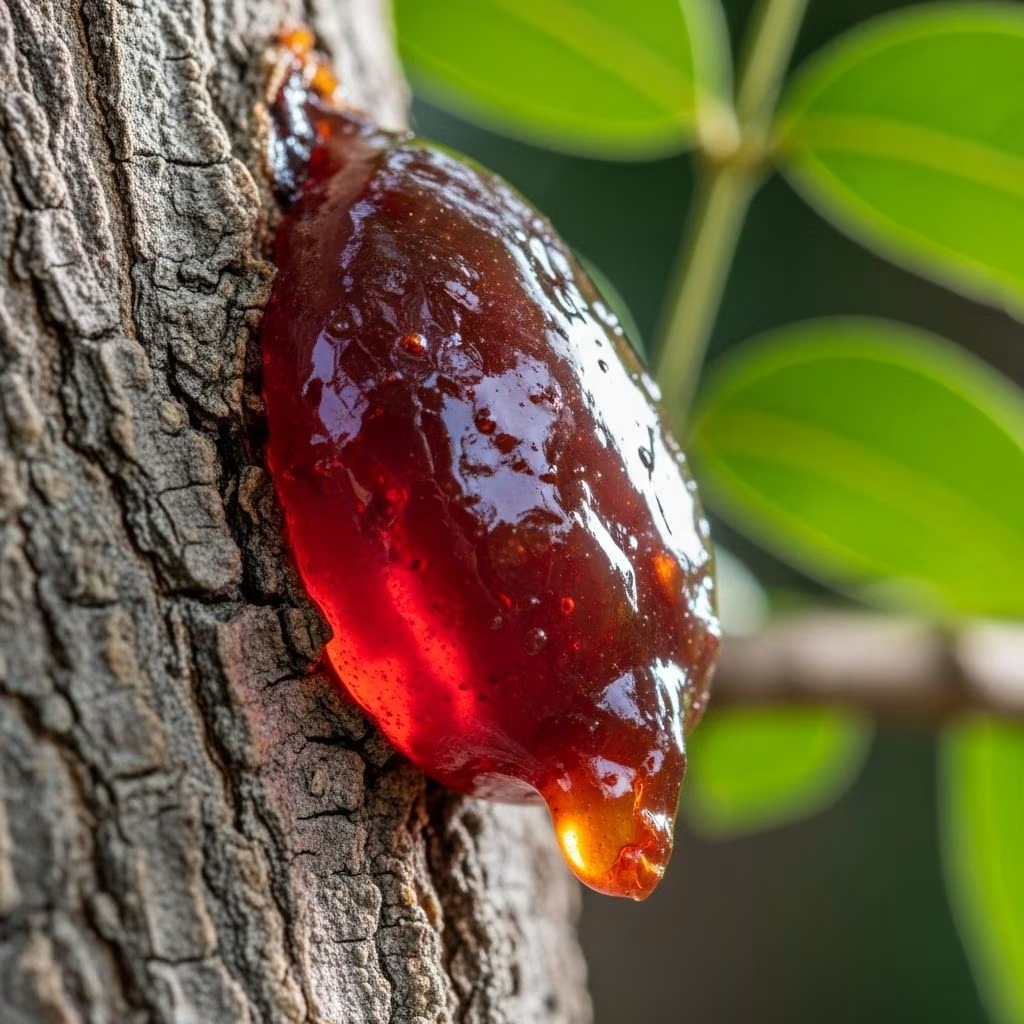
Indian Kino Tree Gum: Harnessing Natural Skin Benefits, Uses, and Potential Side Effects
The Indian Kino Tree (Pterocarpus marsupium), also known as Vijayasar, has been revered in traditional medicine for centuries, particularly in Ayurveda. The gum and other extracts derived from this tree are increasingly gaining popularity worldwide for their reported skin benefits, healing properties, and versatile applications in health and beauty.
This comprehensive article explores the skin-centric benefits of Indian Kino Tree Gum, its traditional and modern uses, and safety considerations based on current scientific and herbal literature.
Overview of Indian Kino Tree Gum
The Indian Kino Tree is indigenous to the Indian subcontinent and Sri Lanka, thriving especially in the Western Ghats’ dense forests. Its gum is an exudate collected from the heartwood and bark of the tree, known for astringent properties that make it beneficial in wound healing and topical applications.
The resin or gum, usually reddish brown, is rich in organic bioactives that serve a myriad of health and wellness functions—from managing diabetes to healing wounds and enhancing skin resilience.
Common names include Vijayasar, Kino Gum, and Pterocarpus marsupium resin.
Botanical Profile & Key Compounds
- Scientific Name: Pterocarpus marsupium
- Family: Leguminosae (Fabaceae)
- Native Range: India, Sri Lanka, Nepal, Western Ghats
- Key Phytochemicals in Kino Gum:
- Pterostilbene: Potent natural antioxidant
- Quinotannic acid, marsupinol: Exhibit anti-inflammatory and antimicrobial actions
- Flavonoids, tannins, alkaloids: Vital for wound healing, skin protection, and blood detoxification
Skin Benefits of Indian Kino Tree Gum
Indian Kino Tree Gum is celebrated for its multi-dimensional impact on skin health, supported by both traditional Ayurvedic practice and emerging scientific evidence.
Key Skin Benefits
- Accelerates Wound Healing:
The resin acts as a natural wound dressing, promoting tissue regeneration and faster recovery from cuts, burns, and ulcers due to its bioactive content. - Astringent Properties:
Its astringent action helps to control bleeding, shrink inflamed tissues, and prevent infection, making it invaluable for minor injuries and abrasions. - Detoxifies the Blood:
The gum’s antioxidants may help support skin clarity from within by removing toxins, which can alleviate conditions like acne and other inflammatory skin issues. - Antibacterial and Antimicrobial Activity:
Kino gum contains compounds like hexane and methanol extracts that suppress skin pathogens, thus being useful in treating boils, ulcers, and infected wounds. - Manages Skin Inflammation:
Bioactives like pterostilbene help reduce redness, swelling, and discomfort linked to eczema, dermatitis, or allergic reactions. - Supports Overall Skin Health:
Indian Kino Gum enhances skin resilience, maintains moisture balance, and protects against oxidative stress due to its rich antioxidant profile.
Comparison Table: Indian Kino Tree Gum vs. Other Herbal Wound Healers
| Herb | Main Active Compound | Skin Benefit | Traditional Use |
|---|---|---|---|
| Indian Kino Gum | Pterostilbene | Wound healing, anti-inflammatory, antimicrobial | Wounds, burns, ulcers |
| Aloe Vera | Aloenin | Soothing, anti-inflammatory | Burns, skin hydration |
| Neem | Azadirachtin | Antibacterial, antifungal | Acne, eczema |
Other Medicinal & Cosmetic Uses
- Managing Diabetes: Indian Kino heartwood is renowned for stabilizing blood sugar levels due to its anti-glycemic activity; extracts are used in diabetes care.
- Cardiovascular Support: Kino extracts have anti-hyperlipidemic effects, contributing to heart health by lowering cholesterol.
- Liver and Digestive Enhancement: Used for improving digestion, liver function, and alleviating gastrointestinal disorders such as diarrhea and constipation.
- Weight Management: Flavonoids assist in detoxification and appetite regulation, aiding in weight loss efforts.
- Cosmetic Applications: Extracts are being incorporated into skin creams, lotions, and herbal formulations for their protective and healing qualities.
Traditional Body System Support
- Blood and Circulatory System
- Gastrointestinal Tract and Liver
- Mouth and Gums (Oral Health)
Application Methods in Skin Care
- Topical Use: Gum extracts are applied directly on wounds, burns, and inflamed skin, often as a paste or infused oil.
Ayurvedic texts recommend combining kino gum powder with coconut oil or ghee for enhanced penetration and soothing effects. - Herbal Ointments: Mixed with other herbal ingredients and carriers to create creams or balms aimed at healing and protecting skin.
- Infusions and Decoctions: Kino gum is simmered in water or milk, producing a wash for skin cleansing or treating infections.
- Internal Use: While primarily topical for skin, kino gum is also consumed orally in small, prescribed doses for blood detoxification and systemic benefits under expert supervision.
Always follow professional or traditional guidance for preparation and dosage.
Potential Side Effects & Safety Precautions
Indian Kino Tree Gum is generally regarded as safe in traditional use, but certain considerations should be kept in mind for optimal safety, especially when integrating it into modern skin and health routines.
- Allergic Response: There are rare reports of skin irritation or rash, especially in sensitive individuals or when used excessively.
Patch testing is recommended before full application. - Dosage Sensitivity: Internal consumption should be restricted to prescribed therapeutic use to avoid any adverse effects on liver or digestive functions.
- Pregnancy & Lactation: Data on safety during pregnancy or breastfeeding is lacking; consult a healthcare provider before use.
- Drug Interactions: For those on anti-diabetic, anti-hyperlipidemic, or anticoagulant drugs, monitor for potential synergistic effects or interactions.
- Quality Assurance: Always select reputable sources for herbal products to avoid contamination and ensure therapeutic potency.
Frequently Observed Side Effects Table
| Effect | Frequency | Management |
|---|---|---|
| Mild skin irritation | Rare | Discontinue, use soothing creams |
| Gastrointestinal upset (internal use) | Uncommon | Lower dose, consult physician |
Ayurvedic & Cultural Significance
The Indian Kino Tree is recognized in Ayurveda as an important herb for balancing the body’s metabolic processes, cleansing the blood, and supporting tissue regeneration.
It is considered rasayana, meaning rejuvenative, and is prescribed for chronic conditions including skin disorders, diabetes, and infections.
- Ayurvedic Preparation Names: “Vijayasar churna”, “Kino gum paste”, “Herbal wound wash”
- Traditional Harvest: Most potent gum is collected from mature trees between January and June.
- Cultural Relevance: Used in cultural rituals, healing ceremonies, and eco-preservation efforts, especially in Western Ghats communities.
Scientific Research on Indian Kino
- Clinical Evidence: Animal and in vitro studies confirm the antioxidant, antimicrobial, and wound-healing abilities of kino gum and associated extracts.
- Notable Studies:
- Research published in the Journal of Ethnopharmacology demonstrated blood sugar-lowering effects and potent anti-inflammatory activity of pterostilbene-rich heartwood extracts.
- Comparative analyses highlight kino gum’s superior resilience-promoting activity compared to other astringents and wound-healing botanicals.
While traditional use is robust, large-scale clinical validation is ongoing and recommended for new applications or high-dose consumption.
Frequently Asked Questions
Q: Is Indian Kino Tree Gum safe for all skin types?
A: Indian Kino Gum is generally safe and non-allergenic, but patch testing is advised for sensitive or allergy-prone skin before extensive use.
Q: Can it cure acne permanently?
A: Kino Gum can help manage acne symptoms due to its antibacterial and astringent functions but may not offer a permanent cure. Sustainable skin care includes a holistic approach.
Q: How does the gum compare to synthetic wound treatments?
A: Indian Kino Gum is natural, minimally processed, and offers antioxidant and antimicrobial defense, whereas synthetics may carry higher risk of side effects or resistance over long-term use.
Q: Are there any restrictions on use during pregnancy?
A: Lack of conclusive research means use during pregnancy or while breastfeeding should be avoided or supervised by an herbal physician.
Q: Can it be combined with other herbal skin treatments?
A: Kino gum blends well with other Ayurvedic botanicals and natural oils but be cautious of cumulative effects; expert or traditional guidance is recommended.
Conclusion
Indian Kino Tree Gum presents a unique blend of tradition and science in natural skin care. Its wound-healing, detoxifying, and protective actions make it a valuable addition to herbal wellness routines. Safety is high, but informed use is key for optimal benefit—leveraging the wisdom of Ayurveda alongside modern research.
References
- https://caringsunshine.com/ingredients/ingredient-indian-kinotree/
- https://ayurprabhava.com/blogs/dandruff-blog/indian-kino-for-skincare
- https://growbilliontrees.com/blogs/tree-stories/indian-kino-tree-unlocking-the-secrets-of-natures-healing-power-and-cultural-significance
- https://www.florajournal.com/archives/2024/vol12issue6/PartA/9-5-123-991.pdf
- https://www.netmeds.com/c/health-library/post/vijaysar-benefits-uses-formulation-ingredients-dosage-and-side-effects
- https://www.wisdomlib.org/science/journal/world-journal-of-pharmaceutical-research/d/doc1380260.html
- https://www.botanichealthcare.net/news-and-blog/what-are-the-health-benefits-one-can-gain-by-using-pterocarpus-marsupium.html
- https://www.easyayurveda.com/2015/10/12/vijaysar-asana-pterocarpus-marsupium-beejaka/
- https://pmc.ncbi.nlm.nih.gov/articles/PMC3687502/


