


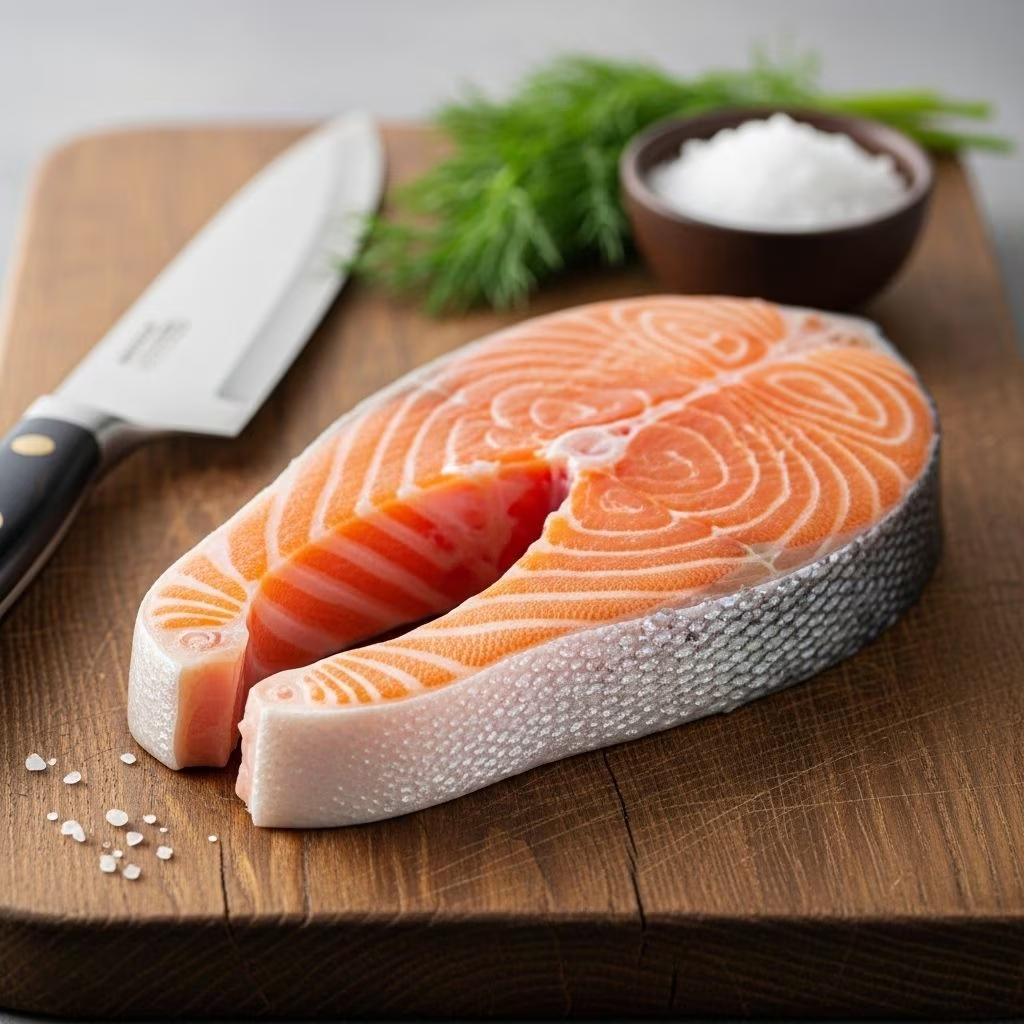
Indian Salmon, locally known as Rawas, is one of the most sought-after fish varieties in South Asia, prized for its rich flavor, impressive nutrient profile, and versatility in the kitchen. Though commonly called “salmon” in the Indian subcontinent, Rawas is scientifically identified as Eleutheronema tetradactylum, the fourfinger threadfin. This article dives deep into what sets Indian Salmon apart, exploring its benefits, culinary uses, nutritional profile, and unique taste attributes.
- Scientific Name: Eleutheronema tetradactylum
- Local Name: Rawas
- Family: Polynemidae (threadfin fish)
- Distribution: Indian and western Pacific Oceans, primarily the coastal and estuarine waters of South and Southeast Asia
Overview of Indian Salmon (Rawas)
Despite its local name and culinary status, Indian Salmon (Rawas) is not biologically related to the Atlantic or Pacific salmon commonly consumed in the West. Instead, it belongs to the threadfin family, thriving in Indian coastal waters and recognized by its silvery body, yellow-tinted fins, distinct thread-like pectoral filaments, and robust flesh that adapts well to a variety of cooking methods.
- Size ranges from 50 centimeters (20 inches) to a maximum recorded length of 2 meters (6.6 feet).
- Distinctive vivid yellow and white fins; four thread-like filaments under each pectoral fin (hence the name).
- Found in estuaries, mangroves, and sometimes rivers, as well as inshore marine environments.
Why Is It Called Indian Salmon?
The term “Indian Salmon” is primarily a marketing name. In India, “salmon” is used locally to refer to the desirable texture and flavor of Rawas, even though it is not a true salmon like those of the genus Salmo or Oncorhynchus such as in Atlantic or Pacific regions.
Nutritional Value of Indian Salmon Fillet
Indian Salmon fillet is rich in macro- and micronutrients, making it a healthy addition to balanced diets. Below is an approximate nutritional value per 100 grams of raw Indian salmon fillet:
| Nutrient | Amount (per 100g) |
|---|---|
| Calories | 135–150 kcal |
| Protein | 21–23 g |
| Total Fat | 4–7 g |
| Omega-3 Fatty Acids | 0.8–1.2 g |
| Cholesterol | 50–60 mg |
| Vitamin D | Up to 320 IU |
| Vitamin B12 | ~2.5 mcg |
| Calcium | ~30 mg |
| Iron | 0.4 mg |
| Selenium | ~25 mcg |
The actual nutritional content may vary depending on the size, age, and catch location of the fish. However, Indian salmon is universally acknowledged for being lean, high in quality protein, and a good source of essential fatty acids.
Health Benefits of Indian Salmon
- High Protein Content: Supports muscle growth and tissue repair due to abundant, easily digestible protein.
- Omega-3 Fatty Acids: Contains significant levels of EPA and DHA, essential for heart, brain, and eye health, and for reducing inflammation and supporting cardiovascular function.
- Rich in Micronutrients: Supplies key vitamins (like B12 and D) and minerals (selenium, calcium, iron) that strengthen immunity, bone health, and red blood cell production.
- Low in Saturated Fat: Helps maintain a healthy lipid profile, making it suitable for regular consumption in most balanced diets.
- Weight Management: The protein and healthy fat combination fosters satiety and helps manage appetite.
- Supports Brain Function: High levels of DHA and B vitamins aid in cognitive function and may lower the risk of neurodegenerative conditions.
- Potential for Lower Mercury: Since Indian salmon is generally smaller and harvested younger compared to many large marine predators, it tends to have lower mercury content than some other seafood options.
Culinary Uses and Popular Recipes
Raw Indian salmon fillet is celebrated for its versatility in culinary preparations and is prized in Indian and coastal cuisines:
- Grilled or Pan-Seared: Rawas fillets hold together well, making them perfect for grilling, pan-searing, or tandoor-roasting, often marinated in subtle spices or herbs.
- Curries and Stews: Used extensively in rich coastal curries (like Malvani and Bengali fish curry) where its firm flesh doesn’t break down easily.
- Steamed: Steaming raw fillet with minimal seasoning highlights its natural flavor.
- Baked: Baking with aromatic herbs, lemon, and olive oil enhances its mildness.
- Fish Fry: Thin slices are coated in spiced batters and shallow or deep-fried for crispy snacks.
- Raw Preparations: In high-quality, freshest forms, it may be used for ceviche, tartare, or even as sushi, though this is less traditional and should be approached with food safety in mind.
Here are some popular Indian Salmon dishes:
- Rawas Tikka (spiced and skewered fillets cooked in a clay oven)
- Bengali Rawas Maacher Jhol (a light fish curry with nigella seeds and mustard oil)
- Konkani Surmai Fry (crispy pan-fried with a coastal masala crust)
- Goan Fish Curry (coconut and kokum-based sauce pairing beautifully with the fish’s richness)
Taste Profile and Texture
Indian Salmon fillet is renowned for its:
- Mild, Delicate Flavor: The fish has a subtle sweetness, lacking the strong or oily aftertaste of some other fish, making it accessible to a wide range of palates.
- Firm, Moist Texture: The flesh is meaty and succulent when cooked, staying together well in curries, on grills, or in stews.
- Low Fishy Odor: Its freshness typically leaves little to no undesirable fishy aroma.
- Pearl-White Appearance: When raw, it is shiny and pale, often with a hint of translucence.
This unique combination of flavor and texture is a cornerstone of Indian coastal cuisine and a favorite for both traditional and modern recipes.
Indian Salmon vs. Atlantic and Pacific Salmon
| Feature | Indian Salmon (Rawas) | Atlantic & Pacific Salmon |
|---|---|---|
| Scientific Family | Polynemidae (Threadfin) | Salmonidae (Salmo & Oncorhynchus) |
| Geography | Indian Ocean, South Asia | North Atlantic, North Pacific, Europe, North America |
| Color (Raw Fillet) | Pearl-white, pale pink | Bright orange-pink to deep red |
| Flavor | Mild, sweet, subtle | Rich, sometimes intense and oily |
| Texture | Firm, moist, less oily | Fatty, dense, distinct flakes |
| Omega-3 Content | Moderate | High |
| Culinary Use | Grills, curries, fries, roasts | Sushi, grilling, smoking, roasting, salads |
| Price | Moderate to premium (varies regionally) | Premium (especially wild-caught) |
Despite the differences, both are valued for their high nutritional value and diverse culinary applications.
Buying, Handling, and Storing Raw Indian Salmon Fillet
- Freshness Check: Look for moist, translucent fillets without any dry edges, off-odors, or discoloration.
- Source Wisely: Purchase from trusted fishmongers or markets that maintain cold-chains, especially if using raw or in lightly cooked recipes.
- Cold Storage: Store in the coldest part of the refrigerator (0–2°C) and use within 1–2 days for optimal freshness.
- Freezing: For longer storage, freeze in airtight packaging to prevent freezer burn; best consumed within 1–2 months for peak flavor and texture.
- Food Safety: Always cook to an internal temperature of at least 63°C (145°F) to eliminate pathogens, unless using trusted sushi-grade fillets for raw preparations.
Frequently Asked Questions (FAQs)
Q: Is Indian Salmon a true salmon species?
A: No. While called ‘salmon’ locally (Rawas in India), it is a threadfin (Eleutheronema tetradactylum), not a member of the true salmon family (Salmonidae).
Q: How does the nutritional value compare to Atlantic or Pacific salmon?
A: Indian Salmon fillet provides plenty of high-quality protein and healthy fats, though its omega-3 levels may generally be lower than those of Atlantic or Pacific salmon. However, it remains one of the healthiest local fish choices in India and nearby regions.
Q: What recipes is Indian Salmon fillet best for?
A: It is ideal for grilling, baking, pan-searing, curries, fries, and even steaming. Traditional Indian recipes like Rawas Tikka or Goan Fish Curry are particularly popular.
Q: Is Indian Salmon suitable for children and older adults?
A: Yes, its mild taste, firm texture, and high nutrient density make it suitable for most age groups, provided it is cooked well and consumed fresh.
Q: Does Indian Salmon have bones?
A: Like most fish, the fillet may contain small pin bones. Careful filleting and deboning are recommended for safer consumption, especially for children.
Q: What is the environmental impact of Indian Salmon?
A: Most Indian salmon is wild-caught, and overfishing in some regions can be a concern. Choosing fish from regulated and sustainable sources supports healthier ecosystems.
Q: How can I tell if Rawas fillet is fresh?
A: Fresh Rawas will have a clean aroma, shiny appearance, firm texture, and no sliminess or discoloration. Press the fillet gently – it should spring back and not leave an indentation.
Conclusion
Indian Salmon (Rawas) is a valued local fish variety, distinct in taste, texture, and nutrition from Western salmon species but celebrated for its versatility in Indian, Southeast Asian, and fusion cuisines. Incorporating Rawas fillet into your diet brings a host of health benefits and a delightful gastronomic experience, making it a staple for seafood lovers across the region.
References
- https://en.wikipedia.org/wiki/Eleutheronema_tetradactylum
- https://a-z-animals.com/blog/types-of-salmon-and-their-distinctive-features/
- https://www.fisheries.noaa.gov/species/chinook-salmon
- https://en.wikipedia.org/wiki/Salmon
- https://www.fisheries.noaa.gov/species/pink-salmon
- https://www.wellseasonedstudio.com/guide-to-salmon-species/
- https://wwf.ca/stories/did-you-know-10-amazing-things-about-salmon/


