


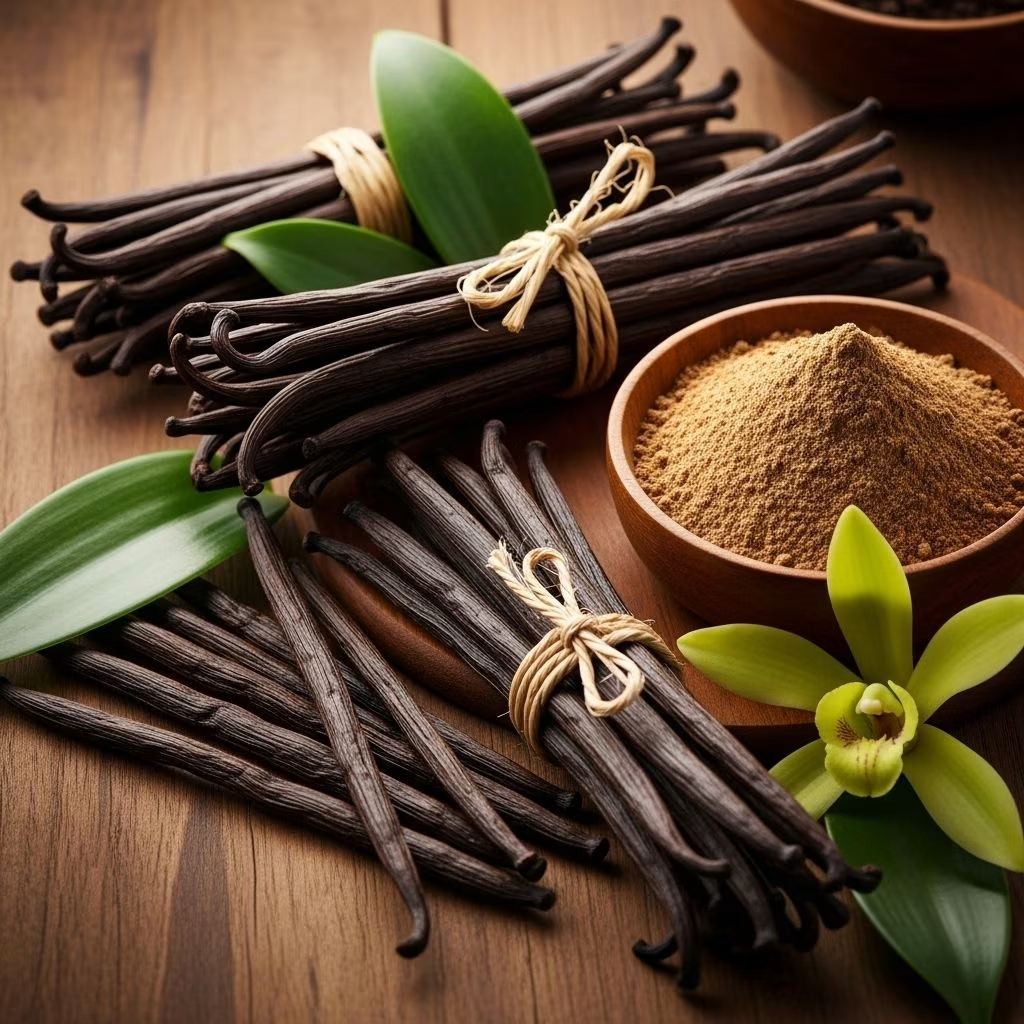
Indonesian vanilla is celebrated globally for its unique flavor, sustainable cultivation practices, and diverse applications in food, fragrance, and health. As one of the world’s leading producers of vanilla, Indonesia offers a rich variety that caters to professionals and enthusiasts alike. This comprehensive guide explores Indonesian vanilla from its origin and cultivation to its benefits, uses, and sensory qualities—offering a complete resource for anyone interested in this prized spice.
Origin and History of Indonesian Vanilla
Vanilla, native to Mexico, was introduced to Indonesia in the 19th century by Dutch colonists. Since then, Indonesia has become the world’s second-largest producer after Madagascar, thanks to its tropical climate and rich volcanic soils that create the ideal environment for vanilla cultivation.
Key regions for vanilla production in Indonesia include Java, Bali, Sulawesi, Sumatra, Papua, and the East Nusa Tenggara (NTT) islands. Indonesian farmers have preserved traditional hand-pollination and sun-curing methods, ensuring a focus on quality and sustainability.
Major Varieties of Indonesian Vanilla
Indonesia cultivates two main species of vanilla:
- Vanilla Planifolia (also called Bourbon vanilla):
- Produces beans with classic sweet, creamy, and rich vanilla flavor.
- This is the most widely grown and exported variety in Indonesia.
- Vanilla Tahitensis (Tahitian vanilla):
- Beans are fruitier, softer, and have a noticeable floral character.
- Favored for desserts requiring a gently aromatic vanilla touch.
Each variety’s unique flavor profile can be attributed to the terroir, variety, and processing techniques of Indonesian farmers.
Cultivation, Harvesting, and Processing
Traditional Cultivation and Hand-Pollination
Vanilla plants are climbing orchids that require high humidity, filtered sunlight, and well-draining soil—conditions abundantly found in Indonesia’s tropical climate. Flowering is seasonal, and due to the absence of natural pollinators (like the Melipona bee native to Mexico), Indonesian farmers hand-pollinate each flower. This labor-intensive process is key to the quality and availability of Indonesian vanilla.
Curing and Processing Techniques
- Harvesting: Beans are picked when they reach optimal ripeness, usually 8–9 months after pollination.
- Curing: Indonesian vanilla is traditionally dried over open flames or sun-cured, differentiating it from the blanching and sweating methods in Madagascar and Mexico. This process imparts a distinctive smoky and phenolic aroma.
- Drying: Beans are slowly dried over several weeks, losing much of their moisture and concentrating their flavors and vanillin content.
- Conditioning: Beans are stored in ventilated environments for months to further develop complexity in aroma and taste.
The combination of hand-pollination, Indonesian soil, and unique curing traditions creates a bean with exceptional flavor and aroma, admired by chefs worldwide.
Flavor Profile and Appearance
Distinctive Taste Notes
Indonesian vanilla’s flavor profile is complex and notable for:
- Deep sweetness and creaminess akin to Madagascan beans
- Earthy, bold, and woody notes
- Smoky undertones due to open flame drying
- Mild floral and fruity accents (stronger in Tahitensis)
- Hints of caramel and spicy nuances
- Unparalleled richness and length of flavor on the palate
This intricate flavor combination adds depth and sophistication to both sweet and savory dishes, making Indonesian vanilla highly sought after in high-end culinary circles.
Appearance and Physical Traits
- Long, slender beans (often 15–22 cm in length)
- Dark, oily, and sometimes less pliable than some other varieties
- Abundant small seeds within the bean, a sign of quality
- The outer pod may have a slight sheen and the scent is intense and persistent
Health Benefits of Indonesian Vanilla
While often appreciated for its gustatory appeal, vanilla also offers several health benefits when consumed in moderation:
- Rich in antioxidants: Vanillin and other phenolic compounds help fight free radicals, contributing to cellular health.
- Anti-inflammatory properties: Traditional uses of vanilla in herbal medicine include using vanilla extracts or infusions to aid digestion and reduce inflammation.
- Improved mood and relaxation: Vanilla’s aroma is associated with decreased anxiety and stress, supporting relaxation and emotional well-being.
- Potential antimicrobial effects: Some studies suggest vanilla may inhibit growth of certain bacteria, promoting oral and digestive health.
- Digestive Aid: Vanilla infusions are sometimes consumed after meals to soothe the gut and ease bloating.
As with all natural flavorings, the greatest health benefits are found in pure vanilla, free from synthetic additives.
Culinary and Other Uses
Indonesian vanilla’s complexity makes it one of the world’s most versatile flavors:
Culinary Uses
- Baked Goods: Essential in cakes, cookies, breads, and pastries—adds depth and aroma.
- Desserts: Stars in ice creams, custards (like crème brûlée), puddings, and confections.
- Beverages: Enhances coffee, tea, cocktails, and milk-based drinks.
- Gourmet Savory Dishes: Appears in sauces, stews, and gourmet applications such as seafood or poultry glazes for a unique twist.
- Homemade Extracts and Paste: Beans can be split, scraped, and infused into alcohol or sugar to produce custom extracts or vanilla sugar for home use.
Non-Culinary Uses
- Fragrance Industry: Key base note in many perfumes, thanks to its sweet and calming scent.
- Aromatherapy: Used in candles, room sprays, and oils for relaxation and mood improvement.
- Cosmetics: A natural component in lotions and personal care products, valued for its gentle fragrance and potential skin-soothing properties.
Because of its versatility, Indonesian vanilla is prized by home bakers, fine dining chefs, and artisans in diverse industries.
Indonesian Vanilla vs. Other Origins
| Origin | Main Variety | Flavor Profile | Processing Highlight |
|---|---|---|---|
| Indonesia | Planifolia, some Tahitensis | Complex, sweet, creamy, earthy, smoky, floral | Sun and flame curing, hand-pollination, often smokier |
| Madagascar | Planifolia (Bourbon) | Rich, creamy, classic sweet vanilla, less smoky | Blanching and sweating in the sun, smoother finish |
| Tahiti | Tahitensis | Sweet, floral, fruity, anise-like | Sun curing, distinct aroma, plumper pods |
Indonesian vanilla stands out for its smoky and earthy depth compared to the cleaner, sweet-forward notes of Madagascar and the intensely floral Tahitian variant.
How to Select and Store Indonesian Vanilla
Selection Tips
- Look for moist, oily beans with a strong, intoxicating aroma.
- Beans should be flexible, not brittle. However, Indonesian beans can be less pliable due to their higher vanillin content and open flame drying process.
- Examine for plumpness and abundance of seeds inside the pod.
- Avoid beans with mold, excessive dryness, or unpleasant sour odors.
Storage Guidelines
- Store vanilla beans in airtight containers, away from heat and light.
- A glass jar or vacuum-sealed bag is ideal for maintaining moisture and aroma.
- Do not refrigerate or freeze; condensation can cause mold.
- Properly stored, vanilla beans can last up to two years, though they are best used within six months for peak flavor.
Frequently Asked Questions
Q: What makes Indonesian vanilla unique compared to other types?
A: Indonesian vanilla is distinguished by its smoky, earthy undertones and complexity from sun and flame curing, making it highly desirable for chefs looking for depth in both sweet and savory dishes.
Q: Is there a difference between Indonesian Planifolia and Tahitensis vanilla?
A: Yes. Planifolia (Bourbon) has a sweeter, creamier flavor profile, while Tahitensis is softer, fruitier, and more floral. Both varieties thrive in Indonesia’s climate but offer different nuances for culinary use.
Q: Can Indonesian vanilla beans be used to make homemade extract?
A: Absolutely. Splitting and soaking Indonesian vanilla beans in alcohol (commonly vodka or rum) produces a flavorful homemade extract that showcases the bean’s unique smoky-sweet profiles.
Q: How does Indonesian vanilla compare in price and availability?
A: Due to manual cultivation, hand-pollination, and extended curing, high-quality Indonesian vanilla is priced at a premium but remains one of the more accessible fine vanillas on the market after Madagascar.
Q: Are there sustainability concerns or ethical considerations?
A: Indonesia is working to promote ethical sourcing and sustainable practices. Buying from reputable suppliers who partner with farmer cooperatives ensures fairtrade and supports local communities.
Conclusion
Indonesian vanilla offers an incomparable blend of richness, sweetness, earthiness, and subtle smokiness thanks to its careful hand cultivation, unique terroir, and traditional processing. Its versatility in sweet and savory recipes, coupled with health benefits and aromatic qualities, has made it a staple in the world’s finest kitchens and homes. Whether you are a professional chef or an enthusiastic home cook or simply enjoy the fragrance of natural vanilla, exploring Indonesian vanilla will deepen your appreciation for this remarkable spice.
References
- https://www.epicsi.co.uk/blog/vanilla-from-bean-to-extract
- https://segarspices.com/8-things-you-need-to-know-about-indonesia-vanilla-bean/
- https://vanillator.com/vanilla-in-indonesia/
- https://www.slofoodgroup.com/blogs/recipes-stories/what-is-the-flavor-of-indonesian-vanilla-beans
- https://www.indovanille.com/indonesian-vanilla
- https://rendahvanilla.com/blog/indonesia-vanilla-beans-origins/
- https://en.wikipedia.org/wiki/Vanilla
- https://vanillafromindo.com


