


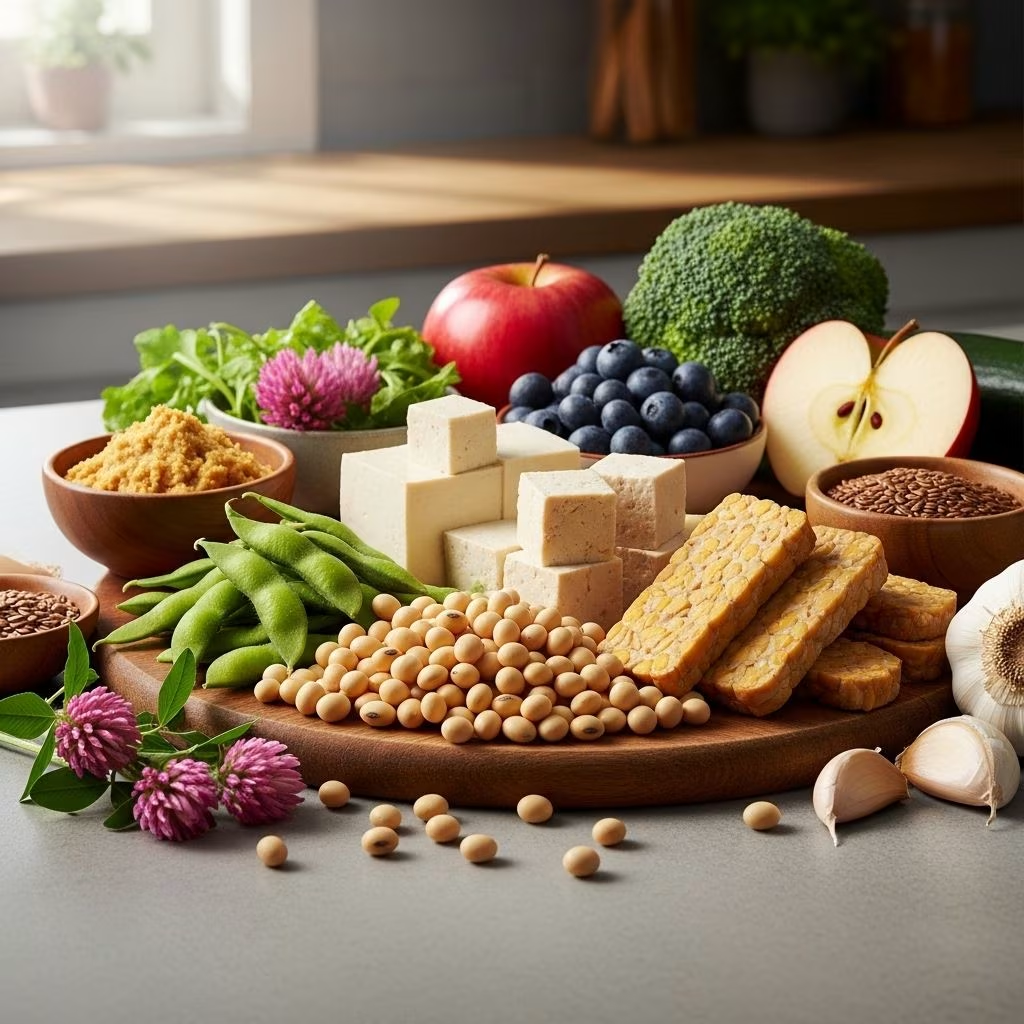
Isoflavones are a fascinating group of naturally occurring plant compounds that have gained increasing interest for their reputed health benefits, their use in both prevention and management of certain diseases, and their unique contribution to the flavor of many plant-based foods. This extensive guide explores what isoflavones are, where they are found, their evidence-backed health effects, practical uses, and their sensory profile.
What Are Isoflavones?
Isoflavones are a subgroup of flavonoids, a large class of polyphenolic compounds produced by plants as part of their normal metabolic processes. Structurally, isoflavones differ from other flavonoids but, like them, act as natural antioxidants. What distinguishes isoflavones is that many can mimic the activity of human estrogen hormones, which is why they are known as phytoestrogens.
The most notable isoflavones found in the human diet are genistein, daidzein, glycitein, biochanin A, and formononetin. These are most abundant in leguminous plants, particularly soybeans and red clover.
Key Properties of Isoflavones
- Naturally occurring in plants, especially legumes
- Can bind to estrogen receptors in the body
- Function as antioxidants, helping neutralize free radicals
- May have both estrogenic and anti-estrogenic effects
Sources of Isoflavones
Isoflavones are present in a variety of edible plants, but their concentration is particularly high in certain foods and herbal extracts.
| Food or Plant Source | Notable Isoflavones |
|---|---|
| Soybeans (mature & green) | Genistein, Daidzein, Glycitein |
| Soymilk | Genistein, Daidzein |
| Tofu & Tempeh | Genistein, Daidzein |
| Red Clover | Biochanin A, Formononetin |
| Alfalfa | Various |
| Kudzu Root | Puerarin, Daidzein |
| Chickpeas, Lentils, Beans | Daidzein (lower amounts) |
Isoflavones are also available as concentrated dietary supplements, often in the form of soy or red clover extracts.
How Isoflavones Work in the Body
Isoflavones exert their effects primarily through their ability to bind to estrogen receptors found throughout the body.
- Estrogenic Effect: When natural estrogen levels are low (such as in menopause), isoflavones can modestly activate estrogen receptors, alleviating symptoms linked to estrogen deficiency.
- Anti-Estrogenic Effect: When natural estrogen is abundant, isoflavones compete for the same receptors, thereby decreasing overall estrogen exposure. This partial agonist behavior is thought to underlie their potential role in hormone-dependent cancer prevention.
- Other Mechanisms: Isoflavones also exhibit antioxidant activity and may affect various cellular signaling pathways involved in metabolism, inflammation, and cell growth.
It is important to note that the ability of isoflavones to bind estrogen receptors is much weaker than that of the body’s own estrogen hormones, which partly explains their safety profile and their potential for both beneficial and modulating effects.
Health Benefits of Isoflavones
Isoflavones have been studied for a wide range of potential health benefits, particularly regarding:
- Bone health and osteoporosis prevention
- Cardiovascular health and cholesterol management
- Relief of menopausal symptoms
- Reduction of certain cancer risks
- Additional effects like skin health, blood sugar regulation, and more
Bone Health & Osteoporosis
Several scientific reviews indicate that isoflavone intake is linked to improved bone mineral density in postmenopausal women, which may contribute to the prevention and management of osteoporosis. Isoflavones appear to exert these effects by weakly stimulating estrogen receptors in bone tissue, promoting osteoblast (bone-forming cell) activity. Outcomes, however, can vary between individuals and study designs, so more clinical trials are needed before universal recommendations can be made.
Cardiovascular Health
Isoflavones may help reduce total and LDL cholesterol, which can contribute to a lower risk of heart disease. However, evidence for a protective effect on overall cardiovascular events remains inconclusive. The cholesterol-lowering effect is believed to arise from both direct isoflavone actions and other components found in soy, such as proteins and fiber.
Menopausal Symptom Relief
The estrogenic activity of isoflavones forms the basis for their use in alleviating menopausal symptoms, most notably hot flashes, night sweats, and vaginal dryness. While numerous studies and consumer reports suggest modest benefit, results are mixed. This variability may stem from differences in individual baseline estrogen status, genetic differences in isoflavone metabolism, and study protocols.
Prevention of Certain Cancers
Epidemiological studies suggest a correlation between higher isoflavone intake and reduced risk of hormone-dependent cancers, such as breast and prostate cancer. Isoflavones may hinder cancer development by:
- Competing with more potent endogenous estrogens for receptor binding, reducing stimulation of hormone-sensitive tissue
- Providing antioxidant protection against DNA damage
- Inhibiting inflammatory processes involved in tumor development
While promising, the current body of scientific evidence is not conclusive, and further research—especially large, well-controlled clinical trials—is needed to clarify the protective role of isoflavones in cancer prevention.
Other Proposed Benefits
- Skin aging and health: Isoflavones are claimed to improve skin elasticity and reduce fine lines, though robust evidence is limited.
- Blood sugar regulation: Some studies show potential for isoflavones to improve glucose metabolism in people at risk of diabetes, but findings remain inconsistent.
- Premenstrual syndrome (PMS), cyclic mastalgia, fertility support, weight management, and cognitive enhancement are all proposed uses under varying degrees of scientific scrutiny.
Uses of Isoflavones in Health and Nutrition
The use of isoflavones falls into two major categories: dietary intake and supplemental therapy.
Dietary Intake
- Regular consumption of foods rich in isoflavones, such as soy-based products (tofu, tempeh, soymilk, edamame) and certain legumes, is a primary means of obtaining these compounds.
- Diets high in soy protein and isoflavones are correlated with health benefits observed in some populations, especially in Asian cultures.
Supplemental Therapy
- Isoflavones are widely used as dietary supplements in pill, capsule, or powder form, often derived from soy or red clover.
- Therapeutic doses for supplementation usually range from 40 to 80 mg per day, though the optimal dose varies depending on the desired benefit and an individual’s health status.
Individuals considering supplementation, especially those with hormone-sensitive conditions (eg: breast or uterine cancer, or thyroid disorders), should consult healthcare professionals due to potential contraindications.
Taste and Culinary Aspects
The taste of isoflavones themselves is rarely noticed in isolation, but they contribute to the overall flavor profile of foods rich in these compounds.
Flavor Profile:
- Isoflavone-rich foods like soybeans, tofu, tempeh, and red clover extracts are generally described as having a bland, subtly beany, or slightly bitter taste.
- Whole unprocessed soybeans can taste more earthy or nutty, which derives in part from isoflavones and other phytonutrients.
- Some people detect a mild astringency in isoflavone-rich foods, especially when consumed raw or minimally processed.
The taste is frequently masked or enhanced by the method of preparation, use of seasonings, or food processing (e.g., fermentation).
Culinary Tips
- Pairing soy-based foods with savory seasonings helps balance any bitterness or astringency attributed to isoflavones.
- Fermentation, as in tempeh or miso, can mellow bitterness and create richer, more complex flavors.
- Blending tofu into smoothies or baked dishes will generally yield a neutral flavor profile.
Potential Side Effects and Considerations
Isoflavones are generally well-tolerated and regarded as safe when consumed in typical dietary amounts or moderate supplementation. However, there are some considerations:
- Gastrointestinal Effects: Mild side effects such as bloating, gas, or stomach discomfort are possible, especially at higher doses.
- Hormone-sensitive Conditions: People with a personal or family history of breast, uterine, or prostate cancers should consult a healthcare provider before using high-dose isoflavone supplements.
- Thyroid Function: Isoflavones might interfere with thyroid function in susceptible individuals by affecting hormone synthesis.
- Drug Interactions: Possible interactions exist with certain medications, including hormone therapies and thyroid medications.
The current consensus is that moderate dietary isoflavone intake is safe for most people, but the long-term safety of high-dose supplements is not yet fully established.
Frequently Asked Questions (FAQs)
Q: Are isoflavones safe to consume daily?
A: For most people, a daily intake of isoflavones through food is considered safe. High-dose supplementation should be discussed with a healthcare provider, especially for those with hormone-sensitive conditions.
Q: Do isoflavones have side effects?
A: Isoflavones are generally well-tolerated. The most common side effects are mild gastrointestinal upset, but rare hormonal effects are possible in sensitive populations.
Q: Can isoflavones replace hormone therapy in menopause?
A: While some women experience partial relief of menopausal symptoms with isoflavones, results vary. Isoflavones are less potent than conventional hormone replacement therapy, and may be more suitable for mild symptoms.
Q: Which foods are highest in isoflavones?
A: Soybeans and soy-based foods like tofu, tempeh, and soymilk are the richest dietary sources. Red clover and certain legumes also contain notable amounts.
Q: Do isoflavones affect men’s health?
A: In typical dietary ranges, isoflavones do not appear to harm male reproductive or hormonal health. Some studies suggest potential benefits for prostate health, but long-term high-dose effects require further study.
References
- https://www.ebsco.com/research-starters/complementary-and-alternative-medicine/isoflavones-therapeutic-uses
- https://pmc.ncbi.nlm.nih.gov/articles/PMC7766685/
- https://en.wikipedia.org/wiki/Isoflavone
- https://zoe.com/learn/isoflavones
- https://lpi.oregonstate.edu/mic/dietary-factors/phytochemicals/soy-isoflavones
- https://my.clevelandclinic.org/health/drugs/20099-soy-isoflavones-oral-dosage-forms
- https://www.betterhealth.vic.gov.au/health/healthyliving/soybeans


