


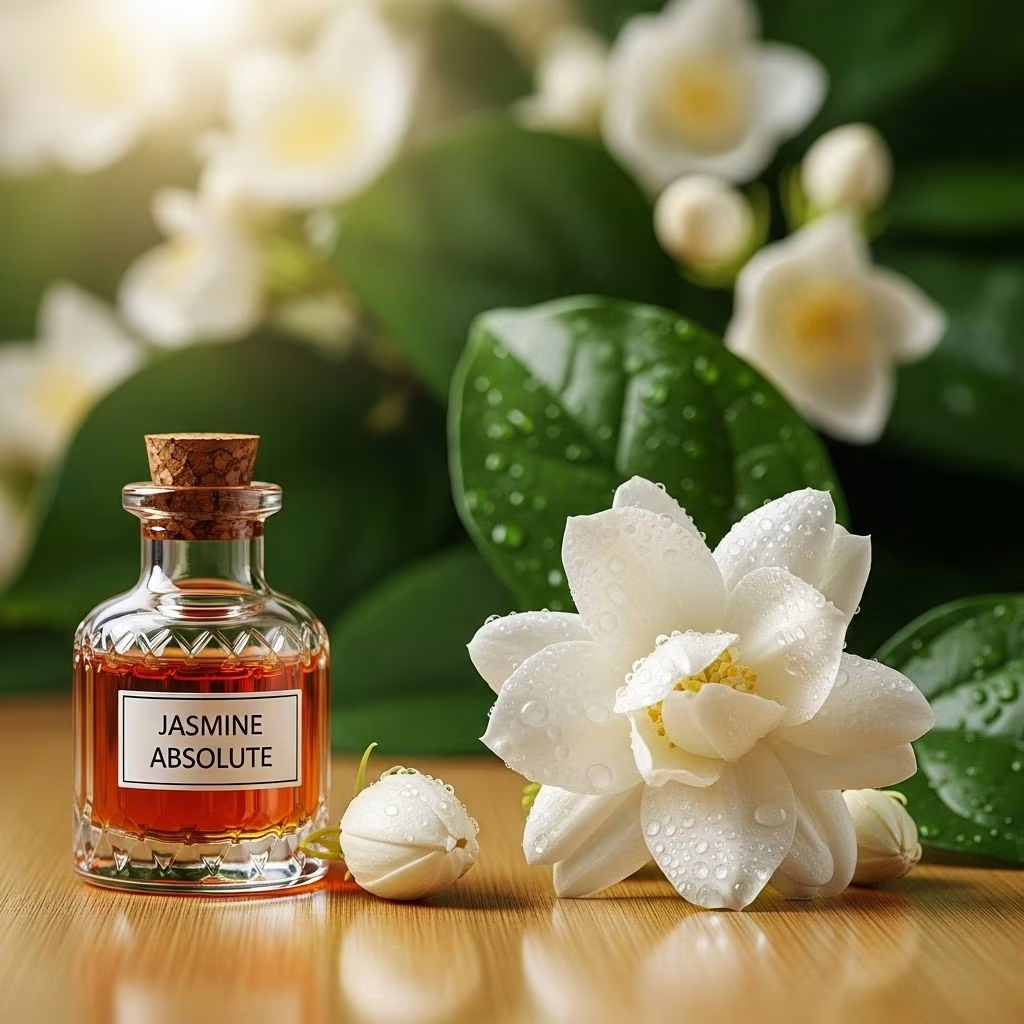
Jasmine Absolute: Origins, Benefits, Uses, and Taste Profile Explained
Jasmine absolute is a highly concentrated, aromatic oil derived from jasmine flowers. Famous for its luxurious scent, enchanting taste notes, and broad applications, jasmine absolute is regarded as the pinnacle of floral extracts in both aromatherapy and perfumery. But what sets it apart from other botanicals, and why is it so revered worldwide? This guide explores the intricate world of jasmine absolute, from its rich history and meticulous extraction process to its transformative benefits, versatile uses, and captivating flavor profile.
Introduction
Jasmine absolute is cherished for its alluring aroma, complex taste, and therapeutic qualities. Extracted through specialized techniques to preserve the delicacy of its fragrance, jasmine absolute is an aromatic mainstay in luxury perfumery, skincare, and even gourmet culinary arts. Unlike essential oils, absolutes are the result of solvent extraction, yielding a product of unmatched intensity and richness.
History and Origin of Jasmine Absolute
The cultural and aromatic significance of jasmine dates back centuries. Native to the Arabian Peninsula, tropical Africa, and Asia, jasmine’s compelling fragrance became an integral symbol in rituals, ceremonies, and trades along the Silk Road. Jasmine signifies love in the Philippines, divine hope in India, and high status in Europe’s perfume traditions.
- Ancient Rituals: Used in religious and romantic events, honoring gods, celebrating marriages, and expressing fidelity.
- Global Expansion: Jasmine found its way into French perfumery by the early 20th century, notably in Grasse, once the world’s largest jasmine absolute producer.
- Modern Production: Egypt, India, and Morocco are today’s main producers, continuing the time-honored tradition with modern refinements.
Extraction Process and Distinction from Essential Oil
Jasmine absolute stands apart from essential oils due to its unique and labor-intensive extraction methods. Steam and cold-press distillation—common for essential oils—are too harsh for the delicate jasmine flower. Instead, jasmine absolute is produced using solvent extraction, a process designed to capture the plant’s true aromatic profile without degrading its complexity.
- Solvent Extraction: Jasmine flowers are treated with food-grade solvents (such as ethanol), dissolving aromatic compounds, which are then separated by evaporation to yield a highly concentrated absolute.
- Traditional Enfleurage: Formerly, enfleurage utilized animal fat to absorb fragrance from petals, a slow method now largely obsolete due to labor and ethical factors.
- Why Not Distillation? The fragile constitution of jasmine means that it cannot endure high temperatures or pressure, which would destroy vital aromatic molecules.
| Method | Process | Result |
|---|---|---|
| Solvent Extraction | Chemical solvents dissolve aromatics; evaporation yields absolute | Highly aromatic, true-to-flower extract |
| Enfleurage (Historical) | Petals pressed into fat; fragrance absorbed over days/weeks | Perfumed pomade, then dissolved in alcohol for oil extraction |
Jasmine Species Used in Absolute Production
Of the over 200 species in the jasmine genus, two are prized in absolute production for their unique aromatic signatures:
- Jasminum grandiflorum (Royal Jasmine): Day-blooming species responsible for classic, sweet, intensely floral notes.
- Jasminum sambac (Arabian Jasmine): Night-blooming, with a heavier, muskier, more masculine scent character.
Each species offers subtle nuances in aroma and application, giving perfumers and aromatherapists a broad palette for creativity.
Benefits of Jasmine Absolute
Jasmine absolute’s appeal extends well beyond its intoxicating scent. Modern research and centuries of traditional use reveal a broad spectrum of physical, emotional, and sensory benefits:
- Aromatherapeutic Effects: Known to foster relaxation, uplift moods, and create a sensual atmosphere. Historically referred to as a potent aphrodisiac.
- Stress and Anxiety Relief: The sweet, hypnotic aroma can ease tension and nervousness, promoting a more balanced and positive frame of mind.
- Skin Rejuvenation: Incorporated into luxury skincare products, jasmine absolute helps revitalize dull or tired skin, imparting a youthful glow.
- Emotional Wellness: Used for emotional balancing, combating depressive moods, and supporting psychological well-being.
- Antioxidant Protection (in blends): Jasmine absolute may play a role in protecting skin against environmental stressors when combined with other essential oils.
- Perfume Fixative: As a middle note, jasmine absolute anchors and rounds out other ingredients, imparting longevity and depth to any fragrance blend.
Uses of Jasmine Absolute
Jasmine absolute’s versatility spans perfumery, personal care, aromatherapy, and culinary arts. Here is how it’s commonly used:
1. Perfumery
- Core Ingredient: Jasmine absolute is a high-value middle note in the world’s most iconic perfumes, including Chanel No. 5.
- Blending Power: It pairs well with rose, ylang-ylang, sandalwood, patchouli, frankincense, and vetiver, enhancing both feminine and masculine fragrance profiles.
- Luxury and Everyday Use: Found in ultra-luxe niches as well as more accessible fragrances, jasmine adds sophistication and allure.
2. Skincare and Cosmetics
- Radiance Booster: Used in creams, serums, and facial oils to promote rejuvenation and vibrant skin.
- Scented Body Care: Adds a deeply sensual, lasting aroma to lotions, bath oils, and hair care blends.
3. Aromatherapy and Wellness
- Mood Enhancement: Dispersed in diffusers or applied in massage blends to induce calm, relaxation, and an uplifting environment.
- Aphrodisiac Properties: Often incorporated into romantic blends and self-care rituals.
4. Culinary and Flavoring
- Exquisite Flavoring: Trace amounts of jasmine absolute add complexity and florality to gourmet teas, desserts, and cocktails.
- Food-Grade Use: Only food-grade absolutes should be used in culinary preparations, and dosage must be extremely minimal due to its potency and solvent residues.
Taste Profile of Jasmine Absolute
The taste of jasmine absolute is rarely experienced directly, given its strength and aromatic concentration. When utilized in culinary applications (typically diluted or infused), it imparts:
- Floral Sweetness: The primary profile is a lush, sweet, and slightly honeyed taste evocative of fresh jasmine blossoms.
- Subtle Muskiness: Especially in extracts from Jasminum sambac, there’s a faint musk or earthy undertone balancing the overt florality.
- Exotic Depth: Complex secondary notes, including hints of spice, fruit, or green leaves, often described as both hypnotic and intensely sensorial.
Most commonly, jasmine’s aromatic essence is utilized in tea blending, dessert syrups, and cocktails to impart perfume-like top notes and a lingering aftertaste.
Safety, Precautions, and Sustainability
- Precaution for Skin: Jasmine absolute should be diluted prior to skin application due to its intense concentration.
- Culinary Limitations: Only use food-grade jasmine absolute oils; ensure purity and safe dosage.
- Sensitive Groups: Children, pregnant and lactating women, and individuals with allergies should avoid direct use without professional guidance.
- Sustainability Efforts: Because producing jasmine absolute is resource-intensive (thousands of handpicked flowers for just a few milliliters of oil), synthetic alternatives are increasingly popular with perfumers seeking environmental and ethical solutions.
Frequently Asked Questions (FAQs)
Q: How is jasmine absolute different from jasmine essential oil?
A: Jasmine absolute is obtained via solvent extraction, suitable for delicate jasmine flowers, while essential oils are usually made by steam distillation. Jasmine absolute preserves a truer scent profile than the essential oil equivalent.
Q: Can jasmine absolute be ingested?
A: Only food-grade jasmine absolute should be used for flavoring, in very small quantities. Use caution—solvent residues or concentration can render most commercial absolutes unsafe for direct consumption.
Q: What does jasmine absolute smell like?
A: Jasmine absolute is intensely floral, sweet, and heady, with some species imparting musky, spicy, or fruity undertones.
Q: Is jasmine absolute expensive?
A: Yes. Due to the labor-intensive harvest and large volume of flowers required for minimal oil yield, jasmine absolute is among the most expensive perfumery ingredients.
Q: Are there synthetic alternatives to jasmine absolute?
A: Yes. Synthetic jasmine compounds (such as Hedione) are used in perfumery for cost, consistency, and sustainability, but lack the nuanced depth of natural absolute.
Conclusion
Jasmine absolute is the king of floral aromatics—a natural extract that captivates the senses, enhances well-being, and turns ordinary products into little luxuries. Its storied past, seductive benefits, and versatility across industries underscore its place as nature’s most sophisticated aromatic. Whether for perfume, skincare, or flavoring, a drop of jasmine absolute delivers an unforgettable experience.
References
- https://makasa.org/en/article/ekzotichniyat-aromat-na-jasmin/
- https://www.newdirectionsaromatics.com/blog/all-about-jasmine-absolute/
- https://phlur.com/blogs/perfumery-dictionary/jasmine-scent-in-perfumery
- https://nomadbotanicals.com/products/jasmine-absolute
- https://fraterworks.com/products/jasmine-absolute-egypt
- https://www.perfumelessons.com/smell-think-write/basic-definitions-terminology
- https://en.wikipedia.org/wiki/Absolute_(perfumery)
- https://www.tisserand.com/blogs/all-blog-articles/what-is-jasmine-absolute-good-for


