


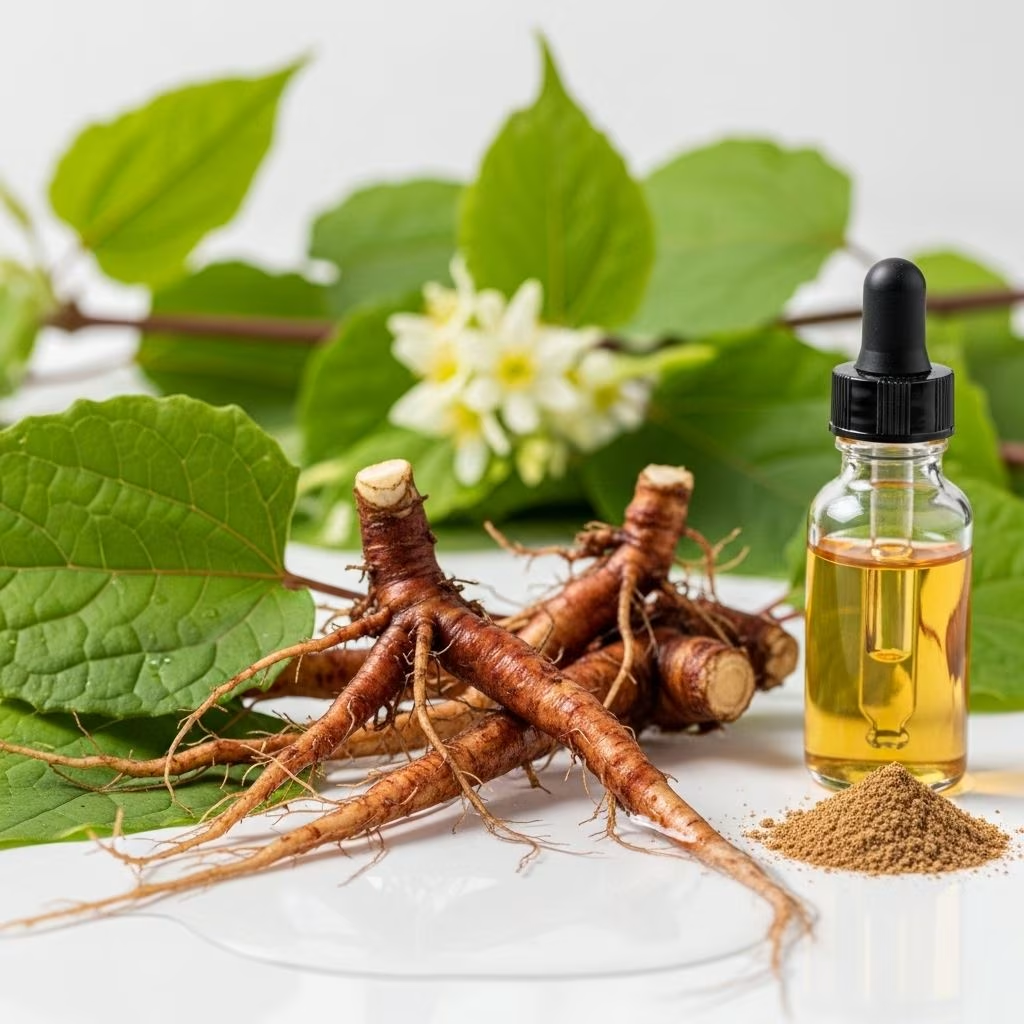
Japanese Knotweed Root Extract, also known as Polygonum cuspidatum or Reynoutria japonica, is gaining recognition in modern skincare for its potent antioxidant capabilities and historical use in traditional Eastern medicine. Rich in natural resveratrol and polyphenols, this extract boasts a range of benefits and applications for skin rejuvenation, anti-aging, and overall skin health.
Introduction to Japanese Knotweed Root Extract
Japanese Knotweed is a perennial plant native to East Asia, historically used in traditional medicine across China, Korea, and Japan. The root extract, most often labeled Polygonum cuspidatum Root Extract in cosmetics, has recently surged in global skincare due to its remarkable concentration of resveratrol, polyphenols, and other bioactives.
- Botanical Name: Polygonum cuspidatum/Rheynoutria japonica
- Other Names: Hu Zhang, Asian Knotweed, Itadori
- Traditional Use: Detoxifying, anti-inflammatory, promoting circulation, wound healing
Modern skincare harnesses Japanese Knotweed’s root extract, primarily for its potent antioxidant, anti-inflammatory, and skin-brightening effects, with increasing evidence from both folk tradition and scientific research supporting its efficacy.
Phytochemistry: Key Active Compounds
Japanese Knotweed Root Extract is distinctively rich in several bioactives critical for skin health:
- Resveratrol: A polyphenolic antioxidant best known for neutralizing environmental free radicals, supporting skin’s natural defense and repair mechanisms.
- Piceid: A resveratrol glycoside shown to support skin-brightening and even skin tone.
- Polydatin: Another resveratrol derivative, credited with anti-inflammatory and antioxidative activities.
- Other Polyphenols: Contribute to the overall antioxidant and skin-soothing action.
These compounds, especially trans-resveratrol, are highly bioavailable, allowing efficient penetration and action within the skin when used topically.
Skin Benefits of Japanese Knotweed Root Extract
Modern research and cosmetic industry reports highlight several key benefits of this powerful natural extract:
1. Powerful Antioxidant Protection
Resveratrol and related polyphenols combat oxidative stress caused by pollution, ultraviolet (UV) radiation, and other environmental aggressors. This helps prevent the breakdown of collagen and elastin—two proteins essential for skin firmness and elasticity.
2. Anti-Aging and Skin Rejuvenation
- Reduces Fine Lines & Wrinkles: By neutralizing free radicals, resveratrol slows the formation of new wrinkles and helps diminish the appearance of existing ones.
- Enhances Skin Elasticity: Supports collagen synthesis and preservation, contributing to firmer, smoother skin.
- Stimulates Skin Regeneration: Promotes wound healing and cell renewal for youthful, revitalized skin.
3. Anti-Inflammatory Effects
The extract’s natural anti-inflammatory properties help calm redness, soothe irritation, and reduce swelling, making it suitable for reactive, sensitive, or acne-prone skin.
4. Skin-Brightening and Hyperpigmentation Reduction
- Suppresses Tyrosinase Activity: Slows melanin overproduction, aiding in the reduction of dark spots and evening out skin tone.
- Lightens Hyperpigmentation: Piceid and other constituents are effective in fading discoloration and promoting a brighter complexion.
5. Antimicrobial and Protective Actions
- Antibacterial, Antifungal, and Antiviral Properties: Helps defend skin from pathogen-related irritation, congestion, and breakouts.
- Supports Healing: Assists in recovery from minor wounds, blemishes, and abrasions.
6. Skin Barrier Support & Hydration
By counteracting environmental damage and reducing transepidermal water loss, this extract strengthens the skin barrier, boosting natural moisture retention and relieving dryness.
| Benefit | Scientific Rationale | Supporting Compound(s) |
|---|---|---|
| Antioxidant Protection | Defends cells against free radicals, slows aging | Resveratrol, Polyphenols |
| Anti-Aging Effects | Promotes collagen preservation, reduces wrinkles | Resveratrol, Polydatin |
| Skin Brightening | Limits melanin production, lightens dark spots | Piceid, Resveratrol |
| Anti-Inflammatory | Calms redness, soothes irritation | Polyphenols, Polydatin |
| Antimicrobial Action | Reduces breakouts, protects against pathogens | Various polyphenolics |
| Barrier Support | Enhances moisture retention, relieves dryness | Resveratrol, Polyphenols |
Common Uses in Skincare Products
Japanese Knotweed Root Extract is a favored ingredient in numerous skincare products due to its exceptional versatility and compatibility:
- Serums & Essences: Delivers concentrated antioxidant and brightening action directly to the skin.
- Moisturizers & Lotions: Often coupled with hydrating agents like hyaluronic acid or moisturizing plant oils for enhanced barrier support.
- Anti-Aging Creams: Helps target wrinkles and loss of firmness, promotes overall skin youthfulness.
- Brightening & Spot Treatments: Fades hyperpigmentation and improves skin radiance when used consistently.
- Sunscreens: Sometimes included for its capacity to neutralize damage from UV exposure and limit photoaging.
- Soothing & Sensitive Skin Formulas: Used in products designed to calm and protect easily irritated skin.
Formulators often blend Japanese Knotweed Root Extract with other antioxidants such as Vitamin C, Vitamin E, or plant extracts (e.g., green tea, licorice) to synergize effects and optimize protection against oxidative damage.
Scientific Evidence and Mechanisms
Recent scientific studies and dermatological research underscore the relevance of Japanese Knotweed Root Extract in topical applications:
- Antioxidant Activity: In vitro and in vivo studies confirm high radical-scavenging ability attributable to its resveratrol and polyphenol content.
- Anti-Inflammatory Action: Experimental models demonstrate its ability to inhibit pro-inflammatory enzymes and signaling, leading to reductions in redness and swelling.
- Skin Brightening: Clinical and laboratory evidence shows inhibition of tyrosinase, a key enzyme in the melanin synthesis pathway, supporting efficacy in the treatment of hyperpigmentation and dark spots.
- Collagen & Wound Healing: Studies reveal increased collagen synthesis, protection of fibroblasts, and accelerated skin regeneration, indicating benefits for aging and damaged skin.
- Antimicrobial Effects: Multiple polyphenolic constituents have demonstrated antibacterial and antifungal activity relevant to acne-prone and sensitive skin types.
Importantly, these actions contribute not just to cosmetic improvement, but also to the long-term resilience and health of skin cells. Ongoing clinical trials and laboratory research continue to explore the full breadth of mechanisms and potential applications.
Potential Side Effects & Precautions
Japanese Knotweed Root Extract is generally considered very safe for topical use and is well tolerated by most skin types. Still, as with any potent botanical extract, there are some caveats to keep in mind:
- Allergic Reactions: Rare cases of localized redness, itching, or irritation have been documented, usually in individuals with known sensitivities to plant extracts.
- Patch Testing: Before using a product containing Japanese Knotweed Root Extract on a large area, conduct a patch test on a small, inconspicuous patch of skin.
- Interaction with Other Ingredients: No widely documented negative interactions, but always use new products as directed and avoid layering with other potent actives unless approved by a dermatologist.
- Photosensitivity: While resveratrol may offer some photoprotection, always follow up with broad-spectrum sunscreen for overall UV safety.
- Pregnancy & Medical Conditions: Not enough research exists on safety during pregnancy or specific dermatological conditions; consult a medical professional if uncertain.
Due to its gentle nature and minimal side effect profile, Japanese Knotweed Root Extract can be suitable even for those with sensitive skin or individuals seeking natural alternatives to synthetic antioxidants and anti-aging agents.
Best Practices for Use
- Layer with Complementary Ingredients: For maximal antioxidant and soothing effect, opt for products that combine Japanese Knotweed with Vitamins C, E, hyaluronic acid, or other calming botanicals.
- Sun Protection: Consistently use sunscreen alongside antioxidant serums or creams to guard against both intrinsic and extrinsic skin aging.
- Consistency is Key: Noticeable brightening, anti-aging, and calming effects are typically evident after regular application over several weeks to months.
- Storage: Store products in cool, dark places to prevent oxidation of active ingredients, especially resveratrol.
Frequently Asked Questions (FAQs)
Q: Is Japanese Knotweed Root Extract suitable for sensitive skin?
A: Yes, its anti-inflammatory and soothing properties make it a good option for sensitive, reactive, or redness-prone skin. Always patch-test prior to widespread use.
Q: Does it help with acne or acne scars?
A: The extract has antimicrobial and anti-inflammatory actions, which can help reduce breakouts and promote healing of post-acne marks through enhanced collagen synthesis and reduced hyperpigmentation.
Q: Can it be used with active treatments like retinol or acids?
A: While generally compatible, use caution and consult with a skincare professional if layering multiple active ingredients to minimize irritation.
Q: How long does it take to see visible improvements?
A: Brightening and anti-aging effects may become noticeable after several weeks of consistent use. Long-lasting benefits accrue with continued application.
Q: Are there environmental concerns with using Japanese Knotweed?
A: While the plant is considered invasive in some regions, responsible sourcing and use in personal care can contribute to managing its spread and put invasive harvests to beneficial use.
Conclusion
Japanese Knotweed Root Extract—driven by the potent bioactive resveratrol and an arsenal of polyphenols—has emerged as a hero ingredient in the global skin care landscape. With a robust safety profile, versatility, and scientifically validated benefits for aging, inflamed, and hyperpigmented skin, it deserves a place in antioxidant-rich, skin-restoring regimens. As with any powerful botanical extract, careful use, patch testing, and sustained application will yield optimal results for consistently healthy, radiant skin.
References
- https://www.juuicosmetics.com/korean-cosmetics-ingredients-glossary/japanese-knotweed-root-extract-polygonum-cuspidatum-root
- https://solvasabeauty.com/blogs/ingredients/polygonum-cuspidatum-root-extract
- https://ci.guide/plant-extracts-derivatives/polygonum-cuspidatum-root-extract
- https://pmc.ncbi.nlm.nih.gov/articles/PMC9823685/
- https://pmc.ncbi.nlm.nih.gov/articles/PMC2267461/
- http://www.webmd.com/vitamins/ai/ingredientmono-537/knotweed
- https://www.mofga.org/resources/invasives/dont-kill-all-the-japanese-knotweed/


