


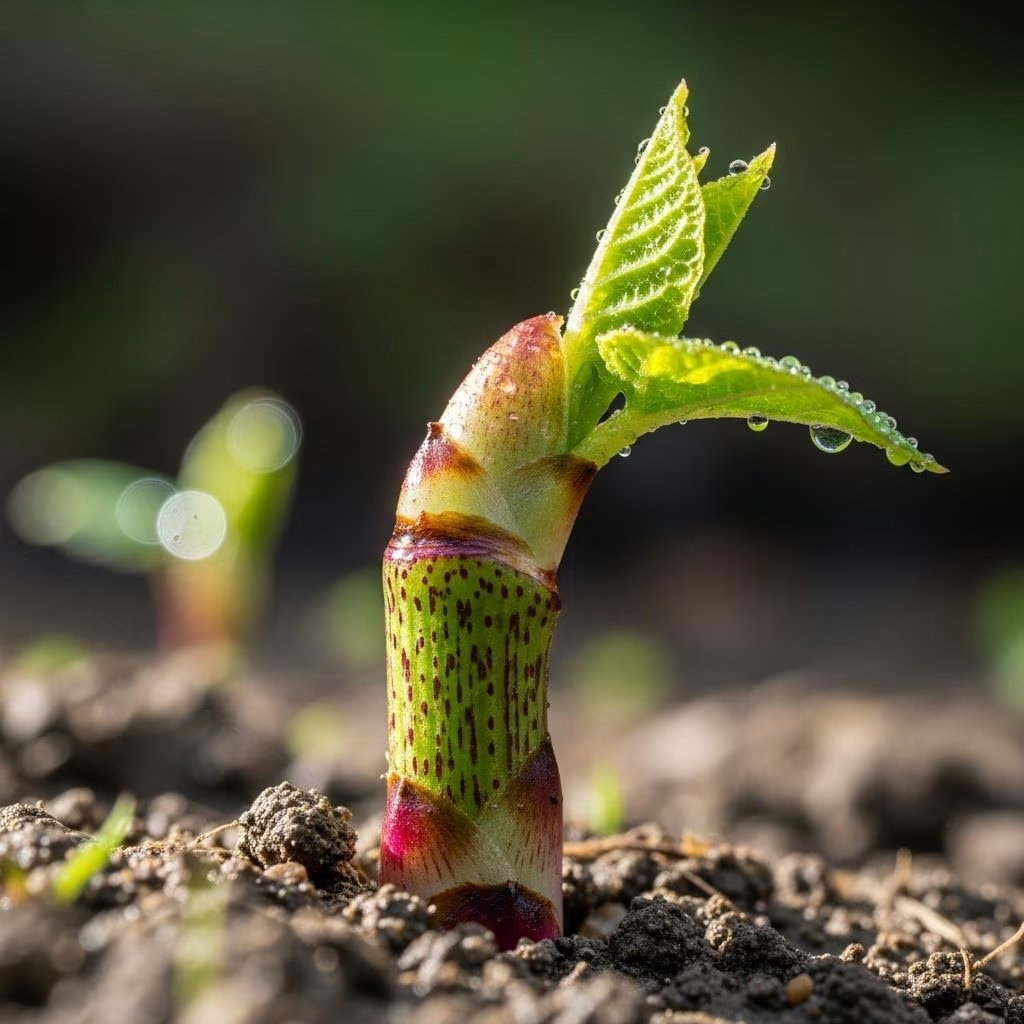
Japanese knotweed (Reynoutria japonica), notorious as one of the world’s most invasive plants, is also an unexpectedly valuable wild edible. Its young stems—often harvested in early spring—have captured the interest of foragers, herbalists, and chefs. Understanding how to identify, use, and appreciate this plant can transform a persistent garden pest into a nutritious seasonal specialty.
Introduction to Japanese Knotweed
Japanese knotweed is native to Eastern Asia and was introduced to other parts of the world as an ornamental plant in the nineteenth century. While admired for its resilience, it quickly became infamous due to its aggressive rhizomatic roots and ability to out-compete native vegetation. Japanese knotweed forms dense, tall thickets, has hollow, bamboo-like stems, and large, shield-shaped leaves. Despite its invasive character, young shoots are edible, highly palatable, and nutrient-rich.
How to Identify Young Japanese Knotweed Stems
Accurate identification is vital, both to avoid harmful lookalikes and because only young stems are suitable for eating, typically harvested in early to mid-spring.
- Emergence: Young shoots appear in early spring, often starting as pink or red buds emerging from rhizome crowns or nodes just under the soil surface .
- Appearance: As shoots break the ground, they resemble asparagus spears or thick, fleshy stalks; initially deep red or purple with rolled leaves at the tips .
- Stem structure: Stems are hollow, segmented with clear nodes (joints), and develop zig-zag growth patterns as they elongate. Even young stems will show faint vertical ridges and sometimes purple speckling .
- Leaf emergence: Leaves unfurl from the tips of these young stems; they begin as red-tinged or purplish before turning bright green. Leaves are typically heart or shovel-shaped, arranged in an alternate, staggered fashion along the stem .
- Growth rate: Shoots grow rapidly—sometimes up to 2 cm per day and can reach 10-30 cm tall in their earliest edible stage .
- Bamboo resemblance: Young stems strongly resemble bamboo due to their segmented nodes and hollow, jointed structure .
| Feature | Young Knotweed Stem |
|---|---|
| Color (Early) | Pinkish-red to deep purple |
| Shape | Asparagus-like, thick spears |
| Stem Texture | Smooth, hollow with visible nodes |
| Leaf Shape | Rolled, red-edged, heart- or shovel-shaped |
| Edible Period | 10–30 cm tall, mid-spring |
Key Identification Tips
- Harvest only young shoots under 30 cm tall. Older stems become tough and unpalatable.
- Avoid shoots near contaminated sites (roadsides, polluted land) due to the plant’s tendency to uptake heavy metals.
- Be aware of local regulations: removal or disturbance is restricted in some regions due to invasive status.
Nutritional Benefits
Like many wild edibles, young Japanese knotweed stems are valued for their nutritional content, supporting their growing popularity among foragers:
- Rich in vitamin C, providing antioxidant and immune support.
- Contains vitamin A and a range of minerals (potassium, magnesium).
- Source of resveratrol: A polyphenol also found in grapes and some berries. Resveratrol is studied for its role in cardiovascular health and longevity support.
- Provides fiber for digestive health.
- Low in calories and naturally gluten-free.
The combination of fiber, micronutrients, and beneficial phytochemicals makes the young stems an excellent supplement to seasonal diets for those seeking fresh, local, wild foods.
Potential Medicinal Properties
Japanese knotweed’s potential health benefits are primarily attributed to resveratrol, a natural compound considered a potent antioxidant and anti-inflammatory agent:
- Cardiovascular Support: Some studies link resveratrol intake to improved heart health, lower blood pressure, and cholesterol regulation.
- Antioxidant Action: Resveratrol helps neutralize free radicals, possibly slowing cellular aging and supporting systemic wellness.
- Anti-Inflammatory Effects: May reduce inflammation-related discomfort or risk factors for chronic disease.
- Potential for Lycme Disease Support: Herbalists sometimes incorporate knotweed root or stem extracts in protocols for tick-borne illness, attributing benefits to resveratrol and related compounds. Clinical research is ongoing.
Note: While knotweed has featured in traditional Asian herbalism, modern evidence is strongest for its antioxidant and anti-inflammatory actions. Always consult a healthcare provider before relying on wild plants for medicinal use.
Culinary Uses for Young Stems
The crisp, tart flavor of young Japanese knotweed makes it highly versatile in wild food cuisine. Its unique blend of rhubarb- and lemon-like notes adapts well to both sweet and savory dishes:
- As a Rhubarb Substitute: Stewed with honey or sugar in desserts (compotes, crumbles, pies). The tartness and color are remarkably similar.
- Pickled: Quickly pickled with brine or vinegar; pairs well as a sharp side to rich meats, cheeses, or rice dishes.
- Soups and Stews: Sliced and added to spring soups with foraged greens, lending a tangy accent and firm bite.
- Jams and Jellies: Cooked down with sugar and citrus for a vibrant, tangy preserve.
- Fermentation: Used in wild fermentation projects (e.g., shrub syrups, flavored vinegars).
- Sautéed or Stir-Fried: Young stems may be peeled, sliced, and pan-cooked like asparagus or chard stems, sometimes mixed with eggs or mushrooms.
Prior to use, stems are often peeled (especially if tough) and chopped. Young, tender stems require minimal preparation, emphasizing their springy crispness.
Basic Recipe: Japanese Knotweed Compote
- Harvest young stems (under 30 cm), peel and chop.
- Place in a saucepan with sugar or honey (to taste), and a splash of water or citrus juice.
- Simmer for 10–15 minutes until tender.
- Serve warm or chilled as a topping for yogurt, pancakes, or desserts.
Taste and Texture: What to Expect
Young Japanese knotweed stems are celebrated for their refreshing, sour flavor and crispness. Taste comparisons abound:
- Taste profile: Combination of rhubarb (tart, pleasantly acidic) and lemon (citrus sharpness).
- Texture: Crisp, juicy, and sometimes slightly mucilaginous when raw; softens like cooked celery or rhubarb when steamed/stewed.
- Older stems: Become fibrous, woody, and flavorless; only use tender shoots for best results.
- Aroma: Mild green, sometimes with a faint earthy undertone.
Such versatility makes knotweed an exciting wild-foraged ingredient in seasonal, local cuisine.
Ethical and Safe Foraging
- Legal restrictions: In many countries (notably the UK and some parts of the US), Japanese knotweed is classed as a controlled or invasive species. Foraging is sometimes encouraged to reduce spread, but commercial harvesting and movement of material may be regulated.
- Environmental responsibility: Always ensure identification is correct; avoid damaging native habitats and do not spread rhizome fragments, which can cause infestations elsewhere.
- Personal safety: Do not harvest from roadsides, polluted areas, or contaminated sites, as knotweed accumulates heavy metals and toxins from the soil.
- Wash stems thoroughly before use and cook when possible to eliminate risk of soil-borne pathogens.
Young Stem in the Plant’s Growth Cycle
Understanding the plant’s lifecycle helps in timing your harvest and avoiding unwanted spread:
- Spring: Young shoots break ground, best harvested at 10-30 cm height; stems are still soft and edible .
- Late Spring–Early Summer: Stems elongate quickly, zig-zag growth appears, stems toughen and become inedible. Leaves expand fully, flowers not yet present .
- Late Summer–Autumn: White clusters of flowers bloom; by now, stems are woody and unsuitable for culinary use .
- Winter: Plant dies back above ground, leaving brown, brittle stems; roots persist and will resprout next spring .
Frequently Asked Questions (FAQs)
Q: Is it safe to eat Japanese knotweed young stems raw?
Young stems are non-toxic and can be eaten raw in small quantities, but light cooking is recommended to enhance digestibility and flavor.
Q: Can I grow Japanese knotweed intentionally for food?
Due to its invasive nature and strict legal controls, cultivating Japanese knotweed is illegal or discouraged in many regions. Foraging from existing infestations is safer and more ecologically responsible.
Q: Are there any lookalikes I should avoid?
Japanese knotweed is distinctive, but always cross-reference its segmented, hollow stems, reddish spring shoots, and heart-shaped leaves to avoid confusion with plants like dock, sorrel, or toxic species.
Q: Does cooking remove oxalic acid?
Japanese knotweed contains some oxalic acid (also found in rhubarb and spinach). Cooking reduces its concentration, making it safe for most people. Those with oxalate sensitivity or kidney stones should moderate intake.
Q: How can I use knotweed stems medicinally?
Traditional uses focus on root extracts, but stems can provide dietary resveratrol and vitamin C. Always seek guidance from a qualified practitioner before using wild plants medicinally.
Conclusion
Japanese knotweed young stems represent a valuable, underappreciated wild edible. Harvested carefully in spring, they provide a nutritious, locally-sourced food with status as both a culinary curiosity and a subtle nod to ecological stewardship through foraging. As you explore their use, stay mindful of ethical foraging guidelines and regional regulations, turning an invasive plant into a seasonal delicacy.
References
- https://www.knotweedhelp.com/japanese-knotweed-guide/how-to-identify-knotweed/
- https://www.pba-solutions.com/japanese-knotweed-news/japanese-knotweed-early-growth/
- https://www.carlislema.gov/1313/Japanese-Knotweed
- https://extension.psu.edu/japanese-knotweed/
- https://www.japaneseknotweedspecialists.com/news/what-does-young-japanese-knotweed-look-like
- https://www.phlorum.com/japanese-knotweed/identification/
- https://pested.osu.edu/node/401


