


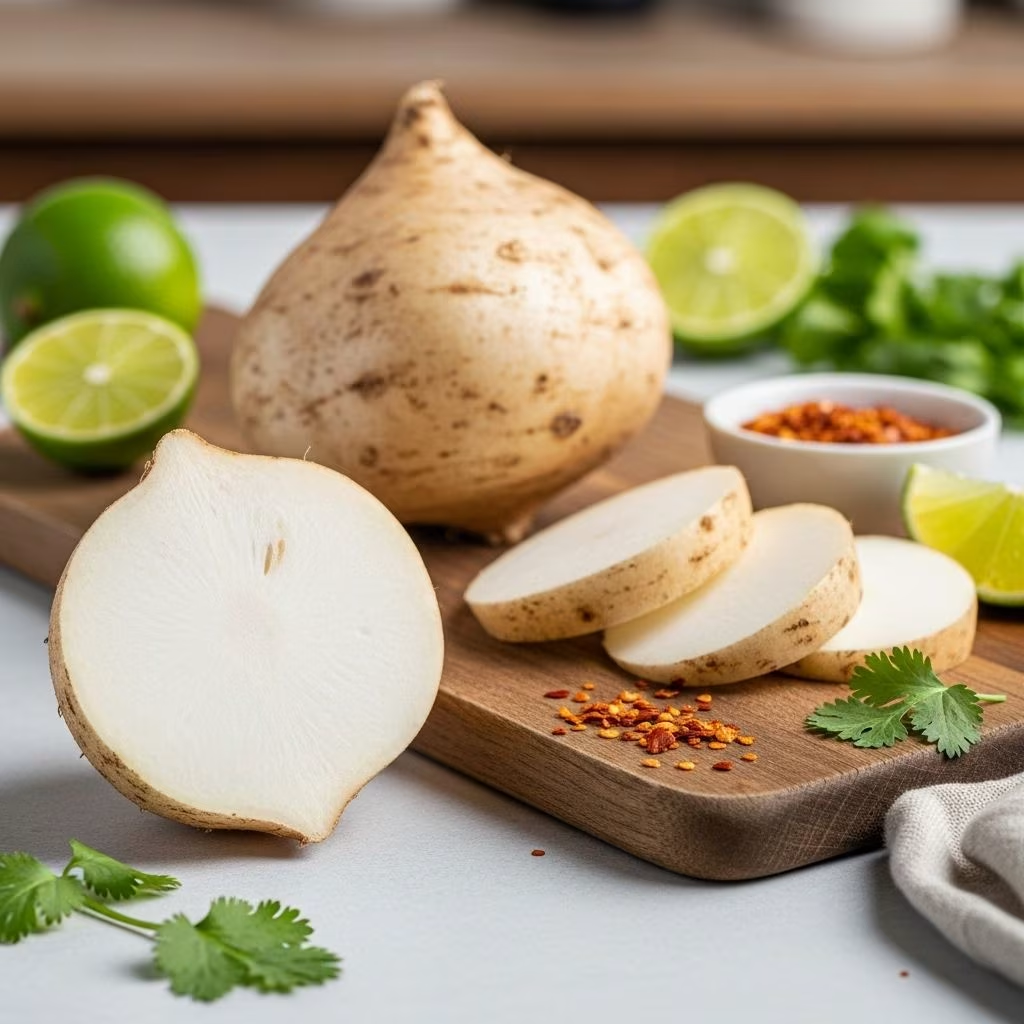
Jicama, sometimes called the Mexican turnip or yam bean, is a unique root vegetable celebrated for its crisp texture, mild sweetness, and diverse health benefits. Known for its versatility in global cuisine and nutrient-rich profile, jicama offers a refreshing crunch and a powerhouse of wellness-supporting compounds.
What Is Jicama?
Jicama is a globe-shaped root vegetable native to Mexico and Central America and widely cultivated in warm regions across the globe. It belongs to the Pachyrhizus erosus species in the legume family, but unlike other legumes, the edible part is its tuberous root, not the pod or seed. Jicama is also known by various names, including: yam bean, Mexican potato, Chinese turnip, and occasionally Mexican water chestnut.
- Appearance: Brown, papery skin with a white, juicy, crunchy interior.
- Traditional Use: Staple food in Mexican cuisine and common across Latin America, Southeast Asia, and parts of Africa.
- Scientific Name: Pachyrhizus erosus.
Although its vines and pods are toxic and should not be consumed, the root portion is prized for both its flavor and nutritional value.
Nutritional Profile of Jicama
Jicama is highly valued for its nutrient density and low-calorie content. Below is the nutritional content of one cup (130 grams) of raw jicama:
| Nutrient | Amount per 1 cup (130g) | % RDA* |
|---|---|---|
| Calories | 49 | – |
| Carbohydrates | 11.5 g | – |
| Fiber | 6.4 g | 21% |
| Protein | 1 g | – |
| Fat | 0.1 g | – |
| Vitamin C | 29% RDA | 29% |
| Folate | 4% RDA | 4% |
| Iron | 4% RDA | 4% |
| Potassium | 6% RDA | 6% |
| Magnesium | 4% RDA | 4% |
| Manganese | 4% RDA | 4% |
*RDA = Recommended Dietary Allowance
- High in Fiber: Promotes fullness and digestive health.
- Rich in Vitamin C: An essential antioxidant for immune support and skin health.
- Contains Prebiotic Fiber (Inulin): Supports beneficial gut bacteria.
- Low in Calories & Fat: Ideal for weight management and special diets.
- Hydration: Composed of around 85% water, contributing to daily hydration needs.
Health Benefits of Jicama
Jicama is packed with beneficial nutrients and unique plant compounds that support various aspects of health. Here are the primary benefits, supported by research:
1. Promotes Digestive Regularity and Gut Health
- The significant fiber content, especially inulin (a soluble prebiotic fiber), aids in regular bowel movements and prevents constipation.
- Prebiotic inulin feeds healthy gut flora, fostering a diverse and balanced microbiome which is linked to improved digestion and absorption of nutrients.
2. Supports Heart Health
- High fiber intake is associated with lower cholesterol and blood pressure, reducing cardiovascular risk.
- Potassium and magnesium help maintain healthy blood pressure and heart rhythm.
- Research links jicama consumption with reduced risk of blood clots and improvement in lipid profiles.
3. Provides Potent Antioxidants
- Rich in vitamin C, selenium, vitamin E, and beta-carotene, which collectively neutralize harmful free radicals and reduce inflammation.
- Antioxidant intake from jicama may decrease the risk of chronic diseases such as cancer, type 2 diabetes, and neurodegenerative disorders.
4. Supports Immune Function
- Vitamin C in jicama strengthens the immune system and supports collagen formation for healthy skin and wound healing.
5. May Aid Weight Loss and Management
- High-fiber, low-calorie foods like jicama promote fullness, helping control calorie intake.
- Its low glycemic load makes it suitable for diabetics or those watching blood sugar.
6. Contributes to Healthy Metabolism and Nerve Function
- Contains vitamin B6, crucial for nervous system health, production of neurotransmitters, and energy metabolism.
- Iron supports red blood cell production.
7. Hydrating and Refreshing
- High water content keeps the body hydrated and is especially valuable in hot climates.
Culinary Uses of Jicama
Jicama is exceptionally versatile in the kitchen, prized for its crunch and mild sweetness. It can be prepared in numerous ways:
- Raw: Sliced or cut into sticks for salads, crudité platters, or as a snack with dips (e.g., hummus, guacamole, nut butters).
- Salads: Adds a crisp, juicy element to slaws, fruit salads, and ceviche.
- Cooked: Stir-fried, sautéed, roasted, or even baked as a lower-carb alternative to potatoes.
- Toppings: Used as a topping for tacos, wraps, or Buddha bowls.
- Peeled and Thinly Sliced: Can be used as a low-carb tortilla substitute for wraps.
- In Asian Cuisine: Features in stir-fries, fresh spring rolls, and as a water chestnut alternative.
- Desserts: Sometimes paired with fruit, lime juice, and chili powder in Mexican street snacks.
Popular Recipe Ideas
- Jicama Slaw: Combined with shredded carrots, cabbage, and a citrusy dressing.
- Jicama Fries: Cut into fries and roasted or air-fried with spices.
- Fruit Salad: Mixed with pineapple, mango, and watermelon, finished with lime and chili.
Taste and Texture of Jicama
Jicama is celebrated for its unique sensory qualities:
- Texture: Exceptionally crisp and juicy, similar to an apple or water chestnut.
- Taste: Mildly sweet and nutty flavor, sometimes described as a cross between a potato and a pear, with faint earthy notes.
- Raw: Refreshing and light, never starchy or mealy.
- Cooked: Maintains some crunch, less sweet, and blends well into savory dishes.
How to Select, Store, and Prepare Jicama
Buying
- Choose roots that are firm, dry, and free of soft spots or blemishes.
- Avoid tubers that are shriveled, cracked, or damp.
- Smaller jicama are often sweeter and more tender.
Storing
- Unpeeled jicama keeps for up to 2-3 weeks in a cool, dry place or the refrigerator’s crisper drawer.
- Once peeled and cut, wrap in plastic or keep in an airtight container in the refrigerator for up to a week.
Preparing
- Wash thoroughly, then use a knife or vegetable peeler to remove the coarse skin.
- Cut as needed: into sticks, cubes, slices, or matchsticks.
- Eat raw or cook as desired.
Important: Only eat the peeled root—leaves, vines, pods, and seeds are toxic due to compounds called rotenone.
Potential Risks and Precautions
- Toxic Parts: Only the root is edible. Other plant parts contain rotenone, a natural insecticide that is harmful if ingested.
- Allergies: Rare, but possible cross-reactions in those who are sensitive to other legumes.
- Digestive Changes: Sudden large intakes of inulin can occasionally cause gas or bloating in sensitive individuals. Increase consumption gradually.
Frequently Asked Questions (FAQs)
Q: Is jicama keto, low-carb, or diabetic friendly?
A: Yes. Jicama is low in carbs and sugar, has a low glycemic load, and is suitable for most low-carb diets including keto. It is also safe for diabetics since it does not spike blood sugar significantly.
Q: Can you eat jicama raw, and should it be peeled?
A: Jicama is most commonly eaten raw, after peeling the tough skin. Always discard the skin and any attached roots or vines before eating or cooking.
Q: How do I know if jicama has gone bad?
A: Avoid roots that are damp, moldy, or have soft spots. Fresh jicama should be heavy for its size, dry, and smell neutral or slightly sweet.
Q: What other names does jicama go by?
A: Depending on region and cuisine, jicama may be called yam bean, Mexican potato, Mexican turnip, or Chinese turnip.
Q: Is jicama safe for kids and pregnant women?
A: Yes. Jicama is safe, nutritious, and offers digestive and immune benefits for all age groups. Only eat the peeled root, and avoid other plant parts.
Summary
Jicama—the Mexican turnip—is a refreshing, crisp, nutrient-packed root vegetable that brings both flavor and wellness to the table. Its high fiber, vitamin C, antioxidants, and prebiotic content help support digestive health, immunity, hydration, and heart function. Culinary versatility makes it a standout in both raw and cooked dishes around the world. With a mildly sweet flavor and firm bite, jicama bridges the gap between nutrition and eating enjoyment, making it a smart addition to almost any diet.
References
- https://www.healthline.com/nutrition/jicama-nutrition-benefits
- https://www.webmd.com/food-recipes/jicama-health-benefits
- https://advancedhealth.b-cdn.net/wp-content/uploads/2023/08/71-Aug-Jicama-handout.pdf
- https://health.clevelandclinic.org/jicama-nutrition
- https://www.medicalnewstoday.com/articles/324241
- https://www.baptisthealth.com/blog/health-and-wellness/jicama-vs-potatoes-health-benefits


