


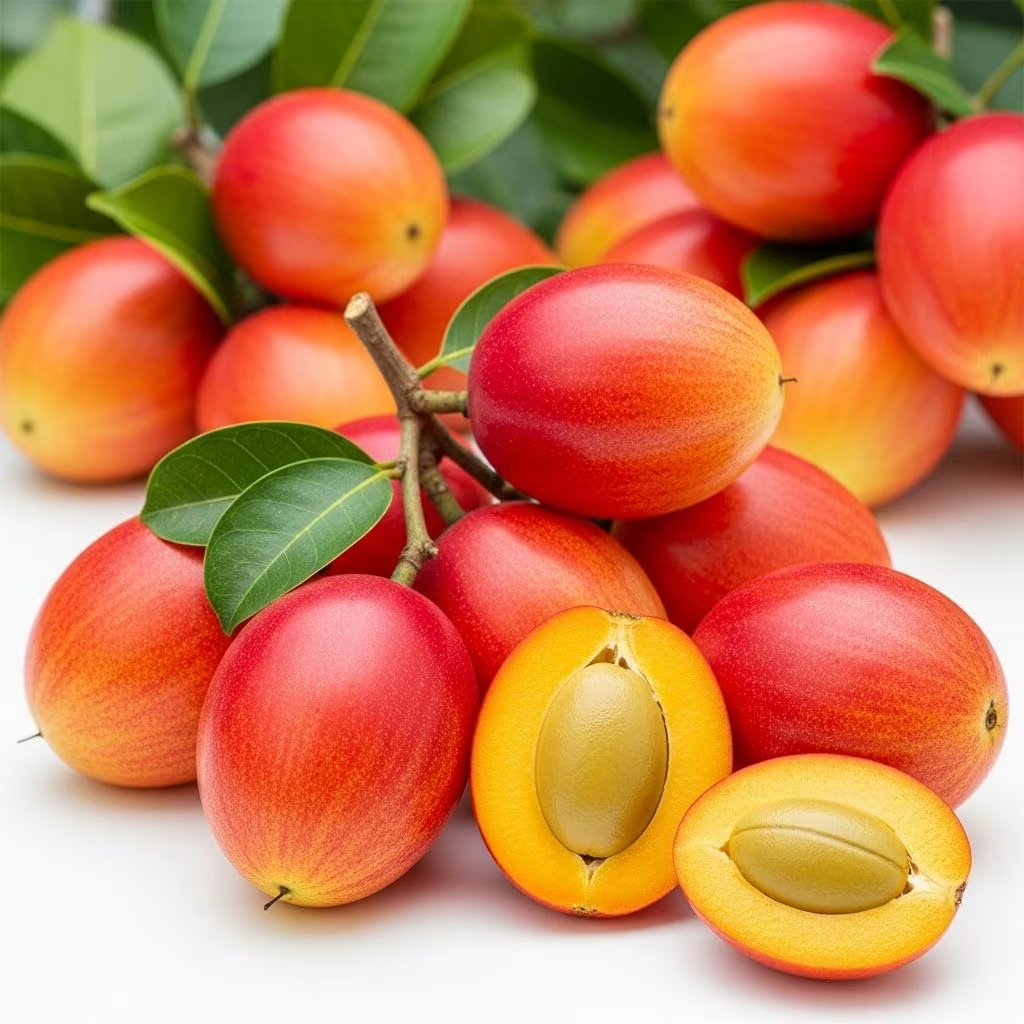
Jocote (Red Mombin): Flavorful Tropical Fruit, Health Benefits, Culinary Uses & More
Jocote—also known as red mombin (Spondias purpurea)—is a vibrant fruit native to Central and South America, cherished for its unique sweet-tart flavor, high nutritional value, and versatile uses in traditional cuisine and natural remedies. This article explores its botanical identity, healthful benefits, diverse uses, and sensory allure.
Origin & Botanical Information
Jocote (Spondias purpurea), commonly called red mombin, Spanish plum, ciruela, and hog plum, belongs to the Anacardiaceae family—the same plant family as mango and cashew. Native to a swath of tropical lands ranging from southern Mexico through Central America to northern Brazil and Peru, jocote has spread widely across the Caribbean islands due to its resilience and nutritional appeal.
- The tree is deciduous, often dropping its leaves in dry seasons.
- Botanically, it grows as a small shrub in lowland tropics (3–6 meters) and a larger, broad-canopied tree in higher elevations (up to 15 meters).
- Glossy grey bark and horizontally stretching branches are characteristic of the tree.
- The compound leaves display a striking red or purple hue when young, becoming green as they mature.
- Its flowers are small, fragrant, with reddish-purple petals arranged in clustered panicles at old leaf nodes.
Physical Characteristics of Jocote
The jocote fruit is distinctive in appearance and texture, setting it apart among tropical offerings:
- Shape & Size: Jocote tends to be oval, oblong, or pear-shaped, measuring 2.5–5 cm long and up to 3.5 cm wide.
- Color: Its skin starts out green, turning burgundy, purple, or bright red as it ripens. Some varieties are orange or yellow, though these may be confused with related species.
- Skin & Flesh: The skin is glossy and firm, while the aromatic, yellow mesocarp (flesh) is fibrous, juicy, and attached to a hard stone. This stone may contain unfertilized seeds or vestiges of ovules.
- Seed: The fruit contains a large, fibrous, rough stone at its core.
| Characteristic | Description |
|---|---|
| Shape | Oval, oblong, occasionally pear-shaped |
| Size | 2.5–5 cm long; 1–3.5 cm wide |
| Color (Ripe) | Burgundy, purple, dark/bright red; sometimes yellow or orange |
| Skin Texture | Glossy, thin, firm |
| Flesh | Yellow, aromatic, fibrous, juicy |
| Stone | Large, thick, knobby, hard |
Nutritional Profile
Jocote fruit is revered for its rich nutritional composition, key to various health benefits:
- Vitamin C: Abundant, supporting immunity and skin health.
- Vitamin A: Important for vision, cell growth, and immune function.
- B Vitamins: Contains small amounts for energy metabolism.
- Dietary Fiber: Promoting digestive health and gut function.
- Minerals: Includes significant levels of potassium and small amounts of calcium, iron, and magnesium.
- Phytonutrients & Antioxidants: Offers carotenoids and polyphenols, which may protect cells from oxidative stress.
While precise values may vary by variety and ripeness, jocote generally provides substantial vitamin C, antioxidants, and hydration through its juicy pulp.
Health Benefits of Jocote
The diverse nutritional elements in jocote support various aspects of health:
- Boosts Immunity: High vitamin C content strengthens immune defenses and helps the body resist infection.
- Promotes Digestive Wellness: With significant dietary fiber, jocote aids regular bowel movements, relieves constipation, and supports gut flora.
- Supports Heart Health: Potassium helps regulate blood pressure, while antioxidants may help reduce inflammation and protect vascular health.
- Improves Skin Health: Vitamin A content is vital for skin cell repair and renewal.
- Rich in Antioxidants: Jocote’s polyphenolic compounds can help neutralize free radicals, reducing risk of chronic diseases.
- Weight Management: Low in calories, high in fiber, jocote is a healthy snack supporting satiety and metabolic health.
Traditional & Culinary Uses
Jocote fruit features prominently in traditional dishes, snacks, and drinks throughout Central America, the Caribbean, and parts of South America:
- Fresh Consumption: Jocote is enjoyed fresh, often eaten straight as a snack when ripe for its juicy, sweet-sour punch.
- Pickles & Vinegar: Unripe or semi-ripe jocotes are sometimes eaten with salt, lime, or vinegar to accentuate their tart notes.
- Juices & Beverages: Jocote is squeezed for refreshing juice, or added to fruit mixes.
- Preserves & Jams: The fruit is cooked into jams, compotes, or candied.
- Desserts: Jocote features in pies, tarts, or eaten with honey and spices.
- Sauces: Its tartness makes it ideal for chutneys, savory sauces, or even incorporated into salsas.
Traditional ways to use jocote extend beyond the fruit—leaves and seeds are sometimes employed medicinally or as animal feed. The leaves, rich in phytochemicals, may be used in folk remedies, while the wood is occasionally turned into durable implements.
Taste Profile: Sweet, Tart, and Aromatic
The flavor of jocote is its most celebrated trait:
- Sweet-Tart: Jocote offers an exquisite balance, often described as a mix between plums and tamarind.
- Aromatic: Its yellow flesh releases a distinctive fragrance upon ripening.
- Acidity Level: Ripeness determines taste; fully mature fruits are sweeter while less mature jocotes are sour and acidic, sometimes enjoyed with salt or spices.
- Texture: The flesh is juicy and fibrous, with a pleasant, palate-coating feel.
- Flavor notes: Some describe a subtle hint of turpentine in certain varieties, but the dominant flavors are rich, plum-like, and invigorating.
How to Eat Jocote
- Fresh & Raw: Wash the jocote and eat it whole, biting into the juicy flesh and carefully discarding the hard stone.
- With Salt or Lime: Common in Central American street food—sliced or halved jocotes are sprinkled with salt or drizzled with lime to offset acidity.
- Cooked: Jocote can be boiled, stewed, or made into sweet or savory preserves.
- Juiced: Blend or press ripe jocotes for refreshing juices and drinks.
- Baked Goods: Add jocote to fillings, pastries, cakes, or crumble toppings for unique flavor.
When sampling jocote for the first time, pay attention to ripeness—a fully ripe fruit will be plump, fragrant, and richly colored.
Cultural Significance and Regional Names
Jocote’s importance extends beyond nutrition or taste, resonating deeply in local cultures:
- Soil Erosion Control: The jocote tree is sometimes planted on hillside farms across Mexico to prevent soil erosion, adding to its agricultural value.
- Medicinal Use: Leaves, seeds, and roots have been turned into traditional remedies for gastrointestinal ailments or topical treatments.
- Economic Value: Jocote’s drought tolerance makes it a reliable fruit crop even in challenging climates.
- Names: Known by many names—red mombin, Spanish plum, ciruela, hog plum, and Jamaica plum—reflecting its popularity across regions.
Varieties & Seasonality
- Varieties: Jocote has numerous unnamed varieties. A notable sub-variety, Spondias purpurea var. Lutea (Chili plum), turns yellow rather than red when ripe.
- Seasonality: Jocote fruits are often harvested in the dry season, dropping as the tree sheds its leaves.
- Wet-Season vs. Dry-Season: Fruit size and flavor vary; dry-season jocotes are smaller and sweeter, while wet-season fruits are larger and more acidic.
Frequently Asked Questions (FAQs)
Q: What does jocote (red mombin) taste like?
A: Jocote tastes sweet and tart, reminiscent of plums and tamarind, with juicy, aromatic flesh and occasional hints of acidity or a subtle turpentine flavor depending on ripeness and variety.
Q: How is jocote eaten?
A: Jocote can be eaten fresh, preserved, juiced, pickled, or cooked into jams, sauces, or desserts. Street vendors often serve it with salt or lime as a snack.
Q: Is jocote nutritious?
A: Yes, jocote is a good source of vitamin C, vitamin A, fiber, and various antioxidants, making it a healthy fruit choice.
Q: Are there different types of jocote?
A: Numerous varieties exist; some ripe jocotes are yellow instead of red (as with Chili plum), and flavor varies between dry and wet season harvests.
Q: Is jocote used for anything besides food?
A: Yes. Beyond fresh consumption, jocote trees are planted for soil conservation. Leaves and seeds have traditional medicinal uses, and dried wood is sometimes used for tools.
Q: Can jocote be grown outside its native region?
A: Jocote is highly drought-tolerant and adaptable, making it suitable for other tropical and subtropical climates with well-drained soil.
Conclusion
Jocote (red mombin) stands out as a tropical delight, packed with flavor, nutrients, and cultural history. From its sweet-tart taste and versatility in culinary creations to its nutritional prowess and ecological benefits, jocote continues to enrich diets and traditions across the Americas.
References
- https://plantogram.com/product/mombin_red/
- https://www.cabidigitallibrary.org/doi/full/10.1079/cabicompendium.51050
- https://www.netmeds.com/c/health-library/post/red-mombin-fruit-health-benefits-nutrition-and-ways-to-enjoy-this-tropical-delight-recipes-inside
- https://goodfruitguide.co.uk/product/jocote-general-information/
- https://azmartinique.com/en/all-to-know/fruits-vegetables/red-mombin
- https://en.wikipedia.org/wiki/Spondias_purpurea
- https://edis.ifas.ufl.edu/publication/MG059
- https://www.growables.org/information/TropicalFruit/MombinRedPopenoe.htm
- https://www.backyardnature.net/mexnat/spondias.htm


