


Introduction to Junket
Junket is a traditional dessert known for its jelly-like texture, made by curdling milk with rennet, a digestive enzyme also used in cheese production. This milk-based dessert has been a part of culinary history for centuries, evolving from a noble treat in medieval England to a common food enjoyed by the masses. In this article, we will delve into the history of junket, its taste, benefits, and uses.
History of Junket
Junket originated from an older French dish called *jonquet*, which involved curdling cream with rennet and draining the whey. In medieval England, junket was a luxurious food of the nobility, often flavored with rosewater, spices, and sugar. It was made with cream instead of milk, which lent it a richer taste and texture. However, by the Tudor era, syllabubs became more fashionable, and junket gradually fell out of favor among the nobility. It then became a common street food by the 18th century, enjoyed by the public at large.
By the early 20th century, junket had gained popularity in the United States as a sweet and easily digestible food, often recommended for children. The milk used in junket became a more accessible alternative to cream, making it a staple in many households, especially for those recovering from illness.
Preparation of Junket
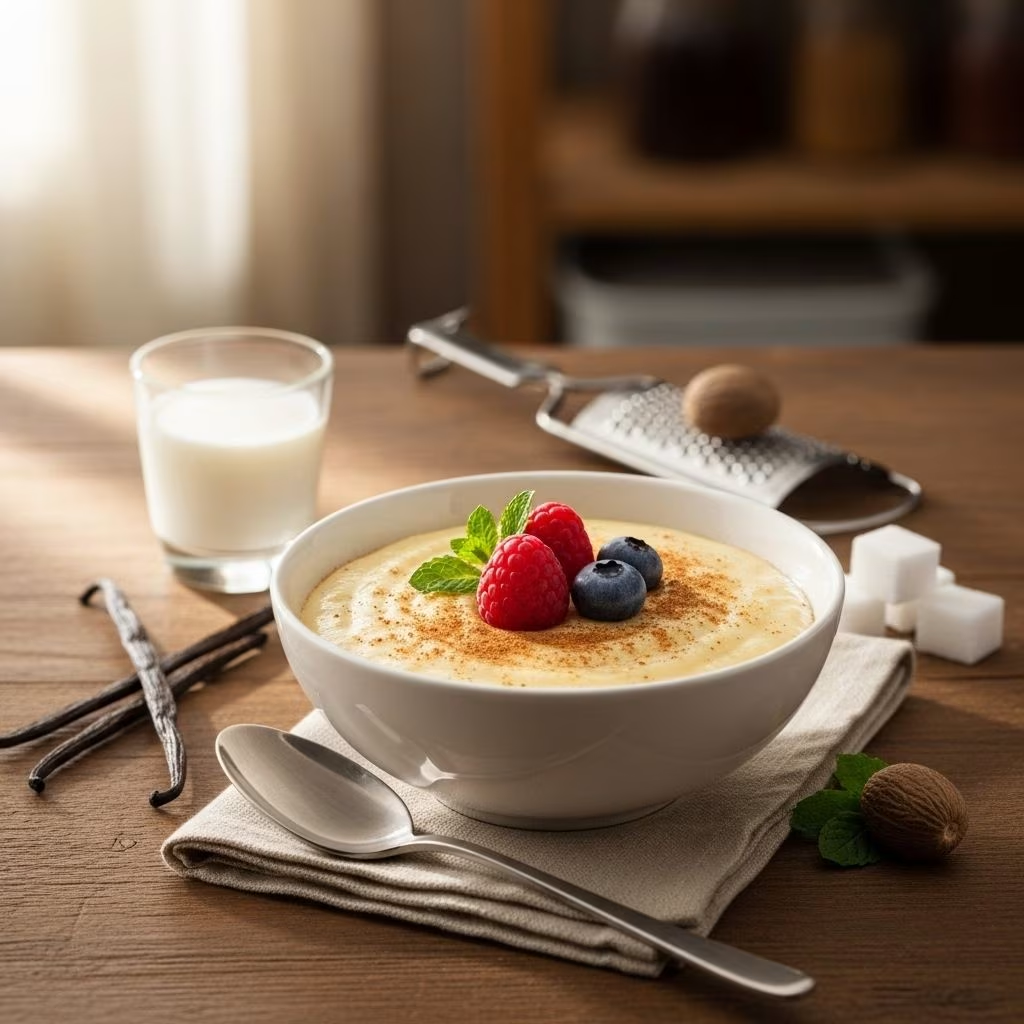
To prepare junket, milk is sweetened with sugar and sometimes flavored with vanilla or other flavorings. The milk is then heated to around 100F (38C), and rennet, dissolved in water, is added to curdle the mixture. The dessert is set in a mould and chilled before serving. Junket is often served cold, sometimes garnished with a sprinkle of nutmeg or accompanied by clotted cream and fresh fruits.
Taste and Texture of Junket
Junket has a soft, custard-like texture that is both delicate and creamy. The taste is mild and sweet, which makes it appealing to a wide range of palates. The addition of flavorings like vanilla or nutmeg can enhance its taste, while the choice of accompaniments, such as clotted cream or fruits, adds variety to its presentation.
Benefits of Junket
Junket is primarily valued for its ease of digestion, making it a popular choice for those with sensitive stomachs or those recovering from illness. The use of milk as the base ingredient also provides essential nutrients like calcium and proteins, which are beneficial for overall health.
Uses of Junket
Beyond being a dessert, junket can be used in various culinary applications:- Easy Digestion: Junket’s mild texture and low acidity make it an ideal food for those with digestive issues or for infants.- Versatile Flavors: Junket can be flavored with a variety of ingredients, such as vanilla, rosewater, or fruits, allowing it to be customized to different tastes.- Historical Significance: Junket serves as a window into culinary history, connecting us to traditional practices and ingredients used in the past.
Frequently Asked Questions (FAQs)
Q: What is junket made of?
A: Junket is made from milk, sugar, and rennet, which is an enzyme used to curdle the milk.
Q: Where did junket originate from?
A: Junket evolved from an older French dish called *jonquet*, which involved curdling cream with rennet.
Q: Is junket easily digestible?
A: Yes, junket is considered easily digestible due to its mild texture and low acidity, making it suitable for those with sensitive stomachs.
Conclusion
Junket is a fascinating dessert that not only offers a unique taste experience but also provides insights into culinary history. Its versatility and health benefits make it a valuable addition to modern diets, reminding us of the importance of traditional cooking techniques and ingredients.
References
- https://en.wikipedia.org/wiki/Junket_(dessert)
- https://nataliegracebakes.wordpress.com/2019/04/25/junket/
- https://www.dictionary.com/browse/junket
- https://www.jamandclottedcream.co.uk/2020/07/creamy-junket-recipe.html
- http://www.unicornlove.com/blog/2015/5/29/what-the-heck-is-junket-anyway
- https://homesteadmuseum.blog/2020/09/08/from-the-homestead-kitchen-junket-a-terrible-name-for-a-delicious-dessert/
- https://www.merriam-webster.com/dictionary/junket
- https://theviewfromgreatisland.com/junket-recipe/


