


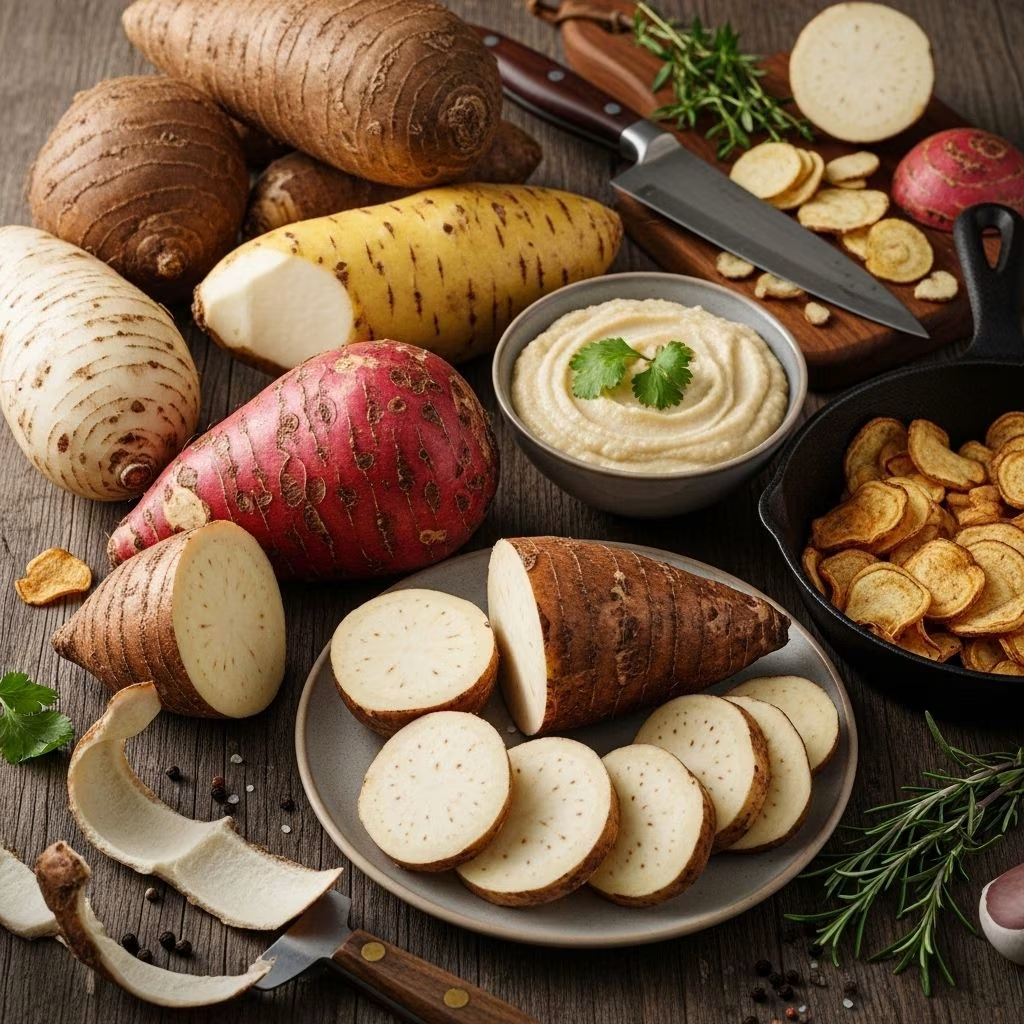
Introduction to Malanga
Malanga, also known as yautía or cocoyam, is a starchy root vegetable prized for its unique flavor and nutritional value. It belongs to the genus Xanthosoma and is commonly used in South American, African, and Caribbean cuisines. Malanga is often confused with taro due to their similar appearance, but they are distinct species within the same plant family.
Physical Characteristics and Varieties
Malanga roots are characterized by their rough, hairy skin, which can vary in color from brown to red, depending on the variety. The flesh inside is firm and crisp, ranging in color from white to light red with speckles. Malanga plants are known for their large, arrowhead-shaped leaves, which are edible when young and are used like spinach.
Table of Contents
Benefits of Malanga
Malanga is a nutrient-dense food, offering several health benefits due to its rich content of fiber, vitamins, and minerals. It contains significant amounts of vitamin C, riboflavin, thiamine, iron, potassium, and magnesium, making it beneficial for heart health, digestion, and managing cholesterol and blood pressure levels.
Nutritional Overview
- Fiber Content: Malanga is high in dietary fiber, which supports gut health and can help manage blood sugar levels.
- Antioxidants and Minerals: Provides antioxidants and essential minerals like potassium and magnesium, contributing to overall well-being.
- Low in Fat: Malanga is low in fat, making it a healthy choice for those watching their calorie intake.
Uses of Malanga
Malanga is versatile in its culinary applications. It can be boiled, mashed, fried, baked, or steamed, similar to other root vegetables like yuca. In Caribbean and Latin American cuisine, malanga is often used in soups, stews, and as a side dish.
Culinary Applications
- Soups and Stews: Adds a rich, earthy flavor to soups and stews.
- Mashed or Boiled: Can be served as a side dish similar to mashed potatoes.
- Fried Malanga Fritters: A popular dish in some Caribbean cultures.
Taste and Preparation
Malanga has a distinct earthy or nutty flavor, unlike the mild taste of potatoes or yams. It is often compared to yuca in texture, making it suitable for a variety of cooking methods. Before consumption, malanga must be cooked to remove naturally occurring calcium oxalate, which can cause digestive discomfort if eaten raw.
Preparation Tips
- Peeling: The skin is typically removed before cooking.
- Cooking Methods: Boiling, baking, or frying are common methods.
- Pairing Suggestions: Often served with meats, vegetables, or as a standalone side dish.
Frequently Asked Questions
Q: Is malanga the same as taro?
A: No, while both are root vegetables from the same plant family (Araceae), malanga belongs to the genus Xanthosoma and taro to Colocasia. They have distinct appearances and uses.
Q: How do you cook malanga?
A: Malanga can be boiled, mashed, baked, or fried. It must be cooked before consumption to remove calcium oxalate.
Q: What are the health benefits of malanga?
A: Malanga offers several health benefits due to its high fiber and mineral content, supporting heart health, digestion, and blood pressure management.
Conclusion
Malanga is a versatile and nutritious root vegetable, offering a range of culinary and health benefits. Its unique flavor and adaptability in cooking make it a valuable addition to diverse cuisines worldwide.
References
- https://naturesproduce.com/encyclopedia/malanga/
- https://micfood.com/malanga-101-what-is-malanga/
- https://specialtyproduce.com/produce/Red_Malanga_Root_16246.php
- https://www.medicinenet.com/what_is_malanga_in_english/article.htm
- https://www.medicalnewstoday.com/articles/319662
- http://centuryfarms.net/malanga-blanca.html
- https://tinytacobk.com/blogs/tiny-taco-bk-blog/is-malanga-the-same-as-taro
- https://www.plantains.com/products/malanga/


