


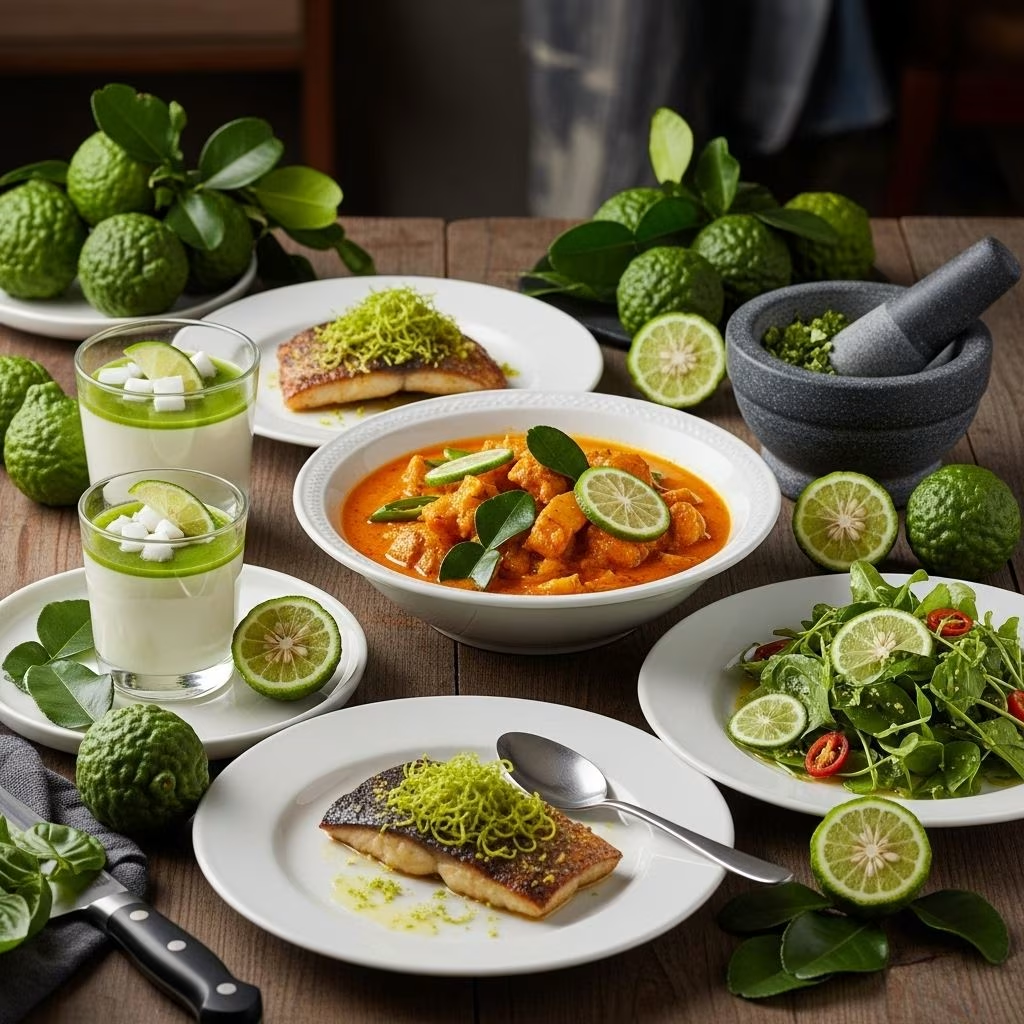
Kaffir lime—also known as makrut lime—offers culinary magic through its vibrantly aromatic leaves, zesty peel, and sour, floral juice. Beloved across Southeast Asia and now used worldwide, this unique citrus fruit transforms both sweet and savory dishes with bright, layered flavors. This comprehensive guide delves into the top kaffir lime recipes and provides expert advice for handling this ingredient to perfection, ensuring you unlock its full culinary potential without overwhelming your palate.
Introduction to Kaffir Lime Fruit
Kaffir lime (Citrus hystrix) is a small, bumpy green citrus fruit native to tropical Southeast Asia. While its leaves are popular in Thai, Indonesian, and Malaysian cuisine for their perfumed, citrusy aroma, the fruit itself—with intensely tart juice and a uniquely fragrant, oil-rich rind—deserves greater fame. Used judiciously, kaffir lime fruit can brighten both traditional dishes and creative, modern recipes.
Key Characteristics of Kaffir Lime
- Aroma: Highly floral, citrine, and almost spicy
- Flavor: Intensely tart, somewhat bitter, with a strong lingering citrus note
- Edible Parts: Fruit (juice & peel/zest), leaves, sometimes rind
Because of its strength, both peel and juice are generally used in small amounts and often paired with creamy, sweet, or complex umami-rich ingredients.
Kaffir Lime in Global Cuisine
Kaffir lime makes its culinary impact in several cuisines, particularly:
- Thai & Laotian Curries: The zest and juice elevate curry pastes and fiery chili relishes.
- Malaysian & Indonesian: Leaves and fruit feature in sambals, soups, and spice rubs.
- Cambodian, Vietnamese & Burmese: Adds fresh, floral notes to broths and marinades.
- Western Fusion: Modern chefs employ kaffir lime zest and curd in desserts and cocktails for bold citrusy complexity.
How to Prepare and Cook Kaffir Lime Perfectly
Getting the most out of kaffir lime requires a delicate touch and attention to detail.
1. Preparing Kaffir Lime Juice
- Fruit is hard and yields less juice than other limes. Roll firmly before cutting and juicing with a reamer.
- Strain juice to remove seeds and pulp for a silky texture, especially in desserts or sauces.
- Because of the intensity, start with less juice and adjust to taste. Usually 1–2 teaspoons per serving suffices.
2. Using Kaffir Lime Zest & Peel
- Use a fine microplane or zester to remove only the colorful outer layer, avoiding the bitter white pith.
- The peel is potent; 1/2–1 teaspoon can flavor a whole dish.
- Peel can also be used in refreshing spice pastes, as in certain Thai dips and condiments.
3. Cooking Techniques
- Infusion: Simmer zest or leaves in sauces, creams, or broths to impart subtle flavor, then remove before serving.
- Direct Addition: Incorporate zest into batters, doughs, or marinades for a burst of citrus aroma.
- Balancing Acidity: Pair kaffir lime with creamy coconut, fattier proteins (chicken, duck, seafood), and sweet or starchy sides (rice, desserts) to soften its tartness.
Top Kaffir Lime Recipes
Here are standout recipes showcasing kaffir lime’s versatility from Southeast Asian classics to contemporary sweets.
Kaffir Lime Curd
Sublime on scones, folded into cakes, or spooned over fruit, kaffir lime curd delivers an unforgettable citrus punch tempered by creamy butter and eggs.
- Ingredients: 4 kaffir limes (juice & zest), 3/4 cup sugar, 1/2 cup unsalted butter, 2 eggs + 1 egg yolk
- Method Overview:
- Zest one kaffir lime, juice all four. Combine juice, zest, sugar, and butter in a heatproof bowl.
- Whisk eggs and yolk, strain for smoothness, then gradually whisk into the heated lime mixture over a double boiler.
- Continue whisking 5–10 minutes until mixture thickens and gels. Remove from heat; it firms further as it cools.
- Serve layered in crepes, over pancakes, or swirled into semifreddo for a luxurious treat.
Tip: Always zest before juicing, and avoid the bitter white pith for a clean, bright curd flavor.
Zesty Chili Paste (Nam Prik Makrut)
This bold, spicy chili paste utilizes both the zesty peel and punchy juice of kaffir lime to create a complex, aromatic dip or condiment, perfect for rice and fresh vegetables.
- Ingredients: Coconut milk, kaffir lime peel/zest, garlic, shallots, red chilies (rehydrated), dried shrimp, shrimp paste, fish sauce, palm sugar, kaffir lime juice
- Method Overview:
- Roast garlic, shallots, and shrimp paste until aromatic. Rehydrate chilies and dried shrimp, then pound into a coarse paste.
- Simmer coconut milk until thick, stir in chili-lime paste, season with palm sugar, fish sauce, and finish with kaffir lime juice.
- Serve warm as a dip or spoon over jasmine rice for explosive flavor.
This recipe is notable for its layered taste—zesty, sweet, spicy, and deeply umami—making it a standout for sharing or as a flavor-packed side.
Kaffir Lime & Coconut Poached Chicken with Noodles
A quintessential example of how kaffir lime’s vibrant citrus can harmonize a rich, creamy coconut-based broth for a fragrant and satisfying main dish.
- Ingredients: Chicken breasts, coconut milk, juice and zest of kaffir lime, kaffir lime leaves, ginger, lemongrass, coriander stems, garlic, red chili, spring onion, chicken stock, rice noodles, assorted vegetables
- Method Overview:
- Poach chicken gently in a mixture of coconut milk, kaffir lime zest & juice, leaves, ginger, lemongrass, and coriander for 20–30 minutes.
- Once cooked, slice the chicken, retaining the poaching broth.
- Sauté aromatics in a pan, then add more zest and juice with stock and some poaching liquid for a luscious sauce.
- Toss with noodles, vegetables, and fresh coriander for a nourishing, flavor-layered meal.
This dish epitomizes the balance of tart and creamy, ideal for showing off kaffir lime’s ability to lift and lighten complex flavors.
Kaffir Lime Sorbet and Other Desserts
For those ready to experiment beyond common lemon or lime, kaffir lime is unbeatable in frozen treats, baked goods, and custards.
- Sorbet: Combine kaffir lime juice and zest with sugar syrup, optionally infusing with mint or coconut, then churn for a uniquely floral and refreshing finish to any meal.
- Cheesecakes, Tarts, and Cakes: Fold zest into creamy batters for exotic citrus depth, or swirl into meringue for tropical flair.
- Creams & Curd Fillings: Use kaffir lime curd in pastry shells, choux buns, or eclairs for a bright, zesty surprise.
More Inspiring Kaffir Lime Uses
- Cocktails: Kaffir lime zest in simple syrup, juice in Margaritas or Gimlets, or muddled leaves in Mojitos and Gin & Tonics.
- Salad Dressings: A teaspoon of juice and finely shredded zest enlivens vinaigrettes for grain, noodle, or fresh leafy salads.
- Seafood & Shellfish: Add juice and zest to ceviche, grilled shrimp, or fish cakes for a fresh, clean citrus note.
- Infused Oils & Marinades: Warm neutral oil with zest for drizzling, or combine with garlic and chili for paste rubs.
Pairing and Serving Tips
To maximize kaffir lime’s impact without overpowering your dish, consider these unique pairing principles:
- Balancing Creaminess: Reduce the intensity by pairing with coconut milk, butter, cashew cream, or yogurt.
- Highlighting Sweetness: Marry with palm sugar, coconut, honey, or ripe tropical fruits like mango and pineapple.
- Earthy & Spicy: Combine with fresh ginger, lemongrass, coriander root, turmeric, or fiery chili for depth in curries and sauces.
- Umami-Rich Complements: Feature with fish sauce, oyster sauce, or fermented ingredients to balance sharp citrus and build richness.
Buying, Storing, and Selecting Kaffir Lime
- Choosing Fruit: Look for bright green, slightly glossy, and deeply textured skin. Fruit should be firm.
- Storing: Fresh fruit keeps in the refrigerator for 1–2 weeks. Zest and juice can be tightly wrapped and frozen for several months. Dried peel also holds much of its intensity.
- Leaves: If you can only find kaffir lime leaves, they are excellent for infusions; dried leaves also work well if soaked first.
Frequently Asked Questions (FAQs)
Q: Is kaffir lime fruit edible raw? Can I use it like regular limes?
A: The fruit is edible, but its flesh is tough and the juice is far more sour and astringent than regular limes. It is best used in small amounts, often as an accent for sauces, dressings, or pastes, rather than in drinks or pie fillings.
Q: How do I balance kaffir lime’s bitterness and tartness?
A: Balance the strong citrus flavor with sweet ingredients (sugar, palm sugar, coconut), rich creamy elements (coconut milk, butter), or by blending it with other citrus such as lime or lemon.
Q: What’s the difference between kaffir lime leaves and the fruit?
A: Kaffir lime leaves, often sold separately, are prized for their lemony, deeply aromatic flavor. The fruit’s juice and rind have a much bolder, spicier, and more floral profile and are used more sparingly, mainly in pastes, desserts, or to finish a dish.
Q: What if I can’t find fresh kaffir lime where I live?
A: Many Asian grocers stock frozen or dried kaffir lime leaves, which can be excellent for infusions. The zest and juice of traditional limes or lemons (combined with a bit of grated ginger) can substitute in a pinch, though the exact aroma will be different.
Q: How do I prevent recipes with kaffir lime from tasting bitter?
A: Carefully zest only the outermost green skin and avoid the pith, which can introduce bitterness. In recipes like curd, strain all juice for smoothness and blend with plenty of sugar or fat for balance.
Summary Table: Kaffir Lime Uses by Dish Type
| Dish Type | Kaffir Lime Part Used | Recommended Method |
|---|---|---|
| Curries & Pastes | Zest, Peel, Sometimes Juice | Pound into spice pastes or blend, add at start of cooking |
| Creamy Desserts | Juice, Zest | Infuse or fold into curds, fillings, custards |
| Soups & Broths | Leaves, Zest | Simmer whole leaves or zest, remove before serving |
| Salads & Dressings | Juice, Zest | Blend directly into vinaigrettes, sauces |
| Seafood | Juice, Zest | Finish ceviche, grilled dishes, or seafood pastes |
| Cocktails | Juice, Zest, Leaves | Muddle, infuse, or use as garnish |
With these recipes and tips, kaffir lime fruit will become an indispensable part of your kitchen, offering extraordinary citrus complexity in every dish from soups and main courses to curds, desserts, and even drinks. Start experimenting today, and discover how this Southeast Asian treasure can transform your cooking—zestfully and perfectly!
References
- https://www.suitcasefoodist.com/kaffir-lime-curd/
- https://www.youtube.com/watch?v=dJPNBfrhc1k
- https://www.kulinaryadventuresofkath.com/theblog/2017/6/9/kaffir-lime-coconut-poached-chicken-with-noodles
- https://rediscover.co.nz/how-to-use-kaffir-limes/
- https://www.cambridgebee.com/blogs/news/unleashing-the-power-of-citrus-hystrix-top-10-kaffir-lime-recipes-to-try-at-home
- https://forum.foodlovers.co.nz/read.php?3%2C236218


