


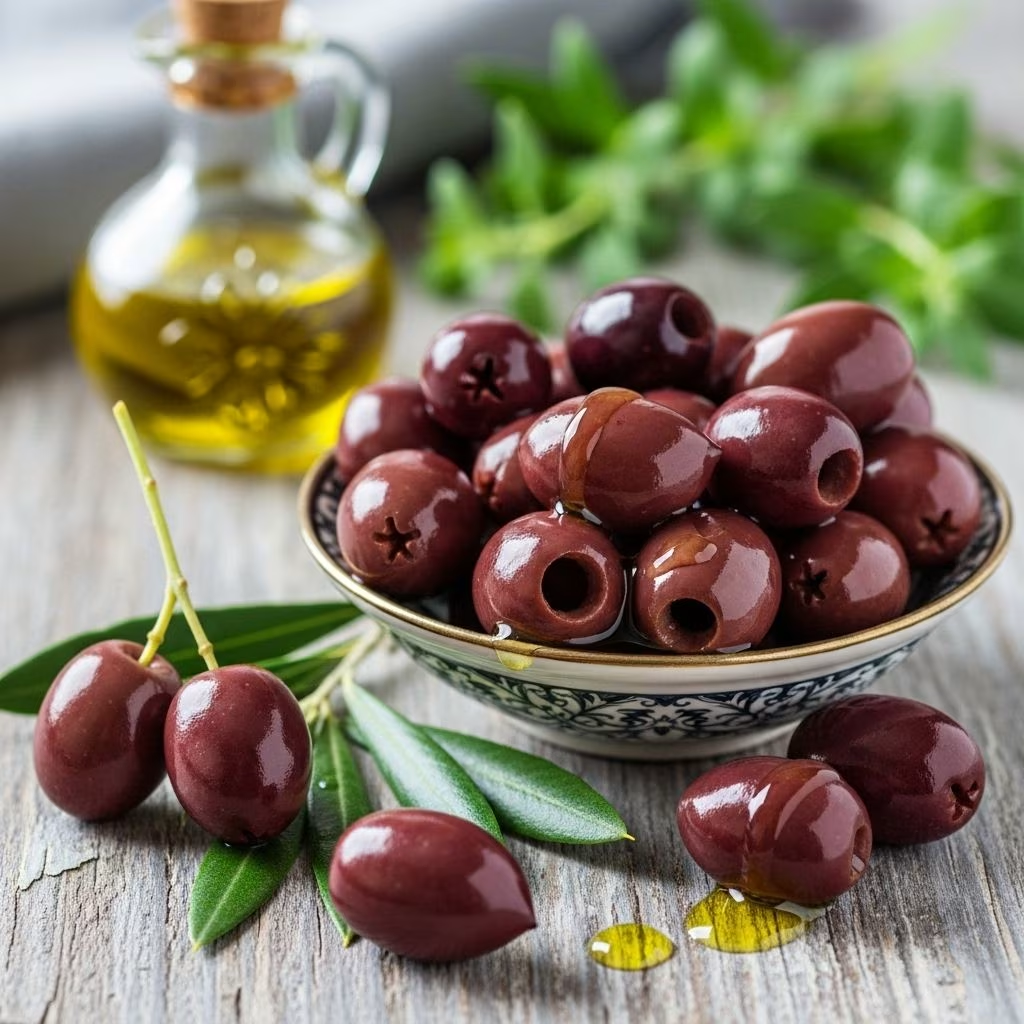
What Are Kalamata Olives?
Kalamata olives, often referred to as the “queen of Greek olives,” are a premium variety of table olives that have captivated food enthusiasts worldwide with their distinctive appearance and complex flavor profile. These exceptional olives are botanically classified as drupes, similar to peaches or plums, and are renowned for their striking almond shape and deep purple to black coloration.
What sets Kalamata olives apart from other varieties is their commitment to quality and authenticity. These olives are exclusively grown in specific regions of Greece and are protected by designation of origin laws, ensuring that only genuine Greek olives can bear the Kalamata name. The olives range in length from about half an inch to one inch, making them notably larger than many other olive varieties.
Origin and Characteristics
Geographic Origins
Kalamata olives are native to the Peloponnese peninsula in southern Greece, specifically originating from the Messenia region. Today, they are also extensively cultivated in Laconia and are primarily harvested by hand from robust, undemanding olive trees that thrive in the Mediterranean climate.
Physical Characteristics
The distinctive appearance of Kalamata olives makes them instantly recognizable on any antipasti spread or olive bar. Their key physical features include:
Size and Shape: Kalamata olives are larger than many other olive varieties, with their signature elongated, almond-like shape that sets them apart from rounder olive varieties. This oblong form is one of their most distinguishing characteristics.
Color: These olives are renowned for their deep purple to black coloration, which indicates their full maturity at harvest time. The dark hue ranges from deep violet to light brown or black, creating a striking visual appeal that adds elegance to any dish.
Skin Texture: Kalamata olives possess a shiny, slightly rough skin that’s characteristic thick, contributing to their premium quality and distinctive mouthfeel.
Nutritional Profile and Health Benefits
Essential Nutrients
Kalamata olives are nutritional powerhouses packed with essential vitamins, minerals, and beneficial compounds. They provide consumers with a wealth of nutrients including:
Vitamins: B1, B2, B6, C, E, folic acid, and beta-carotene work together to support various bodily functions and overall health.
Minerals: Calcium, phosphorus, magnesium, and sodium contribute to bone health, muscle function, and electrolyte balance.
Trace Elements: Iron and zinc support immune function and oxygen transport throughout the body.
Polyphenolic Compounds: Phenols, polyphenols, flavonoids, and sterols provide powerful antioxidant properties.
Health Benefits
The impressive nutritional profile of Kalamata olives translates into numerous health benefits. These Mediterranean gems are particularly rich in monounsaturated fats and antioxidants, making them valuable additions to a healthy diet:
Cardiovascular Protection: The high content of monounsaturated fats helps protect heart health and may reduce the risk of heart attack.
Cholesterol Management: Regular consumption may help reduce LDL (bad) cholesterol levels while supporting overall cardiovascular health.
Cancer Prevention: The antioxidants and polyphenolic compounds may help protect against certain types of cancer.
Neuroprotection: The vitamin E content and antioxidants may help protect nerve cells from oxidative damage.
Digestive Health: Kalamata olives may help regulate digestion and support a healthy gut microbiome.
Anti-inflammatory Properties: The natural compounds possess antiviral and anti-inflammatory effects that may support overall immune function.
Skin Health: The vitamin E and healthy fats contribute to maintaining healthy, radiant skin.
Taste and Texture Profile
Flavor Characteristics
Kalamata olives are celebrated for their complex and intense flavor profile that stands out aromatically from other Greek olive varieties. The taste can be described as:
Rich and Fruity: These olives offer a distinctive fruity flavor that’s often compared to red wine vinegar, with some detecting notes reminiscent of fine wine.
Tangy and Briny: The curing process imparts a pleasant tanginess and briny quality that balances the natural fruitiness.
Smoky Undertones: Many people detect a mild smokiness that adds depth and complexity to the overall flavor profile.
Spicy Aroma: Kalamata olives possess a distinctive spicy aroma that’s immediately recognizable to olive enthusiasts.
Texture and Mouthfeel
The texture of Kalamata olives is often described as “meaty” due to their firm, substantial bite. Key textural characteristics include:
Firm and Meaty: The flesh is notably firmer and more substantial than many other olive varieties, providing a satisfying chew.
Smooth and Tender: Despite their firmness, the flesh is smooth and tender, creating an enjoyable mouthfeel.
Oily Texture: The natural oils contribute to a pleasant, rich mouthfeel that enhances the overall eating experience.
The Curing Process
Fresh olives straight from the tree are naturally bitter due to their glycoside content, making them inedible in their raw state. The curing process is essential for transforming these bitter fruits into the flavorful delicacies we know and love.
Traditional Curing Methods
Kalamata olives undergo a careful curing process that significantly contributes to their distinctive flavor profile:
Brine Curing: The olives are typically placed in a saltwater brine solution that neutralizes the natural bitterness while allowing the development of complex flavors.
Red Wine Vinegar Treatment: Many Kalamata olives are cured in red wine vinegar, which contributes to their characteristic tangy, wine-like flavor profile.
Time and Patience: The curing process takes considerable time, allowing the olives to develop their signature taste gradually while maintaining their firm texture.
Harvest Timing
Unlike many other olive varieties that are picked when green, Kalamata olives are harvested in late autumn when they reach full maturity. This timing is crucial for achieving the right degree of ripeness and developing the characteristic dark coloration and complex flavor profile.
Culinary Uses and Applications
Table Olives
Kalamata olives are primarily enjoyed as premium table olives, thanks to their delicate aroma and intense flavor. They’re perfect for:
Antipasti Platters: Their striking appearance and complex flavor make them ideal centerpieces for Mediterranean-style appetizer spreads.
Cheese Boards: The rich, fruity flavor pairs beautifully with various cheeses, from creamy goat cheese to aged hard cheeses.
Cocktail Garnishes: Their distinctive shape and flavor make them excellent garnishes for martinis and other Mediterranean-inspired cocktails.
Cooking Applications
Mediterranean Dishes: Kalamata olives are essential ingredients in Greek salads, pasta dishes, and traditional Mediterranean recipes.
Pizza Toppings: Their robust flavor holds up well to cooking and adds authenticity to Mediterranean-style pizzas.
Bread and Focaccia: Chopped Kalamata olives can be incorporated into bread dough or used as toppings for focaccia.
Marinades and Dressings: The brine from Kalamata olives can be used in marinades and salad dressings to impart Mediterranean flavors.
Olive Oil Production
While Kalamata olives are more commonly enjoyed as table olives, they can also be processed into olive oil. When used for oil production, the result is a flavorful, high-quality oil that captures the essence of these premium olives.
Kalamata vs Other Olive Varieties
| Characteristic | Kalamata Olives | Black Olives (California) | Green Olives |
|---|---|---|---|
| Shape | Almond-shaped, elongated | Round | Round to oval |
| Color | Deep purple to black | Dark brown-black | Green |
| Harvest Time | Fully ripe, late autumn | Picked green, ripened during curing | Unripe |
| Texture | Firm, meaty, slightly rough skin | Soft, smooth skin | Firm |
| Flavor | Complex, fruity, wine-like | Mild, less fruity | Sharp, briny |
| Size | Medium to large | Various sizes | Various sizes |
The key differences highlight why Kalamata olives command premium prices and are considered superior table olives. Their tree-ripened nature and traditional curing methods result in a more complex, intense flavor compared to mass-produced alternatives.
Frequently Asked Questions
Q: Are Kalamata olives healthier than other olive varieties?
A: Kalamata olives are particularly rich in monounsaturated fats, antioxidants, and polyphenolic compounds. While all olives offer health benefits, Kalamatas are especially noted for their high vitamin E content and cardiovascular protective properties.
Q: Why are Kalamata olives more expensive than regular black olives?
A: Kalamata olives are hand-harvested when fully ripe, undergo traditional curing processes, and are protected by designation of origin laws. This careful production method, combined with their superior flavor and limited growing regions, justifies their premium price.
Q: Can I substitute regular black olives for Kalamata olives in recipes?
A: While you can substitute other olives, the flavor profile will be significantly different. Kalamata olives have a more complex, fruity, and intense taste compared to mild black olives, so the dish’s overall flavor will change.
Q: How should I store Kalamata olives?
A: Store unopened Kalamata olives in a cool, dry place. Once opened, keep them refrigerated in their brine and consume within 2-3 weeks for optimal flavor and quality.
Q: Are Kalamata olives suitable for people on keto or Mediterranean diets?
A: Yes, Kalamata olives are excellent for both keto and Mediterranean diets. They’re high in healthy fats, low in carbohydrates, and are a staple ingredient in traditional Mediterranean cuisine.
Q: Do Kalamata olives contain pits?
A: Kalamata olives can be purchased either with pits or pitted. Traditional varieties often retain their pits to preserve flavor and texture, but pitted versions are available for convenience.
Kalamata olives represent the pinnacle of olive cultivation, offering a perfect combination of exceptional flavor, impressive nutritional benefits, and culinary versatility. Whether enjoyed as part of a Mediterranean-inspired meal or appreciated on their own, these remarkable olives continue to earn their reputation as Greece’s crown jewel in the world of premium table olives.
References
- https://oliveslife.shop/kalamata-olives-world-wide-famous-delicacy/
- https://www.delallo.com/blog/calamata-olives/
- https://dafnigreekproducts.com/pages/kalamata-olives
- https://www.webmd.com/diet/health-benefits-kalamata-olives
- https://shop.mani.bio/en/blog/kalamata-olives
- https://www.thechowtrain.com/what-are-kalamata-olives/
- https://www.greekflavours.com/blogs/news/kalamata-olives
- https://www.wisdomlib.org/ingredients/kalamata-olive
- https://www.mezzetta.com/products/pitted-greek-kalamata-olives


