


\n\n
\n \n
\n \n\n
\n \nThe Kakadu plum (Terminalia ferdinandiana) is widely celebrated as an indigenous Australian superfruit, prized for its nutritional potency, medicinal legacy, and versatile applications in food, cosmetics, and wellness. This article delves into what Kakadu plum is, its extraordinary health benefits, traditional and contemporary uses, and its unique taste that sets it apart among native fruits.
\n\n
Table of Contents
\n
- \n
- What is Kakadu Plum?
- Botanical Description and Origins
- Nutritional Profile and Phytochemical Composition
- Health Benefits of Kakadu Plum
- Traditional Uses and Cultural Significance
- Modern Uses of Kakadu Plum
- Taste Profile and Culinary Applications
- Safety, Toxicology, and Sustainability
- Frequently Asked Questions (FAQs)
\n
\n
\n
\n
\n
\n
\n
\n
\n
\n\n
What is Kakadu Plum?
\n
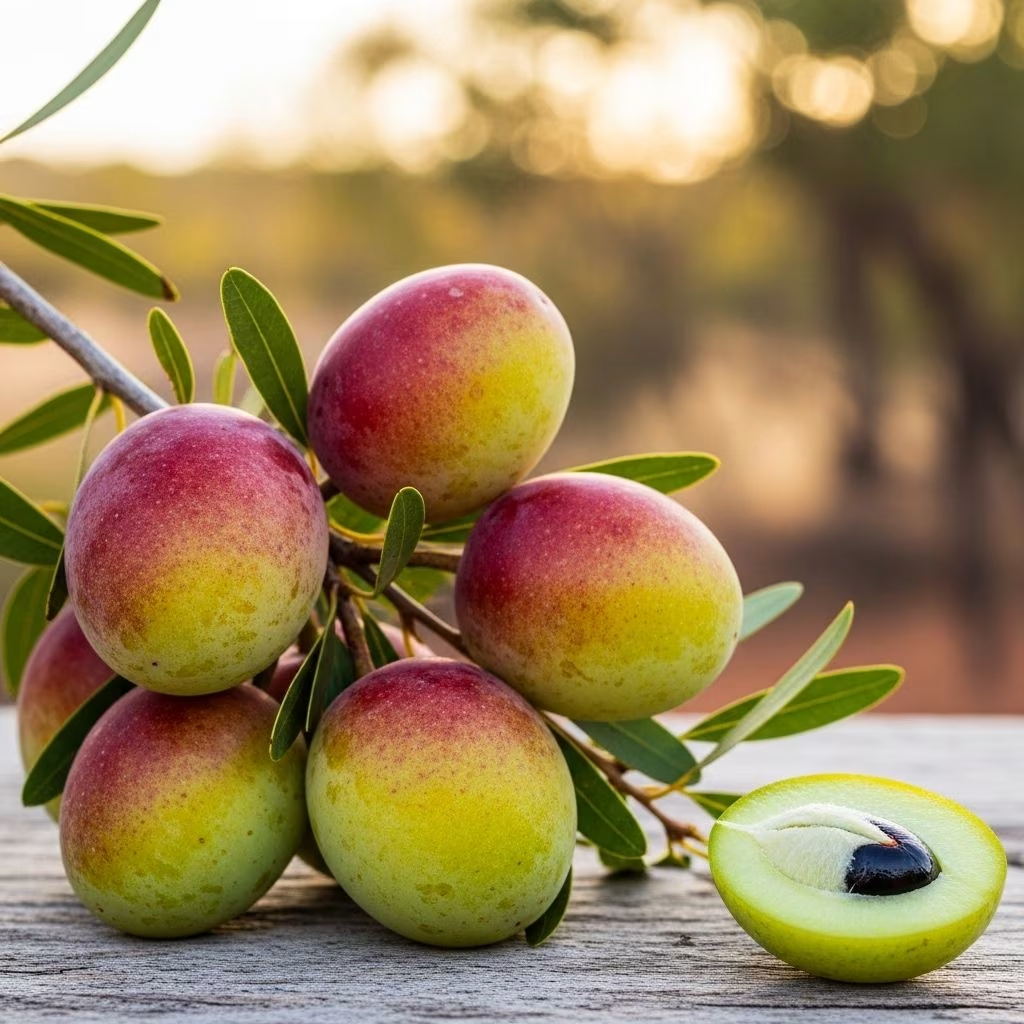
Kakadu plum, known scientifically as Terminalia ferdinandiana, is a small fruit-bearing tree native to the tropical woodlands and savannahs of Northern Australia, particularly the Northern Territory and Western Australia. Distinguished by its egg-shaped, yellow-green fruit and broad, round leaves, Kakadu plum is one of Australia’s most iconic “bush tucker” foods—a term used for native edible flora. With a history of use extending back tens of thousands of years among Indigenous Australians, Kakadu plum has become renowned globally for its extraordinary concentration of vitamin C and its culturally significant applications.
\n\n
Botanical Description and Origins
\n
The Kakadu plum tree is a slender, small-to-medium deciduous tree, often growing between 6–14 meters tall in its natural habitat. It sheds its leaves during the dry season, then blooms with perfumed, creamy-white flowers arranged in spikes before fruiting between March and May. Fruits are almond-sized—typically about 2 centimeters long—ripening from very pale green to sometimes pinkish hues, and each contains a large seed. The plant is also known by other names, including gubinge (in Western Australia), billygoat plum, green plum, salty plum, murunga, and mador.
\n\n
Natural Habitat and Distribution
\n
- \n
- Native to northern Australia: From north-western parts through Arnhem Land and Kakadu National Park.
- Commonly found in open tropical woodlands and savannah landscapes.
- Adapted to hot, arid conditions, making it a resilient species for bushland cultivation.
\n
\n
\n
\n\n
Nutritional Profile and Phytochemical Composition
\n
The Kakadu plum stands out in the world of fruits for its remarkable nutritional and phytochemical attributes, primarily:
\n
- \n
- Vitamin C Content: Holds the record for highest natural concentration of vitamin C of any known fruit—often cited at up to 50 times that of oranges (ranging 1500–3000 mg/100g fresh weight).
- Polyphenols and Antioxidants: Rich in phenolic acids, flavonoids, ellagitannins, proanthocyanidins, and other antioxidants that combat cellular oxidative stress.
- Other Nutrients: Contains folic acid, vitamin E, iron, dietary fiber, and trace minerals, while being low in sugar and calories.
- Low Caloric Value: Approximately 59 calories per 100 grams, making it suitable for low-calorie diets.
\n
\n
\n
\n
\n
Regular consumption of Kakadu plum or its extracts may provide significant antioxidant and anti-inflammatory support, thanks to this unique composition.
\n\n
| Nutrient | Amount | Notable Benefit |
|---|---|---|
| Vitamin C | 1500–3000 mg | Immunity, antioxidant support |
| Folic Acid | 40–60 mcg | DNA synthesis, maternal health |
| Vitamin E | 0.5–1.2 mg | Cellular protection |
| Iron | 1.0–2.5 mg | Oxygen transport |
| Dietary Fiber | 7–9 g | Gut health |
| Antioxidants (Polyphenols) | High levels | Antioxidant defense |
| Energy | 59 kcal | Low-calorie food |
\n\n
Health Benefits of Kakadu Plum
\n
Scientific research and indigenous tradition both recognize a long list of health benefits associated with Kakadu plum:
\n
- \n
- Immune System Support: Exceptionally high vitamin C content boosts immunity, supports wound healing, and assists in responding to infections.
- Antioxidant Activity: Polyphenols and vitamin C neutralize harmful free radicals, potentially reducing the risk of chronic diseases and inflammation.
- Anti-inflammatory Effects: Contains compounds that may help reduce inflammation throughout the body.
- Antimicrobial and Preservative Properties: Kakadu plum extract inhibits bacterial growth, which is why it is used as a natural preservative in foods and cosmetics.
- Potential Skin Support: Traditional and modern products harness Kakadu plum for skin healing, anti-aging, and anti-microbial uses due to its vitamin C and antioxidant load.
- Low Glycemic Index: Minimal sugar content offers a blood-sugar-friendly fruit option.
- Iron and Folic Acid Source: Benefit for anemia prevention and maternal health.
\n
\n
\n
\n
\n
\n
\n
\n
Ongoing studies continue to explore Kakadu plum’s potential roles in cancer prevention, gut microbiome modulation, and more, largely due to its antioxidant capacity and unique tannins.
\n\n
Traditional Uses and Cultural Significance
\n
For thousands of years, Indigenous Australians, especially the Bininj/Mungguy people of the Northern Territory, have cherished the Kakadu plum for both nourishment and medicine. Its uses include:
\n
- \n
- Consumed raw as a vital seasonal food during the tropical summer.
- Prepared as jams, traditional chutneys, or stewed with other bush tucker foods.
- The bark applied to sores, wounds, and skin irritations—thanks to its antimicrobial properties.
- The red sap used as a stain for tools and for minor wound care applications.
\n
\n
\n
\n
\n
Kakadu plum features strongly in Indigenous culture as a symbol of resilience and connection to country. Harvesting practices are deeply tied to Indigenous land management and seasonal calendars.
\n\n
Modern Uses of Kakadu Plum
\n
Today, Kakadu plum finds its way into an impressive array of products:
\n
- \n
- Food Industry: Used in gourmet jams, chutneys, sauces, relishes, fruit leathers, juices, ice creams, baked goods, and smoothies. Its strong antioxidant and vitamin C content also make it a sought-after dietary supplement.
- Cosmetics & Personal Care: Incorporated into lotions, serums, shampoos, and facial masks for skin brightening, anti-aging, and healing benefits due to its potent antioxidant capacity and vitamin C.
- Natural Preservative: Added to foods for its antimicrobial properties, prolonging shelf life naturally.
- Nutraceutical Extracts: Used as ingredient in wellness supplements and functional foods.
- Research Applications: Ongoing studies evaluate its use in pharmaceuticals and advanced biotechnology.
\n
\n
\n
\n
\n
\n\n
Taste Profile and Culinary Applications
\n
The Kakadu plum is renowned for its distinctive taste, offering:
\n
- \n
- Flavor: A unique tart, sour and sometimes slightly salty taste, considered tangier than most plums. The flavor is often described as “astringent” with subtle, sometimes floral undertones.
- Texture: Firm and slightly fibrous flesh, which softens when ripe. Both the skin and flesh are edible.
\n
\n
\n
Due to its intense tartness and astringency, Kakadu plum is rarely eaten in large quantities fresh; instead, it is commonly incorporated into:
\n
- \n
- Chutneys and jams (either solo or with other fruits)
- Sauces and relishes (to accompany meats or cheese platters)
- Fruit powders and flakes (for smoothies, cereals, or baking)
- Natural food coloring and flavor booster in gourmet dishes
- Baked goods and dessert toppings
- Mixers in health drinks and cocktails
\n
\n
\n
\n
\n
\n
\n
Its versatility makes it a staple not only in bush food cuisine but increasingly in high-end Australian and global gastronomy.
\n\n
Safety, Toxicology, and Sustainability
\n
Is Kakadu Plum Safe to Eat?
\n
- \n
- Edibility: The fruit is generally safe for raw and cooked consumption; however, moderation is recommended due to natural oxalic acid content, which, in high amounts, could be irritating for individuals prone to kidney stones or with certain sensitivities.
- Potential Toxicity: No major cases of toxicity reported, but high intake should be avoided—especially by children or those with oxalate sensitivity.
- Allergies: As with any novel food, new consumers should try small amounts first to rule out any adverse reactions.
\n
\n
\n
\n
Sustainable Harvesting
\n
- \n
- Kakadu plum harvesting is regulated in Australia to ensure ecological sustainability and respect for Indigenous custodianship.
- Many commercial operations include Indigenous communities in the supply chain, offering social and economic benefits while preserving traditional harvesting practices.
- Consumers are encouraged to choose products supporting ethical and sustainable sourcing.
\n
\n
\n
\n\n
Frequently Asked Questions (FAQs)
\n
Q: What makes Kakadu plum a superfood?
\n
A: Kakadu plum has the world’s highest vitamin C concentration, more antioxidants than most fruits, and unique phytochemicals that give it health-promoting properties unmatched by typical fruits.
\n\n
Q: How do you eat Kakadu plum?
\n
A: Traditionally eaten raw, Kakadu plum is now widely used in jams, chutneys, sauces, desserts, smoothies, and as a powdered supplement. Its sour flavor means it’s rarely eaten fresh in large amounts.
\n\n
Q: What are the main health benefits?
\n
A: Immune support due to vitamin C, antioxidant defense, anti-inflammatory effects, skin healing, potential blood sugar support, and as a natural preservative.
\n\n
Q: Can Kakadu plum help with skin health?
\n
A: Yes. Its high vitamin C and antioxidant levels are believed to aid collagen synthesis, skin repair, and anti-aging. That’s why it features in many skincare products today.
\n\n
Q: Is Kakadu plum safe for everyone?
\n
A: Generally safe when consumed as food, but those with oxalate sensitivity should moderate intake due to its natural oxalic acid content.
\n\n
References and Further Reading
\n
- \n
- Wikipedia: Terminalia ferdinandiana (Kakadu plum)
- Kakadu National Park: Kakadu plum information
- Aussie Green Thumb: Kakadu plum cultivation and uses
- PMC: Chemical and nutritional composition studies
\n
\n
\n
\n
\n
By combining ancient knowledge and modern research, Kakadu plum continues to stand out as one of Australia’s most valuable—and fascinating—natural resources.
\n\n


